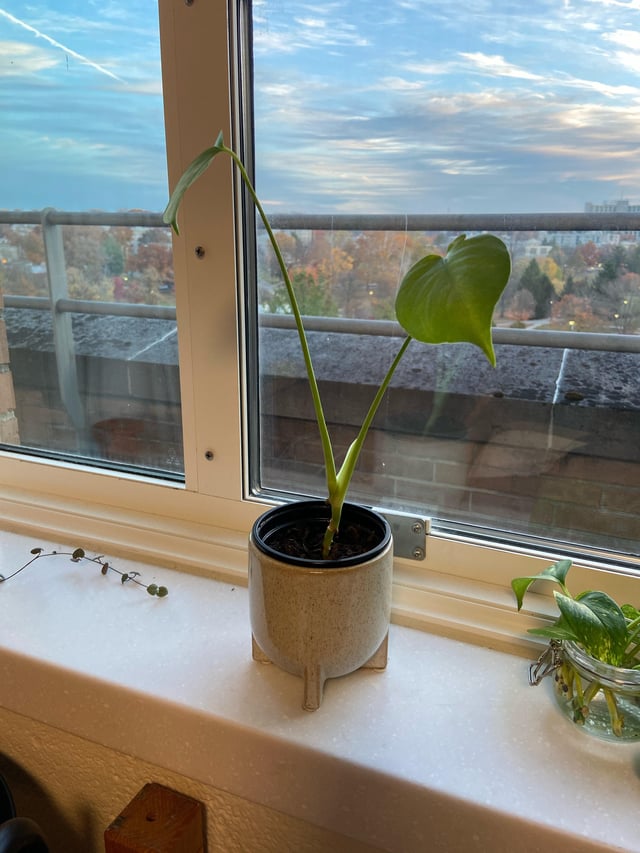
Is your Monstera plant not growing? You are not alone.
Many plant lovers face this issue. Monstera plants, known for their stunning leaves, can sometimes stop growing. This can be frustrating. These plants need specific conditions to thrive. Without proper care, they may struggle. In this blog post, we will explore common reasons why your Monstera isn’t growing.
We will also provide simple solutions to help your plant get back on track. Whether you are new to plant care or an experienced gardener, this guide will offer useful tips. Let’s dive in and help your Monstera flourish again.

Common Growth Issues
Struggling with a Monstera that isn’t growing? You’re not alone. Many plant enthusiasts face common growth issues with their Monstera. Addressing these issues can help your plant thrive and flourish.
Slow Growth
Is your Monstera growing slower than expected? Several factors can contribute to this:
- Insufficient Light: Monsteras need bright, indirect light. Low light slows growth.
- Watering Issues: Both overwatering and underwatering can stunt growth. Check the soil moisture.
- Lack of Nutrients: Regular fertilization is crucial. Use a balanced, water-soluble fertilizer.
Check these factors and adjust care to boost your Monstera’s growth.
Yellowing Leaves
Yellow leaves on your Monstera can be worrying. Common causes include:
| Cause | Description | Solution |
|---|---|---|
| Overwatering | Excess water leads to root rot. | Allow soil to dry between waterings. |
| Underwatering | Dry soil stresses the plant. | Water regularly, keeping soil moist. |
| Nutrient Deficiency | Lack of nutrients causes yellowing. | Fertilize with a balanced solution. |
Identify the cause and apply the right solution to keep your Monstera healthy.
Optimal Light Conditions
If your Monstera plant isn’t growing, the issue might be with the light conditions. Light plays a crucial role in the growth and health of houseplants. Understanding the optimal light conditions for your Monstera will help it thrive.
Ideal Light Levels
Monsteras prefer bright, indirect light. Direct sunlight can burn their leaves. Place your Monstera near a window with filtered light or in a room with plenty of natural light. A north or east-facing window is often perfect. Too little light can slow growth and affect leaf development.
| Light Condition | Effect on Monstera |
|---|---|
| Bright, indirect light | Optimal growth and vibrant leaves |
| Low light | Slow growth and smaller leaves |
| Direct sunlight | Leaf burn and damage |
Signs Of Too Much Light
Too much light can harm your Monstera. Watch for these signs:
- Brown leaf edges: This indicates sunburn.
- Faded leaf color: Leaves may look washed out.
- Crispy leaves: Prolonged exposure can make leaves dry and crisp.
If you see these signs, move your Monstera to a spot with less direct sunlight. An area with bright, indirect light will help it recover and grow better.
Proper Watering Techniques
Proper watering is crucial for a healthy Monstera plant. Incorrect watering can hinder its growth. It is essential to follow the right techniques to ensure your Monstera thrives.
Watering Frequency
Monstera plants prefer a consistent watering schedule. Water them every 1-2 weeks. Check the soil before watering. The top inch should be dry. If the soil is still moist, wait a few days. Overwatering can lead to root rot.
Signs Of Overwatering
Watch for yellowing leaves. This can indicate overwatering. Wilted or drooping leaves are also a sign. Check the soil’s moisture level. If the soil feels soggy, reduce watering frequency. Ensure proper drainage in the pot to prevent waterlogging.
Soil And Potting Mix
Having the right soil and potting mix is essential for your Monstera’s growth. Choosing the proper soil can make a huge difference in the plant’s health and overall development. Let’s dive into the best soil types and the importance of drainage for your Monstera.
Best Soil Types
Monstera plants thrive in well-draining soil. The soil should be a mix of organic matter and minerals. Here’s a table to help you understand the best soil types for Monstera:
| Soil Type | Characteristics |
|---|---|
| Peat-based soil | Retains moisture, provides good aeration |
| Perlite | Lightweight, improves drainage |
| Bark | Enhances soil structure, promotes aeration |
Importance Of Drainage
Proper drainage is crucial for Monstera plants. Without it, the roots can rot. Here are some tips to ensure good drainage:
- Use a pot with drainage holes.
- Add a layer of small stones at the bottom.
- Mix perlite or sand into the soil.
Ensuring the right soil and proper drainage will support your Monstera’s growth. Keep these tips in mind to create the best environment for your plant.
Temperature And Humidity
Understanding the right temperature and humidity levels is crucial for your Monstera plant’s growth. These factors directly influence the plant’s health and vitality. Ensuring these conditions are met can prevent stunted growth.
Ideal Temperature Range
Monsteras thrive in a specific temperature range. The ideal temperature range for Monstera plants is between 65°F to 85°F (18°C to 29°C).
Keep the temperature consistent. Avoid placing your plant near drafty windows or heat sources. Sudden temperature changes can stress the plant, hindering its growth.
| Temperature | Effect on Monstera |
|---|---|
| Below 65°F (18°C) | Slow growth |
| 65°F to 85°F (18°C to 29°C) | Optimal growth |
| Above 85°F (29°C) | Potential stress |
Maintaining Humidity Levels
Monsteras are native to tropical regions. They prefer a humidity level of around 60% to 80%. Low humidity can cause the leaves to dry out and turn brown.
- Place a humidifier near your plant.
- Mist the leaves regularly.
- Group plants together to increase humidity.
- Use a humidity tray with pebbles and water.
Monitor the humidity levels with a hygrometer. Adjust the methods as needed to maintain the ideal range.

Fertilizing Your Monstera
Fertilizing your Monstera is essential for its healthy growth. This plant has specific nutrient needs. Providing the right fertilizer can make a big difference. Let’s explore the best fertilizers and the ideal fertilizing schedule for your Monstera.
Best Fertilizers
Choosing the right fertilizer is crucial. A balanced liquid fertilizer works well. Look for one with an N-P-K ratio of 20-20-20. Organic options are also great. Fish emulsion or seaweed extract can be very effective. They provide essential nutrients without harsh chemicals. Slow-release fertilizers are another good choice. They offer a steady supply of nutrients over time.
Fertilizing Schedule
Stick to a regular fertilizing schedule. Fertilize your Monstera every 4-6 weeks during the growing season. Spring and summer are the key growing periods. Reduce fertilizing in fall and winter. The plant’s growth slows down then. Over-fertilizing can harm your Monstera. Always follow the instructions on the fertilizer package. Less is more in this case. If in doubt, start with a smaller amount. Observe the plant’s response and adjust accordingly.
Pruning And Training
Pruning and training a Monstera can help it grow better. This care encourages healthy growth and keeps the plant looking neat. Knowing when to prune and how to train the vines is key. These steps ensure your Monstera thrives.
When To Prune
Prune your Monstera at the start of spring. This is the best time for the plant to recover. Use clean, sharp shears to cut dead or damaged leaves. Also, remove any yellow or wilted leaves. Pruning promotes new growth and prevents disease.
Trim back long stems that seem leggy. This keeps the plant full and compact. Regular pruning helps the plant focus energy on healthy parts.
How To Train Vines
Training Monstera vines can guide their growth. Use stakes or trellises to support the vines. Tie the vines gently with soft ties or string. Do not tie too tight; allow room for growth.
Place the support near the main stem. This helps the plant climb upward. Adjust the ties as the plant grows. This ensures the plant stays secure and well-supported.
Training vines also helps the plant get more light. This leads to healthier leaves and better growth. Regularly check and adjust the ties to keep the plant in shape.
Pest And Disease Control
One of the reasons your Monstera isn’t growing could be pests or diseases. Keeping your plant healthy requires vigilance. Ensure you check your Monstera regularly. Identifying issues early can save your plant. This section will guide you on pest and disease control.
Common Pests
Monstera plants can be affected by several pests. The most common ones include:
- Spider Mites: These tiny pests can cause yellowing leaves. They thrive in dry conditions. Look for fine webbing on the leaves.
- Mealybugs: Mealybugs appear as white, cotton-like masses. They suck sap from the plant, causing stunted growth.
- Scale Insects: These pests look like small, brown bumps. They attach to stems and leaves, weakening the plant.
- Aphids: Aphids are small, green or black insects. They cluster on new growth, causing deformities.
To manage pests, you can:
- Isolate the affected plant to prevent spread.
- Use insecticidal soap or neem oil.
- Wipe leaves with a damp cloth regularly.
- Encourage natural predators like ladybugs.
Disease Prevention
Diseases can also affect Monstera growth. Common diseases include:
- Root Rot: Caused by overwatering. The roots become mushy and black. Ensure proper drainage and avoid waterlogging.
- Leaf Spot: Fungal infection causing brown or black spots. Remove affected leaves and improve air circulation.
- Powdery Mildew: White, powdery spots on leaves. Increase airflow and use fungicidal sprays.
To prevent diseases:
- Ensure good air circulation around the plant.
- Water only when the topsoil is dry.
- Avoid wetting the leaves during watering.
- Use sterile pots and fresh soil for repotting.
Regular monitoring and proper care can keep your Monstera healthy. Addressing pests and diseases promptly will ensure steady growth.
Frequently Asked Questions
Why Isn’t My Monstera Growing?
Your Monstera might not be growing due to insufficient light, improper watering, or poor soil quality. Ensure it’s receiving bright, indirect light. Water when the top inch of soil is dry. Use well-draining soil.
How Often Should I Water My Monstera?
Water your Monstera when the top inch of soil is dry. Overwatering can cause root rot. Ensure the pot has drainage holes. This helps prevent waterlogging.
Does Monstera Need Direct Sunlight?
Monstera prefers bright, indirect sunlight. Direct sunlight can burn its leaves. Place it near a window with filtered light. Avoid dark corners.
What Type Of Soil Is Best For Monstera?
Monstera thrives in well-draining soil. Use a mix of potting soil, perlite, and peat moss. This ensures proper aeration and prevents root rot.
Conclusion
Your Monstera can thrive with the right care. Ensure it gets bright, indirect light. Water only when the top soil is dry. Check for pests and treat promptly. Repot if it’s root-bound. With patience and attention, your Monstera will grow beautifully.
Happy gardening!
Leave a Reply