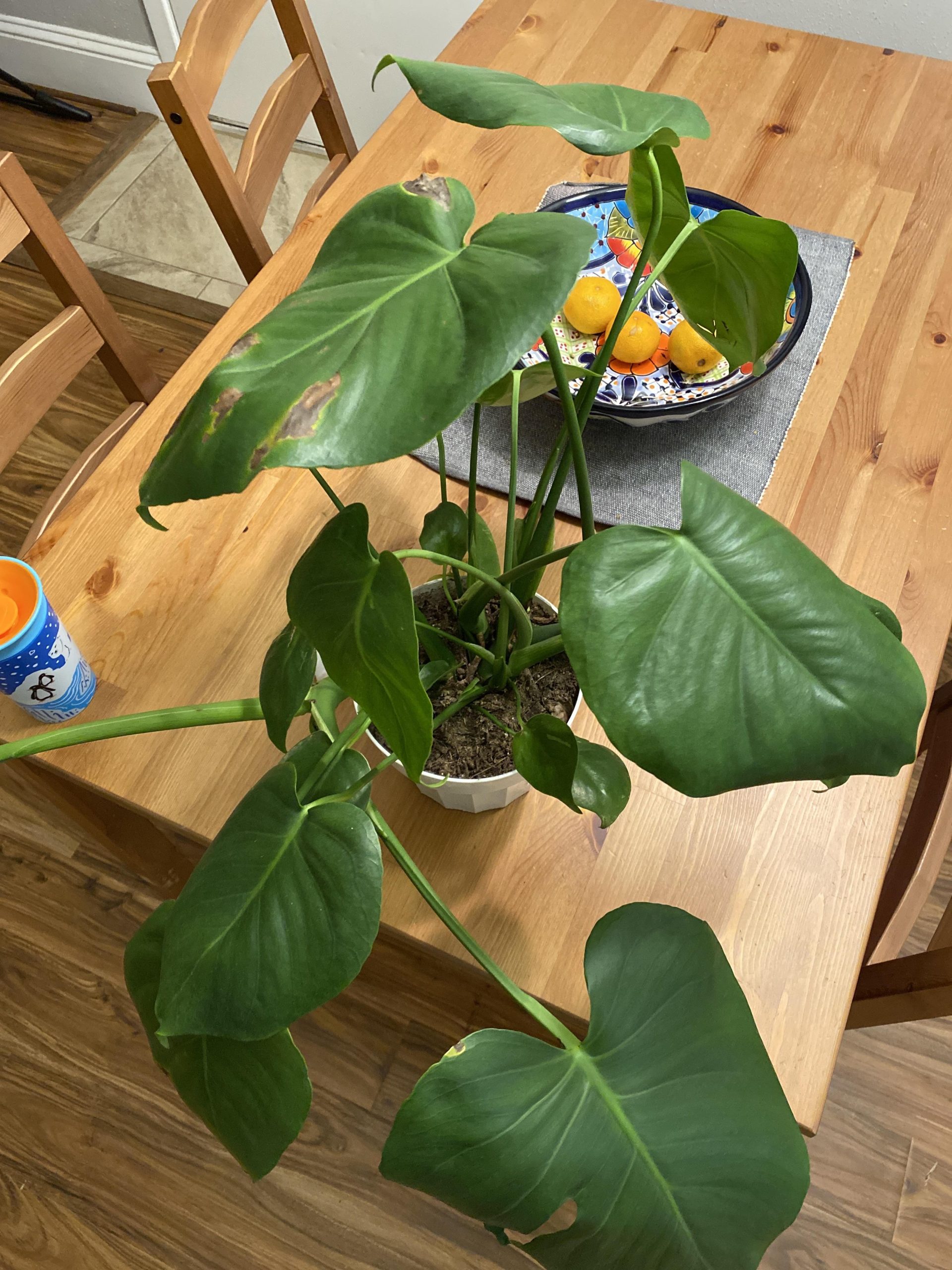
Are your Monstera leaves not splitting? Don’t worry, you’re not alone.
Many plant enthusiasts face this issue. Monstera plants are known for their stunning, split leaves. These splits, or fenestrations, not only add beauty but also help the plant thrive. When your Monstera doesn’t develop these splits, it can be frustrating.
Several factors can contribute to this problem. Understanding these can help you provide the right care. From lighting to watering, each element plays a role. In this blog, we’ll explore why your Monstera might not be splitting. We’ll also share tips to encourage those beautiful splits. Ready to turn your Monstera into a stunning centerpiece? Let’s dive in!
Common Causes
Monstera plants are known for their beautiful, split leaves. But sometimes, these leaves won’t split. Understanding the common causes can help you fix this. Let’s explore the reasons why your Monstera leaves may not be splitting.
Lack Of Light
Monstera plants need bright, indirect light to thrive. If your plant is not getting enough light, its leaves may not split. Place your Monstera near a window with filtered light. Avoid direct sunlight. It can burn the leaves. Moving your plant to a brighter spot can help.
Improper Watering
Watering your Monstera correctly is crucial. Overwatering or underwatering can prevent leaf splits. Check the soil moisture before watering. The top inch of soil should be dry. Water thoroughly, but let excess water drain out. Avoid letting the plant sit in water. Consistent watering helps your Monstera grow healthy, split leaves.
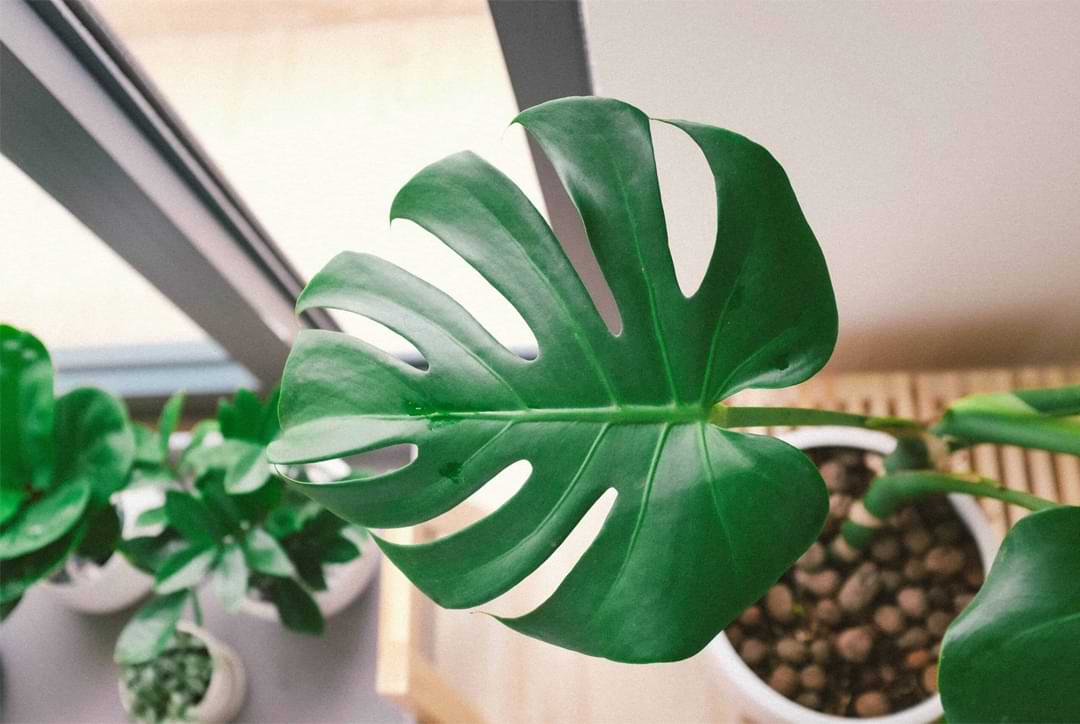
Ideal Light Conditions
Understanding the ideal light conditions is essential for your Monstera’s health. Light plays a key role in the plant’s ability to thrive and develop those signature split leaves. Let’s explore the best natural and artificial light options for your Monstera.
Natural Light
Monsteras prefer bright, indirect light. Direct sunlight can scorch the leaves. Place your Monstera near a window that gets filtered light. An east or north-facing window works well. Avoid the harsh midday sun from south or west-facing windows. Rotate the plant occasionally for even light exposure.
Artificial Light Options
If your home lacks natural light, use artificial light. LED grow lights are a great choice. They mimic natural sunlight and promote healthy growth. Place the light 12-18 inches above the plant. Use a timer to provide 12-14 hours of light daily. Fluorescent lights are another option. They are energy-efficient and provide adequate light. Position them close to your Monstera for the best results.
Watering Techniques
Watering techniques play a crucial role in ensuring your Monstera plant thrives. Proper watering can prevent issues like leaves not splitting. Here are some essential tips on how to water your Monstera effectively.
Frequency
Watering frequency is vital for a healthy Monstera plant. Water your Monstera every 1-2 weeks. The exact frequency depends on the season and indoor climate. During the summer, you may need to water more frequently. In winter, your Monstera will need less water. Always check the soil moisture before watering again.
Tip: Insert your finger about an inch into the soil. If it feels dry, it’s time to water.
Amount
The amount of water is just as important. Water your Monstera until you see water draining from the bottom. This ensures the roots get enough water without being waterlogged. Overwatering can lead to root rot.
Use a pot with drainage holes to prevent excess water from accumulating. A well-draining potting mix helps keep the right balance of moisture.
| Season | Watering Frequency | Amount of Water |
|---|---|---|
| Spring/Summer | Every 1-2 weeks | Until water drains out |
| Fall/Winter | Every 2-4 weeks | Until water drains out |
Remember to adjust the frequency based on the plant’s environment. Check the soil moisture regularly to avoid over or under-watering.
Proper watering techniques will help your Monstera develop those beautiful split leaves. Happy gardening!

Soil Requirements
The right soil is crucial for your Monstera’s health. Good soil helps the plant grow strong and healthy. It can also help your Monstera’s leaves to split properly. Let’s explore the soil type and nutrient needs for your Monstera.
Soil Type
Monstera plants need well-draining soil. This prevents water from pooling around the roots. Too much water can cause root rot. Use a mix that includes perlite or sand. These materials help with drainage. Look for a soil mix labeled for tropical plants.
Here is a basic soil mix for Monstera:
- 1 part potting soil
- 1 part perlite
- 1 part orchid bark
This mix provides good aeration and drainage. Your Monstera’s roots will have the space they need to grow.
Nutrient Needs
Monstera plants need nutrients to thrive. Fertilize your plant during the growing season. Use a balanced fertilizer, like a 20-20-20 mix. This mix has equal parts of nitrogen, phosphorus, and potassium. These nutrients help the plant grow strong and healthy.
Here is a simple fertilizing schedule:
- Fertilize every 4-6 weeks during spring and summer.
- Reduce to every 8-10 weeks in fall and winter.
Avoid over-fertilizing. Too much fertilizer can burn the roots. Follow the instructions on the fertilizer package. Proper nutrients help your Monstera’s leaves to split and grow well.
Humidity Levels
Humidity levels play a vital role in the health of your Monstera plant. Inadequate humidity can prevent leaves from splitting. Understanding the right humidity levels and how to increase them can help your Monstera thrive.
Optimal Humidity
The Monstera plant thrives in a humid environment. Ideally, humidity levels should be between 60% to 80%. This range ensures that the leaves remain healthy and split correctly.
In drier climates, maintaining these levels can be challenging. Use a hygrometer to measure the humidity in your home. This device helps you keep track of whether the air is too dry for your Monstera.
Increasing Humidity
If your home’s humidity is below the optimal range, you need to increase it. Here are some effective methods:
- Use a Humidifier: A humidifier can add moisture to the air, creating an ideal environment for your Monstera.
- Group Plants Together: Plants release moisture through a process called transpiration. Grouping them can increase humidity around them.
- Place a Water Tray: Put a tray filled with water near your Monstera. As the water evaporates, it will increase the surrounding humidity.
- Mist the Leaves: Regularly misting the leaves can provide short-term humidity. Use a spray bottle with clean water for this purpose.
Remember, consistent humidity levels are crucial for the health of your Monstera. Regularly monitor and adjust as needed to keep your plant happy and healthy.
Fertilizing Practices
Monstera plants, known for their stunning split leaves, may sometimes fail to split. Fertilizing practices play a crucial role in encouraging this growth. Proper fertilization ensures that your Monstera gets the nutrients needed for healthy development.
Best Fertilizers
Choosing the right fertilizer is essential for Monstera plants. A balanced, water-soluble fertilizer with equal parts nitrogen, phosphorus, and potassium works well. Look for a fertilizer labeled 20-20-20 or similar. Organic options like fish emulsion or worm castings also provide vital nutrients.
Application Timing
Timing your fertilizer applications is key. Fertilize your Monstera every four to six weeks during the growing season. This period typically spans from spring through early fall. Reduce or stop fertilizing in winter when the plant’s growth slows down.
Pruning Tips
Pruning your Monstera plant correctly can encourage healthy growth and leaf splitting. Proper pruning ensures your plant remains vibrant and manageable. Here are some essential pruning tips to help your Monstera thrive.
When To Prune
Prune your Monstera during its active growing season. This usually happens in spring and summer. Avoid pruning in the fall and winter. The plant’s growth slows down during these colder months. Pruning at the right time helps the plant recover quickly.
How To Prune
First, gather your tools. You’ll need clean, sharp pruning shears. Begin by cutting any dead or yellowing leaves. This allows the plant to focus energy on healthy growth. Next, trim back any long stems. Cut just above a leaf node. This encourages new branches to form.
When pruning, always make clean cuts. Jagged cuts can harm the plant. Remove any stems that cross over or crowd each other. This improves airflow and light penetration. Don’t remove more than 25% of the plant at once. Over-pruning can stress the Monstera.

Pest And Disease Control
Ensuring your Monstera plant stays healthy requires vigilance against pests and diseases. These issues can prevent your plant from thriving and cause its leaves not to split. Below, we explore common pests and how to prevent diseases.
Common Pests
Several pests can affect your Monstera. Here are the most common ones:
- Spider Mites: Tiny insects that create webbing on the leaves.
- Mealybugs: Small, white, cotton-like pests found on leaf nodes.
- Scale Insects: Hard-shelled pests that suck plant sap.
- Aphids: Small, green insects that cluster on new growth.
To control these pests, regularly inspect your plant. Use a damp cloth to wipe off visible insects. You can also use insecticidal soap or neem oil for treatment.
Disease Prevention
Diseases can hinder your Monstera’s growth. Here are some tips for prevention:
- Avoid Overwatering: Wet soil promotes fungal infections.
- Ensure Proper Air Circulation: Good airflow reduces mold risk.
- Use Sterile Tools: Clean tools prevent disease spread.
- Inspect New Plants: Quarantine new plants to avoid contamination.
By following these steps, you can help keep your Monstera healthy. This will encourage leaf splitting and overall plant vitality.
Frequently Asked Questions
Why Won’t My Monstera Leaves Split?
Monstera leaves may not split due to insufficient light. Ensure your plant gets bright, indirect sunlight for proper growth.
How Do I Encourage My Monstera To Split?
Provide adequate light, water, and humidity. Regularly rotate the plant and check for pests to promote healthy growth.
Does Age Affect Monstera Leaf Splitting?
Yes, young Monstera plants have solid leaves. As they mature, they develop characteristic splits and holes.
Can Overwatering Prevent Monstera Leaves From Splitting?
Yes, overwatering can lead to root rot, which hampers leaf development. Allow soil to dry between waterings.
Conclusion
Understanding why your Monstera won’t split can be frustrating. With the right care, you can encourage those beautiful splits. Ensure proper light, water, and nutrients. Patience is key in plant care. Your Monstera will thrive with attention and time. Keep an eye on its environment.
Happy growing!
Leave a Reply