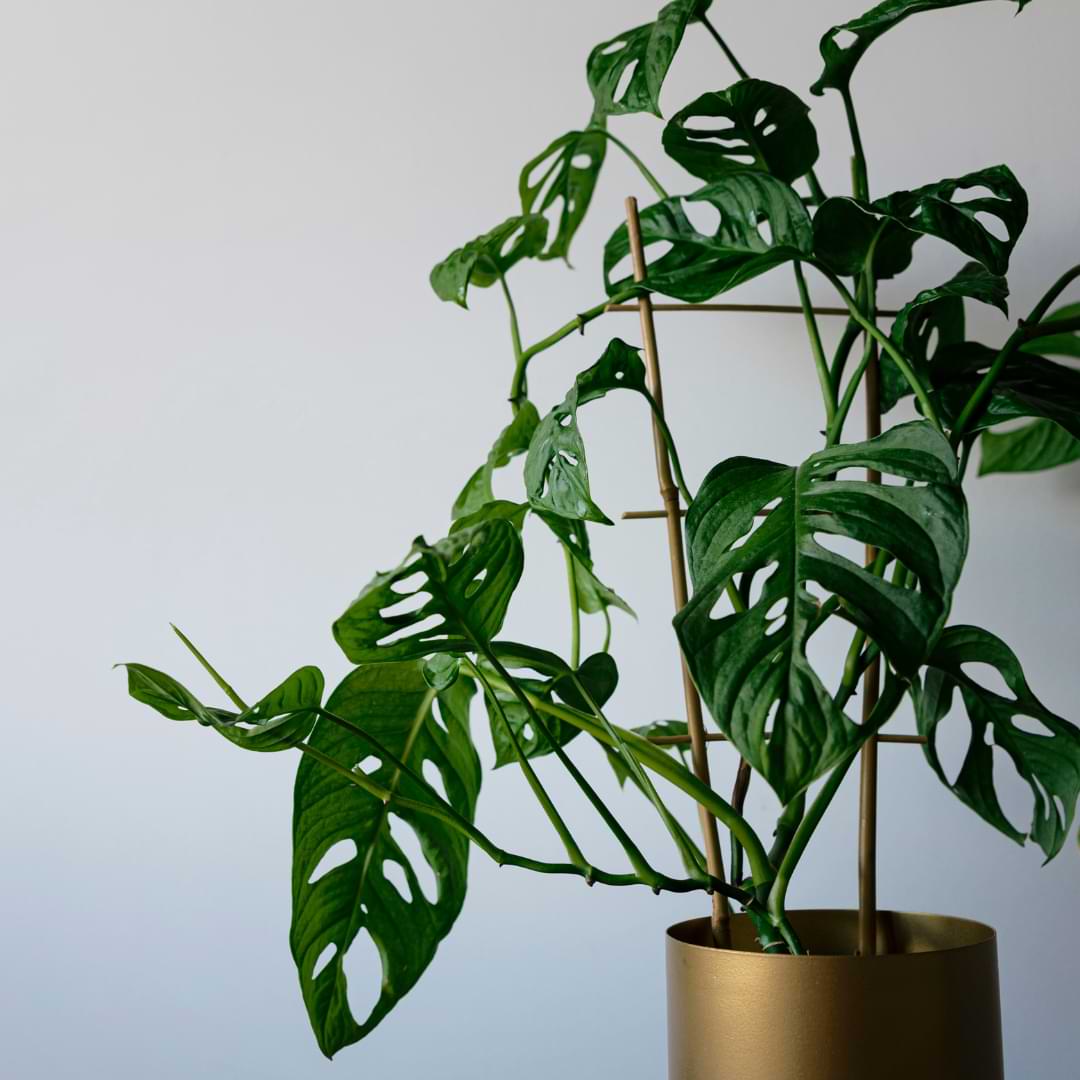
Yes, Monstera plants are toxic to dogs. If ingested, they can cause mouth irritation, swelling, and more severe reactions.
Many pet owners love to decorate their homes with beautiful plants. But, it’s important to know which plants are safe for pets. Monstera is a popular houseplant with large, glossy leaves. But, it poses risks for dogs. If your dog chews on Monstera, it can lead to painful symptoms.
This blog will help you understand the dangers and what to do if your dog eats Monstera. Keep reading to learn how to keep your furry friend safe and your home stylish.

Monstera Plant Characteristics
The Monstera plant is a popular choice for indoor gardening enthusiasts. Its unique appearance and various species make it a favorite. Let’s explore the characteristics of the Monstera plant.
Appearance
The Monstera plant is known for its striking leaves. The leaves are large, glossy, and have natural holes or splits. This gives them a unique look, often described as “Swiss cheese.” The plant’s vibrant green color adds to its appeal. These features make it a standout in any indoor garden.
Monstera plants can grow quite tall. They often reach heights of up to 10 feet indoors. The stems are thick and sturdy, supporting the large leaves. The plant’s aerial roots help it climb and stabilize.
Common Species
| Species | Description |
|---|---|
| Monstera Deliciosa | Also known as the Swiss Cheese Plant. It has large, deeply cut leaves. |
| Monstera Adansonii | Known for smaller leaves with more holes than Monstera Deliciosa. |
| Monstera Dubia | Features smaller, heart-shaped leaves that lie flat against surfaces. |
Each of these species has unique features. Monstera Deliciosa is the most common and well-known. Monstera Adansonii is also popular for its distinct leaf holes. Monstera Dubia is less common but loved for its climbing nature.
Understanding these characteristics helps in caring for your Monstera plant. Proper care ensures it remains healthy and beautiful. This knowledge is also crucial for pet owners. Especially since some Monstera species can be toxic to dogs.

Toxic Components
Monstera plants, often called Swiss cheese plants, are popular houseplants. Their large, unique leaves add a touch of nature to any home. But, these plants can be harmful to pets. Let’s explore the toxic components in Monstera plants that make them dangerous to dogs.
Calcium Oxalates
Monstera plants contain calcium oxalates. These are tiny, needle-like crystals. When chewed, they cause irritation. The mouth, throat, and stomach can all be affected. This leads to pain and discomfort for dogs.
Symptoms Of Ingestion
If a dog eats part of a Monstera plant, it may show signs of distress. Symptoms include drooling, pawing at the mouth, and vomiting. The dog might also have trouble swallowing. The irritation can cause swelling and redness in the mouth. In severe cases, breathing difficulties may occur. Always seek veterinary care if ingestion is suspected.
Symptoms Of Toxicity In Dogs
Monstera plants are popular houseplants known for their beautiful, large leaves. But, are they safe for dogs? Unfortunately, Monstera plants are toxic to dogs. It’s important to recognize the symptoms of toxicity in dogs to act quickly and ensure their safety.
Mild Symptoms
If your dog ingests Monstera, they may show mild symptoms first. These symptoms include drooling, pawing at the mouth, and oral irritation. Your dog might also have difficulty swallowing. It’s crucial to watch for these signs and remove the plant from their reach.
Other mild symptoms include vomiting and decreased appetite. Your dog might seem more tired than usual. Even mild symptoms need attention. They can escalate quickly without proper care.
Severe Reactions
Severe reactions to Monstera toxicity require immediate veterinary attention. Symptoms include intense vomiting and swelling of the mouth and throat. Your dog might have trouble breathing. This can be life-threatening.
Other severe symptoms are intense pain and gastrointestinal distress. Your dog may become very lethargic. These symptoms indicate a serious reaction to the plant’s toxins. Quick action can save your dog’s life.
If you see any severe reactions, contact your vet immediately. Your dog’s health and safety depend on it.
First Aid Measures
When your dog ingests a Monstera plant, it can be alarming. Monstera plants contain calcium oxalate crystals, which can cause irritation. Knowing the right first aid measures can help your dog recover faster. This section covers Immediate Actions and when to contact a veterinarian.
Immediate Actions
First, remove any remaining plant material from your dog’s mouth. Rinse their mouth with water to reduce irritation. Provide fresh water to drink, as this can help dilute any toxins.
Observe your dog for any signs of discomfort. These can include drooling, pawing at the mouth, and vomiting. If symptoms are mild, continue to monitor your dog closely.
When To Contact A Veterinarian
Contact your veterinarian if your dog’s symptoms worsen. Severe symptoms include difficulty breathing, excessive vomiting, and swelling of the mouth or throat. These could indicate a serious reaction.
Provide your veterinarian with details about the ingestion. Include the amount of plant consumed and the time of ingestion. This information helps them determine the best course of treatment.
| Symptom | Action |
|---|---|
| Mild drooling | Monitor at home |
| Vomiting | Contact vet if persistent |
| Difficulty breathing | Seek immediate veterinary care |
| Swelling | Seek immediate veterinary care |
Remember, quick action can make a big difference. Stay calm and follow these steps to help your dog recover.
Preventive Measures
Monstera plants are toxic to dogs. To keep your furry friend safe, you need to take some preventive measures. This section will guide you on how to prevent accidental poisoning.
Safe Plant Placement
One of the easiest ways to keep your dog safe is by placing Monstera plants out of reach. Here are some tips:
- Place Monstera plants on high shelves.
- Hang them from the ceiling using plant hangers.
- Use plant stands that are tall and sturdy.
Consider areas where your dog cannot access. This could be rooms with closed doors or areas fenced off with baby gates.
Alternative Pet-safe Plants
If you want greenery in your home, there are many pet-safe plants. These plants are not toxic to dogs and can be a great alternative to Monstera.
Here are some pet-safe plants you can consider:
| Plant Name | Benefits |
|---|---|
| Spider Plant | Easy to care for and non-toxic. |
| Areca Palm | Beautiful and safe for pets. |
| Boston Fern | Great for air purification and safe for dogs. |
These plants not only add beauty to your home but also ensure your dog stays safe.
Creating A Pet-safe Home
Creating a pet-safe home is essential for any dog owner. Many common houseplants, including the popular Monstera, can be harmful to pets. The key is to balance your love for greenery with the safety of your furry friends.
Assessing Other Risks
Monstera plants are not the only potential danger in your home. Check for other toxic plants like lilies, azaleas, and sago palms. These plants can pose serious health risks to your dog. It’s important to know which plants are safe and which are not.
Beyond plants, household chemicals, electrical cords, and small objects can also be hazardous. Store cleaning products in locked cabinets and cover electrical outlets. Small items like batteries or coins should be kept out of reach.
Pet-friendly Home Decor
Decorating your home with pet-friendly items can be both stylish and safe. Opt for non-toxic plants such as spider plants, Boston ferns, and areca palms. These plants add greenery without the risk of poisoning your dog.
Consider using washable covers for your furniture. This makes it easier to clean up any pet hair or accidents. Choose durable materials that can withstand scratches and bites.
Here are some tips for pet-friendly decor:
- Use slipcovers on sofas and chairs
- Opt for rugs made from natural fibers
- Choose dog-friendly flooring like tile or hardwood
Creating a pet-safe home is not difficult. It requires some planning and awareness of potential risks. Follow these tips to ensure your home is both beautiful and safe for your furry friend.
Consulting Your Veterinarian
Monstera plants can be toxic to dogs. Consulting your veterinarian ensures your pet’s safety if exposure occurs. Keep your furry friend healthy by seeking expert advice.
If you suspect your dog has ingested Monstera, contact your veterinarian immediately. Monstera plants contain calcium oxalate crystals. These can cause severe irritation in a dog’s mouth and throat. Your veterinarian can provide the best advice and treatment options.Regular Check-ups
Regular check-ups with your vet are crucial for your dog’s health. These visits help detect potential issues early. They also allow your vet to give personalized advice. Discuss any concerns about plants in your home. Your vet can suggest safe alternatives to Monstera plants.Emergency Contacts
Always have your vet’s contact information readily available. Keep the number of an emergency animal hospital on hand too. Quick action can make a difference in your dog’s health. Store these contacts in your phone and write them down somewhere visible. This ensures you can act fast during an emergency. “`
Frequently Asked Questions
Are Monstera Plants Toxic To Dogs?
Yes, Monstera plants are toxic to dogs. They contain calcium oxalates which can cause irritation and discomfort when ingested.
What Happens If A Dog Eats Monstera?
If a dog eats Monstera, they may experience drooling, mouth irritation, vomiting, and difficulty swallowing. Immediate vet consultation is advised.
How To Keep Dogs Away From Monstera?
Place Monstera plants out of reach, use deterrent sprays, or train your dog to avoid the plant to ensure safety.
Can Monstera Cause Severe Health Issues In Dogs?
While Monstera can cause discomfort, severe health issues are rare. Immediate veterinary care can help mitigate any serious reactions.
Conclusion
Monstera plants can be toxic to dogs. Always keep them out of reach. Watch for signs of poisoning like drooling or vomiting. Contact your vet if symptoms appear. Choose pet-safe plants instead. Your dog’s safety is important. Stay informed and create a safe home.
Your furry friend will thank you.
Leave a Reply