Monstera and Swiss Cheese plants are popular indoor plants. Both add charm and greenery to homes.
Deciding between Monstera and Swiss Cheese can be tricky. Each has unique features and care needs. Monstera, known for its large, split leaves, offers a bold look. Swiss Cheese plant, also called Monstera Adansonii, is famous for its holey leaves.
Understanding their differences helps you pick the right plant for your space. Both plants thrive indoors with proper care. This comparison will guide you through their specific needs, appearance, and growth patterns. Read on to find out which plant suits your lifestyle best.
Monstera Plant Characteristics
The Monstera plant, often called the Swiss Cheese Plant, is popular in homes. Its unique leaves and easy care make it a favorite. Let’s explore its characteristics in detail.
Appearance And Growth
The Monstera plant has large, glossy green leaves. These leaves develop holes or splits as they grow, giving them a distinctive look. This feature is why it’s nicknamed the Swiss Cheese Plant.
The plant can grow quite tall, often reaching several feet indoors. It has a climbing nature, so it might need a support like a moss pole. The stems are thick and sturdy, supporting the large leaves well.
Ideal Growing Conditions
Monstera plants thrive in bright, indirect light. Direct sunlight can scorch their leaves. A spot near a window with filtered light is perfect. They prefer a warm environment, ideally between 65-85°F (18-29°C).
These plants enjoy high humidity. If your home is dry, consider using a humidifier or misting the leaves. They also need well-draining soil to prevent root rot. A mix of potting soil, peat, and perlite works well.
Water your Monstera when the top inch of soil feels dry. Overwatering can lead to root problems. It’s better to under-water slightly than to over-water.
| Characteristic | Details |
|---|---|
| Light | Bright, indirect light |
| Temperature | 65-85°F (18-29°C) |
| Humidity | High |
| Soil | Well-draining mix |

Swiss Cheese Plant Characteristics
The Swiss Cheese Plant, scientifically known as Monstera adansonii, is a popular houseplant. Its unique look and easy care make it a favorite. Let’s explore its main characteristics.
Appearance And Growth
The Swiss Cheese Plant features heart-shaped leaves. These leaves have natural holes, giving them a “Swiss cheese” look. The plant can climb or trail, making it versatile for home decor. Its vines can grow up to 10 feet long indoors. This plant grows quickly in the right conditions.
Ideal Growing Conditions
The Swiss Cheese Plant prefers bright, indirect light. Direct sunlight can burn its leaves. It thrives in a warm environment, ideally between 65-85°F. Humidity is also important. It likes higher humidity levels, around 60%. Keep the soil slightly moist but not waterlogged. Overwatering can lead to root rot. Fertilize monthly during the growing season. This helps support its rapid growth.
Care Requirements For Monstera
The Monstera plant, often called the “Swiss Cheese Plant,” has unique care requirements. This tropical plant can thrive indoors if given proper attention. In this section, we will cover the essential aspects of watering, feeding, pruning, and maintenance for your Monstera.
Watering And Feeding
Monstera plants prefer slightly moist soil. Overwatering can lead to root rot, while underwatering can cause the leaves to wilt. Here are some simple guidelines:
- Water your Monstera when the top 2-3 inches of soil are dry.
- Use room temperature water to avoid shocking the roots.
- Ensure the pot has drainage holes to prevent water from sitting in the bottom.
- Feed your Monstera with a balanced liquid fertilizer once a month during the growing season (spring and summer).
Pruning And Maintenance
Pruning your Monstera helps it grow healthier and maintain its shape. Regular maintenance is key to keeping your plant looking its best. Follow these steps:
- Remove any yellow or damaged leaves to promote new growth.
- Trim any overgrown vines to encourage a bushier appearance.
- Use clean, sharp scissors or pruning shears to avoid damaging the plant.
- Wipe the leaves with a damp cloth to remove dust and keep them shiny.
Following these care tips will ensure your Monstera plant stays vibrant and healthy. Proper watering, feeding, and pruning are essential for its growth and beauty.
:max_bytes(150000):strip_icc()/grow-monstera-adansonii-swiss-cheese-plant-1902774-hero-01-dc903dae459a4dd5b919d5e1d1bee9d3.jpg)
Care Requirements For Swiss Cheese
The Swiss Cheese plant, also known as Monstera adansonii, is a popular indoor plant. Its unique leaves with natural holes make it a favorite among plant enthusiasts. Proper care is essential to keep it thriving and healthy. Here, we will cover the specific needs of this plant.
Watering And Feeding
Swiss Cheese plants prefer moist soil but not soggy. Water the plant when the top inch of soil feels dry. Use room temperature water to avoid shocking the roots. Overwatering can cause root rot, so ensure the pot has good drainage.
Feeding the plant once a month during the growing season helps it grow well. Use a balanced, water-soluble fertilizer. Reduce feeding during the winter months when the plant’s growth slows down.
Pruning And Maintenance
Pruning helps keep the Swiss Cheese plant in shape and encourages new growth. Trim dead or yellowing leaves regularly. Use sharp, clean scissors to make clean cuts.
Support the plant with a moss pole or trellis. This mimics its natural climbing habit. Dust the leaves occasionally to keep them clean and help the plant breathe better.
Benefits Of Monstera In The Home
Monstera, also known as Swiss Cheese plant, purifies air and adds a stylish touch to home decor. Its unique leaves create a tropical vibe, making any room feel fresh and inviting.
Monstera plants, also known as Swiss Cheese plants, offer many benefits. They are popular for their beauty and practical uses. Their unique leaves and easy care make them a favorite.Aesthetic Appeal
Monstera plants have striking, large leaves. Their holes and splits give them a distinct look. These plants can make any room feel lively and fresh. Their green color adds a touch of nature indoors. You can place them in living rooms, bedrooms, or offices. They are versatile and fit well with different decor styles. Monstera plants also grow fast, filling empty spaces quickly.Air Purification
Monstera plants help clean the air in your home. They absorb pollutants and release oxygen. This can improve the air quality around you. Better air quality can lead to better health. You might breathe easier and feel more relaxed. Monstera plants can reduce stress and boost your mood. Having a Monstera plant can make your home a healthier place to live. “`Benefits Of Swiss Cheese In The Home
Swiss Cheese plants, often mistaken for Monstera, offer a range of benefits. They are not just pleasing to the eye; they bring several practical advantages to your living space. This section will explore how Swiss Cheese plants enhance your home.
Aesthetic Appeal
Swiss Cheese plants are known for their unique leaves. The leaves have holes that make them stand out. Their green color adds a natural touch to any room. These plants can make your home look more lively and inviting.
Many people use Swiss Cheese plants as centerpieces. They fit well in both modern and traditional decor styles. The plant’s beauty can easily become a conversation starter among guests.
Air Purification
Swiss Cheese plants are not just beautiful; they also clean the air. They help remove toxins from the environment. This makes your home healthier.
Studies have shown that indoor plants improve air quality. Swiss Cheese plants absorb pollutants like formaldehyde and benzene. They also increase humidity, which is good for your skin and respiratory health.
Having a Swiss Cheese plant can make your home feel fresher. It’s a simple way to improve both the air quality and the aesthetics of your living space.
Choosing The Right Plant For Your Space
Monstera plants feature large, glossy leaves and grow well indoors. Swiss Cheese plants, with their unique holey leaves, thrive in bright, indirect light. Both add a tropical touch to any space.
Choosing the right plant for your space can be challenging. Monstera and Swiss Cheese plants each have unique needs and appearances. Understanding these differences helps you make an informed decision.Assessing Light And Space
Monstera plants thrive in bright, indirect light. They can tolerate low light but grow slower. Swiss Cheese plants prefer similar conditions. They do well in bright, indirect light too. Direct sunlight can scorch their leaves. Space is another crucial factor. Monsteras grow large and need room to spread out. Their leaves can reach up to 3 feet wide. Swiss Cheese plants are more compact. They suit smaller spaces better. Consider your room’s size before choosing.Personal Preferences
Personal taste plays a big role in your choice. Monstera plants have large, split leaves. They add a tropical feel to any space. Swiss Cheese plants have smaller, holey leaves. They offer a unique, quirky look. Think about maintenance too. Monstera plants are relatively low-maintenance. They need occasional watering and light pruning. Swiss Cheese plants require more frequent care. They need regular watering and misting. Choosing between Monstera and Swiss Cheese depends on your light, space, and taste. Each plant brings its own charm to your home. Make a choice that suits your environment and lifestyle.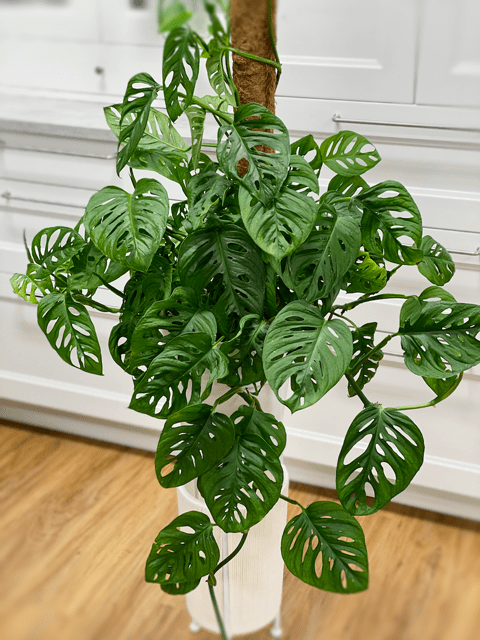
Frequently Asked Questions
What Is The Difference Between Monstera And Swiss Cheese Plants?
Monstera and Swiss Cheese plants are often confused. Monstera has larger, split leaves, while Swiss Cheese has smaller, holey leaves. Both belong to the Monstera genus.
Which Plant Is Easier To Care For, Monstera Or Swiss Cheese?
Both Monstera and Swiss Cheese plants are relatively easy to care for. They thrive in indirect sunlight and require moderate watering. Proper humidity levels also help them flourish.
Do Monstera And Swiss Cheese Plants Need The Same Light?
Monstera and Swiss Cheese plants both prefer bright, indirect light. Direct sunlight can scorch their leaves. Low light can slow their growth.
Are Monstera And Swiss Cheese Plants Toxic To Pets?
Yes, both Monstera and Swiss Cheese plants are toxic to pets. Ingesting their leaves can cause irritation, vomiting, and other symptoms in cats and dogs.
Conclusion
Choosing between Monstera and Swiss Cheese plants depends on your needs. Monstera offers large, striking leaves. Swiss Cheese plants have unique, hole-filled foliage. Both are easy to care for. They thrive in similar conditions. Bright, indirect light suits them best.
Water them when the topsoil feels dry. They also clean the air, enhancing your home’s environment. So, whether you prefer the dramatic Monstera or the quirky Swiss Cheese plant, you can’t go wrong. Both bring a touch of nature indoors.
Enjoy the green, healthy vibe they add to your space.
Leave a Reply