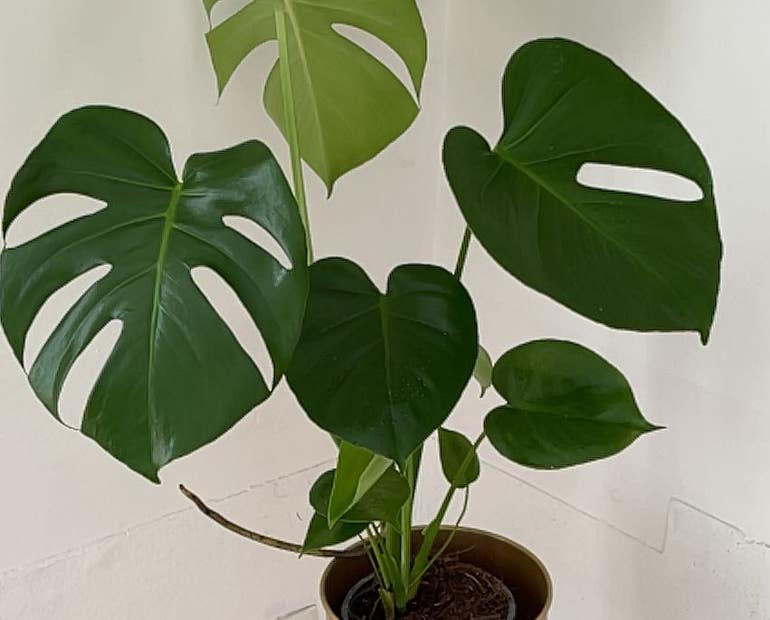
Watering your Monstera plant can seem tricky. Should you water from the top or bottom?
Both methods have their benefits. Monstera plants are beloved for their striking, split leaves and easy care. Yet, proper watering is key to keeping them healthy. Top watering means pouring water onto the soil’s surface. Bottom watering involves placing the pot in a water-filled tray.
Each method has its advantages and potential drawbacks. Knowing when and how to use each technique can help you avoid common issues like root rot or dry soil. This guide will explore both options, helping you choose the best approach for your Monstera’s needs. Let’s dive into the details to ensure your plant thrives.
Top Watering Method
One common way to water your Monstera plant is by using the top watering method. This involves pouring water directly onto the soil surface. It is a straightforward approach and fits well into most plant care routines.
Steps For Top Watering
- Check Soil Moisture: Insert your finger into the soil about an inch deep. If it feels dry, it’s time to water.
- Prepare Water: Use room temperature water. Cold water can shock the roots.
- Water Evenly: Pour water slowly and evenly over the soil surface. Ensure it reaches all areas of the pot.
- Watch for Drainage: Water until you see it draining from the bottom. This ensures the soil is fully saturated.
- Empty Saucer: After the water has drained, empty the saucer to prevent root rot.
Pros Of Top Watering
- Easy to Monitor: You can easily see how much water you’re giving your plant.
- Prevents Overwatering: Watching for drainage helps prevent overwatering and root rot.
- Flushes Salts: Top watering helps flush out salts and minerals that can accumulate in the soil.
- Direct Hydration: Water reaches the roots directly, promoting healthy growth.

Bottom Watering Method
The bottom watering method is a popular way to hydrate Monstera plants. This technique involves placing the plant’s pot in a tray of water. The plant absorbs the water from the bottom up. This method ensures that the roots receive consistent moisture. It also helps prevent overwatering and root rot.
Steps For Bottom Watering
First, fill a tray with water. Ensure the water level is about an inch deep. Next, place the Monstera pot in the tray. Leave the pot in the tray for about 20 to 30 minutes. Check the soil’s top layer. If it feels moist, remove the pot from the tray. Allow the pot to drain excess water. Return the plant to its usual spot. Repeat this method once a week or when the soil feels dry.
Pros Of Bottom Watering
Bottom watering promotes healthy root growth. The roots reach down for moisture. This method also reduces the risk of overwatering. It prevents water from sitting on the plant’s leaves. This can reduce fungal problems. The soil absorbs water evenly, ensuring all roots get enough moisture. It also keeps the topsoil dry, discouraging pests like fungus gnats.
Comparing Both Methods
Choosing the right watering method for your Monstera plant can affect its growth and health. There are two main methods: watering from the top and watering from the bottom. Each has its own advantages and disadvantages. Let’s compare both methods to help you decide which is best for your Monstera.
Effectiveness
Watering from the top allows water to flow through the soil, reaching all parts of the root system. This method also helps to wash away excess salts that can build up in the soil. However, it can sometimes result in uneven watering if the water drains too quickly.
Bottom watering ensures the roots absorb water evenly. It encourages the roots to grow deeper into the soil. This method helps prevent overwatering as the plant only absorbs what it needs. Yet, it may not wash away built-up salts in the soil.
Ease Of Use
Watering from the top is straightforward and quick. You can use a watering can or a hose. It requires less setup and is ideal for large plants or pots.
Bottom watering involves placing the pot in a tray of water. The soil absorbs water through drainage holes. This method can be time-consuming and requires more attention to ensure proper water absorption.
Common Mistakes
Watering your Monstera plant can be tricky. It’s easy to make mistakes, which can harm your plant. Understanding common mistakes helps you avoid them. This section covers those mistakes and offers solutions.
Overwatering Risks
Overwatering is a common mistake. It can lead to root rot. Root rot is harmful and often fatal for Monsteras. Overwatering also invites pests and fungal issues. How can you avoid this?
- Check the soil before watering. It should be dry to the touch.
- Use a pot with drainage holes. This helps excess water escape.
- Water less in winter. Monsteras need less water during colder months.
Underwatering Issues
Underwatering is another mistake. Your Monstera needs enough water to thrive. Underwatered plants show signs of distress. Leaves become dry and crispy. Growth slows down.
Here are some tips to avoid underwatering:
- Stick to a watering schedule. Consistency is key.
- Use a moisture meter. This tool helps you gauge soil moisture.
- Consider bottom watering. It ensures water reaches the roots.
By avoiding these common mistakes, your Monstera will thrive. Understanding the risks of overwatering and underwatering is crucial. Follow these tips to keep your plant healthy.
Signs Of Proper Watering
Signs of proper watering in Monstera plants are crucial for their health. Knowing these signs helps ensure your plant thrives and remains vibrant. Proper watering isn’t just about the amount of water but also how you water your Monstera.
Healthy Leaf Appearance
Healthy leaves are a key indicator of proper watering. Well-watered Monstera leaves are firm and have a bright green color. There should be no yellowing or browning at the edges. If the leaves appear droopy or wilted, it could be a sign of either overwatering or underwatering. Consistently checking your Monstera’s leaves can help you adjust your watering habits.
Root Health
Roots play a vital role in the overall health of your Monstera. Healthy roots are white and firm. If the roots are brown or mushy, it may indicate overwatering. Proper watering ensures the roots receive enough moisture without becoming waterlogged. To check root health, you can gently remove the plant from its pot and inspect the roots. This helps you understand if your Monstera is getting the right amount of water.
Expert Tips
Watering your Monstera plant can sometimes be tricky. Knowing the best method can ensure your plant thrives. Here are some expert tips to guide you.
Frequency Of Watering
Monstera plants prefer moist soil. Water your Monstera once a week. Check the top inch of soil. If dry, it’s time to water. Overwatering can harm the plant.
Seasonal Adjustments
Monstera plants need less water in winter. Reduce watering frequency during colder months. In summer, they may need more water. Monitor soil moisture regularly. Adjust watering based on season and plant needs.
Frequently Asked Questions
Should I Water Monstera From The Bottom?
Watering from the bottom ensures roots absorb moisture directly. This method prevents overwatering and promotes healthy root growth.
Is Top Watering Bad For Monstera?
Top watering can cause water to sit on leaves, leading to rot. It’s less effective for root hydration.
How Often Should I Bottom Water Monstera?
Bottom water Monstera every 1-2 weeks, depending on soil dryness. Ensure the pot has drainage holes.
Can I Switch Between Top And Bottom Watering?
Yes, you can alternate methods. Monitor plant response and adjust based on soil moisture and plant health.
Conclusion
Choosing the right watering method for your Monstera is essential. Top watering is straightforward and effective. Bottom watering ensures even moisture and prevents root rot. Both methods have benefits. Consider your plant’s needs and your routine. Experiment to see which works best for your Monstera.
Proper watering helps keep your plant healthy and thriving. Happy growing!
Leave a Reply