Monstera plants are popular for their striking, large leaves. But do you know how often they flower?
Monstera plants, often called Swiss Cheese plants, are a favorite among houseplant enthusiasts. While their unique, hole-filled leaves are well-known, their flowers are less common. Flowering in a Monstera can be rare, especially indoors. This rarity makes it a special event for plant owners.
Understanding when and how often Monstera flowers appear can enhance your plant care routine. With the right conditions, you might witness this beautiful, natural process. Let’s explore what it takes for a Monstera to flower and how often you can expect this to happen.

Introduction To Monstera
Monstera plants, known for their large, split leaves, are a favorite among houseplant enthusiasts. These tropical plants bring a touch of the jungle indoors. Many people love them for their unique appearance and easy care.
Plant Characteristics
Monstera plants are famous for their distinctive leaves. The leaves are large and have natural splits and holes. This gives them a striking look. They can grow quite tall, reaching up to 10 feet indoors with proper care.
These plants prefer bright, indirect light. They also need a well-draining soil mix to thrive. Keep the soil slightly moist but avoid overwatering. Monstera plants are also known for their aerial roots. These roots help them climb and support themselves.
Popular Varieties
There are several popular varieties of Monstera plants. Each has its own unique features. Here are a few to consider:
- Monstera deliciosa: This is the most common variety. It has large, deeply split leaves.
- Monstera adansonii: Known as the Swiss Cheese Plant, it has smaller leaves with more holes.
- Monstera obliqua: This rare variety has delicate, thin leaves with many holes.
- Monstera pinnatipartita: This variety has deeply lobed leaves and a unique texture.
These varieties can add a unique touch to any indoor space. Choose the one that fits your style and care level.
Monstera Flowering Cycle
Monstera plants are known for their stunning leaves. But did you know they can also flower? Understanding the Monstera flowering cycle helps in better care of your plant. Learn how often Monstera blooms and the signs to look for.
Typical Bloom Frequency
Monstera plants don’t flower very often. They need the right conditions to bloom. Generally, Monsteras flower once a year. But in some cases, they may take a few years to bloom.
| Condition | Impact on Bloom |
|---|---|
| Proper Lighting | Increases chances of flowering |
| Humidity | High humidity helps blooms |
| Age of Plant | Older plants bloom more often |
Signs Of Flowering
Look for specific signs to know when your Monstera is about to flower. Here are some key indicators:
- New Growth: New leaves and stems often appear before flowering.
- Spadix Formation: A spadix, or flower spike, begins to form.
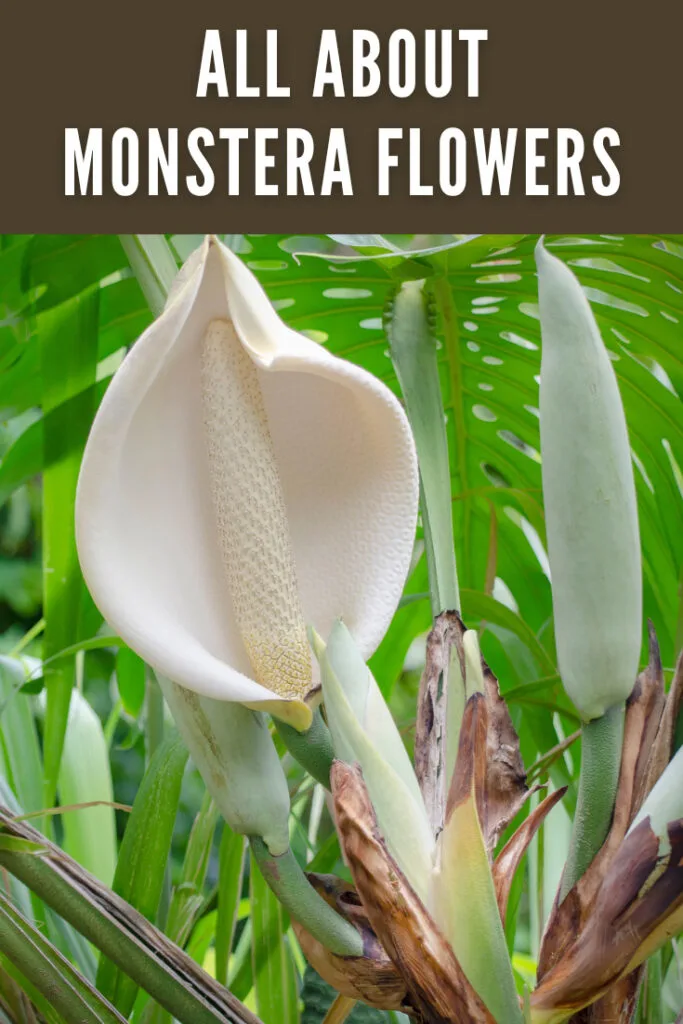
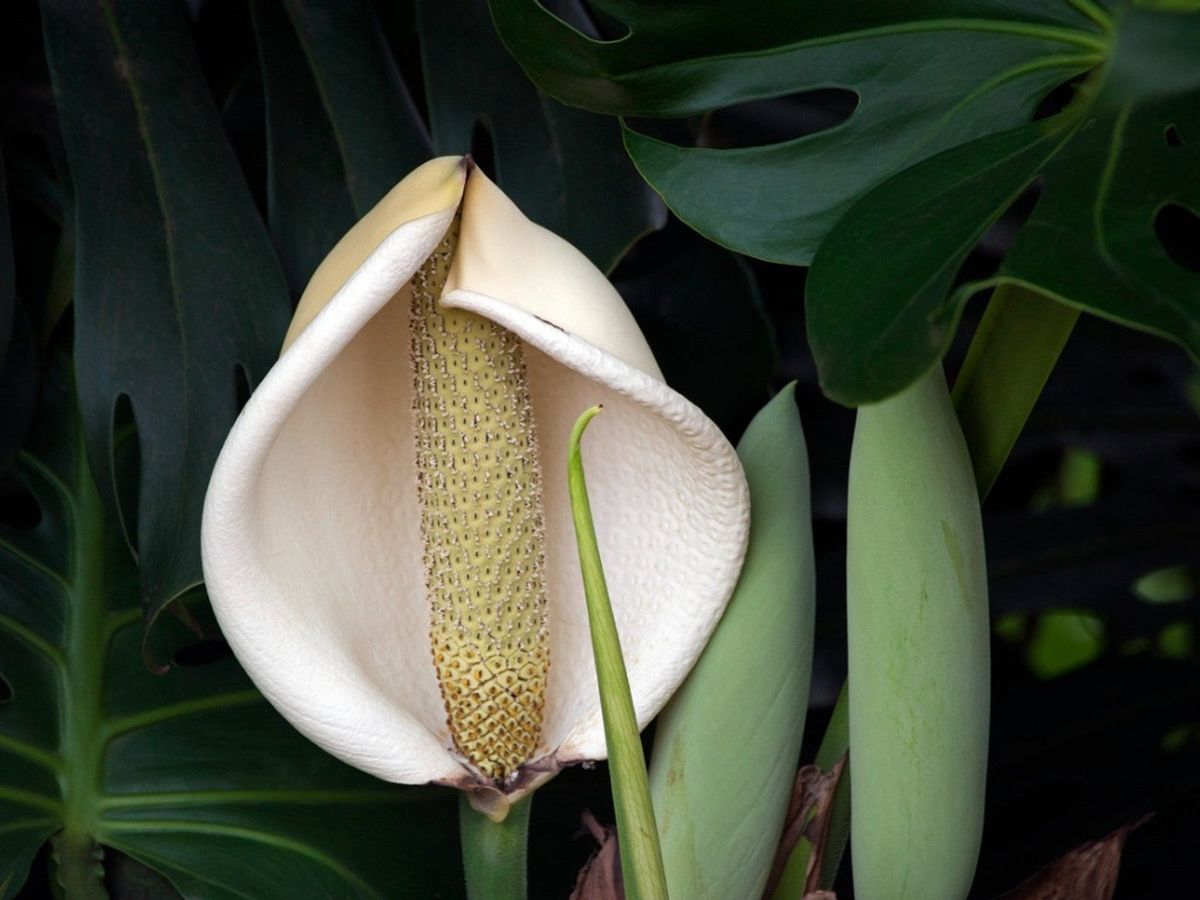
- Spathe Appearance: A white or light green sheath, called a spathe, surrounds the spadix.
By observing these signs, you can anticipate and enjoy the beautiful Monstera flowers. Happy gardening!
Environmental Factors
Environmental factors play a significant role in the flowering of a Monstera plant. Understanding these factors can help you create the best conditions for your plant to thrive and possibly produce flowers.
Light Requirements
Monstera plants need bright, indirect light for optimal growth. Direct sunlight can burn their leaves. Insufficient light can hinder their flowering. Place your Monstera near a window with filtered sunlight. This mimics their natural habitat under the forest canopy.
Optimal Temperature
Temperature also affects Monstera flowering. They thrive in temperatures between 65°F and 85°F. Temperatures below 50°F can stress the plant. This stress can prevent flowering. Keep your Monstera away from drafty windows and doors. Use a humidifier if the air is too dry.
Soil And Water Needs
Monstera plants are popular for their striking leaves and unique appearance. But for them to thrive, it is crucial to understand their soil and water needs. This section will guide you through the ideal soil conditions and proper watering techniques to keep your Monstera healthy and happy.
Ideal Soil Conditions
Monstera plants prefer well-draining soil. This type of soil helps prevent root rot, which can be a common issue. A good mix might include the following:
- 50% potting soil
- 30% perlite
- 20% orchid bark
This mix ensures the soil remains airy and retains the right amount of moisture. Avoid using heavy, clay-based soils. They do not allow for adequate drainage and can suffocate the roots.
Proper Watering Techniques
Watering your Monstera correctly is vital for its growth. Too much water can lead to root rot, while too little can cause the plant to wilt. Here are some tips:
- Check the top inch of soil. If it is dry, it’s time to water.
- Water thoroughly until water drains from the bottom.
- Allow the soil to dry out slightly between waterings.
During warmer months, you may need to water more frequently. In winter, reduce watering as the plant’s growth slows. Ensure the pot has drainage holes to prevent water from sitting at the bottom.
| Season | Watering Frequency |
|---|---|
| Spring/Summer | Once a week |
| Fall/Winter | Once every two weeks |
By paying attention to soil and water needs, your Monstera will thrive and grow beautifully.
Fertilization And Nutrition
Monstera plants are not just about their iconic leaves. They also need proper nutrition to thrive. Fertilization plays a key role in their growth and flowering. This section will guide you on the best practices for feeding your Monstera.
Best Fertilizers
Choosing the right fertilizer for your Monstera is crucial. Look for balanced fertilizers with equal parts nitrogen, phosphorus, and potassium. A 20-20-20 fertilizer is ideal. Organic options like compost or worm castings also work well. They provide slow-release nutrients and improve soil health.
Feeding Schedule
Stick to a regular feeding schedule for the best results. Fertilize your Monstera every four to six weeks during the growing season. This period is typically from spring to early fall. Reduce feeding in the winter months. The plant’s growth slows, and it needs less nutrition.
Over-fertilization can harm your Monstera. Always follow the instructions on the fertilizer package. Less is more when it comes to feeding. If unsure, it’s better to underfeed than to overfeed.

Common Challenges
Caring for Monstera plants can be rewarding, but several challenges may arise. These plants are native to tropical regions, so replicating their natural environment is crucial. Below, we address common issues like pests, diseases, and non-blooming.
Pests And Diseases
Pests and diseases can hinder your Monstera’s health. Common pests include spider mites, mealybugs, and scale insects. These pests can damage leaves and stunt growth.
- Spider mites: Tiny, red or yellow spots on leaves.
- Mealybugs: White, cotton-like clusters on plant parts.
- Scale insects: Hard, brown, or white bumps on stems or leaves.
Treat these pests using insecticidal soap or neem oil. Regularly inspect your plant to catch issues early.
Diseases also affect Monstera plants. Root rot is common, caused by overwatering. Fungal infections result in yellow leaves and brown spots. Ensure proper drainage and avoid waterlogging to prevent these issues.
Troubleshooting Non-blooming
Non-blooming is a frequent issue with Monstera plants. Several factors may contribute to this problem.
- Light: Monstera needs bright, indirect light. Too little light hinders blooming.
- Water: Consistent moisture is vital. Avoid letting the soil dry out completely.
- Humidity: These plants thrive in high humidity. Low humidity can inhibit blooms.
- Nutrients: Fertilize every month during growing season. Use a balanced, water-soluble fertilizer.
By addressing these factors, you can encourage your Monstera to bloom. Monitor your plant’s environment and adjust care routines as needed.
Propagation Techniques
Monstera plants are loved for their striking leaves and tropical vibe. Many plant enthusiasts wish to propagate them. This guide covers two effective propagation techniques for Monstera: stem cuttings and air layering.
Stem Cuttings
Stem cuttings are a popular and easy method to propagate Monstera. Follow these steps:
- Choose a healthy stem with at least one node.
- Use a sharp, sterile knife or scissors to cut below the node.
- Remove any leaves near the cut end.
- Place the cutting in water or moist soil.
- Ensure the node is submerged or covered.
- Place the cutting in indirect sunlight.
After a few weeks, roots should form. Once the roots are 2 inches long, you can transfer the cutting to soil.
Air Layering
Air layering is another technique to propagate Monstera. It involves rooting a branch while still attached to the parent plant. Here are the steps:
- Choose a healthy stem with a node.
- Make a small cut or remove a section of bark near the node.
- Apply rooting hormone to the cut area.
- Wrap the cut area with moist sphagnum moss.
- Cover the moss with plastic wrap, securing it with ties or tape.
- Check the moss regularly to keep it moist.
Roots should develop in a few weeks. Once you see roots through the moss, cut below the new roots and plant the new Monstera in soil.
Benefits Of Monstera Flowers
Monstera plants are famous for their large, split leaves. But did you know they also produce stunning flowers? These rare blooms offer more than just beauty. They bring several benefits that enhance both your home and garden.
Aesthetic Appeal
Monstera flowers are visually striking. Their unique shape and bright colors can transform any space. The flowers add a tropical touch to your home. They also create a focal point in your garden. Your guests will admire these rare blooms.
Cultural Significance
Monstera flowers hold cultural value in many societies. They symbolize respect and honor in some cultures. People use them in ceremonies and special events. In art, they often appear as symbols of beauty and elegance. Their presence can enrich your cultural experiences.
Frequently Asked Questions
How Often Do Monstera Plants Bloom?
Monstera plants rarely bloom indoors. They typically flower in their natural tropical habitat. It requires specific conditions to produce flowers.
What Conditions Do Monstera Need To Flower?
Monstera plants need bright, indirect light and high humidity. Consistent warm temperatures also encourage blooming.
How Can I Encourage Monstera To Flower?
To encourage flowering, provide optimal light, humidity, and warmth. Regular feeding with balanced fertilizer helps too.
What Do Monstera Flowers Look Like?
Monstera flowers are creamy white and resemble calla lilies. They have a spadix surrounded by a spathe.
Conclusion
Monstera plants rarely flower indoors, but it’s possible with care. They need the right conditions. Bright light. Humidity. Patience is key. Regular checkups can help. Healthy growth leads to blooms. Enjoy the journey with your Monstera. Each stage is rewarding.
Whether it flowers or not, it remains a stunning plant. Keep nurturing it. You might get lucky and see a bloom. Happy gardening!
Leave a Reply