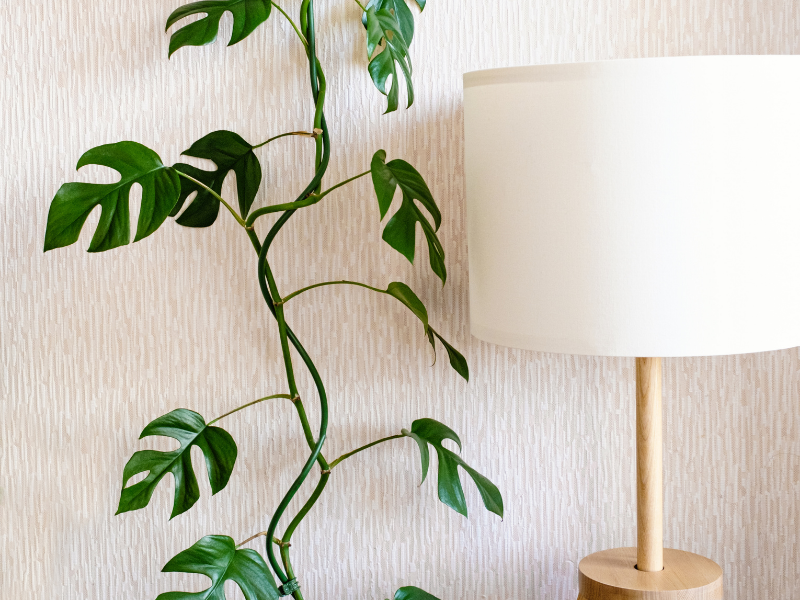
Monstera plants are popular for their striking leaves and easy care. But did you know some Monsteras climb?
Climbing Monsteras are unique and fascinating. They add a vertical element to your home decor. These plants use aerial roots to anchor onto supports. This helps them grow upwards and mimic their natural habitat. In the wild, they climb trees to reach light.
Indoors, they can climb poles or trellises. Understanding which Monsteras climb can help you choose the right one for your space. It also helps you provide the proper support for your plant. Ready to explore the world of climbing Monsteras? Let’s dive in!
Introduction To Monstera Plants
Monstera plants have become a favorite among houseplant enthusiasts. Their unique foliage and easy care make them a popular choice. Let’s dive into the world of Monstera plants and explore their climbing nature.
What Makes Monstera Unique
Monstera plants are known for their large, glossy leaves. These leaves often have unique splits and holes. This gives them a distinctive look. Monstera plants are climbers. They use aerial roots to attach to surfaces. This climbing ability adds to their charm.
Popular Monstera Varieties
Several Monstera varieties are popular among plant lovers. The Monstera deliciosa is the most well-known. It has large, split leaves and can grow very tall. Another popular variety is the Monstera adansonii. This one has smaller leaves with more holes. It is also known as the Swiss cheese plant. The Monstera obliqua is a rarer variety. It has very delicate, hole-filled leaves.
Benefits Of Climbing Monstera
The Monstera plant is known for its large, unique leaves and vigorous growth. When given the right support, these plants can climb, offering several benefits for both the plant and your space. In this section, we will explore the benefits of climbing Monstera plants under two main categories.
Aesthetic Appeal
A climbing Monstera creates a striking visual impact. The vertical growth allows the plant to showcase its beautiful, large leaves more effectively. This can transform an ordinary room into a lush, green haven. The unique holes and splits in the leaves, known as fenestrations, become more pronounced as the plant climbs. This adds an exotic touch to your decor.
Additionally, the climbing habit of the Monstera helps it to grow in a more natural form. When supported by a moss pole or trellis, the plant mimics its natural environment. This can make your indoor garden look more authentic and vibrant.
Space Efficiency
Supporting a Monstera to climb can help you save valuable floor space. By growing vertically, the plant takes up less horizontal space. This makes it an excellent choice for smaller rooms or apartments.
Here are some ways climbing Monstera can help with space efficiency:
- Vertical growth: Takes up less floor space.
- Wall mounting: Can be grown against walls.
- Multi-level decor: Adds greenery at different heights.
This efficient use of space allows you to enjoy a lush, green environment without sacrificing room for other furniture or activities.
Top Climbing Monstera Varieties
Monstera plants are popular houseplants known for their striking leaves and climbing ability. In this section, we explore the top climbing Monstera varieties. These varieties are ideal for indoor spaces and add a touch of tropical beauty to your home.
Monstera Deliciosa
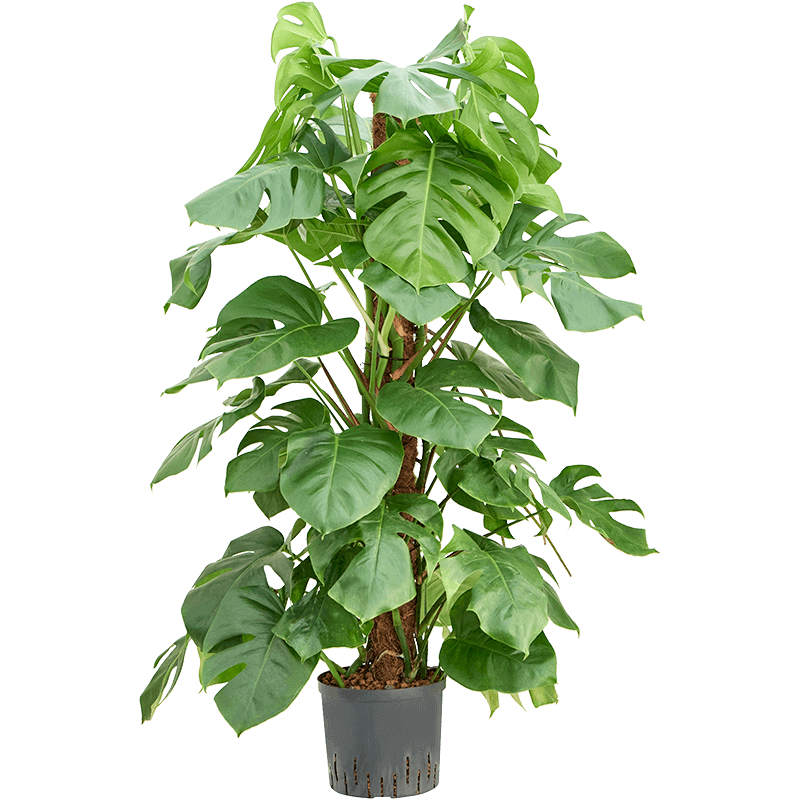
Monstera Deliciosa, also known as the Swiss Cheese Plant, is famous for its large, perforated leaves. This plant can grow impressively tall with proper support. It thrives in bright, indirect light and enjoys humid conditions. Use a moss pole or trellis to guide its growth. Regularly mist its leaves to maintain humidity levels.
Monstera Adansonii
Monstera Adansonii, often called the Swiss Cheese Vine, is smaller than Monstera Deliciosa. It features unique, hole-filled leaves that give it a distinct appearance. This variety is perfect for smaller spaces and enjoys climbing. Provide it with a trellis or hanging basket to climb. Ensure it receives bright, indirect light and moderate humidity.
Characteristics Of Climbing Monstera
Monstera plants are known for their unique appearance and climbing ability. Climbing Monstera species add a tropical touch to any space. They have distinct characteristics that set them apart from other plants.
Leaf Shape And Size
Climbing Monstera plants often have large, heart-shaped leaves. These leaves can grow up to 3 feet in length. The leaves usually have holes or splits, adding to their exotic look. The holes help the plant withstand strong winds. They also allow sunlight to reach lower leaves.
Growth Habits
These plants are natural climbers. They use aerial roots to anchor themselves to trees or structures. The roots help the plant to climb and reach sunlight. In indoor settings, they can climb on moss poles or trellises. Climbing Monstera grows quickly and can reach impressive heights. Regular pruning helps manage their size and shape.
Caring For Climbing Monstera
Climbing Monstera plants add beauty and greenery to any space. They are easy to care for if you know their needs. This guide will help you provide the best care for your climbing Monstera.
Optimal Light Conditions
Climbing Monstera plants thrive in bright, indirect light. Place them near a window with filtered sunlight. Avoid direct sunlight as it can scorch their leaves. If your space lacks natural light, consider using a grow light.
Watering Requirements
Water your climbing Monstera when the top inch of soil feels dry. Use room temperature water to avoid shocking the roots. Ensure the pot has drainage holes to prevent waterlogging. Overwatering can lead to root rot, so let the soil dry out between waterings.

Supporting Climbing Monstera
Supporting a climbing Monstera can enhance its growth and health. This plant naturally seeks to climb in its native habitat. So, providing proper support helps mimic its natural environment. Let’s dive into two effective methods.
Using Moss Poles
Moss poles provide excellent support for climbing Monstera plants. They mimic tree trunks, which Monsteras naturally climb. Insert the moss pole into the pot near the plant’s base. Gently tie the Monstera’s stems to the pole using plant ties. Ensure the ties are loose to avoid damaging the stems. Over time, the Monstera will attach itself to the moss pole. This encourages strong vertical growth.
Training Vines
Training vines is another great way to support your Monstera. Guide the vines to climb by wrapping them around the support. This could be a trellis, a stake, or even a wall. Use soft plant ties to secure the vines. Check regularly to ensure the ties are not too tight. As the plant grows, adjust the ties and supports. This helps the Monstera maintain a healthy and attractive shape.
Common Issues And Solutions
Monstera plants are popular for their unique, split leaves and climbing nature. They are relatively easy to care for, but they do come with their own set of challenges. In this section, we’ll explore some common issues you might face with Monstera plants and provide practical solutions.
Pest Control
Pests can be a significant issue for Monstera plants. Common pests include spider mites, aphids, and mealybugs. They can damage the leaves and stunt growth.
- Spider mites: These tiny pests create webbing on the leaves. To get rid of them, use a mixture of water and mild soap. Spray the solution on the plant and wipe the leaves gently.
- Aphids: These small, green insects gather on the new growth. You can remove them by spraying the plant with a strong jet of water or using insecticidal soap.
- Mealybugs: These pests look like small cotton balls. Dab them with a cotton swab dipped in rubbing alcohol.
Dealing With Overgrowth
Monstera plants can grow very quickly, leading to overgrowth. This can make the plant look untidy and crowded.
- Pruning: Regular pruning helps keep the plant in shape. Use clean, sharp scissors to cut back any long or unruly stems. Always cut just above a leaf node.
- Support: Monstera plants are natural climbers. Provide a moss pole or trellis for support. This encourages vertical growth and helps manage the plant’s size.
- Repotting: If the plant has outgrown its pot, repot it into a larger container. This gives the roots more space to grow and helps control the plant’s overall size.
By addressing these common issues, you can ensure your Monstera plant remains healthy and vibrant. Proper care and attention will result in a thriving, beautiful plant that enhances your living space.

Incorporating Monstera In Home Decor
Incorporating Monstera plants into your home decor adds a touch of nature’s charm. These climbing plants enhance the beauty of any room. They are easy to care for and can be a striking feature in your interior design. Let’s explore how to place them in different rooms for the best effect.
Living Room Ideas
Place your Monstera in a well-lit corner to create a focal point. A tall plant stand can elevate the plant, making it a centerpiece. You can also let it climb a wooden trellis or a moss pole. This adds vertical interest to the living room. Another idea is to use hanging planters. This works well if you have limited floor space. The trailing vines will cascade down, creating a lush, green curtain. Pair it with neutral-colored furniture. It makes the green leaves stand out more.
Bedroom Placement
Your bedroom can benefit from the calming presence of a Monstera. Place it near a window where it can get indirect sunlight. A small Monstera on a bedside table adds a touch of nature close to you. You can also let it climb a wall-mounted trellis. It creates a living headboard effect. Ensure the plant does not obstruct your movement or your light sources. A tall Monstera in a corner can also soften the room’s ambiance. It brings a sense of tranquility to your sleeping space.
Frequently Asked Questions
What Is A Climbing Monstera?
A climbing Monstera is a plant that grows vertically, using aerial roots. It often requires support, like a moss pole.
How To Support A Climbing Monstera?
Support your Monstera with a moss pole or trellis. This helps it grow vertically and stay healthy.
Do All Monstera Plants Climb?
Not all Monstera plants climb. Monstera deliciosa and Monstera adansonii are popular climbing varieties.
Why Do Monsteras Need Support?
Monsteras need support to grow upright and healthy. Supports mimic their natural growing conditions in the wild.
Conclusion
Choosing the right Monstera can be quite fun and rewarding. Monstera deliciosa and Monstera adansonii are great climbers. Both add beauty to your space. Provide them with a moss pole or trellis. Ensure they get enough light and water. With proper care, these plants thrive indoors.
Enjoy watching your Monstera climb and grow. Happy planting!
Leave a Reply