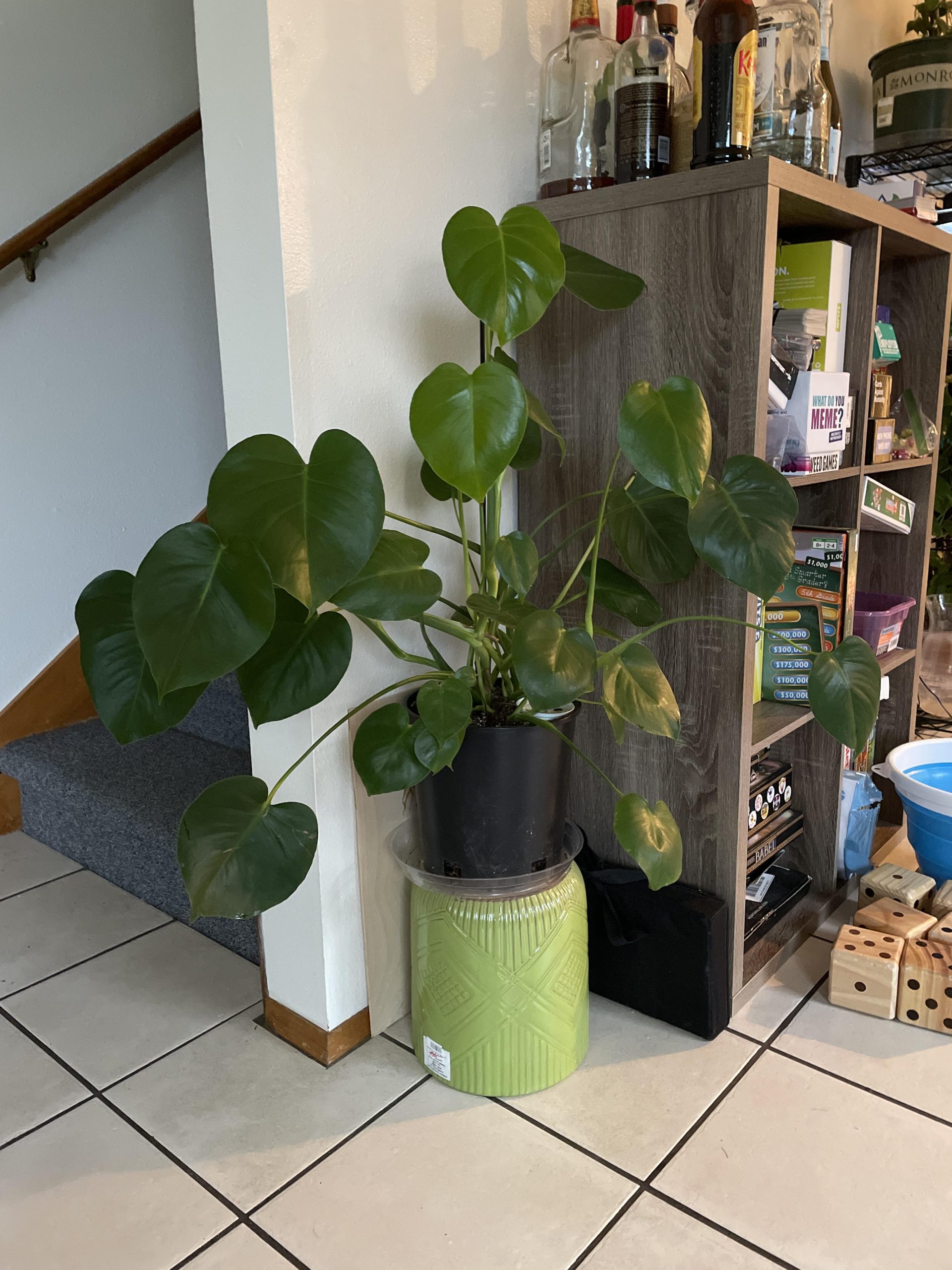
Is your Monstera plant not splitting its leaves? This common issue can be frustrating for plant lovers.
The Monstera, known for its unique, split leaves, adds a touch of the tropics to any home. But what happens when those characteristic splits don’t appear? Understanding why your Monstera isn’t splitting can help you address the problem and nurture your plant back to health.
Several factors could be at play, including light, water, and nutrients. In this blog, we’ll explore these potential issues and offer practical solutions. By the end, you’ll know how to encourage your Monstera to develop those beautiful, split leaves you’ve been hoping for. Ready to help your plant thrive? Let’s dive in!
Common Reasons For Lack Of Splits
Is your Monstera plant not showing those beautiful splits in its leaves? Several factors could be causing this. Understanding these common reasons can help you take the right steps to encourage leaf splitting.
Insufficient Light
Light is essential for Monstera plants. Without enough light, the plant can’t produce the energy it needs.
A Monstera needs bright, indirect sunlight. If it’s in a dim corner, it won’t split its leaves. Move the plant closer to a window or consider using a grow light.
Signs of insufficient light:
- Pale leaves
- Leggy growth
- Slow growth
Improper Watering
Watering issues can also prevent leaf splitting. Both overwatering and underwatering are harmful.
Check the soil moisture before watering. The top inch should be dry. Water thoroughly until it drains from the bottom. Avoid letting the plant sit in water.
Signs of improper watering:
- Yellow leaves
- Root rot
- Dry, crispy leaves
Humidity Levels
Humidity levels can impact leaf health. Monstera plants thrive in high humidity.
If your home is too dry, the leaves won’t split. Aim for humidity levels of 50-60%. Use a humidifier or place a tray of water near the plant.
Signs of low humidity:
- Brown leaf edges
- Leaf drop
- Slow growth
Nutrient Deficiency
Nutrients are vital for healthy leaf development. A lack of nutrients can hinder leaf splitting.
Use a balanced, water-soluble fertilizer every month during the growing season. Ensure the soil has enough potassium and magnesium.
Signs of nutrient deficiency:
- Yellowing leaves
- Stunted growth
- Weak stems
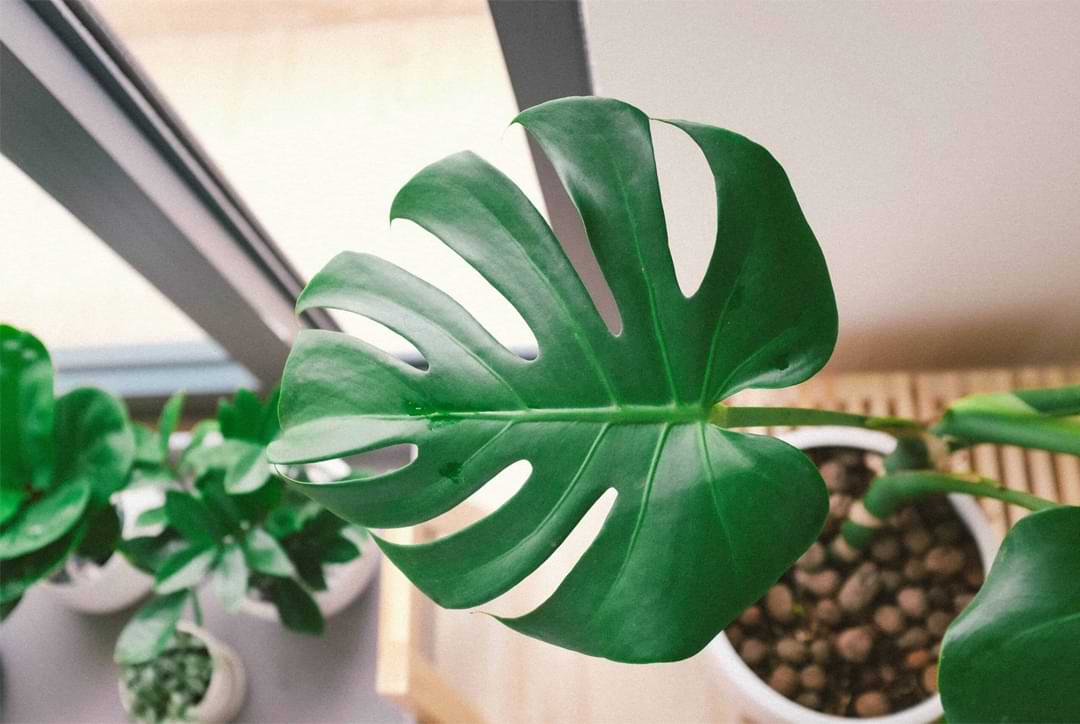
Ideal Light Conditions
Ensuring your Monstera plant thrives requires understanding its light needs. The right light can make a significant difference. It helps in the growth and development of the plant. Proper light conditions will help your Monstera to split its leaves beautifully.
Natural Light Needs
Monsteras love bright, indirect sunlight. Direct sunlight can burn their leaves. Place your Monstera near a north or east-facing window. This position provides ample light without the harshness. Use sheer curtains to diffuse intense sunlight. This prevents leaf damage and promotes healthy growth.
Artificial Lighting Options
If natural light is insufficient, consider artificial lighting. LED grow lights are a great choice. They mimic natural sunlight and provide the necessary spectrum. Position the lights about 12 inches above the plant. Ensure the light is on for 12-14 hours daily. This helps the Monstera get enough light to split its leaves.
Watering Best Practices
Keeping your Monstera healthy involves proper watering practices. Incorrect watering can prevent the leaves from splitting. Understanding how and when to water your plant is crucial.
Watering Frequency
Water your Monstera every 1-2 weeks. Check the top inch of soil first. If it feels dry, it’s time to water. Avoid letting the soil stay soggy. Overwatering can lead to root rot, which affects leaf health.
Water Quality
Use room temperature water for your Monstera. Avoid tap water high in chlorine or fluoride. These chemicals can harm the plant. Filtered or distilled water works best. Rainwater is also a great choice. Good water quality ensures healthy leaf growth and splitting.
Importance Of Humidity
Humidity plays a key role in the health of your Monstera plant. It helps the leaves to split and grow properly. Without the right humidity, your plant may struggle and show signs of stress. Ensuring proper humidity can make a significant difference in your Monstera’s growth.
Optimal Humidity Levels
Monsteras prefer a humidity level between 60% and 80%. This range mimics their natural environment. Lower humidity can lead to brown leaf edges. Higher levels can help the leaves split and grow larger.
Humidity-boosting Tips
Try using a humidifier near your Monstera. It can help maintain the right level of moisture in the air. Grouping plants together also increases humidity around them. Another tip is to place a tray of water near the plant. As the water evaporates, it adds moisture to the air. Misting the leaves regularly can also provide a temporary boost in humidity.
Soil And Nutrients
Understanding the role of soil and nutrients is crucial for your Monstera’s health. Proper soil and the right nutrients ensure your plant thrives and develops those beautiful splits in its leaves. Let’s explore how to choose the right soil and provide essential fertilization tips.
Choosing The Right Soil
Choosing the right soil mix is vital for a healthy Monstera. Monsteras prefer a soil that is well-draining yet retains some moisture. You can use a mix of potting soil, peat moss, and perlite. This combination ensures good drainage while retaining enough moisture.
Here is a simple table to guide you:
| Component | Ratio |
|---|---|
| Potting Soil | 2 parts |
| Peat Moss | 1 part |
| Perlite | 1 part |
This mix provides a balance of moisture retention and aeration. Avoid heavy soils that retain too much water. They can cause root rot, which is detrimental to your Monstera.
Fertilization Tips
Fertilization is key for your Monstera’s growth. Use a balanced, water-soluble fertilizer. Apply it every 4-6 weeks during the growing season (spring and summer). Reduce fertilization to once every 2-3 months in the fall and winter.
Here are some tips for fertilizing:
- Use a 20-20-20 NPK fertilizer for balanced nutrients.
- Always dilute the fertilizer to half-strength to avoid burning the roots.
- Water the plant before fertilizing to prevent root damage.
Over-fertilizing can harm your plant. Watch for signs like brown leaf tips or yellowing leaves. These are indicators of too much fertilizer.
By following these tips on soil and nutrients, your Monstera will have the best chance to flourish and develop those iconic split leaves.
Proper Pruning Techniques
Pruning your Monstera plant helps it grow strong and healthy. It also encourages beautiful splits in the leaves. Knowing the right techniques is crucial for success.
When To Prune
Prune your Monstera during its growing season. This is typically in spring and summer. Avoid pruning in the dormant winter months. This ensures the plant can recover well. Look for signs your Monstera needs pruning:
- Overgrown or leggy stems
- Yellowing or dead leaves
- Unwanted direction of growth
How To Prune
Follow these steps for proper pruning:
- Gather Your Tools: Use clean, sharp pruning shears or scissors.
- Identify the Parts to Prune: Focus on damaged, dead, or overgrown stems.
- Make Clean Cuts: Cut just above a leaf node or main stem. This encourages new growth.
- Remove Dead Leaves: Dispose of dead or yellow leaves to keep the plant healthy.
- Control the Size: Trim back leggy stems to control the plant’s size and shape.
Remember to sanitize your tools before and after pruning. This prevents disease spread. Regular pruning helps your Monstera thrive.
Pest And Disease Management
Keeping your Monstera plant healthy involves dealing with pests and diseases. These can hinder its growth and stop leaves from splitting. Here, we discuss how to handle common pests and prevent diseases.
Common Pests
Monstera plants can attract various pests. These pests damage the leaves and stem. Here are some common ones:
- Spider Mites: Tiny and hard to see. They create webbing on the plant.
- Mealybugs: Small, white, and fluffy insects. They gather on leaves and stems.
- Aphids: Green or black insects. They suck the sap from the plant.
- Scale: Brown or black bumps on stems. They are hard to remove.
To control these pests, use insecticidal soap or neem oil. Spray the affected areas. Regularly check your plant for signs of pests.
Disease Prevention
Diseases can also affect your Monstera’s health. They can cause leaves not to split properly. Here are some common diseases:
- Root Rot: Caused by overwatering. Roots become mushy and black.
- Leaf Spot: Brown or black spots on leaves. Often due to fungal infection.
- Powdery Mildew: White powder on leaves. Caused by high humidity.
To prevent diseases, ensure proper watering. Let the soil dry out between waterings. Avoid getting the leaves wet. Improve air circulation around the plant.
Use a fungicide if you notice signs of infection. Remove affected leaves to prevent spread.
Monitoring Plant Health
Maintaining the health of your Monstera is crucial for its growth. Regular monitoring helps you spot issues early. Healthy Monsteras produce those iconic split leaves. Let’s dive into the signs of a healthy Monstera and how to identify stress symptoms.
Signs Of A Healthy Monstera
A healthy Monstera displays vibrant green leaves. These leaves should be firm and glossy. New leaves should show signs of splitting as they mature. Healthy roots are white and firm. Look for steady growth and new leaves appearing regularly.
| Healthy Signs | Description |
|---|---|
| Leaf Color | Deep green, glossy appearance |
| Leaf Texture | Firm and not droopy |
| Root Health | White and firm |
| Growth Rate | Consistent new leaves |
Identifying Stress Symptoms
Stress symptoms in Monsteras can appear in various forms. Yellowing leaves often indicate overwatering or poor drainage. Brown, crispy edges suggest low humidity or too much direct sunlight. If the plant is not growing, it could be root-bound. Droopy leaves may signal underwatering or a need for more light.
- Yellow Leaves: Overwatering or poor drainage
- Brown Edges: Low humidity or excessive direct sunlight
- Stunted Growth: Possible root-bound condition
- Droopy Leaves: Underwatering or insufficient light
Proper care and attention will ensure your Monstera thrives. Monitor its health regularly to enjoy those beautiful split leaves.

Frequently Asked Questions
Why Isn’t My Monstera Splitting?
Monstera leaves may not split due to low light. Ensure your plant receives bright, indirect sunlight. Additionally, proper watering and humidity are crucial for leaf development.
How Do You Encourage Monstera Leaf Splits?
To encourage splits, provide ample bright, indirect sunlight. Maintain consistent watering and high humidity levels. Regularly clean leaves to ensure efficient photosynthesis.
Does Monstera Need Direct Sunlight To Split?
No, direct sunlight can harm Monsteras. They thrive in bright, indirect light. Too much direct sunlight can scorch their leaves.
How Often Should I Water My Monstera?
Water your Monstera when the top inch of soil is dry. Overwatering can lead to root rot, hindering leaf splits.
Conclusion
Caring for a Monstera can be simple. Ensure it gets the right light. Water it properly and check the humidity. Healthy soil is crucial for growth. Patience is key when waiting for splits. Implement these tips, and you should see improvement soon.
Keep observing and adjusting care routines. Your Monstera will reward you with beautiful, split leaves. Happy gardening!
Leave a Reply