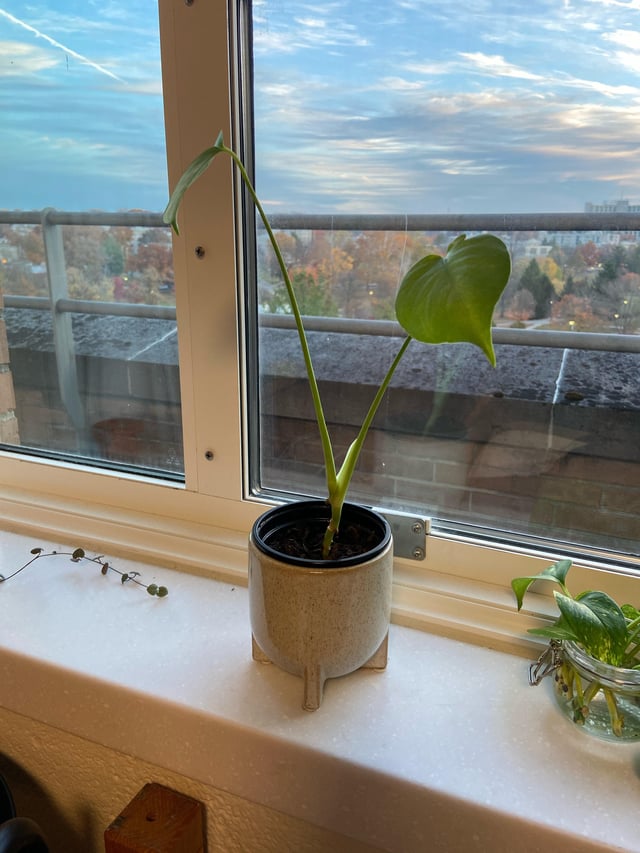
Is your Monstera plant refusing to grow? You’re not alone.
Many plant enthusiasts face this challenge. Monstera plants, known for their stunning leaves, can sometimes be tricky. Growth issues can arise from several factors. Incorrect light, poor soil, or improper watering can all play a role. Understanding these factors is key to helping your Monstera thrive.
This blog will guide you through common problems and solutions. By the end, you’ll be equipped to help your Monstera flourish. Stay with us to uncover practical tips and insights. Let’s dive into the world of Monstera care and get your plant back on track!
Common Growth Issues
Monstera plants are loved for their unique leaves and easy care. Sometimes, they show signs of poor growth. Understanding common growth issues can help your Monstera thrive.
Yellowing Leaves
Yellow leaves on a Monstera can signal several problems. Overwatering is a frequent cause. When roots sit in water, they can’t breathe. This leads to root rot and yellow leaves.
Underwatering is another issue. When a Monstera doesn’t get enough water, its leaves turn yellow. Check the soil moisture. Water when the top inch is dry.
Yellow leaves can also mean nutrient deficiencies. If the soil lacks essential nutrients, the plant will struggle. Use a balanced fertilizer once a month during the growing season.
Stunted Growth
Stunted growth in Monsteras can be frustrating. Poor lighting is a common cause. Monsteras need bright, indirect light. Without enough light, they can’t grow well.
Temperature stress can also slow growth. Monsteras prefer temperatures between 65-85°F. Extreme cold or heat can stunt their growth.
Another reason for stunted growth is a small pot. Monsteras need space to spread their roots. If the roots are cramped, the plant can’t grow properly. Repot your Monstera every two years to ensure it has enough room.
Lastly, pests like spider mites can harm your Monstera. These pests suck the plant’s sap, weakening it. Regularly check for pests and treat them promptly.

Ideal Light Conditions
Monstera plants are popular houseplants known for their large, unique leaves. But sometimes, they don’t grow as expected. Ensuring the right light conditions is crucial for their growth. Without proper light, your Monstera might struggle. Let’s explore the ideal light conditions.
Natural Light
Monstera plants thrive in bright, indirect light. Direct sunlight can burn their leaves. Place them near a window with filtered sunlight. East or west-facing windows work best. Avoid placing them in dark corners. Insufficient light can stunt their growth.
Artificial Lighting
If natural light is scarce, use artificial lighting. Fluorescent lights can help your Monstera grow. Position the lights about 12 inches above the plant. LED grow lights are also effective. Ensure the lights are on for about 12-16 hours a day. This mimics natural daylight and supports healthy growth.
Watering Needs
Proper watering is essential for your Monstera plant’s growth. Too much or too little water can hinder its development. Understanding the right techniques and signs of overwatering can help your Monstera thrive.
Proper Watering Techniques
Watering your Monstera correctly can make a big difference. Follow these steps to ensure your plant gets the right amount of water:
- Use room-temperature water to avoid shocking the roots.
- Water your Monstera deeply, allowing excess water to drain out.
- Let the top 1-2 inches of soil dry out before watering again.
- Use a pot with drainage holes to prevent waterlogging.
Avoid watering on a set schedule. Instead, check the soil moisture regularly. This ensures you water your Monstera only when needed.
Signs Of Overwatering
Overwatering can cause serious issues for your Monstera. Watch for these signs to prevent damage:
| Signs | Description |
|---|---|
| Yellowing Leaves | Leaves turn yellow due to excessive moisture. |
| Wilting | The plant appears wilted despite having wet soil. |
| Root Rot | Roots become mushy and brown, leading to plant decline. |
| Mold Growth | Mold appears on the soil surface due to constant dampness. |
If you see these signs, reduce watering immediately. Allow the soil to dry out before the next watering session. This helps prevent further damage and promotes healthier growth.
Soil Requirements
Monstera plants thrive best in the right soil. Without it, growth slows down. The correct soil mix ensures proper drainage and nutrient supply. Let’s explore the best soil types and necessary amendments for your Monstera.
Best Soil Types
Monstera plants prefer well-draining soil. A mix with peat moss and perlite works well. This combination keeps the soil airy and prevents waterlogging. An orchid mix can also be effective. It provides good drainage and aeration.
Soil Amendments
Adding soil amendments can improve your Monstera’s growth. Compost is a great option. It enriches the soil with essential nutrients. Worm castings can boost soil health too. They add beneficial microbes and improve soil structure. You might also consider using coconut coir. It retains moisture while ensuring good drainage. A handful of sand can help with drainage issues. Just be sure to mix it well with the soil.
Fertilizing Tips
Struggling to get your Monstera to grow? Proper fertilization might be the key. Fertilizing helps provide the essential nutrients your plant needs to thrive. Without it, your Monstera may not grow as expected. Below are some valuable tips to help you fertilize your Monstera effectively.
Choosing The Right Fertilizer
Selecting the right fertilizer is crucial. A balanced, water-soluble fertilizer works best for Monsteras. Look for fertilizers with a balanced ratio, such as 20-20-20. This ensures your plant gets equal parts nitrogen, phosphorus, and potassium. Organic options are also beneficial. They improve soil health and are gentle on your plant.
Avoid high-nitrogen fertilizers. They can lead to excessive leaf growth and weak stems. Instead, choose a fertilizer with micronutrients. These include iron, magnesium, and calcium. These nutrients support overall plant health and growth.
| Fertilizer Type | Benefits |
|---|---|
| Balanced 20-20-20 | Even nutrient distribution |
| Organic | Improves soil health |
| Micronutrient-rich | Supports overall plant health |
Fertilizing Schedule
Timing is everything. Fertilize your Monstera during its growing season. This typically spans from spring to early fall. During this period, fertilize every 4 to 6 weeks. This consistent schedule helps maintain steady growth.
In the winter months, reduce fertilization. The plant’s growth slows, and it needs fewer nutrients. Fertilize once every 8 to 10 weeks during this time.
Over-fertilizing can harm your plant. It can cause root burn and nutrient imbalance. Stick to the recommended schedule and dosage. Always follow the instructions on the fertilizer package.
- Spring to Fall: Every 4-6 weeks
- Winter: Every 8-10 weeks
Remember, consistency is key. By following these fertilizing tips, you’ll support your Monstera’s growth and health. Happy planting!
Temperature And Humidity
Ensuring your Monstera thrives involves maintaining the right temperature and humidity. These two factors play a crucial role in the plant’s growth. Understanding the optimal conditions can make a significant difference. Let’s dive into the specifics.
Optimal Temperature Range
Monsteras prefer a warm and stable environment. The ideal temperature range for Monstera growth is between 65°F and 85°F (18°C to 29°C). Temperatures below 50°F (10°C) can stress the plant, slowing its growth. On the other hand, extreme heat above 90°F (32°C) may cause the leaves to wilt.
| Temperature | Effect on Monstera |
|---|---|
| 65°F to 85°F (18°C to 29°C) | Optimal Growth |
| Below 50°F (10°C) | Stress and Slow Growth |
| Above 90°F (32°C) | Wilting Leaves |
Maintaining Proper Humidity
Humidity levels significantly affect Monstera plants. Monsteras thrive in environments with moderate to high humidity. Aim for humidity levels between 60% to 80%.
Low humidity levels can cause the edges of the leaves to brown. Use a humidifier or place a tray with water near the plant to increase humidity. You can also mist the leaves regularly to maintain moisture.
- Place a humidifier in the room.
- Use a water tray near the plant.
- Mist the leaves regularly.
Monitoring and adjusting humidity levels can prevent potential issues. Keep your Monstera happy and healthy with the right environment.
Pruning And Training
Proper pruning and training are essential for the healthy growth of your Monstera plant. These techniques help manage the plant’s size, shape, and overall health. Regular pruning removes dead or damaged leaves, while training guides the plant’s growth direction. Let’s explore these techniques in detail.
When To Prune
Pruning your Monstera at the right time is crucial. The best time to prune is during the spring and summer months. During these seasons, the plant is actively growing and can recover quickly from cuts. Use clean, sharp scissors or pruning shears to make clean cuts.
- Inspect the plant for dead or yellowing leaves.
- Remove damaged or diseased leaves first.
- Cut back leggy stems to encourage bushier growth.
Training Techniques
Training your Monstera helps it grow in the desired direction. This can be done using stakes, trellises, or moss poles. These supports help the plant climb and develop large, healthy leaves.
- Place a moss pole in the pot for the plant to climb.
- Use garden ties to secure the stems to the support.
- Adjust ties as the plant grows to maintain its shape.
Regularly check the ties and supports. Ensure they do not damage the stems. Training helps the Monstera grow strong and healthy, creating an attractive indoor plant.
Dealing With Pests
Pests can cause your Monstera to stop growing. Look for common pests like spider mites and aphids. Treat infestations promptly with natural remedies.
Pests can be a major issue for your Monstera plant. They can cause stunted growth, yellow leaves, and even plant death. Understanding common pests and using natural pest control methods can save your plant.Common Pests
Spider mites are tiny and hard to see. They suck sap from the plant, causing yellow spots. Aphids are small, soft-bodied insects that gather on new growth. They can cause leaves to curl and stunt growth. Mealybugs look like tiny cotton balls. They hide under leaves and in leaf joints, sucking plant sap.Natural Pest Control
Neem oil is a natural pesticide. Mix it with water and spray on the plant. It kills pests and prevents new infestations. Insecticidal soap is another option. Spray it on affected areas to kill pests. You can also use a mix of water and dish soap. This can kill pests without harming the plant. Introduce beneficial insects like ladybugs. They eat harmful pests and keep your Monstera safe. You can also wipe leaves with a damp cloth. This removes pests and their eggs. Always check the undersides of leaves. Regularly inspect your plant. Early detection helps control pests before they spread. Keep your Monstera healthy. A strong plant can resist pests better than a weak one. “`
Frequently Asked Questions
Why Is My Monstera Not Growing?
Monstera plants need the right conditions to thrive. Ensure it’s getting indirect sunlight, proper watering, and good drainage. Check for pests and ensure the temperature is optimal.
How Often Should I Water My Monstera?
Water your Monstera when the top inch of soil feels dry. Overwatering can cause root rot. Ensure the pot has drainage holes.
What Kind Of Soil Is Best For Monstera?
Monstera plants thrive in well-draining potting soil. A mix of peat moss, perlite, and orchid bark works well. This ensures proper aeration and moisture retention.
Does Monstera Need Fertilizer To Grow?
Yes, fertilize Monstera during the growing season. Use a balanced liquid fertilizer every 4-6 weeks. Avoid over-fertilizing, as it can damage the plant.
Conclusion
Caring for a Monstera requires patience and attention. Ensure adequate light, water, and humidity. Check for pests and consider repotting if needed. Regularly prune to encourage growth. Don’t over-fertilize; balance is key. Your Monstera can thrive with proper care. Remember, healthy plants take time to grow.
Keep observing and adjusting care routines. Soon, you’ll see new leaves unfold. Happy gardening!
Leave a Reply