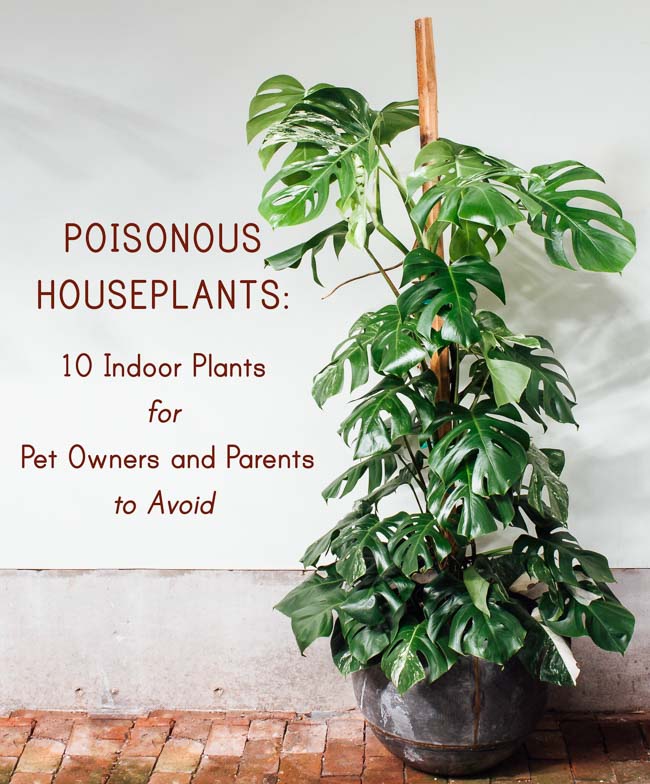
Yes, Monstera plants are toxic to pets and humans if ingested. The plant contains calcium oxalate crystals, which can cause discomfort.
Monstera plants are popular for their unique, beautiful leaves. Many people love having them as houseplants. But, if you have pets or small children, you need to be cautious. These plants can cause issues if chewed or swallowed. Symptoms include irritation, swelling, and pain.
Knowing the risks helps you keep your home safe. In this blog, we will explore the toxicity of Monstera plants. We will also share tips on how to enjoy them safely.

Introduction To Monstera
Monstera plants, known for their striking leaves, can be toxic to pets and humans if ingested. They contain calcium oxalates that cause irritation.
The Monstera plant is a favorite among plant lovers. Its distinctive, split leaves add a touch of the tropics to any space. The Monstera is known for its dramatic foliage and unique structure. People often refer to it as the “Swiss Cheese Plant.” Monstera plants are native to Central America. They thrive in warm, humid environments. These plants are easy to care for, making them ideal for beginners. They can grow both indoors and outdoors, adapting well to different conditions.Plant Characteristics
Monstera plants have large, glossy leaves. These leaves have natural holes and splits. This feature helps them survive strong winds in their native habitat. The plant can grow quite tall, reaching up to 10 feet indoors. Outdoors, it can grow even taller. The Monstera’s aerial roots help it climb. These roots absorb moisture from the air. The plant also produces a unique fruit. This fruit is edible but takes a long time to ripen.Popularity In Homes
Monstera plants are popular in homes worldwide. Their striking appearance adds beauty to any room. Many people use them as statement pieces. The plant’s easy care also attracts busy individuals. Interior designers love using Monstera plants. They fit well with modern and traditional decor. Social media has also boosted their popularity. Many influencers and celebrities showcase Monstera plants in their homes. This trend has made the plant even more desirable. “`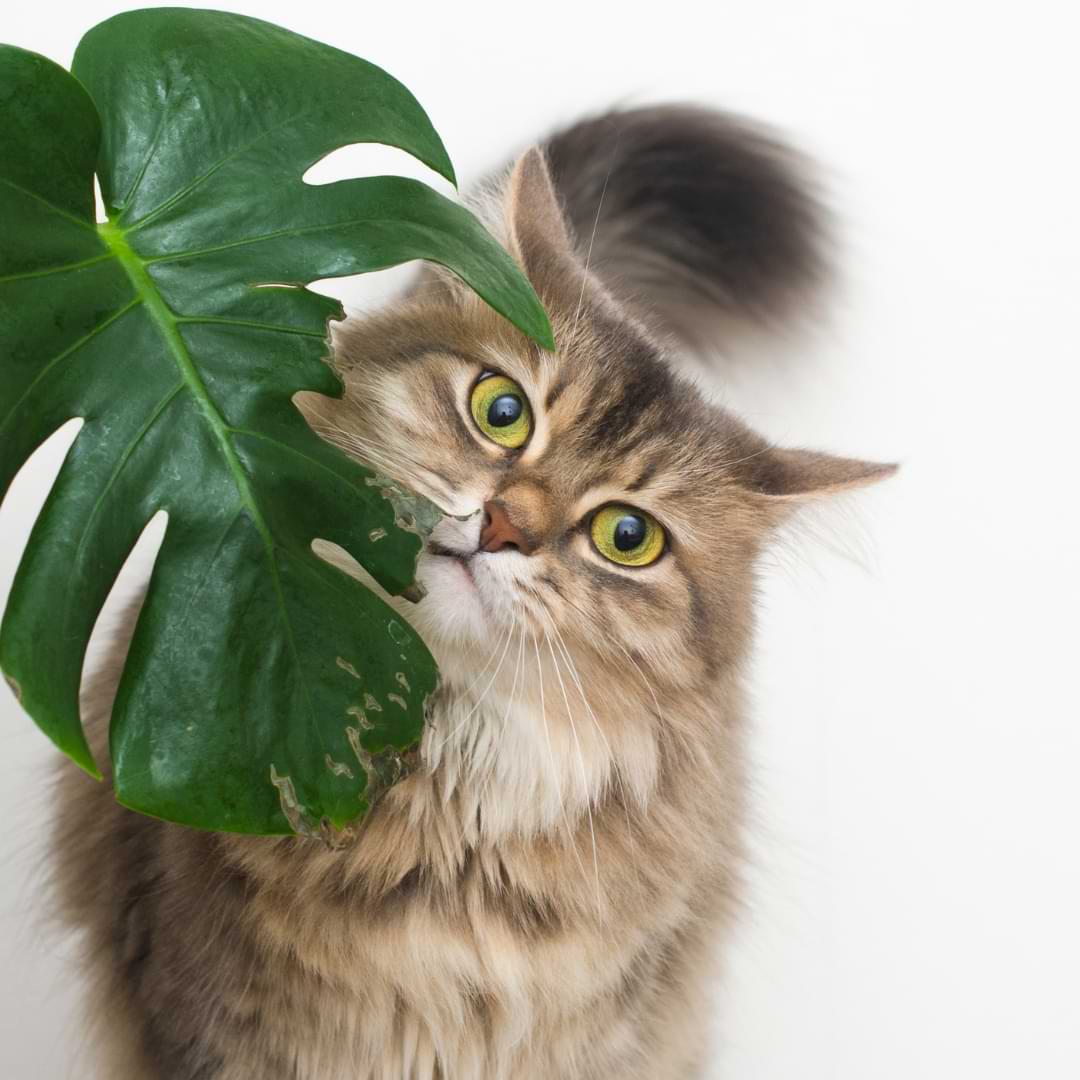
Toxic Components Of Monstera
Monstera plants contain calcium oxalate crystals, which are toxic to pets and humans. Ingesting parts of the plant can cause irritation and swelling. Handle with care.
Monstera plants, with their large, unique leaves, attract many plant lovers. But they can be dangerous. These plants contain harmful substances. It is important to know the toxic components of Monstera.Calcium Oxalate Crystals
Monstera plants have calcium oxalate crystals. These are needle-like structures. They are very sharp and can cause irritation. The crystals are found in all parts of the plant.Effects On Humans
Contact with these crystals can cause skin irritation. If ingested, they can cause more harm. Symptoms include burning in the mouth, throat, and stomach. Swelling and difficulty breathing may also occur. Seek medical help if symptoms are severe. “`Symptoms Of Monstera Poisoning
Monstera plants are popular for their large, attractive leaves. But, they can be toxic to humans and pets. Knowing the symptoms of Monstera poisoning is important. This helps in taking quick action if someone gets exposed. Here, we discuss the signs of poisoning through ingestion and skin contact.
Ingestion Symptoms
Ingesting parts of the Monstera plant can lead to several symptoms. These symptoms can vary in severity. Here are some common signs:
- Burning sensation in the mouth and throat
- Swelling of the lips, tongue, and throat
- Difficulty swallowing or speaking
- Nausea and vomiting
- Diarrhea
If someone shows these symptoms, seek medical help. Do not wait for symptoms to worsen.
Skin Contact Symptoms
Contact with Monstera sap can irritate the skin. Here are common symptoms of skin contact:
- Redness and itching
- Swelling of the affected area
- Blisters or rashes
- Burning sensation on the skin
Wash the affected area with soap and water. If the symptoms persist, consult a doctor.
First Aid For Monstera Exposure
Monstera plants are popular houseplants known for their striking leaves. However, they can be toxic if ingested or if they come into contact with skin. Knowing first aid measures can help reduce the impact of exposure.
Immediate Steps
If someone has ingested part of a Monstera plant, rinse their mouth with water. Avoid inducing vomiting. Give them some milk or water to drink.
For skin contact, wash the area with soap and water. Remove any plant material from the skin.
If the plant’s sap gets into the eyes, rinse them with clean water for at least 15 minutes. Avoid rubbing the eyes.
When To Seek Medical Help
Seek medical help if the person experiences severe symptoms. Look for symptoms such as:
- Difficulty breathing
- Severe swelling
- Persistent pain
- Blurred vision
Call your local poison control center for advice. They can guide you on the next steps.
In case of severe reactions, go to the nearest emergency room.
Monstera And Pets
Monstera plants are popular for their striking, split leaves. They add a touch of the jungle to any home. But if you have pets, you might wonder if these plants are safe. Cats and dogs can be curious about houseplants. It’s important to know the risks and how to keep your furry friends safe.
Risks For Cats And Dogs
Monstera plants contain calcium oxalates. These are tiny, sharp crystals. If ingested, they can cause discomfort. Pets may experience drooling, mouth irritation, or swelling. In severe cases, it can lead to difficulty swallowing. Cats and dogs might also vomit or show signs of distress.
Watch out for symptoms like pawing at the mouth. Pets might avoid eating or drinking. Keep an eye on their behavior. If you suspect your pet has eaten Monstera, contact your vet immediately.
Preventive Measures
Place your Monstera plant out of reach. High shelves or hanging planters work well. Train your pets to avoid plants. Use deterrents like citrus peels or pet-safe sprays. These can keep pets away from your Monstera.
Create a pet-friendly zone with safe plants. Offer alternatives like cat grass or chew toys. Supervise your pets when they are near plants. Regularly check for signs of nibbling or damage.
Educate family members and guests about the risks. Make sure everyone knows to keep pets away from Monstera. Your pet’s safety depends on consistent habits.
Safe Handling Practices
Monstera plants are beautiful but can be toxic if not handled properly. Safe handling practices help avoid unwanted reactions. Follow these guidelines to enjoy your Monstera safely.
Protective Gear
Wear gloves when handling Monstera plants. This prevents skin irritation. The plant’s sap can cause reactions. Gloves provide a barrier. Choose gloves that fit well. This ensures dexterity while handling the plant.
Proper Plant Placement
Place your Monstera in a spot away from pets and children. The plant’s leaves and sap are toxic if ingested. High shelves or hanging baskets work well. Ensure the plant receives indirect sunlight. This helps it thrive without risking safety.
Child Safety And Monstera
Monstera plants are popular for their unique leaves and easy care. Yet, many parents worry about their toxicity. Ensuring child safety around these plants is crucial. This section addresses how to create a safe environment and educate children about Monstera plants.
Creating A Safe Environment
Creating a safe environment is essential. Place Monstera plants out of reach. Use high shelves or hanging planters. This keeps them away from curious hands.
- Place plants on high shelves.
- Use hanging planters.
- Ensure the plant is stable and secure.
Always supervise young children around plants. This helps prevent accidental ingestion. Be vigilant during playtime and exploration.
Educating Children
Educate children about the potential dangers of Monstera plants. Use simple language. Explain that some plants can make them sick.
- Teach them not to touch or eat plants.
- Show them which plants are off-limits.
- Use stories or games to make learning fun.
Reinforce the message regularly. Consistency helps children remember. Use positive reinforcement when they follow instructions.
| Age Group | Safety Tips |
|---|---|
| 0-2 years | Keep all plants out of reach. |
| 3-5 years | Start teaching them about plant safety. |
| 6+ years | Involve them in plant care with supervision. |
Ensuring child safety around Monstera plants involves vigilance and education. With these steps, you can create a safe and enjoyable environment for your children and your plants.
Alternative Non-toxic Plants
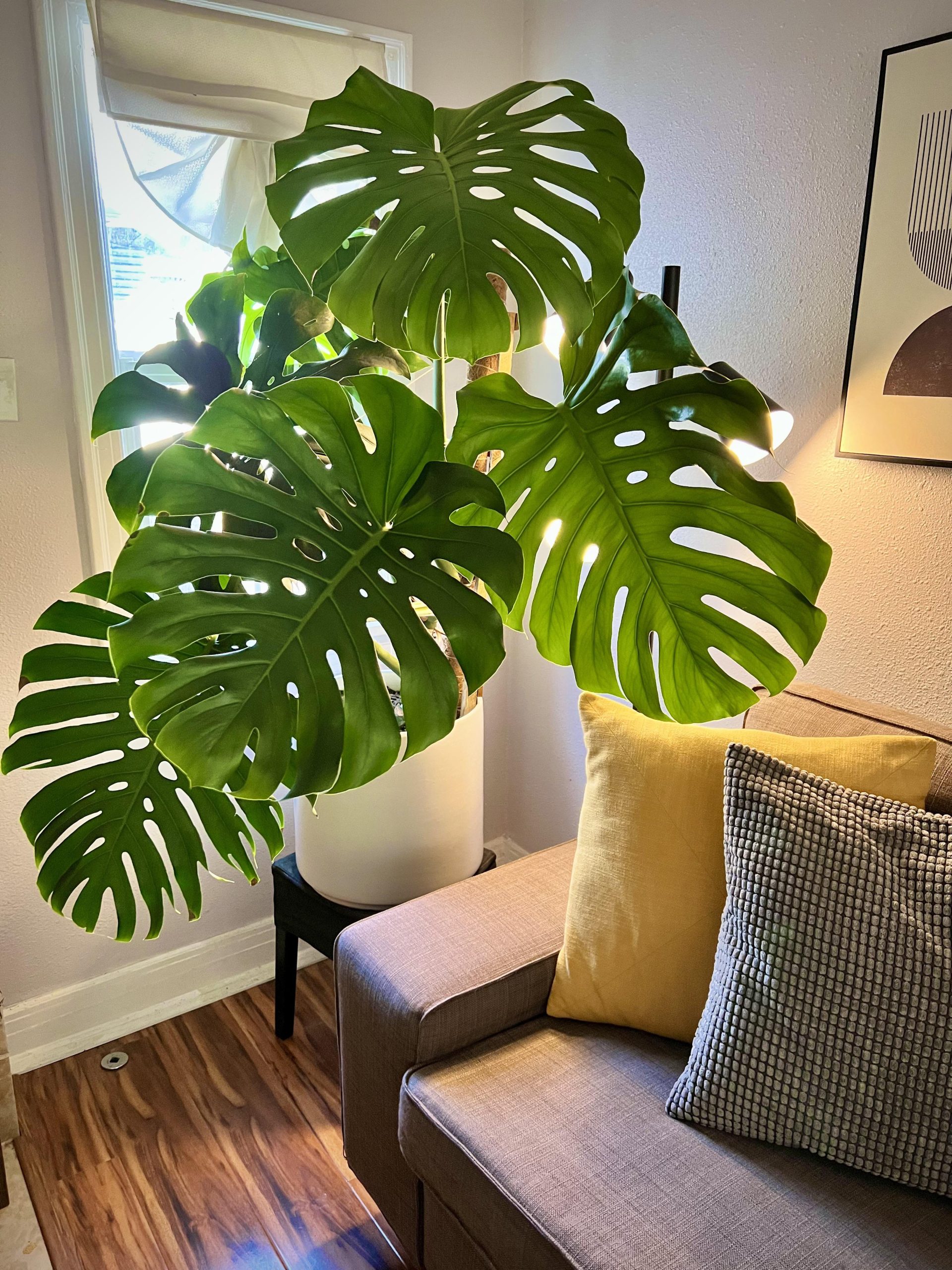
Monstera plants may be toxic to pets and children. Many people seek non-toxic alternatives. Luckily, there are several beautiful, safe plants to consider. These plants can enhance your home without the worry of toxicity.
Pet-friendly Options
Pets often chew on plants. Choosing pet-friendly plants is essential. Spider plants are an excellent choice. They are safe and easy to care for. Another option is the Boston fern. It adds greenery and is non-toxic.
Child-friendly Choices
Children are curious and explore with their hands and mouths. Child-friendly plants ensure safety. The Areca palm is a great option. It is non-toxic and visually appealing. Another safe plant is the Parlor palm. It grows well indoors and is safe for children.
Frequently Asked Questions
Is Monstera Toxic To Pets?
Yes, Monstera plants are toxic to pets. They contain calcium oxalates which can cause irritation and swelling in the mouth and throat of cats and dogs.
Can Monstera Harm Humans?
Monstera plants can irritate humans if ingested. Their sap may cause skin irritation. Always handle with care and keep out of reach of children.
What Are Monstera Poisoning Symptoms?
Symptoms of Monstera poisoning include drooling, vomiting, difficulty swallowing, and swelling of the mouth and throat. Seek medical attention immediately if symptoms occur.
How To Treat Monstera Poisoning?
If Monstera poisoning occurs, rinse the mouth with water and seek medical or veterinary attention. Do not induce vomiting without professional advice.
Conclusion
Monstera plants add beauty to any home. But, they are toxic to pets and humans. Keep them out of reach from children and animals. Always wash hands after handling the plant. Enjoy their beauty responsibly. Educate family and friends about their toxicity.
Safe practices ensure both beauty and safety in your living space. Stay informed and enjoy your greenery wisely. Monstera plants can be a great addition, with proper care and caution.
Leave a Reply