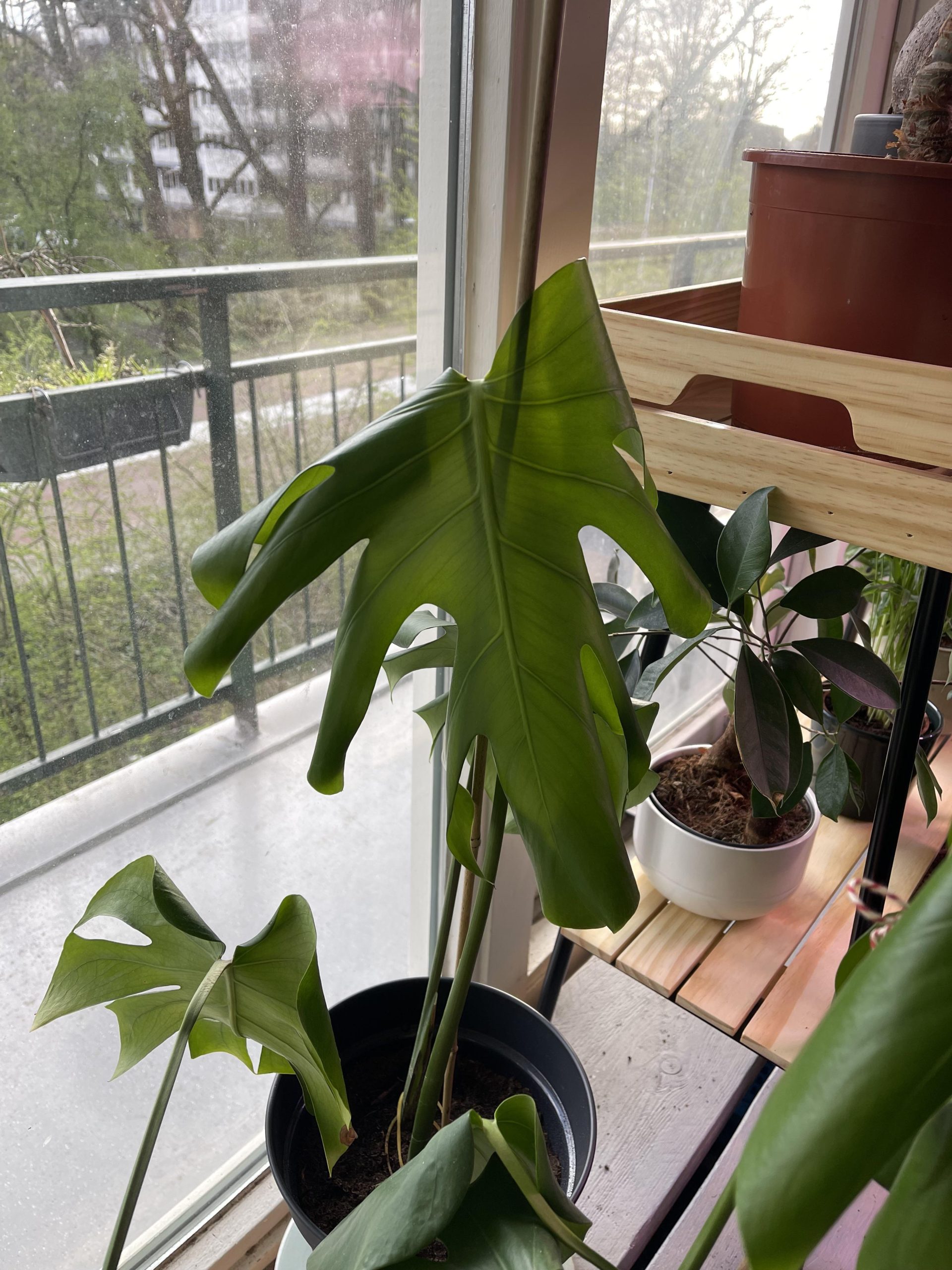
Monstera leaves curl for several reasons. It could be due to environmental factors, pests, or improper care.
Understanding these causes can help you keep your Monstera healthy and thriving. Monstera plants are popular for their stunning, large leaves. But when those leaves start to curl, it can be concerning. Many plant owners encounter this issue and wonder what they’re doing wrong.
Curling leaves can be a sign of stress. Factors like overwatering, underwatering, or too much sunlight could play a role. Even pests or poor soil can affect leaf health. Knowing the root cause is key to addressing the problem. This blog will explore the common reasons behind Monstera leaf curling and how to fix them. By the end, you’ll have a better idea of how to care for your Monstera and keep its leaves looking beautiful.
Common Causes
Monstera plants, also known as Swiss cheese plants, are popular for their unique leaves. However, sometimes these leaves can curl, leaving plant owners puzzled. Understanding the common causes can help prevent and fix this issue.
Watering Issues
One common cause of curling leaves is improper watering. Both overwatering and underwatering can lead to this problem. Overwatering can cause root rot, which prevents the plant from absorbing nutrients. Underwatering means the plant isn’t getting enough moisture. Check the soil regularly. It should be moist but not soggy. Allow the top inch of soil to dry out between waterings.
Humidity Levels
Humidity plays a crucial role in the health of Monstera leaves. Low humidity can cause leaves to curl as the plant loses moisture faster than it can absorb. Monstera plants thrive in environments with high humidity. If the air is too dry, the leaves will curl to conserve water. Using a humidifier or misting the leaves can help maintain proper humidity levels. Placing the plant near other plants can also increase humidity.
Light And Temperature
Monstera plants, with their iconic split leaves, are a favorite among plant enthusiasts. Yet, they can exhibit curling leaves due to various reasons. Two major factors are light and temperature. Ensuring the right light and temperature conditions can help keep your Monstera healthy.
Inadequate Light
Monstera plants need bright, indirect light. Low light levels can cause their leaves to curl. Place your Monstera near a window with filtered sunlight. Avoid direct sunlight, which can scorch the leaves. If natural light is insufficient, consider using grow lights. This ensures your plant gets the necessary light.
Temperature Fluctuations
Monstera plants thrive in stable temperatures. They prefer temperatures between 65-80°F (18-27°C). Sudden changes in temperature can stress the plant. This stress often causes leaf curling. Avoid placing your Monstera near drafts, heaters, or air conditioners. Maintain a consistent environment for best results.
Nutrient Deficiencies
Monstera leaves curling can be a sign of nutrient deficiencies. Proper nutrients are essential for plant health. When missing, it affects growth and appearance. Let’s explore two main causes: lack of nutrients and over-fertilization.
Lack Of Nutrients
Plants need essential nutrients to thrive. Monstera plants are no different. A lack of nutrients can cause leaves to curl. Here are some key nutrients your Monstera needs:
- Nitrogen (N): Promotes leaf growth and overall health.
- Phosphorus (P): Supports root development and flowering.
- Potassium (K): Enhances disease resistance and water regulation.
Without these nutrients, your Monstera may struggle. Leaves can curl or show other signs of stress. To prevent this, ensure a balanced fertilizer routine.
Over-fertilization
While nutrients are vital, too much can be harmful. Over-fertilization can lead to nutrient burn. This causes the leaf tips to brown and curl. Here are signs of over-fertilization:
- Yellowing leaves
- Leaf tip burn
- Salt buildup on soil surface
To avoid over-fertilization, follow these tips:
| Tip | Description |
|---|---|
| Use diluted fertilizer | Mix fertilizer with water to reduce concentration. |
| Fertilize less often | Apply fertilizer every 4-6 weeks, not more. |
| Flush the soil | Occasionally water deeply to remove excess salts. |
Balancing nutrient supply is key to healthy Monstera plants. Proper care ensures vibrant, uncurling leaves.
Pest Infestations
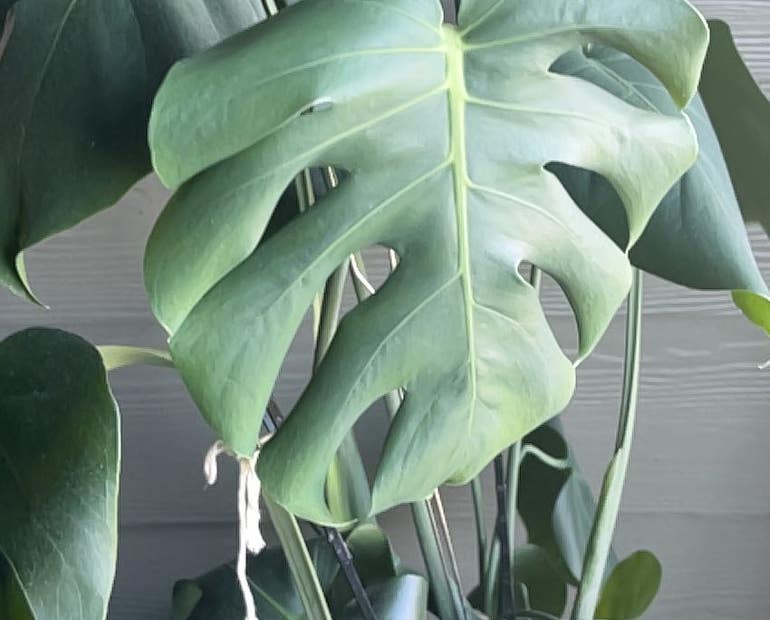
Monstera leaves curling can often be a sign of pest infestations. These pests feed on the plant’s sap, causing the leaves to curl. Recognizing and dealing with these pests is crucial for the health of your Monstera.
Common Pests
Several pests can affect Monstera plants. Here are some of the most common:
- Spider Mites: Tiny, often red or yellow, and found on the underside of leaves.
- Aphids: Small, green or black, and usually cluster on new growth.
- Mealybugs: White, cotton-like substance on leaves and stems.
- Scale Insects: Brown or black bumps on stems and leaves.
Prevention Tips
Preventing pest infestations is easier than dealing with them. Follow these tips to keep your Monstera healthy:
- Inspect Regularly: Check your plant for signs of pests weekly.
- Clean Leaves: Wipe leaves with a damp cloth to remove dust and pests.
- Isolate New Plants: Keep new plants away from others for a few weeks.
- Use Neem Oil: Spray neem oil on leaves to deter pests.
- Ensure Proper Ventilation: Good air circulation reduces the risk of infestations.
Soil And Root Health
Soil and root health play a crucial role in the well-being of Monstera plants. Healthy soil and roots ensure the plant gets the nutrients and water it needs. When the soil or roots have issues, it can cause Monstera leaves to curl. Let’s explore two key factors: soil quality and root rot.
Soil Quality
The quality of the soil affects Monstera plants a lot. Poor soil can lead to nutrient deficiencies. It can also cause poor drainage. Monstera plants need well-draining soil. Soil should be rich in organic matter. This helps the roots get enough air and water. Compact soil can suffocate the roots. This causes the leaves to curl. Check the soil regularly. Make sure it stays loose and airy.
Root Rot
Root rot is a serious issue for Monstera plants. It happens when the roots stay too wet. Overwatering or poor drainage can lead to root rot. Rotting roots cannot absorb nutrients or water properly. This results in curled leaves. To prevent root rot, check the moisture level of the soil. Allow the top inch of soil to dry out before watering again. Make sure the pot has drainage holes.
Water Quality
Water quality plays a significant role in the health of Monstera leaves. Poor water quality can lead to curling leaves, which can be a sign of distress. It’s crucial to understand the factors that affect water quality to keep your Monstera thriving.
Chlorine In Water
Chlorine is often present in tap water. It can be harmful to Monstera plants. Chlorine can cause leaf curling and damage the roots. To avoid this, use filtered or distilled water. Let tap water sit out for 24 hours to evaporate chlorine before watering your Monstera.
Water Ph Levels
The pH level of your water can affect your Monstera’s health. Monstera plants prefer slightly acidic to neutral water. A pH level between 5.5 and 7 is ideal. High or low pH levels can cause leaf curling. Test your water’s pH regularly. Use a pH-adjusting solution if needed to maintain the right levels.
Environmental Stress
Monstera leaves curling can be a sign of environmental stress. Plants react to their surroundings. If conditions aren’t ideal, they show symptoms. One common symptom is leaf curling. Understanding the causes can help you fix the problem.
Transplant Shock
Transplanting can stress Monstera plants. Moving them to a new pot or location can cause shock. Their roots need time to adjust. During this period, leaves may curl. Ensure the new pot has enough space. Water the plant properly. Avoid disturbing the roots too much.
Air Pollution
Air pollution affects Monstera plants. Pollutants in the air can damage the leaves. Common indoor pollutants include smoke and chemicals. These substances harm the plant’s health. Ensure good ventilation in the room. Use air purifiers if needed. Keep the plant away from smoke and chemical fumes.
Care Tips
Understanding why Monstera leaves curl can help you maintain a healthy plant. Proper care is essential for this tropical beauty. Let’s dive into some care tips to keep your Monstera thriving.
Proper Watering
Monstera plants need the right amount of water. Too much or too little can cause leaf curling. Water your Monstera when the top inch of soil feels dry. Use your finger to check the soil moisture.
Ensure you water thoroughly until it drains out of the bottom. This helps the roots absorb water evenly. Avoid letting the plant sit in standing water. It can lead to root rot and other issues.
Ideal Environment
Monstera plants thrive in a specific environment. They need bright, indirect light. Direct sunlight can scorch the leaves and cause them to curl.
Maintain a warm temperature between 65-85°F (18-29°C). Avoid placing the plant near drafts or sudden temperature changes. These conditions can stress the plant and affect leaf health.
Humidity is also crucial. Monstera prefers a humid environment. You can mist the leaves regularly or use a humidifier. Dry air can lead to curling and browning edges.
Frequently Asked Questions
Why Are My Monstera Leaves Curling?
Monstera leaves curl due to environmental stress. Common causes include underwatering, low humidity, and temperature fluctuations. Check watering routine.
How To Fix Curling Monstera Leaves?
First, ensure proper watering. Maintain consistent moisture in soil. Increase humidity and stabilize room temperature. Monitor for pests.
Can Overwatering Cause Monstera Leaves To Curl?
Yes, overwatering can lead to root rot, causing leaves to curl. Ensure proper drainage and avoid waterlogged soil.
Does Low Humidity Affect Monstera Leaves?
Low humidity can cause Monstera leaves to curl. Increase humidity with a humidifier or pebble tray for better results.
Conclusion
Caring for Monstera plants is simple with the right knowledge. Leaves curl due to water, light, or humidity issues. Observe your plant’s needs and adjust care routines. Healthy Monstera plants showcase lush, vibrant leaves. Regularly check soil moisture and provide indirect light.
Proper care ensures your Monstera thrives. Happy gardening!
Leave a Reply