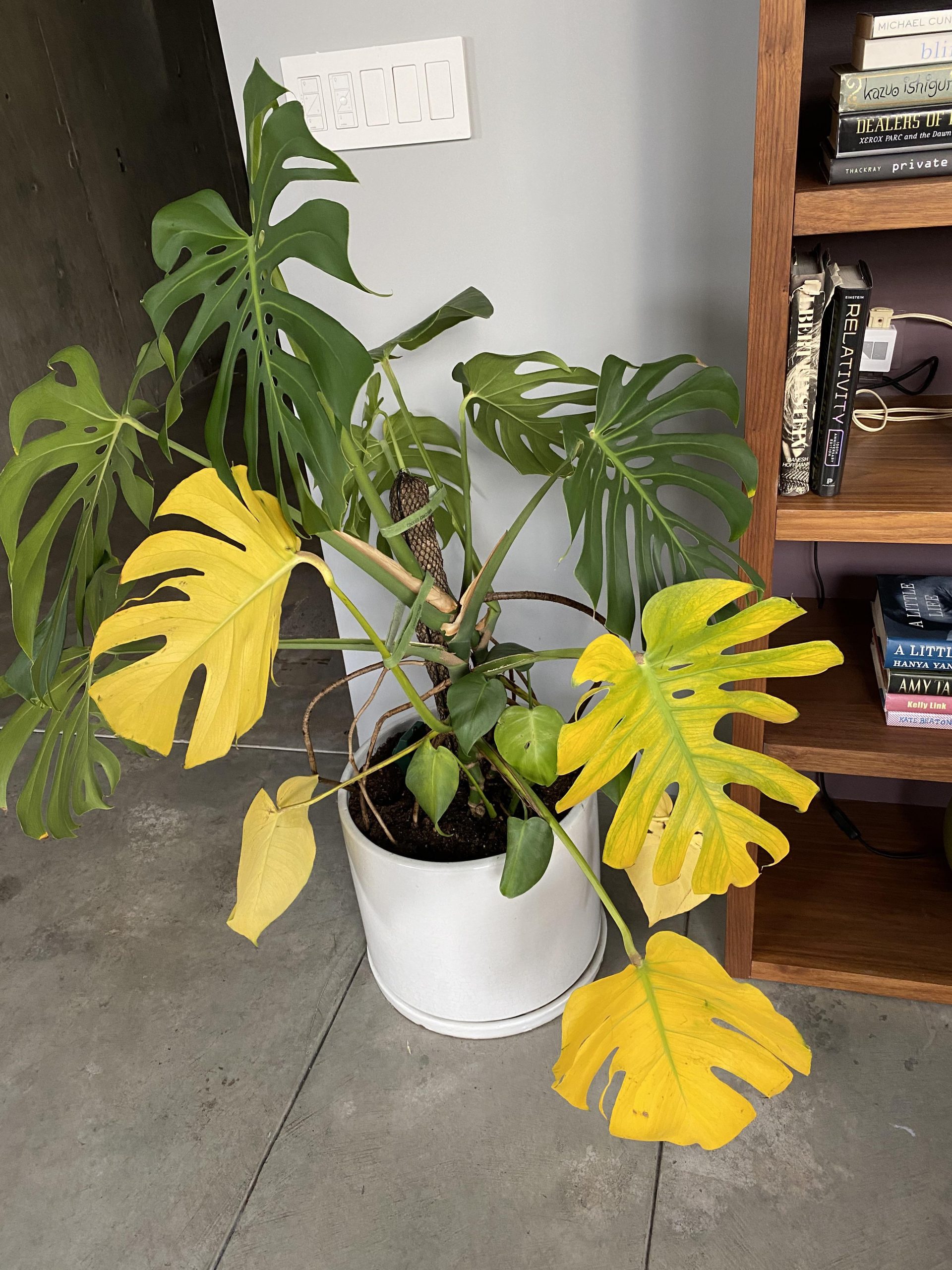
Yellowing leaves on your Monstera can be a concern. This common issue often indicates a problem with plant care.
Understanding why your Monstera’s leaves are turning yellow is essential. Monstera plants are popular for their unique, tropical appearance. However, they need proper care to thrive. Yellow leaves can signal various issues. These include overwatering, underwatering, or inadequate light. It’s important to identify the cause early to keep your plant healthy.
In this post, we’ll explore common reasons for yellow leaves. We’ll also provide tips to restore your Monstera’s vibrant green color. Stay with us to learn how to keep your Monstera happy and thriving.
Identifying Yellowing Causes
Seeing your Monstera leaves start to yellow can be concerning. Identifying the cause early is key to restoring your plant’s health. In this section, we will explore the common reasons and symptoms to watch.
Common Reasons
Many factors can lead to yellowing leaves in Monsteras. Understanding these reasons helps in taking the right corrective steps.
- Overwatering: One of the most common causes. Excess water suffocates the roots.
- Underwatering: Conversely, too little water can stress the plant.
- Poor Drainage: Ensuring your pot has good drainage is crucial.
- Lack of Nutrients: Monsteras need a balanced diet of nutrients.
- Pest Infestation: Pests can damage leaves and cause yellowing.
- Improper Light: Both too much and too little light can be harmful.
Symptoms To Watch
Recognizing the symptoms early can help prevent further damage to your Monstera.
| Symptom | Possible Cause |
|---|---|
| Yellowing Leaves with Brown Tips | Overwatering |
| Yellow Leaves and Dry Soil | Underwatering |
| Yellow Spots and Pests | Pest Infestation |
| Yellowing in Lower Leaves | Lack of Nutrients |
| Yellow Leaves with Burns | Improper Light |
By keeping an eye on these symptoms and understanding the common causes, you can ensure your Monstera stays healthy and vibrant.
Watering Techniques
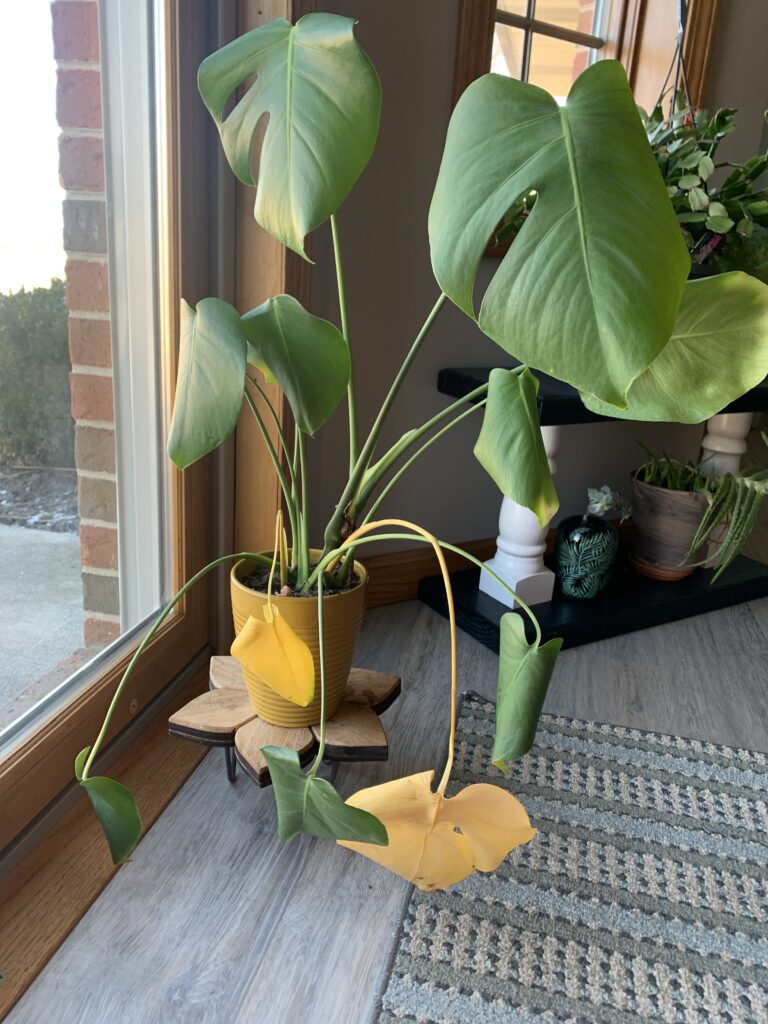
Monstera plants are cherished for their striking, large leaves. To keep them healthy, understanding the right watering techniques is crucial. Improper watering can lead to yellowing leaves, which is a sign of distress. Let’s dive into the best practices to ensure your Monstera thrives.
Proper Watering Schedule
A consistent watering schedule is vital. Water your Monstera once a week. Check the soil moisture before watering. Insert your finger into the soil up to the first knuckle. If it feels dry, it’s time to water.
During the winter months, reduce the frequency. Watering every 10 to 14 days should suffice. Always adjust based on your plant’s environment and soil condition.
Avoiding Overwatering
Overwatering is a common mistake. It leads to root rot and yellowing leaves. Ensure the pot has drainage holes. This prevents excess water from accumulating.
Use a pot with a saucer to catch excess water. Empty the saucer after watering. This helps in preventing water from sitting at the bottom.
Consider using a moisture meter. It provides an accurate reading of soil moisture. This can be very helpful in avoiding overwatering.
Light Requirements
Monstera plants are loved for their beautiful, large leaves. But, they can develop yellow leaves if their light needs are not met. Understanding the light requirements can help keep your Monstera healthy.
Ideal Light Conditions
Monstera plants thrive in bright, indirect sunlight. Direct sunlight can scorch their leaves. Place your Monstera near a window with filtered light. East or west-facing windows work best. Too little light can cause slow growth and yellow leaves.
Adjusting Light Exposure
If your Monstera’s leaves are yellowing, check its light exposure. Move it closer to a light source if it’s in a dark spot. Use sheer curtains to diffuse direct sunlight. Rotate the plant occasionally for even light distribution. Consider using grow lights during darker months.

Soil And Drainage
Soil and drainage play a vital role in the health of your Monstera plant. Improper soil and poor drainage can cause your Monstera’s leaves to turn yellow. Understanding the right soil mix and ensuring proper drainage can prevent this issue.
Choosing The Right Soil
Monstera plants thrive in well-aerated soil. A good mix includes peat, perlite, and orchid bark. These components help retain moisture while ensuring good air circulation. Avoid using heavy garden soil or clay, which can suffocate the roots. The right soil mix allows roots to breathe and absorb nutrients effectively.
Ensuring Proper Drainage
Proper drainage prevents water from sitting at the bottom of the pot. Stagnant water can lead to root rot, causing yellow leaves. Ensure your pot has drainage holes to let excess water escape. Use a saucer to catch any overflow and empty it regularly. Elevating the pot slightly can improve airflow and drainage.
Fertilizing Tips
When your Monstera starts yellowing, fertilizing properly can help restore its health. Understanding the right fertilizers and schedule is key. Here’s how to keep your Monstera vibrant and green.
Best Fertilizers
Choosing the right fertilizer is crucial for your Monstera’s health. Opt for a balanced, water-soluble fertilizer. A 20-20-20 fertilizer works well. It contains equal parts nitrogen, phosphorus, and potassium. These nutrients are essential for growth. Organic options like compost or worm castings are also beneficial. They provide a slow-release of nutrients. They also improve soil health over time.
Fertilizing Schedule
A proper fertilizing schedule keeps your Monstera thriving. During the growing season, fertilize every two weeks. This period is typically from spring to early fall. Use a diluted solution to avoid over-fertilizing. In the winter, reduce the frequency. Fertilize once a month or not at all. The plant’s growth slows down during colder months. Always follow the instructions on the fertilizer package. Over-fertilizing can harm your Monstera, causing more yellowing.
Pest Control
Yellowing leaves on your Monstera plant can be a sign of pests. These tiny invaders can cause significant damage. Effective pest control can help your plant thrive.
Common Pests
Common pests include spider mites, scale insects, and mealybugs. Spider mites are tiny and red, often weaving webs. Scale insects appear as small, brown bumps on stems and leaves. Mealybugs are white and cotton-like, hiding in leaf joints.
Natural Remedies
Use natural remedies to combat pests. Neem oil is a popular choice. Mix it with water and spray on the plant. Another option is insecticidal soap. It suffocates pests and is safe for plants. You can also use a mix of water and dish soap. Spray this solution on affected areas. For a more hands-on approach, wipe leaves with rubbing alcohol. This kills pests on contact.
Introducing beneficial insects can help as well. Ladybugs and lacewings eat many common pests. They are a natural way to keep your Monstera healthy.
Pruning And Trimming
Pruning and trimming your Monstera is essential for its health. Proper care can help prevent yellowing leaves. By removing dead or damaged parts, you allow the plant to focus its energy on new growth. This practice keeps your Monstera looking vibrant and healthy.
Pruning Techniques
Effective pruning involves a few key techniques:
- Use clean, sharp scissors or pruning shears.
- Cut close to the main stem but avoid damaging it.
- Remove yellow or dead leaves first.
- Trim any leggy stems to encourage fuller growth.
These methods ensure you remove the right parts of the plant. Always prune in the morning or late afternoon to reduce stress on the plant.
Benefits Of Trimming
Trimming your Monstera has several benefits:
- Promotes healthier growth by removing dead or diseased parts.
- Improves air circulation around the plant.
- Encourages new leaf and stem development.
- Prevents overcrowding, which can lead to yellowing.
Regular trimming keeps your Monstera attractive and thriving. It also reduces the risk of pests and diseases.
Remember, consistency is key. Regular pruning and trimming ensure your Monstera remains healthy and beautiful.
:max_bytes(150000):strip_icc()/Why-Are-My-Monstera-Leaves-Turning-Yellow-b2cd94a10c184ae6a214790c893344f7.jpg)
Repotting Guidelines
Is your Monstera starting to show yellow leaves? It might need repotting. Repotting helps provide fresh soil and more space for healthy growth. Follow these repotting guidelines to ensure your Monstera thrives.
When To Repot
Repot your Monstera every 1-2 years. Signs that it’s time to repot include roots growing out of the pot’s drainage holes and soil drying out quickly. Yellow leaves can also indicate the need for repotting.
Steps For Repotting
First, choose a pot 2 inches larger than the current one. Ensure it has drainage holes. Next, prepare fresh potting mix. A mix with peat, pine bark, and perlite works well.
Gently remove the Monstera from its current pot. Loosen the roots and remove old soil. Place the plant in the new pot, adding fresh soil around it. Water thoroughly and place it in a bright, indirect light.
Frequently Asked Questions
Why Are My Monstera Leaves Turning Yellow?
Yellowing leaves can be due to overwatering or underwatering. Monitor your watering habits and adjust accordingly. Ensure the plant has proper drainage.
How Do I Fix Yellow Monstera Leaves?
To fix yellow leaves, check for proper watering, adequate light, and appropriate humidity levels. Trim damaged leaves.
Can Yellow Monstera Leaves Turn Green Again?
Once leaves turn yellow, they usually don’t revert to green. Focus on preventing further yellowing by optimizing care.
Is Yellowing Common In Monstera Plants?
Yellowing can be common due to improper care. Ensure correct watering, light, and humidity to maintain healthy leaves.
Conclusion
Yellowing leaves on your Monstera can be concerning. Address the issue promptly. Check for overwatering or underwatering. Ensure the plant gets proper light. Monitor for pests. Adjust care routines as needed. Healthy leaves indicate a thriving Monstera. With attention, your plant will flourish.
Happy gardening!
Leave a Reply