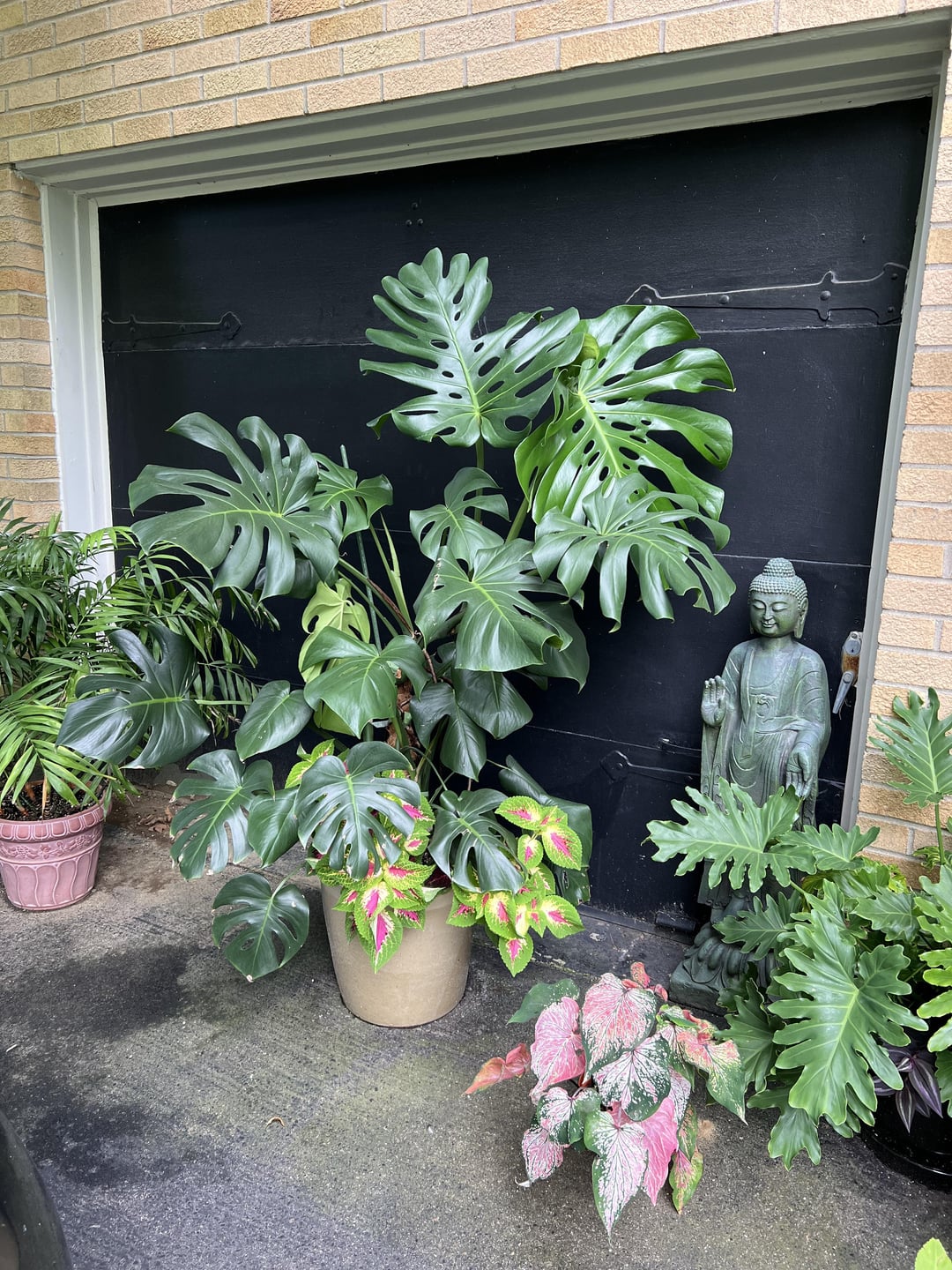
Yes, you can put your Monstera outside. However, it depends on the climate and conditions.
Monstera plants, also known as Swiss Cheese plants, are popular for their unique, perforated leaves. They are tropical plants and thrive in warm, humid environments. Placing your Monstera outside can be beneficial, as it allows the plant to receive natural light and fresh air.
But, it is important to consider the weather and temperature. If your area experiences extreme heat or cold, your Monstera may suffer. Ensure the plant is protected from direct sunlight, which can scorch its leaves, and from strong winds. By understanding your local climate and providing the right care, you can decide if placing your Monstera outdoors is the right choice.

Benefits Of Moving Monstera Outdoors
Moving your Monstera outside can bring numerous benefits to this popular houseplant. These benefits include improved growth, better air circulation, and exposure to natural elements. Let’s dive into some of these advantages.
Enhanced Growth
Monstera plants thrive with natural sunlight. Indoors, they may not get enough light. Placing your Monstera outside can provide the bright, indirect sunlight it craves. This can lead to stronger stems and larger leaves.
Consider the following table for light exposure:
| Location | Light Level |
|---|---|
| Indoors | Low to Medium |
| Outdoors (Shaded) | Bright, Indirect |
Outdoor placement also allows for natural rain showers. Rainwater can be more beneficial than tap water. It often contains fewer chemicals and more nutrients.
Improved Air Circulation
Indoors, air can become stagnant. This can lead to issues like mold and pests. Moving your Monstera outside can provide better air circulation. Fresh air helps the plant “breathe” and reduces the risk of diseases.
Here are some benefits of improved air circulation:
- Healthier leaves
- Reduced mold growth
- Less pest infestation
Outside, the wind helps keep the plant’s environment clean. This natural breeze can help your Monstera grow stronger.

Ideal Conditions For Outdoor Placement
Many plant enthusiasts ask, “Should I put my Monstera outside?” The answer depends on your local climate and ensuring the right conditions. For your Monstera to thrive outdoors, you need to provide the ideal environment. This includes managing temperature, humidity, and light levels. Let’s explore these conditions in detail.
Temperature Requirements
Monsteras prefer warm temperatures. The ideal range is between 65°F to 85°F (18°C to 29°C). They can tolerate short periods of cooler temperatures but should never be exposed to frost. To ensure your Monstera stays healthy, avoid placing it outside if your area experiences temperatures below 50°F (10°C).
Here’s a quick reference table for temperature suitability:
| Temperature Range | Suitability for Monstera |
|---|---|
| Below 50°F (10°C) | Not Suitable |
| 50°F – 65°F (10°C – 18°C) | Risk of Damage |
| 65°F – 85°F (18°C – 29°C) | Ideal |
| Above 85°F (29°C) | Monitor for Heat Stress |
Humidity Levels
Monsteras are tropical plants. They thrive in high humidity. Aim for 60% to 80% humidity for optimal growth. If your outdoor environment is dry, consider using a humidity tray or misting the plant regularly. This keeps the leaves lush and vibrant.
Here are some tips to maintain proper humidity levels:
- Place a shallow tray filled with water and pebbles under the plant.
- Mist the leaves in the morning to avoid moisture buildup overnight.
- Group plants together to create a micro-humid environment.
Remember, consistent humidity is key to a healthy Monstera.
Choosing The Right Spot
Choosing the right spot for your Monstera can be challenging. The goal is to find an area that mimics its natural habitat. This means considering factors like sunlight and wind. By doing so, your Monstera will thrive outdoors.
Sunlight Needs
Monstera plants need indirect sunlight. Direct sunlight can scorch their leaves. A spot with filtered light or partial shade works best. Think about areas under trees or shaded patios. These spots provide the right amount of light.
Wind Protection
Monstera plants have large leaves that can catch the wind easily. Strong winds can damage the plant. Choose a location with some wind protection. A fence or wall can block the wind. This keeps your Monstera safe from harsh weather.
Preparing Monstera For Outdoor Transition
Monstera plants, known for their iconic split leaves, can thrive outdoors. Yet, transitioning them from indoor to outdoor environments requires careful preparation. The plant needs to adapt to the new conditions gradually. Let’s dive into the steps to prepare your Monstera for this transition.
Gradual Acclimatization
Start by placing your Monstera in a shaded outdoor area. This helps it adjust to the brighter light. Keep it there for a few hours each day. Gradually increase the time it spends outside. Over a week or two, allow your Monstera to stay outside for longer periods. Ensure it is protected from direct sunlight during this phase. Direct sunlight can scorch its leaves.
Timing The Move
Spring is the best time to move your Monstera outside. The temperatures are mild and more suitable for plant growth. Avoid moving it during extreme weather conditions. Check the weather forecast to ensure no sudden temperature drops. A stable climate helps the plant adjust better. Night temperatures should stay above 50°F (10°C). This ensures your Monstera remains comfortable and healthy.
Watering Practices Outside
Placing your Monstera outside can be beneficial for its growth. However, it requires different watering practices compared to indoor care. Understanding these can help maintain your plant’s health and beauty.
Frequency Adjustments
Outdoor conditions demand more frequent watering. Wind and sun can dry out soil faster. Monitor the soil’s moisture daily. This helps ensure your Monstera gets enough water. Use your finger to check the top inch of the soil. If it feels dry, it’s time to water.
Rainwater Benefits
Rainwater is a natural and beneficial way to hydrate your Monstera. It’s free of chemicals found in tap water. These chemicals can harm your plant over time. Rainwater can also help wash away dust and pests from the leaves. This keeps your Monstera looking fresh and healthy.
Consider collecting rainwater in a barrel or container. This provides a sustainable watering source. You can use it during dry spells when natural rain is scarce. It’s an easy way to ensure your Monstera gets the best possible hydration.
Pest And Disease Management
Putting your Monstera outside can expose it to various pests and diseases. Understanding how to manage these threats is essential for keeping your plant healthy. This section will guide you on common outdoor pests and preventive measures.
Common Outdoor Pests
Several pests can harm your Monstera when placed outside. Knowing the common culprits helps in early detection and treatment.
- Aphids: Tiny insects that suck sap from leaves.
- Spider Mites: Small arachnids that cause yellow spots on leaves.
- Snails and Slugs: Creatures that eat holes into the leaves.
- Scale Insects: Bugs that attach to stems and leaves.
- Whiteflies: Small, white insects that feed on the underside of leaves.
Preventive Measures
Taking preventive steps can reduce the risk of pest infestations. Here are some methods to keep your Monstera safe.
- Regular Inspection: Check your plant weekly for signs of pests.
- Natural Predators: Encourage ladybugs and spiders in your garden.
- Neem Oil: Use neem oil spray to deter pests.
- Avoid Overwatering: Keep the soil slightly dry to prevent mold and pests.
- Clean Surroundings: Remove fallen leaves and debris around your plant.
By following these tips, you can protect your Monstera from pests and diseases. A healthy Monstera will thrive both indoors and outdoors, adding beauty to your space.
Bringing Monstera Back Indoors
Monstera plants thrive outdoors in the warm months. They enjoy the sunlight, fresh air, and rain. But as the weather turns cold, it’s time to bring them back indoors. This process needs careful attention to ensure a healthy transition.
Timing The Return
Timing is crucial for bringing your Monstera back indoors. Start before the first frost. Frost can damage the leaves and roots. Aim for late summer or early fall. This gives the plant time to adjust before winter.
Re-acclimation Process
The re-acclimation process is key. Gradually reduce the outdoor exposure. Move the plant to a shaded area for a week. This helps it adapt to lower light levels. Then, bring it inside.
Once indoors, find a suitable spot. Choose a place with indirect sunlight. Avoid placing it near heaters or drafty windows. Consistent temperature is important for Monstera health.
Watering needs also change indoors. Check the soil moisture regularly. Water when the top inch feels dry. Overwatering can cause root rot. Ensure good drainage to avoid waterlogging.
Lastly, inspect for pests. Outdoor exposure can introduce bugs. Check leaves and soil for signs of insects. Treat with natural insecticides if needed. A healthy Monstera will thrive indoors with proper care.

Common Mistakes To Avoid
Placing your Monstera outside can be beneficial. But it comes with risks. Many plant owners make common mistakes. These can harm your beloved plant. Let’s explore these mistakes and how to avoid them.
Overexposure To Sun
Monstera plants thrive in indirect light. Direct sunlight can burn their leaves. This causes brown spots and damage. Find a shaded spot for your Monstera. Ensure it gets bright, indirect light. Avoid placing it under the midday sun. Morning light is usually gentler and safer.
Neglecting Transition Period
Sudden changes in environment can shock your Monstera. Moving it outside needs a gradual process. Start by placing it outside for a few hours. Increase exposure time gradually. This helps the plant adapt to new conditions. Monitor the plant’s response during this period. Look for signs of stress like drooping leaves. Adjust the placement if needed.
Frequently Asked Questions
Can Monstera Plants Survive Outside?
Monstera plants can survive outside if the climate is suitable. They prefer temperatures between 60-80°F and high humidity.
When Is The Best Time To Move Monstera Outside?
The best time to move Monstera outside is during late spring or early summer. Ensure the temperature is consistently above 60°F.
What Are The Sunlight Requirements For Outdoor Monstera?
Monstera plants need indirect sunlight when placed outdoors. Direct sunlight can scorch their leaves, so provide filtered or partial shade.
How Often Should I Water Monstera Outdoors?
Water Monstera plants outdoors when the top inch of soil is dry. Avoid overwatering to prevent root rot.
Conclusion
Placing your Monstera outside can be beneficial. Ensure it gets indirect sunlight. Too much direct sun can harm the leaves. Monitor the weather closely. Bring it inside during extreme conditions. Outdoor placement can boost growth in the right environment. Pay attention to pests and humidity levels.
Proper care ensures your Monstera thrives. Always consider your plant’s specific needs. Happy gardening!
Leave a Reply