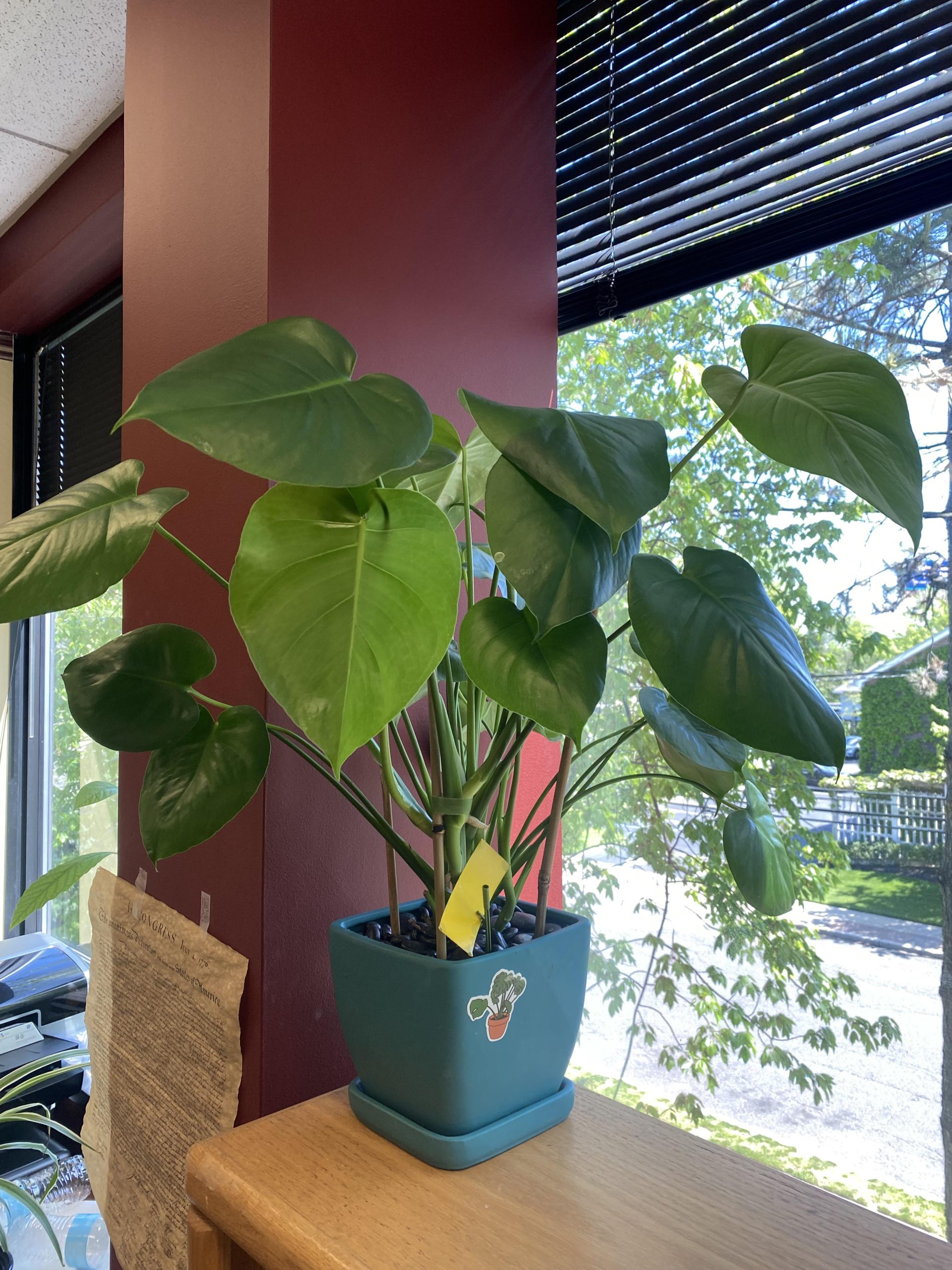
Monstera plants are popular for their unique, split leaves. But sometimes, they lack these characteristic fenestrations.
Why does this happen? What can be done about it? This blog post will explore the reasons behind a Monstera not developing its iconic holes. It will also provide tips to encourage fenestrations. Understanding the needs of your Monstera can help you enjoy its full beauty.
So, if your plant’s leaves are smooth and unbroken, don’t worry. There are ways to help your Monstera thrive and develop the splits you love. Let’s dive into the world of Monstera care and discover the secrets to those lovely, fenestrated leaves.
Introduction To Monstera
Monstera plants are loved for their lush, green leaves. Their unique leaf patterns make them stand out. But sometimes, your Monstera might not have these cut-outs, known as fenestrations. Let’s explore what Monstera plants are and common varieties.
What Are Monstera Plants?
Monstera plants are tropical plants from the Araceae family. They are native to Central and South America. These plants thrive in warm, humid environments. They are known for their large, glossy leaves with natural holes.
These holes, or fenestrations, help the plant survive in the wild. They allow light to reach lower leaves. They also let wind pass through without damaging the plant. Monstera plants are popular in homes due to their striking appearance.
Common Varieties
There are several common varieties of Monstera plants:
- Monstera Deliciosa: This is the most common type. It has large, heart-shaped leaves with deep fenestrations.
- Monstera Adansonii: This variety has smaller leaves with more holes. It is also known as the “Swiss Cheese Plant.”
- Monstera Obliqua: This rare type has thin leaves with large holes. It is very delicate and hard to find.
- Monstera Dubia: This variety has leaves that start solid and develop holes as they mature. It climbs and can be trained on a trellis.
Each variety has its own charm. Knowing the differences helps you choose the right one for your space. Proper care ensures your Monstera grows healthy and beautiful.
Fenestrations In Monstera
Monstera plants are famous for their unique leaves. These leaves often have holes or cuts. These holes are called fenestrations. Fenestrations give the plant its special look. But what are fenestrations? Why are they important for the plant? Let’s explore these questions below.
Definition Of Fenestrations
Fenestrations are natural holes or splits in the leaves. In Monsteras, these holes start to appear as the plant matures. Not all Monstera leaves have fenestrations at first. Young plants often have solid leaves. As they grow, the leaves develop these holes.
Importance Of Fenestrations
Fenestrations help the Monstera plant in many ways. First, they allow light to reach more parts of the plant. This helps the plant grow better. Second, they help the plant withstand strong winds. The holes let wind pass through without damaging the leaves.
Fenestrations also help in the wild. The holes allow rain to reach the roots. This is important for plants growing in dense forests. Fenestrations make the plant more adaptable. They help the plant survive in different environments.
Causes Of Missing Fenestrations
Monstera plants are known for their unique, split leaves, called fenestrations. Sometimes, these fenestrations do not appear as expected. Several factors can cause missing fenestrations in Monstera leaves. Understanding these factors can help in ensuring your Monstera thrives.
Age Of The Plant
Young Monstera plants often lack fenestrations. They need time to mature. As they grow older, their leaves start developing splits. Patience is key when growing Monstera plants.
Light Conditions
Light plays a crucial role in leaf development. Monstera plants need bright, indirect light. Insufficient light can result in missing fenestrations. Ensure your plant gets enough light daily. Direct sunlight can harm the leaves, so be careful.

Nutritional Factors
Monstera plants are known for their unique leaf patterns. Yet, some Monstera may lack fenestrations. Nutritional factors play a key role in leaf development. Ensuring proper nutrients can help your Monstera thrive.
Essential Nutrients
Monstera plants need certain nutrients for growth. Nitrogen is vital for leaf development. It promotes lush, green foliage. Phosphorus supports root growth and overall health. Potassium enhances disease resistance and flower development. A balanced diet of these nutrients ensures a healthy plant.
Calcium is also crucial. It strengthens cell walls and aids in new growth. Magnesium is essential for photosynthesis. It helps the plant produce energy from light. Iron prevents yellowing of leaves. It ensures proper chlorophyll production.
Fertilizer Recommendations
Use a balanced fertilizer for your Monstera. A 20-20-20 mix works well. This ratio provides equal parts of nitrogen, phosphorus, and potassium. Apply fertilizer every 4-6 weeks during the growing season. Reduce frequency in winter months.
Organic options are also available. Compost and worm castings are good choices. They provide nutrients slowly and improve soil health. Liquid seaweed is another excellent option. It offers trace minerals and promotes strong growth.
Watering Practices
Proper watering practices are essential for Monstera plants to thrive. This guide will help you understand the right methods and the effects of overwatering on your Monstera. Let’s dive into the details.
Proper Watering Techniques
Monstera plants prefer a balanced watering schedule. Follow these steps for best results:
- Check the soil moisture. Insert your finger 2 inches into the soil.
- If the soil feels dry, it’s time to water.
- Use room temperature water to avoid shocking the roots.
- Water the plant until it drains out of the bottom.
- Empty the saucer after watering to prevent root rot.
Effects Of Overwatering
Overwatering can cause serious problems for Monstera plants. Be aware of these signs:
- Yellowing leaves
- Wilting even though the soil is wet
- Mushy or dark brown roots
- Fungus gnats around the plant
If you notice these symptoms, reduce watering frequency. Ensure the pot has proper drainage.
Overwatering can lead to root rot, which can kill your plant. Always let the soil dry out between waterings. This practice helps maintain healthy roots and vibrant leaves.
Humidity And Temperature
Maintaining the right humidity and temperature is crucial for your Monstera plant. These factors influence the plant’s health and growth. If your Monstera doesn’t have fenestrations, adjusting these conditions might help.
Ideal Humidity Levels
Monsteras thrive in humid environments. Aim for a humidity level between 60% and 70%. Use a hygrometer to monitor humidity.
Here are some ways to maintain humidity:
- Use a humidifier in the room.
- Place a water tray near the plant.
- Mist the leaves regularly.
- Group plants together to create a micro-environment.
Temperature Requirements
Monsteras prefer warm temperatures. The ideal range is between 65°F and 85°F (18°C to 29°C).
Avoid placing the plant near drafts or vents. Rapid temperature changes can stress the plant.
Here are some tips to maintain the right temperature:
- Keep the plant away from direct heat sources.
- Ensure the room has consistent temperatures.
- Use a thermometer to monitor the temperature.
| Condition | Ideal Range |
|---|---|
| Humidity | 60% – 70% |
| Temperature | 65°F – 85°F (18°C – 29°C) |
By keeping the humidity and temperature at optimal levels, you can help your Monstera develop fenestrations. Regular checks and adjustments are key. Happy growing!
Pruning And Maintenance
Regular pruning and maintenance can help a Monstera develop fenestrations. Trim old leaves to promote new growth. Keep the plant healthy with proper care.
Keeping your Monstera plant healthy involves regular pruning and maintenance. These steps ensure your plant grows well and looks beautiful. Proper care also helps the plant develop those sought-after fenestrations.Pruning Techniques
Pruning helps in removing dead or damaged leaves. Use clean, sharp scissors or pruning shears. Always cut just above a node. This encourages new growth. Remove any yellow or brown leaves. This prevents disease and pests. Trim long stems to control size and shape. Be gentle with your cuts. Avoid cutting too much at once.Regular Maintenance Tips
Water your Monstera when the top inch of soil is dry. Overwatering can harm the roots. Ensure the pot has good drainage. Wipe the leaves with a damp cloth to remove dust. This helps the plant breathe better. Rotate the plant occasionally. This ensures even growth towards the light. Check for pests regularly. Look for small insects or webs. Use insecticidal soap if needed. Feed the plant with a balanced fertilizer every month during the growing season. Regular pruning and maintenance keep your Monstera healthy and thriving. These practices help develop those beautiful fenestrations. “`
Frequently Asked Questions
Why Doesn’t My Monstera Have Fenestrations?
Monstera plants need maturity to develop fenestrations. Young plants or insufficient light can cause lack of fenestrations.
How Can I Encourage Fenestrations In Monstera?
Provide your Monstera with bright, indirect sunlight and ensure it’s mature enough. Proper watering and nutrition help too.
Is Light Important For Monstera Fenestrations?
Yes, light is crucial. Bright, indirect sunlight encourages your Monstera to develop fenestrations.
What Age Do Monstera Develop Fenestrations?
Monstera plants typically start developing fenestrations at 2-3 years old, depending on care and conditions.
Conclusion
Understanding why your Monstera lacks fenestrations is important. Different factors can affect leaf development. Proper care can help encourage fenestrations. Ensure the plant receives adequate light and water. Monitor humidity and temperature levels. Patience is key in plant growth. With time, your Monstera may develop the unique leaves you desire.
Stay attentive to its needs, and enjoy the process. Happy gardening!
Leave a Reply