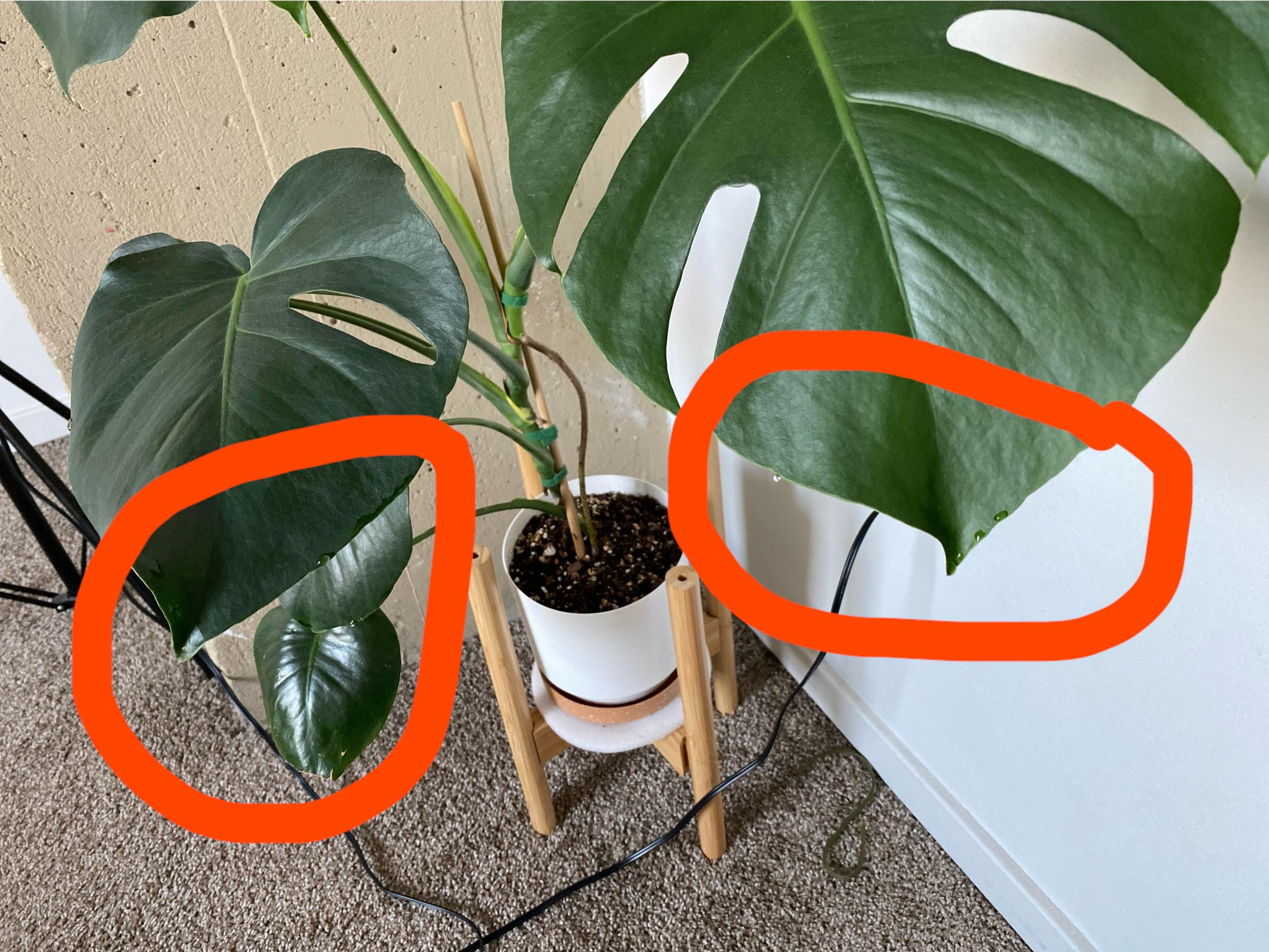
Monstera plants often drip water due to a natural process called guttation. This happens when they release excess water from their leaves.
Monstera plants are popular for their unique, split leaves and easy care. But many plant owners notice water droplets on their leaves. This can be confusing and may even cause concern. Guttation is a common reason for this. It occurs when the plant takes in more water than it needs.
This extra water escapes through small openings on the edges of the leaves. Understanding why Monstera drip water can help you better care for your plant. It can also reassure you that this is a normal and healthy process. Let’s explore this fascinating plant behavior in more detail.
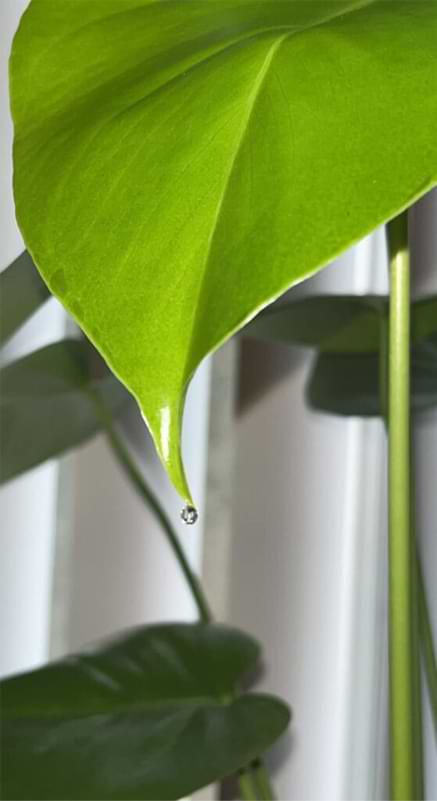
Natural Processes
Monstera plants often drip water, a curious sight for many plant owners. This phenomenon arises from natural processes within the plant. Understanding these processes can help you care for your Monstera better.
Guttation Explained
Guttation is one of the reasons Monstera drips water. It occurs during the night. The plant excretes excess water from tiny openings called hydathodes. This happens when the soil is too wet, and the plant roots absorb more water than needed. The excess water then exits through these openings as droplets.
Transpiration And Its Role
Transpiration is another key process. It’s how plants release water vapor into the air. During the day, Monstera leaves lose water through small pores called stomata. This process helps the plant cool down. It also aids in nutrient transport within the plant. Sometimes, if the air is very humid, the water droplets do not evaporate quickly, making them visible as drops on the leaves.

Environmental Factors
Monstera plants are popular for their unique leaves and easy care. Sometimes, you might see water droplets on their leaves. This phenomenon can be attributed to various environmental factors. Understanding these factors can help you take better care of your Monstera.
Humidity Levels
Monstera plants thrive in high humidity levels. When the air is humid, the plant absorbs more water through its roots. High humidity can cause the plant to release excess water through its leaves. This process is known as guttation. You might see droplets on the leaf edges.
Indoor environments can vary in humidity. Use a humidifier to maintain optimal levels. Check the humidity with a hygrometer. Aim for a range between 60% and 80%. Proper humidity helps the plant stay healthy and reduces the chance of guttation.
Temperature Impact
Temperature plays a significant role in the health of a Monstera. These plants prefer warm conditions. Ideal temperatures range from 65°F to 85°F. Cold temperatures can stress the plant. This stress may cause it to expel water as a defense mechanism.
Ensure your Monstera is not exposed to sudden temperature drops. Avoid placing it near windows or doors that open frequently. Consistent temperatures help in reducing water dripping and promote better growth.
Watering Practices
Monstera plants are popular for their stunning foliage and unique appearance. Sometimes, you might notice your Monstera dripping water. This phenomenon, called guttation, often relates to the plant’s watering practices. Understanding proper watering techniques and recognizing signs of overwatering can help you care for your Monstera effectively.
Proper Watering Techniques
Water your Monstera only when the top inch of soil feels dry. Use your finger to check the soil moisture. Water the plant thoroughly until water drains from the bottom. Ensure the pot has drainage holes to prevent water from sitting in the soil. Avoid watering on a strict schedule; instead, monitor the soil moisture regularly.
Overwatering Signs
Overwatering can lead to several issues for your Monstera. Yellowing leaves are a common sign of overwatering. Soft, mushy stems also indicate excess water. If you notice mold on the soil surface, it may be a sign of too much water. Root rot is another serious consequence of overwatering. It can cause the plant to wilt and eventually die. To prevent overwatering, always check the soil moisture before watering again.

Soil Conditions
The soil conditions play a crucial role in why your Monstera may drip water. The type of soil, its drainage capabilities, and its moisture levels are significant factors. Let’s explore these aspects to help you understand better.
Soil Type Importance
Choosing the right soil type is essential for Monstera plants. They thrive in well-draining, nutrient-rich soil. Poor soil types can retain too much water. This leads to excessive moisture, causing the plant to release water through its leaves.
Here are some characteristics of ideal soil for Monstera:
- Light and airy
- Rich in organic matter
- Good drainage
Using soil with these properties ensures that the plant’s roots can breathe. This helps prevent waterlogging and root rot, which are common issues in dense soils.
Drainage Solutions
Proper drainage is vital for the health of your Monstera. Without it, water accumulates at the roots. This can lead to dripping leaves as the plant tries to expel excess moisture.
Here are some effective drainage solutions:
- Use pots with drainage holes
- Place a layer of pebbles at the bottom of the pot
- Mix perlite or sand into the soil to improve drainage
These methods help water flow through the soil efficiently. They prevent the roots from sitting in water for too long.
Implementing these soil and drainage tips will help maintain your Monstera’s health. It will also reduce the chances of water dripping from its leaves.
Health Indicators
Monstera plants, known for their beautiful split leaves, sometimes drip water. This phenomenon, called guttation, can tell us a lot about the plant’s health. It is important to understand the health indicators of a Monstera to ensure it thrives.
Healthy Plant Signs
A healthy Monstera will have vibrant green leaves. The leaves should be free of spots and holes, except for natural splits. New leaves should emerge regularly. The plant should show steady growth, with new stems and leaves appearing. Guttation in a healthy plant usually means it is well-hydrated.
Stress And Disease Symptoms
Signs of stress in a Monstera include yellowing leaves. Brown spots or edges on leaves can indicate overwatering or underwatering. If the plant is dripping water excessively, it could be a sign of root rot. Pests like spider mites or aphids also cause stress. Keep an eye out for webbing or small insects on the leaves. Addressing these issues quickly can help restore the plant’s health.
Caring Tips
Monstera plants are popular for their unique leaves. They sometimes drip water, which can be concerning. Understanding proper care helps prevent this. Here are some caring tips.
Optimal Care Routine
A consistent care routine ensures a healthy Monstera. Water your Monstera when the top inch of soil is dry. Check the soil moisture regularly. Use a well-draining potting mix. Avoid overwatering, as it can lead to root rot.
Monstera plants thrive in bright, indirect light. Place your plant near a window with filtered sunlight. Rotate the plant occasionally for even growth.
Maintain humidity around 60%. Use a humidifier or mist the leaves. Keep the plant away from drafts and direct heat sources. Fertilize your Monstera every month during the growing season. Use a balanced, water-soluble fertilizer.
Preventing Water Drips
Water dripping from Monstera leaves is a natural process called guttation. To reduce this, water your plant early in the day. This allows excess moisture to evaporate.
Avoid overwatering. Ensure the pot has proper drainage. Remove excess water from the saucer after watering.
Check the humidity levels. High humidity can cause guttation. Adjust the room’s humidity if necessary.
Inspect the plant for pests. Pests can stress the plant and cause guttation. Use insecticidal soap if you find pests.
Frequently Asked Questions
Why Is My Monstera Dripping Water?
Monstera plants drip water due to guttation. This occurs when the plant expels excess moisture. It’s a normal process.
Is Monstera Guttation A Sign Of Overwatering?
Guttation can indicate overwatering. Ensure the soil drains well and the pot has drainage holes.
How Can I Stop My Monstera From Dripping?
Reduce watering frequency and ensure the soil drains well. Avoid watering during high humidity.
Does Monstera Dripping Mean It’s Healthy?
Dripping can be a sign of a healthy Monstera. It shows the plant is actively absorbing water.
Conclusion
Monstera plants drip water for several reasons. It’s often due to high humidity. This natural process is called guttation. Sometimes, it’s just morning dew. Other times, it signals overwatering. Ensure your Monstera has proper drainage. Check soil moisture regularly. By understanding these signs, your plant stays healthy.
Happy gardening with your Monstera!
Leave a Reply