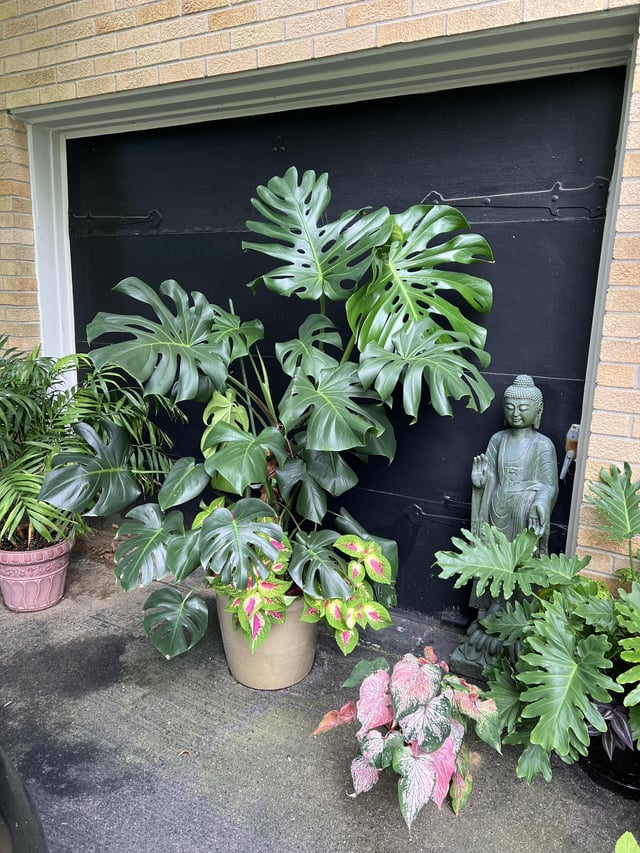
Yes, Monstera can be kept outside, but it depends on your climate. These popular plants thrive in warm, humid conditions.
Keep reading to learn more. Monstera plants, with their unique split leaves, add charm to any space. Many plant enthusiasts wonder if these tropical beauties can live outdoors. The answer isn’t simple. While Monstera can thrive outside, they need specific conditions to stay healthy.
Factors like temperature, humidity, and sunlight play crucial roles. If your area mimics their natural habitat, your Monstera might flourish outside. This blog will explore the ideal conditions for keeping Monstera outside, potential challenges, and helpful tips. Let’s dive in to ensure your Monstera thrives in its new environment.

Choosing The Right Location
Monstera plants can thrive outdoors with the right conditions. Ensuring proper placement is crucial. This section will guide you on choosing the best spot for your Monstera.
Light Requirements
Monsteras need bright, indirect light. Direct sunlight can scorch their leaves. Look for a location with filtered sunlight. A shaded area under a tree or pergola works well.
Temperature Considerations
Monsteras prefer warm temperatures. They thrive between 65-85°F (18-29°C). Avoid placing them in areas with cold drafts. Sudden temperature drops can harm the plant.
Check the temperature regularly. Ensure it stays within the ideal range. A slight fluctuation is acceptable, but extreme changes are not.
| Factor | Ideal Condition |
|---|---|
| Light | Bright, indirect light |
| Temperature | 65-85°F (18-29°C) |
Consider using a thermometer to monitor the temperature. This will help maintain a stable environment for your Monstera.
Preparing The Soil
Monstera plants can thrive outside if the soil conditions are right. Preparing the soil is crucial for their health. Let’s explore the essential soil requirements for Monstera.
Soil Type
Monstera prefers well-draining soil. Clay soil is not ideal. Use a mix of potting soil, perlite, and bark. This combination ensures good drainage and aeration. Avoid using heavy garden soil. It retains too much water and can cause root rot.
Nutrient Needs
Monstera needs a nutrient-rich soil. Add compost or organic matter to the soil. This provides the necessary nutrients. It also improves soil structure. Fertilize the soil every few months. Use a balanced, water-soluble fertilizer. Follow the instructions on the fertilizer package. This keeps your Monstera healthy and vibrant.
Watering Guidelines
Watering your Monstera correctly ensures its health and growth. When kept outside, monitoring water levels becomes crucial. Let’s dive into the essential watering guidelines.
Water Frequency
Outdoor Monstera plants need consistent moisture. Check the soil frequently. The top two inches should be dry before you water again. Too much water can cause root rot.
Consider the weather conditions. During hot, dry periods, water more often. In cooler, rainy seasons, reduce watering frequency. Use a moisture meter to help determine when to water.
Drainage Solutions
Proper drainage prevents waterlogging. Use well-draining soil and pots with drainage holes. Elevate pots with blocks or stands to ensure water flows out freely.
Adding a layer of gravel at the bottom of the pot improves drainage. This helps excess water to escape. Regularly check that the drainage holes are not blocked.
| Weather Condition | Watering Frequency |
|---|---|
| Hot and Dry | Every 2-3 days |
| Cool and Rainy | Every 5-7 days |
- Tip: Use rainwater or distilled water for best results.
- Ensure your Monstera has proper air circulation.
- Monitor for signs of overwatering like yellow leaves.
Protecting From Pests
Monstera plants thrive outdoors, but pests can be a problem. Bugs and insects can damage your plant’s leaves and stems. Proper care and natural remedies help keep pests away.
Common Pests
Several pests can attack your Monstera plant. Here are a few common ones:
- Spider Mites: Tiny red or white bugs that create webbing on leaves.
- Aphids: Small green, black, or white insects that suck plant juices.
- Mealybugs: White, cotton-like insects that cluster on stems and leaves.
- Scale Insects: Small, brown or tan, hard-shelled insects that stick to stems.
Natural Remedies
Using natural remedies can help protect your Monstera from pests. Here are some effective methods:
- Neem Oil Spray: Mix neem oil with water and spray on leaves. It repels many pests.
- Soap and Water: Mix mild soap with water. Spray on affected areas to kill bugs.
- Garlic Spray: Blend garlic with water. Strain and spray on the plant. Garlic repels pests.
- Alcohol Wipes: Use rubbing alcohol on a cotton swab to wipe off mealybugs and scale insects.
Regular monitoring and timely action keep your Monstera healthy. Natural remedies are safe and effective in managing pests. Keep your plant pest-free for lush, green growth.
Seasonal Care
Monstera plants can thrive outdoors with the right seasonal care. Understanding how to care for your Monstera during different seasons is crucial. This ensures the plant remains healthy and vibrant throughout the year.
Summer Care
During summer, Monstera plants enjoy the warmth and sunlight. Here are some tips for summer care:
- Light: Place your Monstera in a spot with indirect sunlight. Too much direct sunlight can scorch the leaves.
- Watering: Water the plant thoroughly, but allow the soil to dry out between waterings. Overwatering can lead to root rot.
- Humidity: Increase humidity by misting the leaves or using a humidity tray.
- Fertilizing: Feed the plant with a balanced liquid fertilizer every 4-6 weeks.
Winter Precautions
Winter can be challenging for outdoor Monsteras. Follow these precautions to protect your plant:
- Temperature: Keep the plant away from frost. Move it indoors if temperatures drop below 50°F (10°C).
- Watering: Reduce watering during winter. The plant’s growth slows down, and it needs less water.
- Light: Ensure the plant gets enough light. Place it near a bright window if moved indoors.
- Humidity: Maintain humidity levels by misting or using a humidifier.
By understanding the seasonal needs of your Monstera, you can ensure it stays healthy and beautiful all year round.
Pruning And Maintenance
Maintaining a Monstera plant outdoors can be both rewarding and challenging. Proper pruning and regular maintenance are crucial for the plant’s health. This guide will help you keep your Monstera looking its best, ensuring it thrives outside.
Pruning Techniques
Pruning is essential for a healthy Monstera. It helps control the plant’s size and shape. Here are some key techniques:
- Regular Trimming: Trim dead or yellowing leaves. Use sharp, clean scissors.
- Stem Cutting: Cut back overgrown stems. Aim for just above a leaf node.
- Shape Control: Remove stems growing in unwanted directions. This keeps the plant neat.
Pruning encourages new growth. It also prevents the plant from becoming too leggy. Remember, always sterilize your tools before and after pruning.
Cleaning Leaves
Outdoor Monsteras can collect dust and dirt. Regular leaf cleaning is necessary for their health. Here’s how to clean the leaves effectively:
- Gently Wipe: Use a damp cloth to wipe the leaves. This removes dust.
- Inspect for Pests: Check for pests while cleaning. Look for tiny insects or spots.
- Support Growth: Clean leaves help the plant photosynthesize better. This promotes healthy growth.
Clean leaves also make the plant more attractive. Take your time with each leaf to ensure thorough cleaning.
Fertilizing Tips
Fertilizing your outdoor Monstera is essential for its health and growth. Providing the right nutrients helps the plant thrive and develop lush foliage. Below are some key tips on choosing the best fertilizers and understanding the application frequency for your Monstera.
Best Fertilizers
A balanced, water-soluble fertilizer works best for Monstera. Look for a 20-20-20 or 10-10-10 blend. These numbers indicate the ratio of nitrogen, phosphorus, and potassium. Organic options like compost or fish emulsion can also be beneficial. These provide a slow release of nutrients.
Granular fertilizers are another good option. They offer a controlled release of nutrients over time. Choose a fertilizer with micronutrients like magnesium and calcium. These elements support overall plant health.
Application Frequency
Apply the fertilizer every 4 to 6 weeks during the growing season. This is typically spring and summer. Reduce the frequency to once every 8 weeks in fall. During winter, fertilize once every 10 to 12 weeks.
Always follow the instructions on the fertilizer package. Over-fertilizing can harm the plant. Water the soil after applying the fertilizer. This helps distribute the nutrients evenly. Ensure the soil is moist but not waterlogged.
Dealing With Outdoor Challenges
Dealing with outdoor challenges is essential for keeping your Monstera healthy. Outdoor environments can be harsh, so your plant needs extra care. Understanding how to protect it from wind and frost is crucial.
Wind Protection
Strong winds can damage Monstera leaves. Place your plant in a sheltered spot. Use barriers like fences or walls. These can block direct wind. Consider using a plant stand. This elevates the Monstera and reduces wind impact. Grouping plants together also helps. They can shield each other from strong gusts.
Frost Damage Prevention
Monstera plants are sensitive to frost. Frost can harm their leaves and roots. Keep an eye on the weather forecast. Bring the plant indoors before frost hits. Use frost cloths or blankets to cover them at night. These provide some warmth. Ensure the soil is well-drained. Wet soil can freeze and damage roots. Mulch around the base can also help. It keeps the roots warmer.

Frequently Asked Questions
Can Monstera Be Placed Outdoors?
Yes, Monsteras can be placed outdoors. They thrive in warm, humid environments. Ensure they have indirect sunlight to prevent leaf burn.
How Much Sunlight Does Outdoor Monstera Need?
Outdoor Monsteras need bright, indirect sunlight. Direct sun can scorch their leaves. Filtered light is ideal for their growth.
Can Monstera Survive Winter Outside?
Monsteras cannot survive winter outside in cold climates. They prefer temperatures above 50°F. Bring them indoors during frost.
How Often To Water Outdoor Monstera?
Water outdoor Monsteras when the top inch of soil feels dry. Avoid overwatering, as it can cause root rot.
Conclusion
Monstera plants can thrive outside with proper care. Protect them from harsh weather. Ensure they have shade and indirect sunlight. Water them regularly but avoid overwatering. Check for pests often. With these tips, your Monstera can flourish outdoors. Enjoy the beauty and lush greenery they bring to your garden.
Happy gardening!
Leave a Reply