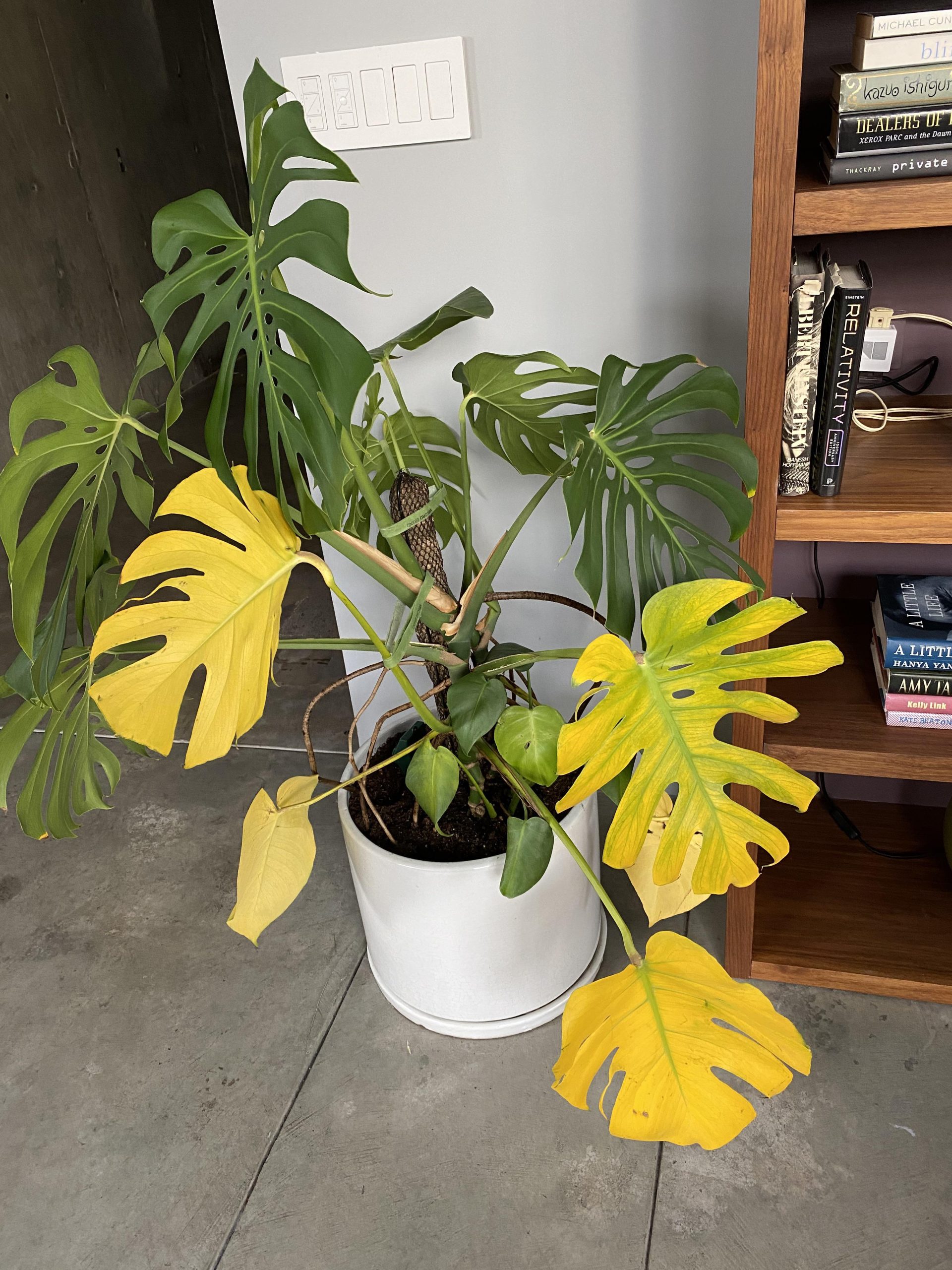
Monstera plants are popular for their striking leaves. But, what happens when those leaves turn yellow?
Monstera leaves can turn yellow for several reasons, and understanding these causes is essential for plant health. Yellowing leaves indicate that something is wrong. It could be overwatering, underwatering, or even pests. Identifying the reason helps you take the right action to restore your plant’s vitality.
In this blog, we will explore common causes of yellowing leaves in Monstera plants. By learning these reasons, you can keep your Monstera healthy and beautiful. Let’s dive into the possible issues and their solutions. Your Monstera deserves the best care, and we’re here to help you provide it.
Common Causes Of Yellowing Leaves
Yellowing leaves on your Monstera can be a sign of several issues. Identifying the cause is crucial to restoring your plant’s health. Let’s explore the common reasons for yellow leaves.
Overwatering Issues
Overwatering is a frequent cause of yellow leaves. Monstera plants prefer to dry out between waterings. Too much water can lead to root rot. This prevents roots from absorbing nutrients. As a result, leaves turn yellow.
Signs of overwatering include:
- Wet soil for long periods
- Musty smell from the soil
- Soft, brown roots
Ensure your Monstera has proper drainage. Use a pot with drainage holes. Allow the topsoil to dry before watering again.
Underwatering Effects
Underwatering can also cause yellow leaves. When a Monstera doesn’t get enough water, it becomes stressed. This stress shows up in the leaves.
Symptoms of underwatering include:
- Dry, crispy leaves
- Soil pulling away from the pot edges
- Drooping stems
To fix this, water your plant thoroughly. Ensure the water reaches the roots. Consistent watering schedules help prevent this issue.
Nutrient Deficiency
Nutrient deficiencies can cause yellow leaves on your Monstera. Essential nutrients like nitrogen, magnesium, and iron are vital for growth.
Here’s a quick guide to nutrient deficiency symptoms:
| Deficient Nutrient | Symptoms |
|---|---|
| Nitrogen | Yellowing of older leaves |
| Magnesium | Yellowing between leaf veins |
| Iron | Yellowing of young leaves |
To correct this, use a balanced fertilizer. Follow the instructions for best results. Regular feeding ensures your Monstera gets the nutrients it needs.

Identifying Signs Of Overwatering
Overwatering is a common reason why Monstera leaves turn yellow. Recognizing the signs of too much water can help save your plant. Knowing what to look for will keep your Monstera healthy and green.
Soggy Soil Symptoms
One of the first signs of overwatering is soggy soil. If the soil feels wet to the touch, it may be a problem. The soil should be moist but not waterlogged. This is a clear sign that your Monstera is getting too much water.
Another symptom is persistent wetness. If the soil remains wet for days after watering, it indicates poor drainage. This can suffocate the roots and lead to yellow leaves.
| Healthy Soil | Overwatered Soil |
|---|---|
| Moist and well-drained | Wet and waterlogged |
| Dries out between waterings | Stays wet for long periods |
Root Rot Indicators
Root rot is another issue caused by overwatering. The roots of your Monstera can rot in waterlogged soil. This is a serious condition that can kill the plant if not addressed.
Signs of root rot include dark, mushy roots. Healthy roots are white and firm. If you notice your Monstera’s roots are soft and brown, it’s a sign of rot.
- Check the roots for any signs of rot.
- Remove any affected roots with clean scissors.
- Repot your Monstera in fresh, well-draining soil.
By identifying these symptoms early, you can take steps to prevent overwatering. This will help maintain a healthy Monstera with vibrant green leaves.
Recognizing Underwatering Stress
Monstera leaves may turn yellow due to underwatering stress. Dry soil and drooping leaves are key indicators of this issue. Ensure consistent watering to maintain healthy foliage.
Underwatering stress is a common reason Monstera plants turn yellow. These tropical plants need consistent moisture to thrive. Recognizing signs of underwatering can save your plant from further damage. Let’s explore how to identify underwatering stress.Dry Soil Signs
Dry soil is a clear indicator of underwatering. Check the top inch of soil. If it feels dry, your Monstera needs water. Dry soil can cause the roots to dry out. This leads to yellow leaves and poor plant health.Leaf Curling And Browning
Leaves may curl or brown due to lack of water. This happens because the plant tries to conserve moisture. Look for curling edges and brown tips on the leaves. These signs show your Monstera is stressed and needs immediate watering. “`Nutrient Deficiency Indicators
Is your Monstera plant turning yellow? One common reason is nutrient deficiency. Understanding nutrient deficiency indicators can help you save your plant. Let’s look at some key signs.
Chlorosis In Leaves
Chlorosis, or yellowing of the leaves, is a clear sign of nutrient deficiency. When a Monstera lacks essential nutrients, its leaves can’t produce enough chlorophyll. Chlorophyll is what gives leaves their green color.
Look for these symptoms:
- Yellowing between the veins of the leaves
- Entire leaves turning yellow
- Leaves falling off prematurely
These symptoms often start on the older, lower leaves first. Newer leaves may stay green longer, but the issue can spread if not addressed.
Slow Growth Patterns
A Monstera with nutrient deficiency will also show slow growth patterns. Nutrients like nitrogen, phosphorus, and potassium are vital for growth. Without them, your Monstera can’t produce new leaves or stems effectively.
Signs to watch for include:
- Stunted leaf development
- Fewer new leaves appearing
- Small or misshapen leaves
If your Monstera’s growth has slowed or stopped, check its nutrient intake. A balanced fertilizer can often solve the problem.
Identifying and addressing nutrient deficiencies early can help your Monstera thrive. Keep an eye on these indicators to maintain a healthy, vibrant plant.
Proper Watering Techniques
Monstera plants can be quite easy to care for, but improper watering can lead to yellowing leaves. Proper watering techniques are crucial to keep your Monstera healthy and vibrant. Overwatering and underwatering are common mistakes that can cause yellow leaves. Let’s explore how to water your Monstera correctly.
Watering Schedule Tips
Creating a consistent watering schedule is important. Water your Monstera once a week. During colder months, you might need to water less frequently. Always check the soil before watering. The top inch of soil should be dry before the next watering session.
Using a calendar or setting reminders can help maintain a regular schedule. Consistency is key to preventing yellow leaves.
Best Practices For Soil Moisture
Ensuring the soil has proper moisture is essential. Monstera plants prefer well-draining soil. Overly wet soil can lead to root rot. Use a pot with drainage holes to avoid waterlogging.
Check the soil moisture with your finger or a moisture meter. The soil should feel slightly damp but not soggy. If the soil is too dry, water the plant thoroughly. Let excess water drain completely.
Maintain a balance between watering and allowing the soil to dry out slightly. This helps avoid both overwatering and underwatering, keeping your Monstera healthy.
Ideal Soil And Potting Mix
Monstera plants are known for their unique leaves and vibrant green color. But, their leaves can turn yellow due to improper soil and potting mix. Ensuring the right soil and potting mix is crucial for the health of your Monstera.
Choosing The Right Soil
Monstera plants thrive in well-aerated soil. The ideal soil should be rich in organic matter. Use a mix that combines peat moss, pine bark, and perlite. This combination helps in retaining moisture while allowing proper air flow.
Here is a quick recipe for the perfect Monstera soil mix:
- 1 part peat moss
- 1 part pine bark
- 1 part perlite
Mix these ingredients well before potting your Monstera. This ensures all elements are evenly distributed.
Importance Of Drainage
Proper drainage is vital for Monstera plants. Poor drainage can lead to root rot, causing yellow leaves. Use pots with drainage holes to prevent waterlogging. Adding a layer of small stones or gravel at the bottom can help.
Here are some tips for ensuring good drainage:
- Choose pots with drainage holes.
- Add a layer of small stones or gravel at the bottom.
- Use a well-draining potting mix.
Water your Monstera when the top inch of soil feels dry. This practice prevents overwatering and keeps the roots healthy.
By following these steps, you provide the ideal environment for your Monstera. Healthy soil and proper drainage ensure lush, green leaves and a happy plant.
Correcting Nutrient Deficiencies
Yellowing leaves on a Monstera plant can be alarming. One common cause is nutrient deficiencies. Proper nutrients are essential for healthy growth. Identifying and correcting these deficiencies can help your Monstera thrive.
Fertilizer Recommendations
Choosing the right fertilizer is crucial. Monstera plants benefit from a balanced fertilizer. Look for a fertilizer with equal parts of nitrogen, phosphorus, and potassium (N-P-K). A common ratio is 20-20-20.
Apply fertilizer every 4-6 weeks during the growing season. Follow the package instructions for the correct dosage. Over-fertilizing can harm your plant.
Consider using a slow-release fertilizer. This type provides nutrients over time. It reduces the risk of over-fertilization.
Signs Of Recovery
After correcting nutrient deficiencies, monitor your Monstera for signs of recovery. New leaves should appear green and healthy. Yellow leaves may not turn green again. But new growth is a good sign.
Look for stronger, more vibrant leaves. The plant should show overall improvement. Regularly check the soil and adjust watering as needed.
Patience is key. Nutrient recovery can take time. Continue providing proper care for lasting health.
:max_bytes(150000):strip_icc()/Why-Are-My-Monstera-Leaves-Turning-Yellow-b2cd94a10c184ae6a214790c893344f7.jpg)
Preventing Future Yellowing
Yellowing leaves on your Monstera plant can be a cause for concern. It indicates that something is wrong with the plant. To ensure your Monstera remains healthy and vibrant, it’s crucial to take preventive measures. Understanding the importance of regular plant maintenance and monitoring plant health can help you avoid yellowing leaves in the future.
Regular Plant Maintenance
Maintaining your Monstera regularly is key to its health. This involves a few simple steps:
- Watering: Water your Monstera when the top inch of soil is dry.
- Light: Place your Monstera in bright, indirect sunlight.
- Humidity: Ensure the environment has high humidity levels.
- Soil: Use well-draining soil to prevent root rot.
- Pruning: Trim dead or yellow leaves to promote new growth.
These simple tasks can make a significant difference. They help prevent yellowing leaves and keep your Monstera thriving.
Monitoring Plant Health
Regularly monitoring your Monstera’s health is essential. It allows you to catch potential issues early.
- Check for Pests: Inspect the leaves for signs of pests like spider mites or aphids.
- Look for Signs of Disease: Spot any unusual spots, discoloration, or mold on the leaves.
- Observe Growth Patterns: Ensure your Monstera is growing steadily and healthily.
- Examine the Roots: Occasionally check the roots for signs of rot or overcrowding.
- Note Leaf Color: Pay attention to any changes in leaf color or texture.
By regularly monitoring these aspects, you can quickly address any issues. This proactive approach can prevent yellowing leaves and ensure a healthy Monstera.
By following these maintenance tips and monitoring your plant’s health, you can keep your Monstera looking lush and green. Regular attention and care are the keys to a vibrant and thriving plant.
Frequently Asked Questions
Why Are My Monstera Leaves Turning Yellow?
Yellow leaves on a Monstera can indicate overwatering, underwatering, or lack of light. Check the soil moisture and adjust your watering schedule. Ensure your plant receives indirect sunlight.
How Do I Fix Yellow Leaves On Monstera?
To fix yellow leaves, adjust watering habits and ensure proper light. Trim damaged leaves and check for pests. Maintain humidity levels and use well-draining soil.
Can Yellow Monstera Leaves Turn Green Again?
Once Monstera leaves turn yellow, they typically do not turn green again. Focus on preventing future yellowing by providing proper care.
Is Overwatering Causing Yellow Monstera Leaves?
Yes, overwatering is a common cause of yellow leaves. Ensure your Monstera has well-draining soil and only water when the top inch of soil is dry.
Conclusion
Yellowing leaves in Monstera plants indicate a problem. It can be overwatering, lack of light, or nutrient deficiency. Check soil moisture and adjust watering. Move the plant to a brighter spot. Use balanced fertilizer. These steps help keep your Monstera healthy and green.
Always monitor changes in your plant. This ensures it thrives and looks its best. Happy gardening!
Leave a Reply