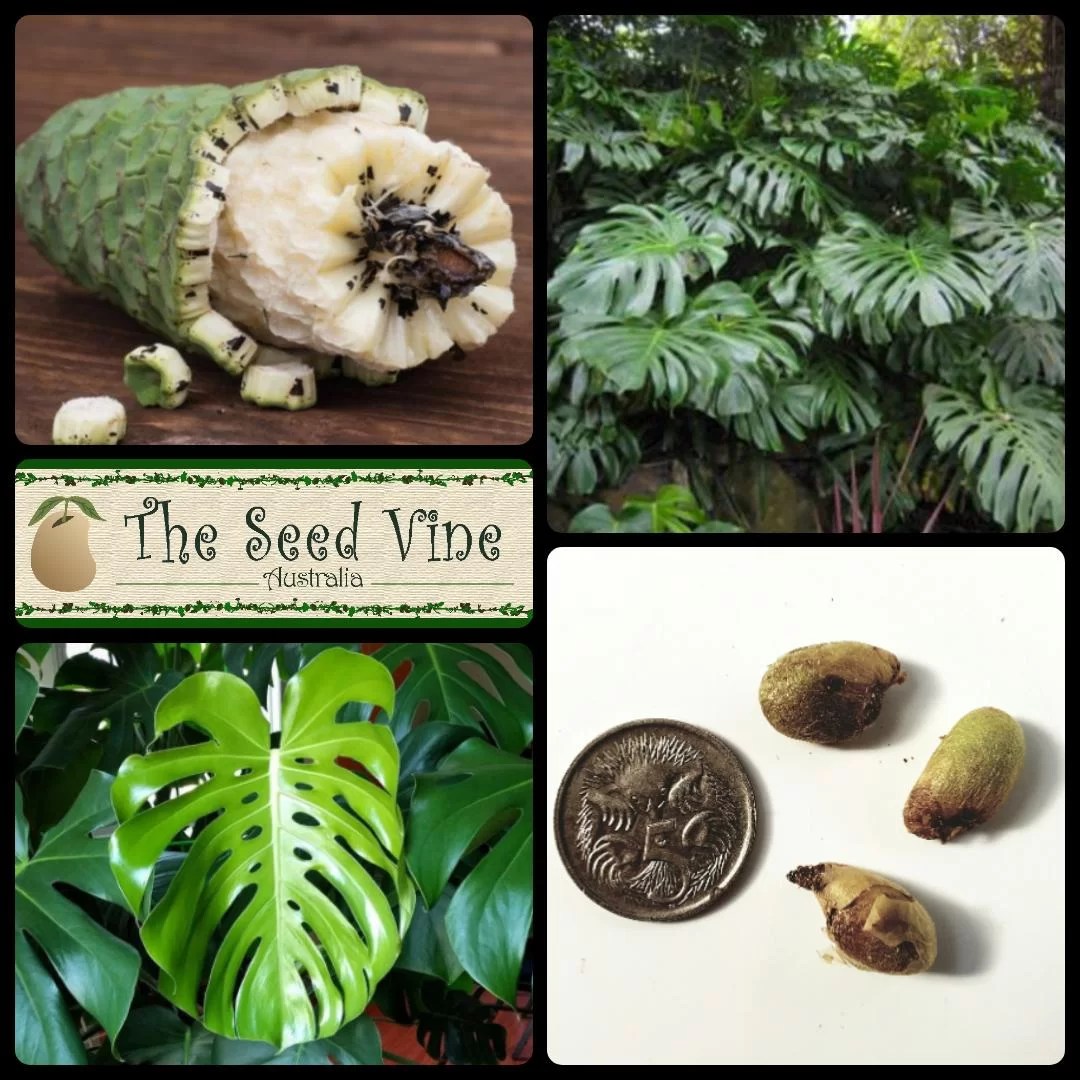
You can get Monstera seeds from various sources. These include online stores, plant nurseries, and even local plant enthusiasts.
Monstera plants are becoming very popular among houseplant lovers. Their unique leaves make them a favorite. You might be wondering how to grow your own Monstera from seeds. This process starts with getting quality seeds. It can be exciting to watch your plant grow from a tiny seed into a beautiful, large plant.
In this blog post, we will explore the best ways to obtain Monstera seeds. You’ll learn where to find them and what to look for to ensure you get good quality seeds. Let’s begin this journey of growing your own Monstera plant.
Introduction To Monstera Plants
Monstera plants are popular for their striking leaves. To get Monstera seeds, look for mature fruits. These fruits contain the seeds needed to grow new plants.
Monstera plants are loved by many plant enthusiasts. Their unique leaves and tropical vibe make them stand out. These plants are native to Central America. They thrive in warm, humid environments. Monstera plants are easy to care for. They can adapt to indoor settings. This makes them perfect for home decor. Many people enjoy having them as houseplants.Monstera Species
There are several species of Monstera plants. Monstera deliciosa is the most popular. It is known for its large, split leaves. Another well-known species is Monstera adansonii. This plant has smaller, hole-filled leaves. Monstera obliqua is rare but highly sought after. Its delicate leaves are full of holes. Each Monstera species has unique features. This diversity adds to their charm.Popularity And Appeal
Monstera plants have gained much popularity. Their striking appearance catches the eye. Many people find them attractive. They add a touch of nature to any space. Monstera plants are also easy to care for. They do not need constant attention. This makes them ideal for busy individuals. Their popularity continues to grow. Many social media influencers feature Monstera plants. This trend has boosted their appeal. People want these plants in their homes. Monstera plants are more than just decor. They are a statement of style. “`Benefits Of Growing Monstera From Seeds
Growing Monstera from seeds offers a unique and rewarding experience. Many gardeners find great joy in nurturing their plants from the very start. This process not only provides a sense of accomplishment but also comes with various benefits. Let’s explore the advantages of growing Monstera from seeds.
Cost-effective
Purchasing Monstera seeds is often more affordable than buying mature plants. Seeds cost less and can be bought in bulk. This allows you to grow multiple plants for the price of one. Economically, this makes sense for plant enthusiasts on a budget.
Satisfaction Of Growth
Watching a Monstera grow from a tiny seed is deeply satisfying. You witness each stage of its development. Every new leaf and root brings excitement. This hands-on experience fosters a deeper connection with your plant.
Growing from seeds teaches patience and care. It provides a greater sense of achievement. You feel proud knowing you nurtured the plant from the start. The journey from seed to mature plant is a rewarding adventure.
Choosing The Right Monstera Seeds
Growing a Monstera plant from seeds can be a rewarding experience. The first step is to choose the right seeds. High-quality seeds ensure healthy growth and vibrant plants. Below are important aspects to consider when selecting Monstera seeds.
Seed Quality
The quality of the seeds is crucial. High-quality seeds have a higher germination rate. They also produce healthier plants. Look for seeds that are fresh and free from damage. Damaged seeds may not sprout or grow well.
Here are some tips to identify good quality seeds:
- Check for seeds that are plump and firm.
- Avoid seeds that are shriveled or discolored.
- Opt for seeds that have been stored in a cool, dry place.
Fresh seeds typically yield better results. Always ask the seller about the harvest date. This ensures you are getting seeds that are still viable.
Trusted Sources
Purchasing seeds from trusted sources is essential. Reputable sellers provide high-quality seeds. They often have better storage practices. This increases the chances of successful germination.
Consider the following when choosing a source:
- Read reviews and ratings of the seller.
- Look for sellers who specialize in Monstera seeds.
- Check if the seller offers a germination guarantee.
Buying from trusted sources ensures you get the best seeds. This sets the foundation for a thriving Monstera plant.
Preparing For Seed Germination
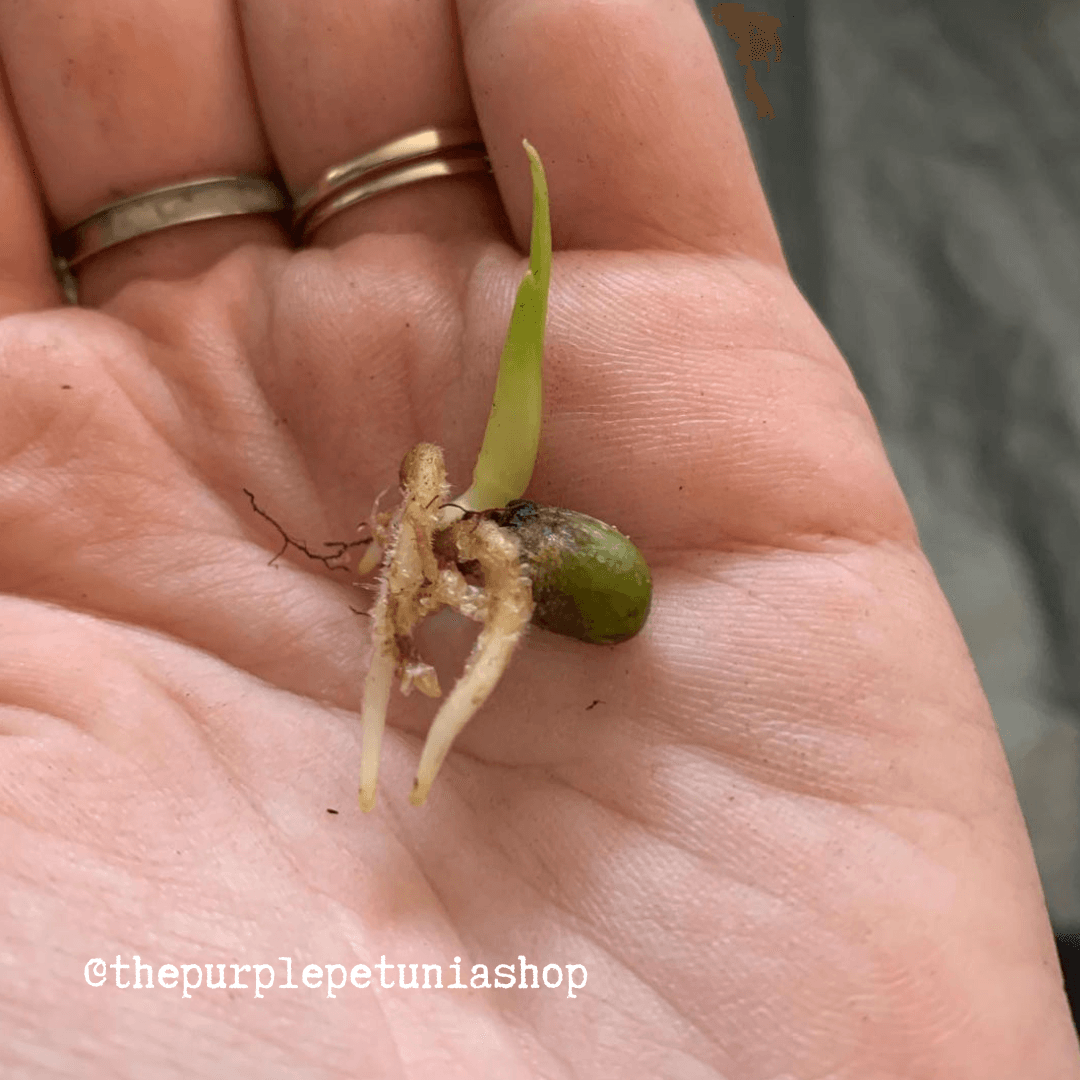
Germinating Monstera seeds is an exciting journey. Proper preparation ensures healthy seedlings. This section covers the essential steps and conditions for successful germination.
Necessary Supplies
Before you start, gather all the necessary supplies. Here’s a list of what you’ll need:
- Monstera seeds
- Seed-starting trays or small pots
- Seed-starting mix or peat moss
- Plastic wrap or humidity dome
- Spray bottle with water
- Labels and markers
Ensure you have fresh, viable Monstera seeds. You can buy them from a reputable supplier. Fresh seeds have a higher germination rate.
Optimal Conditions
Monstera seeds need specific conditions to germinate well. Here are the key factors:
| Condition | Requirement |
|---|---|
| Temperature | 70-80°F (21-27°C) |
| Humidity | High, around 60-80% |
| Light | Indirect sunlight or fluorescent light |
| Soil Moisture | Consistently moist but not waterlogged |
Place the seed trays in a warm, humid spot. Use a heating mat if needed. Cover the trays with plastic wrap or a humidity dome to retain moisture.
Check the soil moisture daily. Use a spray bottle to keep the soil moist. Do not let the soil dry out. Label your trays with the seed planting date.
By following these steps, you’ll create the perfect environment for your Monstera seeds to sprout. Happy planting!
Planting Monstera Seeds
Planting Monstera seeds can be a rewarding experience. You need to follow a few key steps to ensure success. Proper soil preparation and seed sowing techniques are crucial.
Soil Preparation
First, prepare the soil for your Monstera seeds. The soil should be well-draining and rich in organic matter. A mix of peat moss, perlite, and compost works well.
- Use a seed-starting mix or make your own with peat moss and perlite.
- Add compost for added nutrients.
- Ensure the soil is slightly moist, but not waterlogged.
Place the soil in small pots or seed trays. Make sure they have drainage holes.
Seed Sowing Techniques
Now, it’s time to sow your Monstera seeds. Follow these steps for the best results:
- Place the seeds on the soil surface.
- Lightly cover them with a thin layer of soil.
- Gently press down to ensure contact with the soil.
- Water the soil lightly, making sure it’s moist but not soggy.
Keep the pots in a warm, humid environment. You can use a plastic cover to maintain humidity.
Check the soil regularly to ensure it stays moist. Seeds should germinate in 2-4 weeks.
Once seedlings appear, remove the cover and provide indirect sunlight.
Caring For Seedlings
Once your Monstera seeds have sprouted, it’s time to focus on caring for the seedlings. Proper care during this stage is crucial for healthy plant growth. Below are some essential tips to help your Monstera seedlings thrive.
Watering Requirements
Monstera seedlings need consistent moisture to grow well. Water them regularly but avoid overwatering. The soil should be moist but not soggy. Overwatering can cause root rot.
Check the soil moisture by sticking your finger about an inch deep into the soil. If it feels dry, it’s time to water. Use a spray bottle for gentle watering to prevent disturbing the seedlings.
Light And Temperature
Monstera seedlings need bright, indirect light. Direct sunlight can scorch the young leaves. Place them near a window that gets plenty of light but avoid direct sun exposure.
The ideal temperature for Monstera seedlings is between 65°F to 75°F (18°C to 24°C). Keep them away from cold drafts and sudden temperature changes.
Consider using a grow light if natural light is insufficient. This ensures the seedlings get the necessary light for healthy growth.
| Requirement | Details |
|---|---|
| Watering | Keep soil moist, avoid overwatering |
| Light | Bright, indirect light |
| Temperature | 65°F to 75°F (18°C to 24°C) |
Transplanting Young Plants
Transplanting young Monstera plants is a crucial step in their growth journey. Proper transplanting ensures the plants have enough space to thrive. This section covers the essential aspects to consider.
When To Transplant
Knowing the right time to transplant is key. Young Monstera plants should be transplanted when they outgrow their current pots. Usually, this happens when roots start to peek out of the drainage holes or the plant appears top-heavy. It’s often best to transplant during the growing season, which is typically spring or early summer.
Best Practices
Following best practices can help your Monstera plants flourish. Start by selecting a pot that is 2-4 inches larger in diameter than the current one. This gives the roots ample space to expand. Use a well-draining soil mix, ideally one that is rich in organic matter.
Here are some best practices to follow:
- Handle with care: Gently remove the plant from its pot to avoid damaging the roots.
- Check the roots: Trim any dead or rotting roots before transplanting.
- Position the plant: Place the Monstera in the center of the new pot.
- Fill with soil: Add fresh soil around the roots and press lightly to remove air pockets.
- Water thoroughly: Water the plant well after transplanting to help it settle in.
- Provide support: Young Monsteras may need a stake or moss pole for support as they grow.
Following these steps ensures that your young Monstera plants will continue to grow healthy and strong. Happy planting!

Common Issues And Solutions
Monstera seeds can be a joy to grow, but there are several common issues you might face. Understanding these problems and their solutions is crucial for a healthy plant. Let’s break down the main issues you may encounter and how to address them.
Pests And Diseases
Pests can wreak havoc on your Monstera plant. Here are some common pests:
- Spider Mites: These tiny insects can cause yellow spots on leaves. Use insecticidal soap to treat them.
- Mealybugs: They look like small cotton balls. Remove them with a cotton swab dipped in alcohol.
- Scale Insects: These pests appear as small brown bumps. Use a horticultural oil spray to eliminate them.
Diseases can also affect your Monstera seeds. Common diseases include:
- Root Rot: Overwatering can lead to root rot. Ensure proper drainage and reduce watering.
- Leaf Spot: This disease causes spots on leaves. Remove affected leaves and improve air circulation.
Growth Problems
Monstera seeds may face growth problems. Common issues include:
- Slow Growth: Lack of light can slow growth. Place your plant in a bright, indirect light spot.
- Yellow Leaves: Yellowing leaves indicate too much water or poor drainage. Adjust watering habits.
- Leggy Growth: Insufficient light causes leggy growth. Ensure your plant gets enough indirect sunlight.
Understanding these common issues and their solutions can help you grow healthy Monstera seeds. Regular monitoring and proper care are essential for addressing any problems that arise.
Tips For Healthy Monstera Growth
Monstera plants are popular for their large, unique leaves and easy care. To ensure your Monstera thrives, there are several key tips to keep in mind. These tips will help your plant grow healthy and strong.
Fertilization
Monstera plants need regular fertilization to grow well. Use a balanced, water-soluble fertilizer every two weeks during the growing season. This usually spans from spring to early autumn. Ensure the fertilizer contains nitrogen, phosphorus, and potassium. These nutrients are crucial for leaf and root development.
During winter, reduce fertilization to once a month. The plant’s growth slows down in colder months. Over-fertilizing can harm the roots and cause leaf burn. Always follow the instructions on the fertilizer package.
Pruning And Maintenance
Regular pruning helps Monstera plants stay healthy and attractive. Remove any yellow or damaged leaves. This allows the plant to focus energy on new growth. Use clean, sharp scissors or pruning shears to make clean cuts.
Trim back overgrown stems to control the plant’s size and shape. Wipe the leaves with a damp cloth to remove dust. Dust can block sunlight and reduce photosynthesis. Inspect the plant for pests like spider mites and aphids. Treat any infestations immediately to prevent damage.
Conclusion And Next Steps
As we conclude our exploration of obtaining Monstera seeds, it’s essential to consider the next steps. Whether you have successfully sourced your seeds or are still on the hunt, preparing for the subsequent stages ensures a thriving Monstera plant.
Long-term Care
Caring for Monstera seeds doesn’t end once they sprout. Proper long-term care guarantees healthy growth and beautiful foliage. Follow these tips to nurture your Monstera:
- Light: Provide bright, indirect light for your Monstera plant.
- Water: Keep the soil moist but avoid overwatering. Check soil dryness regularly.
- Humidity: Maintain high humidity levels, especially in dry climates.
- Soil: Use well-draining, rich soil. A mix of peat, perlite, and compost works well.
- Fertilizer: Feed monthly during growing seasons with a balanced fertilizer.
Further Resources
For more detailed guidance on Monstera care, consider the following resources:
| Resource | Description |
|---|---|
| Books | “The Complete Guide to Monstera” by Jane Green offers in-depth knowledge. |
| Websites | Visit Monstera.com for expert tips and forums. |
| Community | Join online plant communities and social media groups for shared experiences. |
Embarking on your Monstera journey requires patience, care, and a bit of research. Utilize these resources and tips to cultivate a thriving Monstera plant that adds beauty to your space.
Frequently Asked Questions
Where Can You Buy Monstera Seeds?
You can buy Monstera seeds from online plant stores, garden centers, and specialty nurseries. Ensure the seeds are from a reputable source.
How Do You Germinate Monstera Seeds?
To germinate Monstera seeds, soak them in water for 12-24 hours. Plant in moist, well-draining soil and keep warm.
How Long Do Monstera Seeds Take To Sprout?
Monstera seeds typically take 2-4 weeks to sprout. Maintain consistent moisture and warmth for optimal germination.
What Soil Is Best For Monstera Seeds?
Use a well-draining, nutrient-rich potting mix for Monstera seeds. A mix containing peat, perlite, and orchid bark works well.
Conclusion
Growing Monstera from seeds can be rewarding. Start with fresh, healthy seeds. Plant them in well-draining soil. Keep the soil moist, not wet. Provide bright, indirect light. Be patient, as germination takes time. With care, you’ll soon see new growth.
Enjoy your journey of growing Monstera plants.
Leave a Reply