Ever wondered, “What Monstera do I have?” Identifying your Monstera can be tricky.
These plants come in various shapes and sizes, making them popular among plant enthusiasts. Monsteras are known for their unique leaves and tropical vibes. They thrive indoors and add a touch of nature to any space. With many types like Monstera Deliciosa, Monstera Adansonii, and Monstera Dubia, each plant has its charm.
This guide will help you identify your Monstera. Knowing your plant type helps in proper care and growth. Let’s dive into the fascinating world of Monsteras and learn to identify them!
Introduction To Monstera Plants
Discovering the type of Monstera plant you own can be an exciting journey. Identify unique leaf patterns and growth habits to determine your Monstera variety.
Monstera plants are popular houseplants. They are known for their unique leaves. The holes and splits in the leaves look stunning. Monstera plants come from tropical forests. They thrive in warm, humid conditions. People love them for their beauty and easy care. These plants can grow large. They add a touch of the jungle to any home. Identifying your Monstera is important. It helps you understand its needs better.Popular Varieties
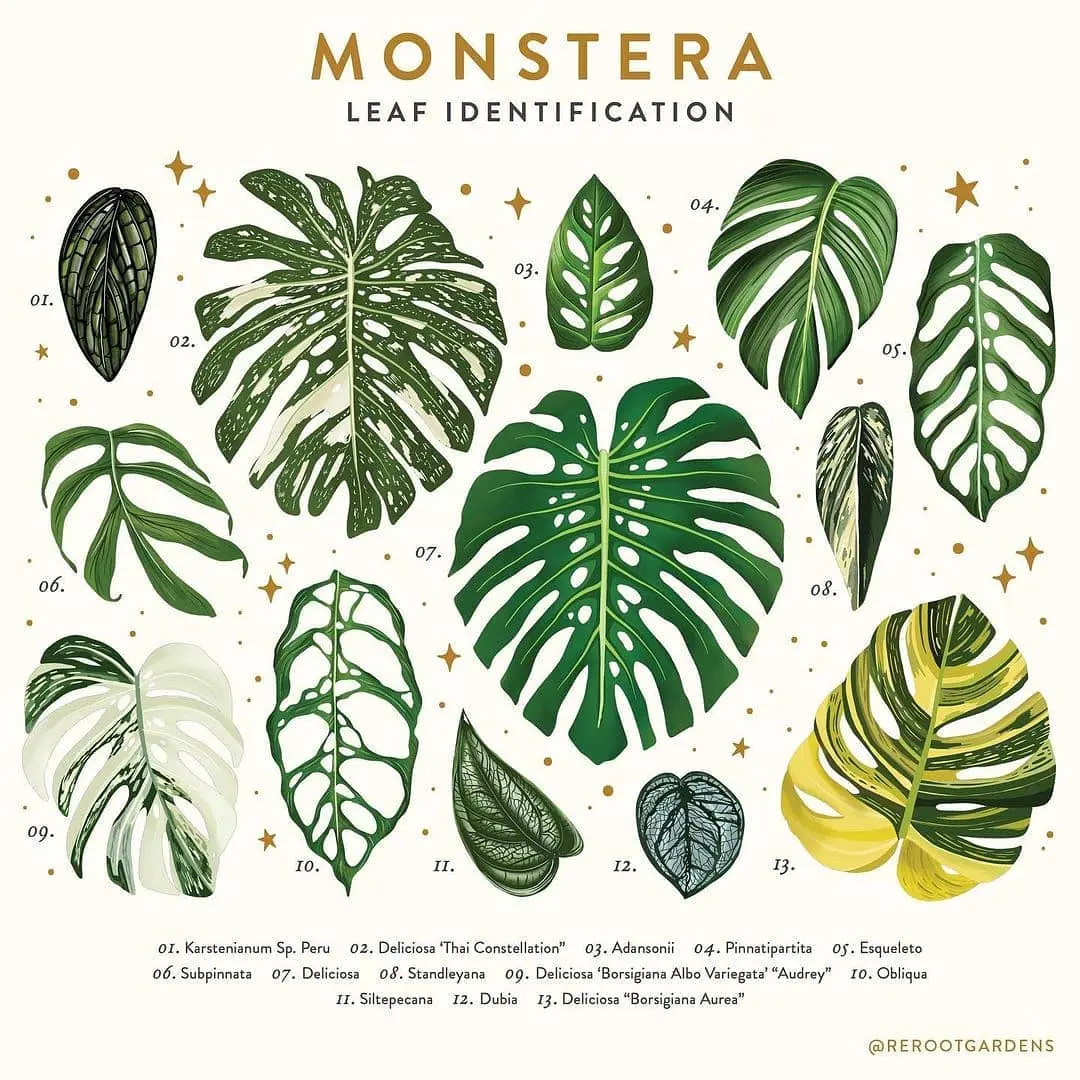
There are many types of Monstera plants. Each has its unique charm. Monstera Deliciosa is the most famous. It has large, split leaves. Monstera Adansonii is another favorite. Its leaves have many holes. Monstera Obliqua is rare and unique. It has more holes than leaf. Monstera Dubia is a climbing type. It has small, heart-shaped leaves. Knowing the variety helps you care for it properly.Importance Of Identification
Identifying your Monstera is crucial. Different types have different needs. Light, water, and care vary. Proper identification ensures your plant thrives. It also helps you spot issues early. If you know the variety, you can give it the right environment. This keeps your Monstera healthy and happy. Identifying your plant also adds to your knowledge. You can enjoy and appreciate it more. “`Physical Characteristics
Identifying your Monstera plant involves examining its physical characteristics. These include leaf shape and size, as well as color and pattern. Recognizing these traits can help you determine which type of Monstera you have.
Leaf Shape And Size
Monstera leaves come in various shapes and sizes. The most common types have heart-shaped leaves with holes or splits. These holes are called fenestrations. They help the plant withstand wind and rain.
- Monstera deliciosa: Large, dark green leaves with deep splits and holes.
- Monstera adansonii: Smaller, oval leaves with fewer holes.
- Monstera obliqua: Thin, delicate leaves with many holes.
Color And Pattern
The color and pattern of Monstera leaves can also vary. Some are solid green, while others have variegated patterns.
- Solid Green: Consistent green color throughout the leaf.
- Variegated: Leaves with white, cream, or yellow patches.
| Type | Color | Pattern |
|---|---|---|
| Monstera deliciosa | Dark Green | Solid or Variegated |
| Monstera adansonii | Light to Dark Green | Solid |
| Monstera obliqua | Green | Solid |
Growth Habits
The growth habits of your Monstera can reveal a lot about its identity. Observing how it grows helps determine its species. Let’s delve into the key growth habits.
Climbing Vs. Non-climbing
Monstera plants have different growth habits. Some species are climbers. They use aerial roots to attach to surfaces. These climbers can grow vertically. They need support like a moss pole or trellis.
Other Monstera species are non-climbing. They spread out horizontally. These plants have a more bushy appearance. They are ideal for ground cover or hanging baskets.
Rate Of Growth
The growth rate varies between Monstera species. Some grow quickly, while others take their time. Fast-growing species include Monstera deliciosa. They can put out new leaves often.
Slow-growing Monstera species, like Monstera adansonii, expand at a steadier pace. They require patience but can be just as rewarding.
Understanding your plant’s growth rate helps you care for it better. Provide the right environment and watch it thrive.
| Species | Climbing | Growth Rate |
|---|---|---|
| Monstera deliciosa | Yes | Fast |
| Monstera adansonii | Yes | Slow |
| Monstera obliqua | No | Moderate |
Knowing the growth habits of your Monstera helps identify it. It also guides you in providing the best care. Happy growing!
Common Monstera Species
Monstera plants are beloved for their unique and striking leaves. These plants are popular choices for indoor gardens. There are several common species, each with distinct characteristics. Let’s explore some of the most popular Monstera species.
Monstera Deliciosa
Monstera Deliciosa is often called the Swiss Cheese Plant. It has large, glossy leaves with natural holes. These holes give the plant a unique and tropical look. The leaves can grow very large, adding a dramatic touch to any space. This species is easy to care for, making it a favorite among plant enthusiasts.
Monstera Adansonii
Monstera Adansonii is also known as the Swiss Cheese Vine. Unlike Monstera Deliciosa, its leaves are smaller and more perforated. The holes are more numerous and give a delicate appearance. This species is a climber, so it thrives on support structures like trellises. It is a great choice for adding vertical greenery to your home.
Identifying Rare Varieties
Identifying rare Monstera varieties can be an exciting and rewarding journey for plant enthusiasts. These unique plants stand out with their distinct features and patterns, making them highly sought after by collectors. In this section, we’ll explore two rare Monstera varieties: Monstera Obliqua and Monstera Thai Constellation.
Monstera Obliqua
The Monstera Obliqua is one of the rarest Monstera varieties. It’s known for its delicate, paper-thin leaves that have large holes, giving it a lace-like appearance. This plant is often confused with the Monstera Adansonii due to their similar features. However, the Obliqua has more perforations and thinner leaves.
Here are some key characteristics to identify a Monstera Obliqua:
- Leaf Texture: Very thin and delicate, almost transparent.
- Leaf Holes: Large and numerous, covering most of the leaf surface.
- Growth Rate: Extremely slow compared to other Monstera varieties.
Identifying this plant requires a keen eye and patience, as they are often mislabeled or confused with other species. Proper care and attention to its unique needs are essential for its growth.
Monstera Thai Constellation
The Monstera Thai Constellation is another rare and striking variety. This plant is famous for its beautiful variegated leaves, which feature creamy white splashes against a dark green background. The Thai Constellation is a cultivated variety, not found in the wild.
Characteristics of the Monstera Thai Constellation include:
- Variegation: Unique patterns of white and green on each leaf.
- Leaf Size: Large, heart-shaped leaves with fenestrations (holes).
- Growth Pattern: Vigorous growth with proper care, though variegated portions may grow slower.
This plant can be a stunning addition to any collection. It requires bright, indirect light and regular watering to maintain its variegation and growth.
Both Monstera Obliqua and Monstera Thai Constellation offer unique beauty and charm. Recognizing their features helps ensure proper care and enjoyment of these rare treasures.
Environmental Preferences
The environment plays a crucial role in the health of your Monstera plant. Understanding its environmental preferences can help you provide the best care. Let’s explore the light, soil, and watering needs for your Monstera.
Light Requirements
Monsteras thrive in bright, indirect light. Direct sunlight can scorch their leaves. Place them near a window with filtered light. If your Monstera gets too much direct sunlight, its leaves may develop brown spots.
If your home has limited light, consider using a grow light. This can help provide the necessary light without risking leaf damage.
Soil And Watering Needs
Monsteras prefer well-draining soil. Use a mix of peat moss, perlite, and orchid bark. This ensures proper aeration and prevents root rot.
Water your Monstera when the top inch of soil is dry. Overwatering can lead to root rot. Underwatering can cause wilting and yellow leaves.
Consider these watering tips:
- Water less in winter when growth slows.
- Use room temperature water.
- Mist the leaves for added humidity.
Monitoring your Monstera’s soil moisture is key. A moisture meter can be helpful in determining when to water.
Common Misidentifications
Many plant enthusiasts often confuse different species of Monstera with other similar-looking plants. These misidentifications can lead to incorrect care and frustration. Let’s dive into some of the most common mix-ups.
Monstera Vs. Philodendron
Monstera and Philodendron are frequently mistaken for one another. Both belong to the Araceae family and share similar traits. This makes it easy to mix them up. Here are some key differences:
- Leaves: Monstera leaves are often larger with unique splits or holes. Philodendron leaves are usually smaller and heart-shaped.
- Growth Pattern: Monsteras tend to climb and grow taller. Philodendrons may climb but also spread wide.
- Roots: Monstera has thick aerial roots. Philodendrons have finer, more fibrous roots.
Monstera Vs. Rhaphidophora
Another common mix-up is between Monstera and Rhaphidophora. Despite their similarities, they are distinct plants. Key distinctions include:
- Leaf Shape: Monstera leaves are usually larger with fenestrations. Rhaphidophora leaves are narrower and more elongated.
- Growth Habit: Both are climbers, but Rhaphidophora tends to grow faster and more aggressively.
- Stems: Monstera stems are thicker. Rhaphidophora stems are thinner and more flexible.
Understanding these differences helps in identifying and caring for your plant correctly. Pay attention to leaf shape, growth pattern, and other unique features.

Resources For Identification
Identifying your Monstera plant can be exciting and challenging. Luckily, there are many resources to help you. Here are some of the best tools to help you figure out what Monstera you have.
Online Plant Databases
Online plant databases are very helpful. They have a lot of information about different plants. You can find pictures and descriptions of various Monstera species.
Popular Online Plant Databases:
- PlantNet
- Plants of the World Online
- The Plant List
These databases often have search filters. You can search by leaf shape, size, and color. Use these features to narrow down your search.
Plant Identification Apps
Plant identification apps make it easy to identify plants. They use your phone’s camera to scan the plant. The app then compares the image to a large database.
Top Plant Identification Apps:
- PlantSnap
- PictureThis
- LeafSnap
These apps are user-friendly. Just take a clear photo of your Monstera. The app will do the rest. It will show you possible matches within seconds.
Using these resources will help you identify your Monstera quickly. Happy identifying!
Frequently Asked Questions
How Can I Identify My Monstera Plant?
To identify your Monstera plant, examine its leaf shape, size, and perforations. Monstera leaves vary greatly. Additionally, consider stem characteristics and growth habits. Comparing your plant to images of known Monstera species can help.
What Are The Common Types Of Monstera?
Common Monstera types include Monstera deliciosa, Monstera adansonii, and Monstera obliqua. Each has distinct leaf patterns. Monstera deliciosa features large, split leaves. Monstera adansonii has smaller, perforated leaves. Monstera obliqua has very thin and heavily perforated leaves.
How Do I Care For My Monstera Plant?
To care for a Monstera, provide bright, indirect light. Water when the top inch of soil is dry. Use well-draining soil and maintain high humidity. Fertilize monthly during growing season. Prune to manage size and encourage growth.
Why Are My Monstera’s Leaves Turning Yellow?
Yellow Monstera leaves often indicate overwatering or poor drainage. Ensure the pot has drainage holes. Let the soil dry out before watering again. Monitor light levels, as too much direct sunlight can cause yellowing.
Conclusion
Identifying your Monstera plant can be fun. Look at the leaf shapes closely. Notice the patterns and colors. Each detail tells a story. Understanding your Monstera helps you care for it better. Happy growing and enjoy your green friend!
Leave a Reply