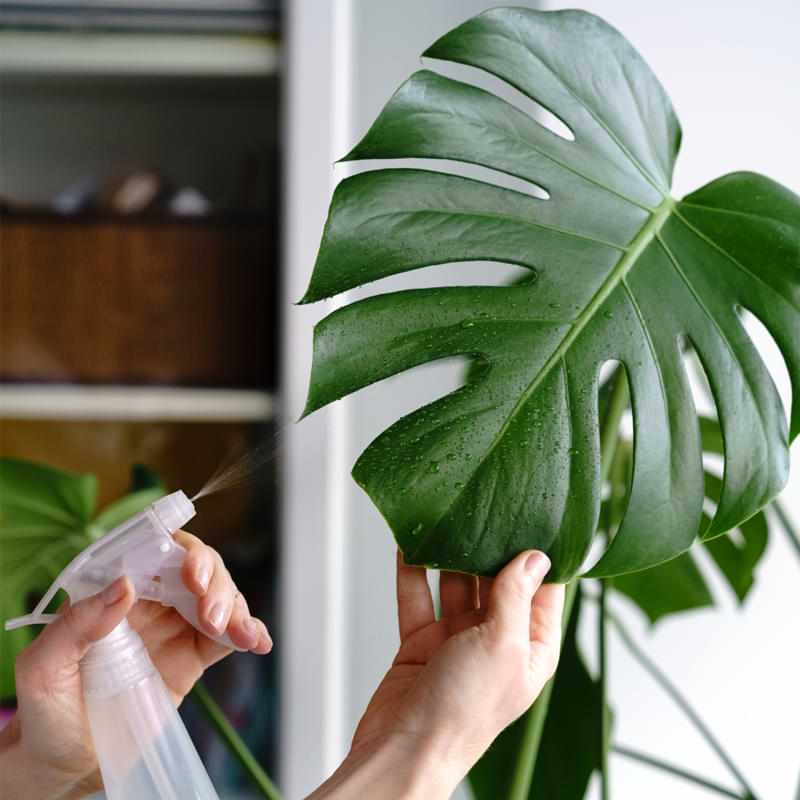
Misting your Monstera can help keep its leaves moist. But is it necessary?
Monsteras are popular houseplants known for their unique leaves. They thrive in tropical environments, which makes humidity important. Some plant owners mist their Monsteras, believing it boosts humidity. But does it really help? The answer isn’t simple. Misting can provide temporary moisture, but it may not be enough.
Understanding your plant’s needs is key. This blog will explore the benefits and drawbacks of misting Monsteras. We’ll also discuss alternative methods to keep your plant happy and healthy. Let’s dive in and find out if misting is right for your Monstera.
Introduction To Monstera Care
Monstera plants are a favorite for many plant lovers. They are known for their large, beautiful leaves. Caring for a Monstera can be easy with the right knowledge. This guide will help you understand the basics of Monstera care.
Brief History
Monstera plants, also known as Swiss Cheese plants, originated in the tropical forests of Central America. They thrive in warm, humid environments. Early explorers found these plants climbing trees and spreading across the forest floor.
Monstera plants became popular in Europe in the 18th century. Botanists were fascinated by their unique leaf patterns. Today, they are common in homes and offices around the world.
Popularity Among Plant Enthusiasts
Monstera plants are adored for their striking appearance. Their large, fenestrated leaves add a tropical touch to any space. This makes them a top choice for interior decorators.
They are also relatively easy to care for, which appeals to both beginners and experienced plant enthusiasts. Monstera plants can grow in various light conditions, though they prefer bright, indirect light.
Another reason for their popularity is their air-purifying qualities. Monstera plants help to clean the air, making indoor spaces healthier.
In summary, Monstera plants are not just beautiful but also practical. Their care is simple, making them a great addition to any plant collection.

Monstera’s Natural Habitat
Understanding the natural habitat of Monstera plants helps in their care. These tropical plants thrive in specific conditions. Knowing these conditions can guide your care routine.
Native Environment
Monstera plants are native to Central and South America. They grow in tropical rainforests. These forests provide the perfect setting for their growth. Monstera plants naturally climb trees in search of light. They have large leaves to catch sunlight filtering through the canopy. The dense foliage offers shade and high humidity. This environment is crucial for their growth.
Climate And Moisture Levels
The rainforests have a warm, humid climate. The temperature ranges from 70°F to 85°F. Humidity levels are consistently high, often above 60%. Regular rainfall keeps the environment moist. This moisture is vital for Monstera plants. It helps them maintain their lush, green appearance. The air is filled with tiny water droplets, creating a misty atmosphere.
This climate allows Monstera to thrive. Understanding this helps in replicating similar conditions at home. Keeping the air humid and warm is key. Regular misting can mimic their natural habitat. It can support their health and growth.
Importance Of Humidity
Humidity is crucial for the health of your Monstera. These plants come from tropical regions. They thrive in humid environments. Ensuring proper humidity levels can make a big difference in their growth and appearance.
Role In Plant Health
Humidity plays a significant role in plant health. Proper humidity levels help Monstera plants absorb nutrients efficiently. They also prevent the leaves from drying out and developing brown edges.
High humidity levels help in maintaining lush and vibrant foliage. Monstera plants are less likely to suffer from diseases when humidity is kept at an optimal level. The ideal humidity level for Monstera is around 60% to 70%.
| Humidity Level | Effect on Monstera |
|---|---|
| 40% or lower | Dry leaves, brown edges, slow growth |
| 60% to 70% | Healthy, vibrant growth, disease resistance |
| 80% or higher | Risk of mold, overwatering issues |
Signs Of Low Humidity
Identifying signs of low humidity is crucial for Monstera care. Some common signs include:
- Brown leaf edges: This indicates the air is too dry for your plant.
- Drooping leaves: Low humidity can cause leaves to wilt or droop.
- Slow growth: Monstera may stop growing if humidity is insufficient.
- Yellowing leaves: This can be a sign of stress from low humidity.
To increase humidity, consider misting your Monstera. Placing a humidifier near the plant can also help. Grouping plants together can create a microclimate with higher humidity.
Misting Benefits
Misting your Monstera offers several benefits. It’s an easy way to care for your plant. Regular misting can improve the plant’s health and appearance. Let’s explore some key misting benefits for your Monstera.
Hydration Boost
Misting gives your Monstera a quick hydration boost. It mimics the plant’s natural tropical environment. This helps keep the leaves moist and vibrant. Misting can be especially helpful in dry indoor settings. It ensures the plant gets the moisture it needs without overwatering the soil.
Dust Removal
Dust can settle on Monstera leaves over time. Misting helps remove this dust effectively. Cleaner leaves can absorb sunlight better. This improves the plant’s ability to photosynthesize. Regular misting keeps your Monstera looking fresh and healthy.
Misting Drawbacks
Misting Monstera plants can seem beneficial, but it has drawbacks. These issues can affect the plant’s health and growth.
Potential Overwatering
Misting can lead to too much moisture on the leaves. This can cause the soil to stay wet for long periods. Excessive moisture can suffocate the roots. This can result in root rot. It can harm or even kill the plant.
Mold And Fungal Risks
Too much misting can create a damp environment. This can attract mold and fungi. Mold can grow on the leaves, making them unsightly. Fungi can infect the plant, causing further damage. These issues can spread to other plants in your home.
Alternative Humidity Solutions
Misting your Monstera can help, but it might not be enough. For better results, consider alternative humidity solutions. These methods can provide consistent moisture, creating a healthier environment for your plant.
Humidifiers
Humidifiers add moisture to the air, which benefits your Monstera. They are easy to use and maintain. Place a humidifier near your plant. This helps keep the humidity levels steady. Choose a model that fits your room size. Some humidifiers also have automatic settings. These adjust humidity levels without extra effort. This way, your Monstera can thrive without constant monitoring.
Pebble Trays
Pebble trays are another simple solution. Fill a shallow tray with pebbles. Add water just below the tops of the pebbles. Place your Monstera pot on top of the pebbles. As the water evaporates, it increases humidity around the plant. Ensure the pot doesn’t sit directly in the water. This prevents root rot. Pebble trays are an affordable option. They also add a decorative touch to your plant setup.
Misting Best Practices
Misting your Monstera can enhance its growth and health. It’s important to follow best practices for optimal results. In this section, we’ll cover the best misting techniques.
Frequency And Timing
How often you mist your Monstera matters. Mist your plant once or twice a week. Avoid over-misting to prevent mold. The best time to mist is in the morning. This allows the water to dry during the day. Misting at night can keep the leaves wet for too long.
Proper Techniques
Using proper techniques ensures the best results for your Monstera. Follow these steps:
- Use a clean spray bottle.
- Fill it with room-temperature water.
- Hold the bottle about 12 inches from the plant.
- Spray the tops and undersides of leaves lightly.
- Avoid soaking the leaves to prevent water spots.
Avoid misting directly on the soil. This can lead to overwatering and root rot. By following these techniques, your Monstera will thrive.
Common Mistakes To Avoid
Misting your Monstera can help maintain humidity and keep it healthy. But, several common mistakes can lead to problems. Let’s look at some pitfalls to avoid to ensure your plant thrives.
Over-misting
Over-misting your Monstera can cause more harm than good. Excess moisture can lead to mold and fungus. These issues can damage the plant’s leaves and roots. Stick to a regular but moderate misting schedule. Observe your plant’s response and adjust as needed. If you notice mold, reduce the misting frequency immediately.
Ignoring Environmental Factors
Not considering the environment can affect your Monstera’s health. Factors like room temperature, air circulation, and natural humidity play a big role. In dry climates, misting might be necessary. In humid areas, misting can be less frequent. Always check the room’s humidity levels. Use a hygrometer if needed. Ensure good air circulation to prevent stagnant moisture around the plant.
Frequently Asked Questions
Why Should You Mist Monstera Leaves?
Misting Monstera leaves increases humidity, which the plant loves. It helps prevent browning edges and promotes healthy growth.
How Often Should You Mist Monstera?
You should mist Monstera 2-3 times a week. Adjust misting frequency based on your home’s humidity levels.
Is Misting Monstera Necessary?
Misting Monstera is not strictly necessary but highly beneficial. It helps recreate the plant’s natural humid environment.
Can Misting Prevent Monstera Leaf Browning?
Yes, misting can prevent leaf browning. It keeps the humidity levels high, which Monstera plants prefer.
Conclusion
Misting your Monstera can boost its humidity. Healthy leaves need moisture. But avoid overwatering. Too much water causes root rot. Monitor your plant’s needs. Check soil and leaf health regularly. Adjust misting based on environment. A balanced approach is key.
Happy Monstera plants thrive with proper care. Remember, each plant is unique. Tailor your misting routine accordingly. Keeping your Monstera healthy doesn’t need to be complicated. Simple, consistent care works best. Enjoy growing your lush Monstera!
Leave a Reply