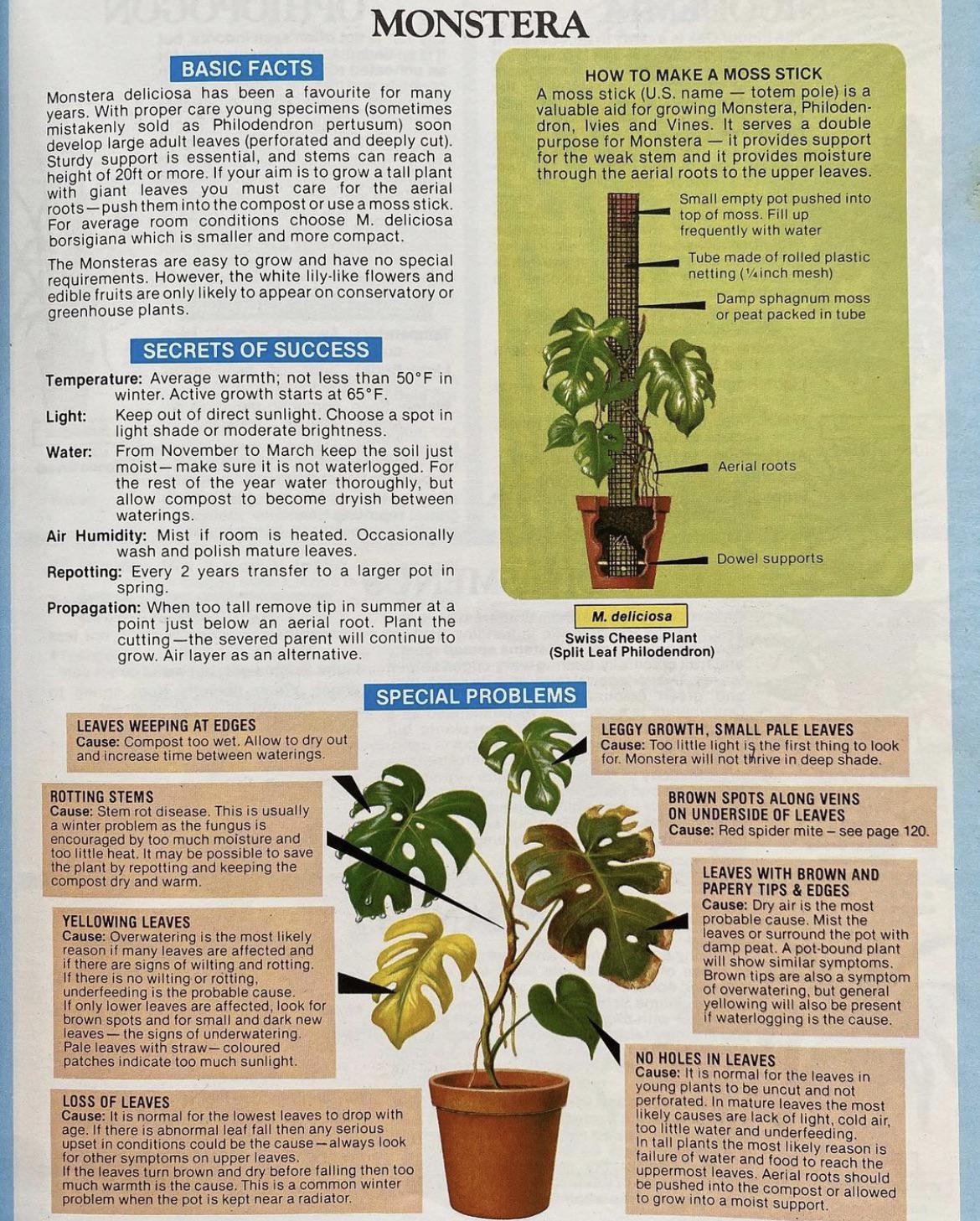
Monstera plants are popular indoor plants. They are known for their large, beautiful leaves.
But what happens when your Monstera shows signs of distress? Understanding the symptoms can help you take action quickly. Monstera plants can show various symptoms indicating they are not healthy. Yellowing leaves, brown spots, or drooping can all signal problems.
These symptoms can be due to overwatering, pests, or insufficient light. Recognizing these signs early can save your plant. By addressing the root cause, you can restore your Monstera to its full glory. In this blog, we will explore common Monstera symptoms. We will also look at what they mean and how to treat them. Keep reading to ensure your Monstera stays healthy and vibrant.
Common Leaf Problems
Monstera plants are popular for their striking leaves and easy care. Yet, they can show signs of stress or illness. Understanding common leaf problems helps keep your plant healthy. Let’s explore some common issues and how to address them.
Yellowing Leaves
Yellow leaves on your Monstera can indicate several issues. Overwatering is the most common cause. When the soil stays wet, roots can’t breathe. This leads to yellow leaves. Check the soil moisture before watering again.
Underwatering can also cause yellow leaves. If the soil is too dry, the leaves may turn yellow. Water your Monstera when the top inch of soil feels dry.
Another reason for yellow leaves is poor lighting. Monstera plants need bright, indirect light. If they get too much or too little light, leaves may yellow. Adjust the plant’s position for better light conditions.
Brown Edges
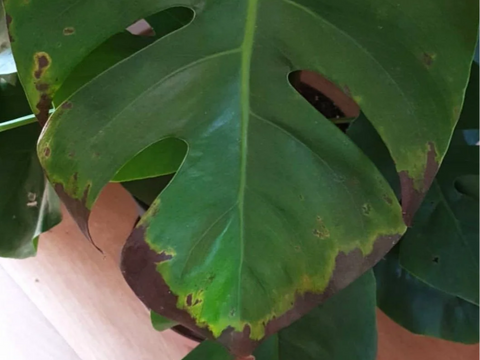
Brown edges on Monstera leaves often point to low humidity. Monstera plants thrive in humid conditions. Increase humidity by misting the leaves or using a humidifier.
Another cause for brown edges is too much fertilizer. Over-fertilizing can burn the leaf edges. Use a balanced fertilizer and follow the recommended dosage.
Inconsistent watering can also lead to brown edges. Ensure you water your Monstera regularly. Let the top inch of soil dry out between waterings.
Lastly, check for pests. Insects like spider mites can damage leaves and cause brown edges. Inspect your plant regularly and treat any infestations promptly.

Pest Infestations
Monstera plants, known for their striking leaves, can suffer from pest infestations. These tiny invaders can harm the plant’s health and appearance. Identifying and controlling pests early can save your Monstera from severe damage.
Spider Mites
Spider mites are tiny pests that can cause big problems for Monstera plants. They usually hide on the undersides of leaves. You may notice small, yellow spots on the leaves. These spots can merge and turn the leaves pale. The presence of fine webbing is another sign of spider mites.
To control spider mites, use insecticidal soap or neem oil. Regularly misting your plant can keep spider mites at bay. They thrive in dry conditions.
Aphids
Aphids are small, soft-bodied insects that suck sap from Monstera plants. They can be green, black, brown, or red. These pests usually cluster on new growth, stems, and the undersides of leaves. Infested leaves may curl and become distorted.
Aphids produce a sticky substance called honeydew, which can lead to sooty mold. To get rid of aphids, spray the plant with water to dislodge them. You can also use insecticidal soap or neem oil for severe infestations.
Root Issues
Monstera plants are popular for their unique, perforated leaves. But, like all plants, they can suffer from root problems. Understanding these issues can help you keep your Monstera healthy and vibrant.
Root Rot
Root rot is a common problem in Monsteras. Overwatering is usually the cause. The roots become soggy and start to decay. Signs of root rot include yellowing leaves and a musty smell.
To check for root rot, remove the plant from its pot. Inspect the roots. Healthy roots are white and firm. Rotted roots are brown and mushy.
If you find root rot, trim the affected roots. Repot the plant in fresh, well-draining soil. Water sparingly until the plant shows signs of recovery.
Overcrowding
Overcrowding occurs when the roots outgrow the pot. This can lead to poor growth and stress on the plant. Signs of overcrowding include roots growing out of the pot’s drainage holes.
To address overcrowding, repot your Monstera. Choose a pot that is 2-3 inches larger in diameter. Gently loosen the roots before placing them in the new pot. Add fresh soil and water thoroughly.
Ensuring your Monstera has enough space to grow will promote better health and foliage.
| Root Issue | Signs | Solution |
|---|---|---|
| Root Rot | Yellow leaves, musty smell | Trim affected roots, repot in fresh soil |
| Overcrowding | Roots growing out of drainage holes | Repot in a larger pot |
Fungal Infections
Fungal infections are common problems for Monstera plants. These infections can damage the leaves and affect the plant’s health. Two common fungal infections are Powdery Mildew and Leaf Spot. Recognizing and treating these symptoms early can save your plant.
Powdery Mildew
Powdery Mildew appears as a white or gray powder on the leaves. It thrives in humid conditions. The mildew blocks sunlight, affecting the plant’s ability to photosynthesize. You may notice:
- White powdery spots on leaves
- Yellowing leaves
- Distorted leaf growth
To treat Powdery Mildew, improve air circulation around the plant. Use a fungicide if necessary. Regularly check for early symptoms to prevent spread.
Leaf Spot
Leaf Spot causes dark, water-soaked spots on the leaves. These spots can turn yellow or brown over time. High humidity and poor air circulation are common causes. Symptoms include:
- Small dark spots on leaves
- Yellowing around the spots
- Leaf drop
To manage Leaf Spot, remove affected leaves immediately. Ensure your Monstera gets adequate airflow. Avoid overhead watering to reduce moisture on the leaves. Fungicides can also help control severe infections.
Nutrient Deficiencies
Monstera plants can develop nutrient deficiencies that manifest through various symptoms. These deficiencies can stunt growth, alter leaf color, and diminish overall plant health. Understanding specific nutrient deficiencies can help you take better care of your Monstera.
Nitrogen Deficiency
Nitrogen is vital for Monstera growth. Nitrogen deficiency shows as yellowing leaves, starting with older ones. The plant’s growth may slow down.
To address nitrogen deficiency, use a balanced fertilizer. Choose one with a higher nitrogen content. Regular feeding can help maintain healthy green foliage.
Magnesium Deficiency
Magnesium is crucial for photosynthesis in Monstera plants. Magnesium deficiency appears as yellowing between leaf veins, often on older leaves first.
To correct magnesium deficiency, Epsom salt can be beneficial. Dissolve 1-2 tablespoons in a gallon of water. Apply it to the soil every few weeks.
| Deficiency | Symptoms | Solution |
|---|---|---|
| Nitrogen | Yellowing leaves, stunted growth | Use a nitrogen-rich fertilizer |
| Magnesium | Yellowing between veins | Apply Epsom salt solution |
Regular monitoring can help identify nutrient deficiencies early. This ensures your Monstera remains vibrant and healthy.
Watering Problems
Monsteras are stunning plants that can beautify any space. They have big, lush leaves. But, they are also prone to watering problems. Understanding these issues is vital for keeping your Monstera healthy. Below, we discuss the symptoms of overwatering and underwatering.
Overwatering
Overwatering is a common issue with Monstera plants. Too much water can lead to root rot. This is a serious condition. Here are some symptoms of overwatering:
- Yellowing leaves
- Mushy stems
- Foul smell from the soil
- Wilting leaves
To avoid overwatering, ensure the pot has drainage holes. Water only when the top inch of soil is dry. Use a well-draining soil mix. This helps prevent water from sitting at the roots.
Underwatering
Underwatering can also harm your Monstera. Lack of water can cause stress to the plant. Here are some symptoms of underwatering:
- Dry, crispy leaves
- Brown leaf edges
- Slow growth
- Drooping leaves
To prevent underwatering, water your Monstera regularly. Check the soil moisture often. If the soil feels dry an inch below the surface, it is time to water. Consistent watering helps keep your Monstera vibrant and healthy.
Light Requirements
Monstera plants thrive in well-lit environments. Proper lighting is crucial for their growth. Understanding the light requirements can help ensure your Monstera remains healthy. Too much or too little light can cause various symptoms. Let’s explore what happens with different light conditions.
Too Much Light
Excessive light can harm your Monstera. Direct sunlight can scorch the leaves. This leads to yellow or brown patches. The plant may look droopy and stressed. Move it to a spot with indirect light. Filtered light through curtains works best. Ensure the plant gets some shade during peak sun hours.
Too Little Light
Insufficient light can stunt your Monstera’s growth. The leaves may become smaller and pale. The plant will stretch towards the light source. This results in a leggy appearance. Place your Monstera near a window with bright, indirect light. Rotate the plant occasionally for even growth. A grow light can also help during darker months.
Environmental Stress
Monstera plants are sensitive to environmental changes. They thrive in stable conditions. Environmental stress can cause various symptoms. These issues can harm your plant’s health. Identifying and managing stressors is crucial.
Temperature Fluctuations
Temperature changes can stress Monstera plants. They prefer consistent temperatures. Sudden drops or rises can cause leaf damage. Brown spots or yellowing leaves are common signs.
Ideal temperatures for Monstera range between 65-85°F (18-29°C). Avoid placing them near heaters or air conditioners. Drafty windows can also cause temperature fluctuations. Monitor your room’s temperature to keep it stable.
Humidity Levels
Monstera plants love humidity. Low humidity can lead to dry, crispy leaves. High humidity can cause mold and fungal issues. Finding the right balance is key.
Optimal humidity levels range from 60-80%. Use a humidifier if your home is too dry. Misting the leaves can also help. Avoid overwatering, as it can lead to root rot. Monitor humidity with a hygrometer.
Frequently Asked Questions
What Causes Yellow Leaves On Monstera?
Yellow leaves can be caused by overwatering, underwatering, or lack of nutrients. Ensure proper watering schedule and use a balanced fertilizer.
How To Treat Brown Spots On Monstera Leaves?
Brown spots often indicate pests or fungal issues. Inspect the plant for pests and treat with neem oil or insecticidal soap.
Why Are My Monstera Leaves Curling?
Leaf curling can result from underwatering, low humidity, or temperature stress. Increase humidity and check watering routine.
What Does Root Rot Look Like In Monstera?
Root rot appears as black, mushy roots with a foul smell. Avoid overwatering and ensure the pot has good drainage.
Conclusion
Caring for a Monstera plant can be rewarding. Recognize symptoms early to keep it healthy. Yellow leaves, brown spots, and drooping can signal issues. Proper light, water, and care make a big difference. Monitor your plant regularly. Adjust care as needed.
Your Monstera will thrive with attention and love. Keep learning and stay patient. Enjoy your beautiful, healthy Monstera.
Leave a Reply