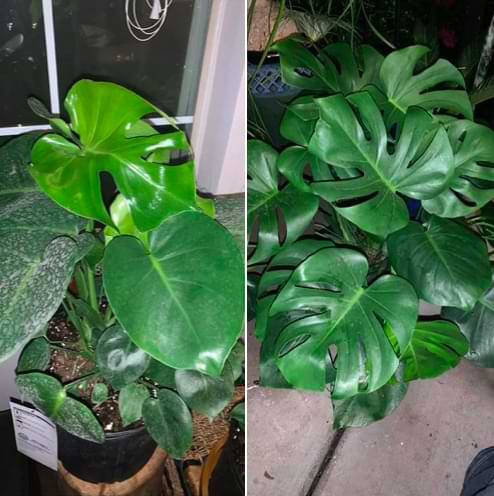
Monsteras, with their iconic split leaves, are a favorite among houseplant enthusiasts. Their growth rate often surprises new plant parents.
If you’ve just brought a Monstera home, you might be curious about how quickly it will transform your space with its tropical flair. These popular houseplants, also known as Swiss cheese plants, have a reputation for being fairly quick growers under the right conditions.
Indoor gardeners love the lush, dramatic impact Monsteras bring to a room, but how fast do they truly grow? It’s a question that touches on several factors, including light, water, soil, and the specific type of Monstera you have. In the next few paragraphs, we’ll explore what to expect from your green friend. We’ll talk about the care that encourages growth and how to tell if your Monstera is thriving. Whether you’re a seasoned gardener or a beginner, understanding your Monstera’s growth can help you care for it better, ensuring that it remains a stunning feature in your home for years to come.
Growth Rate Factors
Monsteras are popular houseplants known for their unique leaves. People often wonder how fast they grow. Several factors affect their growth. Let’s explore these factors in detail.
Light Conditions
Light plays a crucial role in the growth of Monsteras. These plants thrive in bright, indirect sunlight. Direct sunlight can burn their leaves. Too little light slows down their growth. Here are key points:
- Place near a window that gets indirect sunlight.
- Avoid direct sun to prevent leaf burn.
- Rotate your plant regularly for even growth.
Remember, the right amount of light encourages faster growth.
Soil Quality
The right soil mix is vital for Monstera growth. These plants prefer a peat-based, well-draining soil. A good soil mix provides:
- Nutrients for healthy roots and leaves.
- Drainage to prevent root rot.
- A balance of moisture and air.
Consider a mix designed for aroids or make your own with peat, perlite, and pine bark.
Watering Habits
Watering is crucial but tricky. Monsteras like their soil moist, not wet. Overwatering can lead to root rot. Underwatering stunts growth. Tips for proper watering:
- Water when the top inch of soil feels dry.
- Use room temperature water.
- Reduce watering in winter.
Stick to a routine but adjust based on the plant’s needs and season.
Optimal Conditions
Monsteras are popular houseplants with a reputation for being easy to care for. They’re known for their striking leaves and ability to grow large in the right conditions. Understanding how fast Monsteras grow involves looking at their environment. This includes temperature and humidity. Let’s dive into what these plants need to thrive.
Temperature Range
Monsteras prefer warm environments. They thrive best in temperatures that mimic their natural habitat. Think of the warm tropics. A cozy spot in your home that’s consistently warm is ideal. Here’s a simple breakdown:
- Daytime: Aim for between 68°F to 86°F (20°C to 30°C).
- Nighttime: A slight drop is okay. Keep it above 60°F (15°C).
Be mindful of sudden temperature changes. They can shock the plant. Keeping your Monstera away from drafts and radiators helps. Consistency is key for steady growth.
Humidity Levels
Humidity is just as crucial as temperature for Monsteras. They love moisture in the air. It reminds them of the rainforest. Here’s a simple guide to help:
- Ideal humidity: Aim for around 60% humidity.
- Minimum: No lower than 40% to avoid dry leaves.
Not sure how to maintain humidity? Try misting your plant. You can also use a humidifier or place a water tray nearby. This will help the plant’s leaves stay lush and green. Remember, dry air can slow growth. It can even cause brown tips on the leaves.
Propagation Methods
Monsteras, also known as Swiss Cheese Plants, are popular for their unique leaves. They grow at different rates depending on their environment. This blog post will focus on how these tropical beauties reproduce. We’ll cover two main propagation methods. Let’s dive into the world of Monsteras and their growth!
Cuttings
Propagating Monsteras through cuttings is a simple process. It starts with a healthy leaf and stem. Here’s what you need to do:
- Choose a stem with at least one node. Nodes are bumps on the stem.
- Snip the cutting just below a node. Use clean, sharp scissors.
- Place the cutting in water. Make sure the node is submerged.
- Wait for roots to grow. This can take 2-3 weeks or more.
- Plant the cutting in soil once roots are a few inches long.
During this time, keep your cutting in a warm place with indirect light. Change the water every few days to keep it fresh. With proper care, your Monstera cutting will thrive and grow into a new plant.
Division
Division is another way to propagate Monsteras. It involves splitting a mature plant into smaller parts. This method is best for large, established plants. Here’s a step-by-step guide:
- Remove the parent plant from its pot carefully.
- Inspect the root ball and find natural separations.
- Gently pull apart the sections, each with roots and leaves.
- Re-pot the divisions into new pots with fresh soil.
Water the new plants well and place them in a spot with bright, indirect sunlight. Keep the soil moist but not soggy. In a few weeks, the divisions will start to establish themselves. Before long, they will begin to grow just like the parent plant.

Seasonal Growth Patterns
Monstera plants are popular for their lush leaves and tropical feel. Many plant enthusiasts wonder about their growth rate and patterns. Understanding these can help you care for your Monstera better. Let’s explore how fast Monsteras grow and their seasonal behavior.
Spring Growth
Monsteras show significant growth during spring. Warmth and longer daylight hours trigger a growth spurt. During this time, it’s crucial to provide the right conditions for optimal growth. Some key points to note:
- Increased watering may be necessary as the plant awakens from its dormant state.
- Fertilize your Monstera to support new leaves and stems.
- Expect to see new leaves unfurling, often larger and more perforated.
Keep an eye out for signs your Monstera needs support. Staking or a moss pole can help as it grows taller and wider. Remember to rotate your plant to ensure even growth.
Winter Dormancy
During winter, Monstera growth slows down. The plant enters a dormant period, conserving energy. To care for your Monstera in winter:
- Reduce watering, as the plant’s water needs decrease.
- Avoid fertilizing, as the plant is not actively growing.
- Ensure the plant gets enough light despite shorter days.
Keep your Monstera away from cold drafts and heating vents. Both can harm the plant. Patience is key during this season. Wait for spring for your Monstera to resume its growth.
Common Growth Issues
Monsteras are popular houseplants known for their unique leaves. They grow under the right conditions but face issues too. Let’s discuss these common growth issues.
Pests And Diseases
Monsteras can face problems from pests and diseases. These issues slow their growth. Common pests include:
- Spider mites: Tiny bugs seen as small dots on leaves.
- Mealybugs: White, cotton-like patches on leaf joints.
- Scale: Brown, hard bumps on stems and leaves.
To fight these pests, use soap water or natural oils. Wipe leaves gently. For diseases like root rot, overwatering is often the cause. Roots turn brown and mushy. To avoid this, ensure good drainage. Cut off the damaged roots. Repot in fresh, well-draining soil.
Nutrient Deficiencies
Monsteras need the right nutrients to grow well. Signs of nutrient deficiencies include:
| Nutrient | Signs of Deficiency |
|---|---|
| Nitrogen | Yellow leaves, slow growth |
| Phosphorus | Dark or purple spots on leaves |
| Potassium | Edges of leaves turn brown |
To fix these issues, use a balanced fertilizer. Apply it every month during growing seasons. Make sure not to over-fertilize. This can harm the plant more. Water the plant before and after applying fertilizer. This helps prevent root burn.
Signs Of Healthy Growth
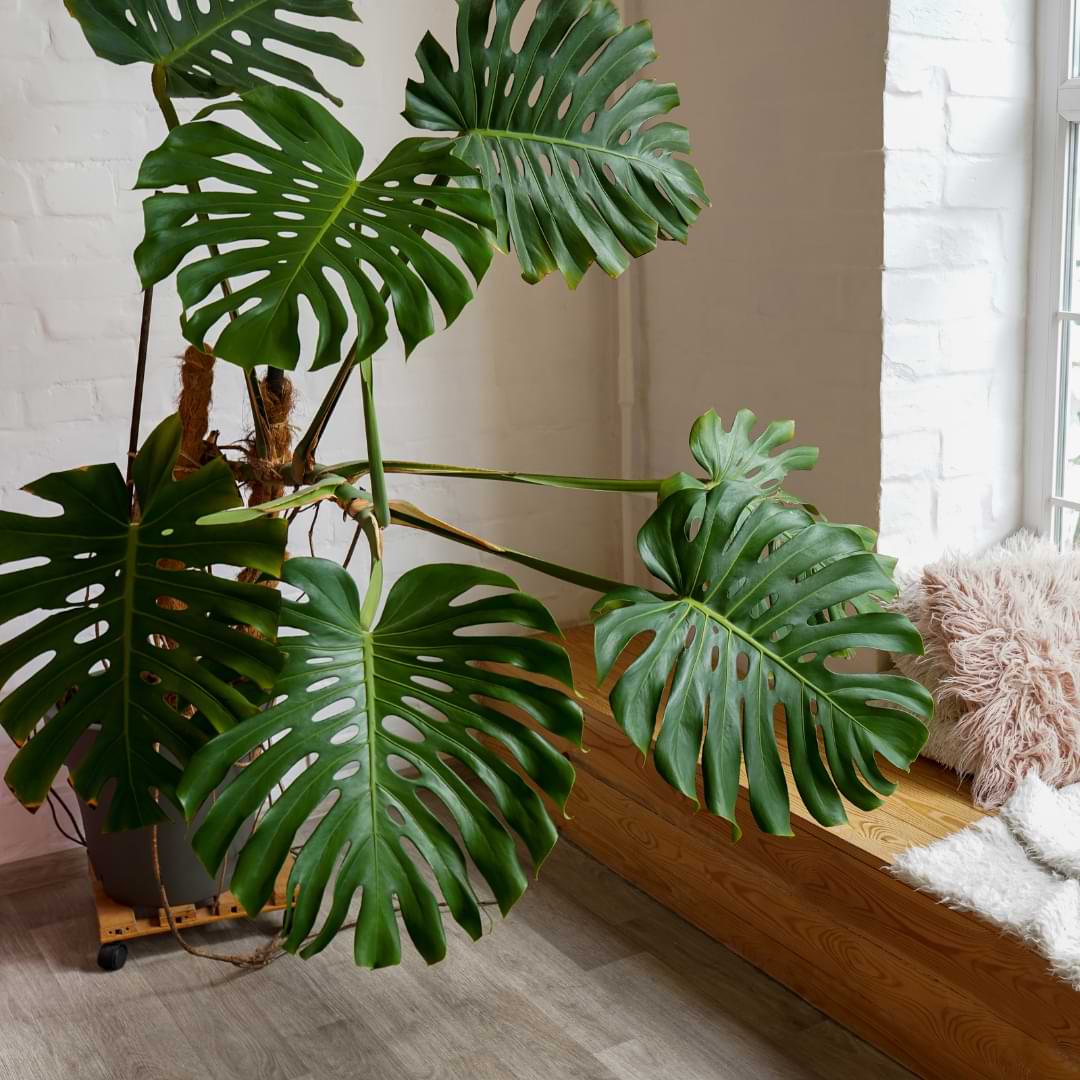
Monsteras are popular indoor plants, loved for their unique foliage. These tropical beauties are known for their striking leaves and have become a favorite among plant enthusiasts. The speed of their growth can vary, but several factors contribute to their overall health and vigor. Understanding these can help ensure your Monstera not only grows quickly but also thrives.
Leaf Development
Monstera leaves tell a lot about the plant’s well-being. New leaves should emerge regularly, showing a bright green color. As they mature, they will develop the characteristic splits and holes, known as fenestrations. These signs indicate good health. Here’s what to look for in leaf development:
- Color: Leaves should be a vibrant green.
- Texture: They ought to be thick, not thin or flimsy.
- Size: New leaves are smaller but grow quickly.
- Pattern: Look for even and symmetrical fenestrations.
Light is crucial for growth. Make sure your Monstera gets enough indirect sunlight. Too little light can slow down the development of new leaves and fenestrations. A balance is key, as too much direct sunlight can burn the leaves.
Root Health
Roots are the lifeline of Monsteras. Healthy roots are white or light tan and feel firm to the touch. They should not look mushy or discolored. Root health can be checked during repotting or when you see them peeking out of the drainage holes. Good root practices include:
- Watering: Water when the top inch of soil feels dry.
- Drainage: Ensure pots have holes to prevent waterlogging.
- Soil: Use a well-draining potting mix.
- Space: Repot your Monstera when it outgrows its current pot.
Avoid overwatering, as it can lead to root rot, a serious issue that can hinder growth and potentially kill the plant. If you suspect root rot, act fast. Remove the plant from the pot, trim away any mushy roots, and repot in fresh soil.
Care Tips For Faster Growth
Monsteras, also known as Swiss cheese plants, are popular for their lush, tropical look. People often wonder about their growth rate. With proper care, these plants can grow quite fast. Some tips can help them along. Let’s dive into how to boost Monstera growth.
Fertilization
Monsteras need the right food to grow well. Think of fertilizer as a balanced diet for your plant. A regular feeding schedule helps. Use a high-quality fertilizer every month during spring and summer. These seasons are the main growing times. In fall and winter, feeding them every other month is enough. Always follow the instructions on the fertilizer package. Too much can harm your Monstera.
- Nitrogen helps with leaf growth.
- Phosphorus is key for roots and blooms.
- Potassium keeps the overall plant health.
Go for a 20-20-20 blend. This mix is good for indoor plants. Water the plant after applying fertilizer. This stops root burn and spreads nutrients.
Pruning Techniques
Pruning is not just about shaping your Monstera. It’s also about health and growth. Cut away any yellow or dead leaves. This helps the plant focus on new growth. Always use clean, sharp shears. This prevents disease and damage. Prune in the growing season, which is spring and summer. Don’t cut too much at once. It can stress the plant.
Here’s a quick guide:
| Part to Prune | Reason |
|---|---|
| Dead leaves | Redirects energy to new growth |
| Overly long vines | Encourages bushier growth |
| Aerial roots | Improves plant shape and size |
Remember, a light trim does wonders. It keeps your Monstera healthy and growing strong.

Growth Comparisons
Many people wonder about the growth speed of Monsteras. This blog looks at how these plants grow. We compare their growth in different settings and varieties.
Indoor Vs. Outdoor
Monsteras can grow both inside and outside. Where you place them makes a big difference. Indoor Monsteras grow slower than outdoor ones. This is because of light and space. Inside, they get less natural light. They also have limited space. But, with good care, they can still thrive.
- Light: More light outside helps Monsteras grow faster.
- Space: Outside, these plants have more room to spread.
- Water: Outdoor plants might need more water. Rain helps too.
Indoor Monsteras need special care. They need bright, indirect light. You must also water them right. Not too much, not too little. This helps them grow well inside.
Variety Differences
Not all Monsteras are the same. Some types grow faster than others. Monstera Deliciosa is a fast grower. Monstera Adansonii grows a bit slower. This depends on their type.
| Type | Speed |
|---|---|
| Monstera Deliciosa | Fast |
| Monstera Adansonii | Medium |
Each Monstera type has its own needs. Soil, light, and water are key. Good care makes all types grow well. Some might grow big leaves. Others grow more leaves. It all depends on the type and care.
Monitoring Growth Progress
Monstera plants are popular for their lush foliage and tropical vibes. Many plant enthusiasts want to know about their growth rate. It’s interesting to track how these plants expand and mature. This post explores the growth pace of Monsteras and tips on monitoring their development.
Growth Tracking
Monsteras are not the fastest growers. Yet, they show noticeable changes with proper care. Here are some ways to keep tabs on their growth:
- Measure the leaves and stem regularly.
- Take monthly photos from the same angle.
- Keep a growth journal to note changes.
Leaf size can be a good indicator. A mature Monstera leaf can span up to 3 feet. Young plants may only add a few inches each year. But, they can grow faster as they get older. Bright, indirect light and the right soil mix can help. Remember to water when the top inch of soil feels dry.
Using Growth Charts
Charts can help plant owners understand growth patterns. They show the average size of Monsteras at different stages. This table illustrates a simple chart:
| Age (Years) | Average Height | Average Number of Leaves |
|---|---|---|
| 1 | 1-2 feet | 5-10 |
| 2 | 2-3 feet | 10-15 |
| 3+ | 3-5 feet | 15-30 |
These numbers are just guides. Real growth can vary. Factors like light, water, and nutrition play a role. Compare your plant to the chart every few months. See if it matches the average or if it needs more care. Room to grow is key. Make sure your Monstera has space to thrive.
Long-term Growth Strategies
Monstera plants are popular in homes for their lush leaves. Understanding their growth can be tricky. They grow at a moderate pace. But with the right care, they can thrive. Here are some tips to help your Monstera grow well over time.
Repotting
Monstera plants need room to grow. Their roots can become too big for their pots. Repotting is essential. It helps the plant stay healthy and grow fast. Experts suggest doing this every two years. Here’s what to do:
- Choose the right time. Spring is best for repotting.
- Select a pot that’s bigger. Two inches more in diameter can help.
- Use fresh soil. It gives your Monstera new nutrients.
- Be gentle with the roots. Handle them with care to avoid damage.
After repotting, water the plant well. But don’t overdo it. Too much water can harm the roots.
Environmental Adjustments
Monsteras love a certain kind of environment. They need indirect light and humidity. These factors can speed up their growth. Here are some tips:
- Place your Monstera in a spot with bright, indirect sunlight.
- Keep the room warm. Monsteras like temperatures between 60-80°F.
- Boost humidity. Use a humidifier or mist the leaves.
- Ensure good air flow. It helps prevent disease.
By making these changes, your Monstera can grow faster. It will also look better. And you’ll enjoy it more in your home.
Conclusion
Monstera plants grow at a steady pace, surprising many with their size. They need proper care and the right conditions. Give them light, space, and water. These plants will thrive and reach their growth potential. Remember, patience is key. Don’t rush their natural process.
With time, your Monstera will become a lush, green centerpiece in your home. Enjoy watching your plant buddy flourish!
Leave a Reply