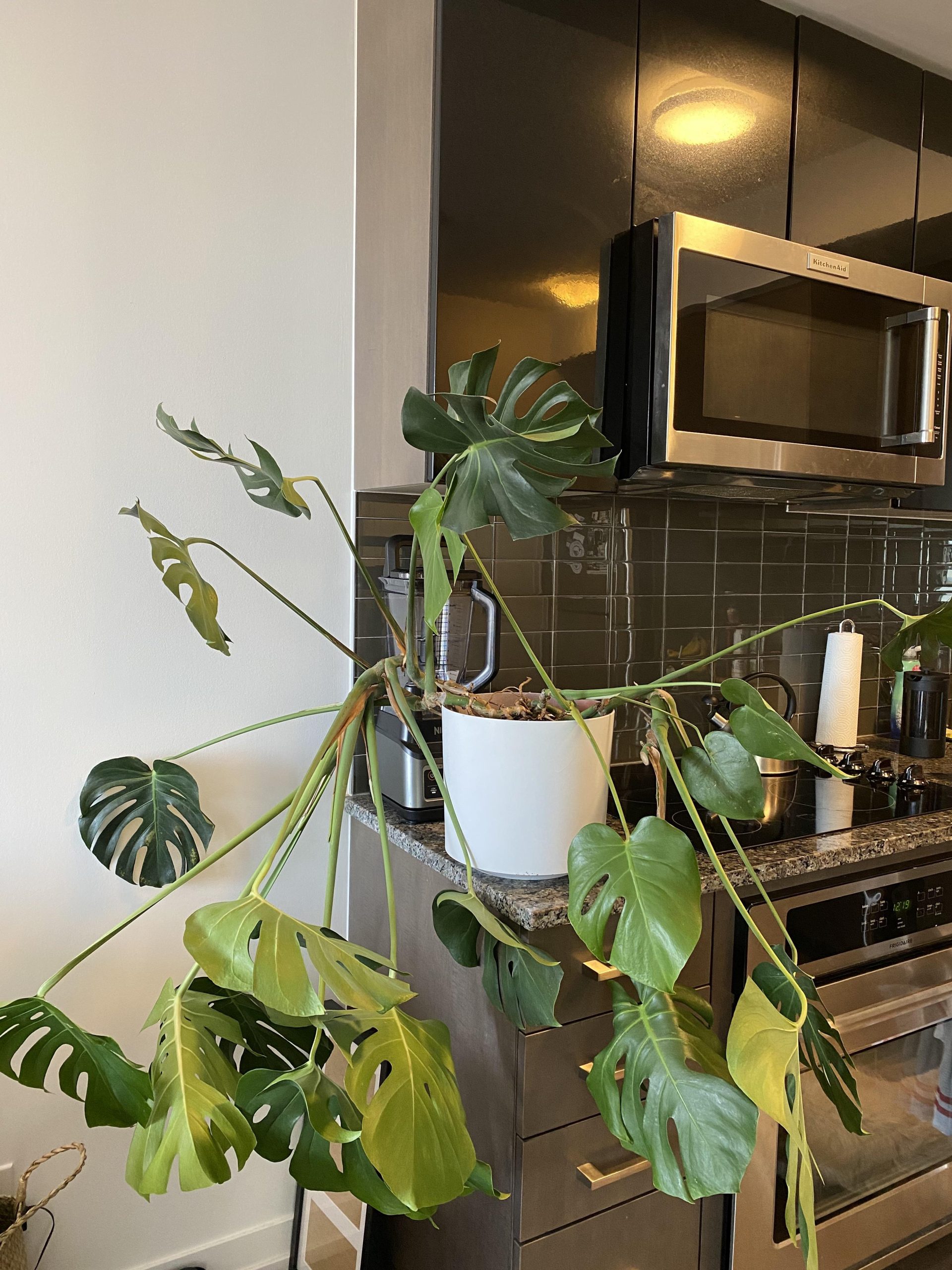
Monstera plants are popular for their stunning leaves and easy care. They can grow tall and lush with the right steps.
If you want to know how to make Monstera grow up, you’ve come to the right place. Monstera plants, also known as Swiss cheese plants, are famous for their beautiful, hole-filled leaves. These tropical plants can become the centerpiece of any room.
But, like any plant, they need some help to thrive and grow upwards. In this guide, we will explore simple tips and tricks to help your Monstera reach new heights. From proper lighting to watering techniques, you’ll learn everything you need to make your Monstera plant grow tall and healthy. Let’s get started!

Introduction To Monstera Care
Monstera plants are popular among houseplant enthusiasts for their unique, split leaves. Proper care is essential for these tropical plants to thrive and grow. This guide provides an overview of Monstera care, highlighting the key aspects to ensure healthy growth.
Plant Overview
Monstera, also known as the Swiss cheese plant, originates from tropical forests. These plants are known for their large, glossy leaves with distinctive holes. Monsteras can grow quite large and are perfect for adding a touch of greenery to any space.
Importance Of Proper Care
Proper care ensures that your Monstera stays healthy and vibrant. Without the right conditions, the plant may struggle and not reach its full potential. Light, water, and soil are crucial elements to consider. Each aspect plays a significant role in the plant’s overall health.
Ensuring good care not only helps the plant grow but also prevents common issues. Pests and diseases can be avoided with proper attention. A well-cared-for Monstera can become a stunning centerpiece in your home.
Choosing The Right Environment
Choosing the right environment is crucial for your Monstera plant. This ensures healthy growth and vibrant leaves. Monstera plants thrive in specific conditions. Understanding these conditions can make your plant flourish.
Optimal Light Conditions
Monstera plants love bright, indirect light. Direct sunlight can scorch their leaves. Place them near a window with filtered light. North or east-facing windows are ideal. Too little light can stunt their growth. Ensure the plant gets enough light without direct exposure.
Ideal Temperature And Humidity
Monstera plants prefer warm environments. Keep the temperature between 65°F and 85°F. Avoid cold drafts and sudden temperature changes. High humidity levels are also essential. Aim for 60% humidity or higher. Use a humidifier if needed. Misting the leaves can also help maintain humidity.
Soil And Potting Mix
Ensuring the right soil and potting mix is crucial for your Monstera’s growth. The soil provides essential nutrients and stability. A well-chosen potting mix supports healthy roots and prevents common problems.
Best Soil Types
Monstera plants thrive in well-aerated soil. A mix of peat, pine bark, and perlite works best. This combination ensures the soil is light and airy. Avoid heavy soils like clay, as they retain too much water.
Importance Of Drainage
Proper drainage is vital for Monstera plants. Roots can rot if they sit in water. Use pots with drainage holes. This allows excess water to escape. Place a layer of rocks or gravel at the bottom of the pot. This helps improve drainage and keeps roots healthy.

Watering Techniques
Monstera plants are popular for their stunning, split leaves. Proper watering techniques ensure healthy growth. Watering is crucial for Monstera care. Too much or too little can cause problems. Let’s explore the best ways to water your Monstera.
How Often To Water
Water your Monstera when the top inch of soil feels dry. Check the soil by sticking your finger into it. If it feels dry, it’s time to water. In warmer months, you may need to water once a week. During cooler months, reduce watering to every two weeks.
Signs Of Overwatering
Overwatering can harm your Monstera. Watch for yellowing leaves. This is a common sign of too much water. Also, check for mushy stems. They indicate root rot. If you see these signs, reduce watering immediately. Allow the soil to dry out before watering again.
Fertilizing Your Monstera
Fertilizing your Monstera is crucial for its growth. Proper fertilization provides essential nutrients, helping your plant thrive. Let’s explore the best fertilizers and the ideal fertilizing schedule for your Monstera.
Best Fertilizers
Choosing the right fertilizer is important. Here are some top options:
- Balanced Liquid Fertilizer: A 20-20-20 or 10-10-10 formula works well.
- Slow-Release Granules: These provide nutrients over time. Great for busy plant owners.
- Organic Fertilizer: Compost or worm castings are eco-friendly choices.
| Type | Advantages | Disadvantages |
|---|---|---|
| Balanced Liquid Fertilizer | Quick absorption, easy to apply | Needs frequent application |
| Slow-Release Granules | Long-lasting, less frequent application | Can be more expensive |
| Organic Fertilizer | Natural, improves soil health | May have a strong odor |
Fertilizing Schedule
A consistent fertilizing schedule helps your Monstera grow strong and healthy. Follow this simple plan:
- Spring and Summer: Fertilize every 2-4 weeks. These are the growing seasons.
- Fall: Reduce to once a month. Growth slows down.
- Winter: Fertilize every 6-8 weeks. The plant is mostly dormant.
Remember to water your Monstera before fertilizing. This prevents root burn. Also, always follow the instructions on the fertilizer package. Over-fertilizing can harm your plant.

Pruning And Training
Prune old leaves to help Monstera grow upward. Train stems using supports like stakes or trellises. This encourages vertical growth.
To help your Monstera grow beautifully, pruning and training are essential. These methods guide your plant’s growth and keep it healthy. Let’s explore how to prune and support your Monstera’s growth.How To Prune
Pruning helps your Monstera stay healthy and look neat. First, use clean, sharp scissors or pruning shears. Cut any yellow or brown leaves at the base. Remove dead or damaged leaves to encourage new growth. Trim long stems to control the plant’s shape. Make clean cuts to avoid harming the plant. Pruning also encourages new leaves and stems. Focus on areas where the plant looks crowded. Thin out excess growth to allow light and air to reach all parts of the plant. This promotes overall health and prevents disease.Supporting Growth
Training your Monstera helps it grow upward. Use a moss pole or trellis for support. Gently tie stems to the support with soft ties. This guides the plant to climb rather than spread out. Position the support close to the plant’s base. Secure the stems loosely to avoid damage. As the plant grows, adjust ties and supports. This helps the plant stay upright and strong. Regularly check the ties and supports. Ensure they are not too tight. This prevents constriction and allows for healthy growth. Training your Monstera in this way helps it develop a strong, attractive structure. “`Dealing With Pests And Diseases
Protect your Monstera from pests and diseases to help it grow strong. Check leaves regularly for signs of trouble. Use gentle treatments to keep the plant healthy.
Monstera plants are beautiful, but they can face pests and diseases. Keeping them healthy is crucial for their growth. Let’s explore common pests and ways to prevent them.Common Pests
Spider mites are tiny but harmful. They suck the plant’s sap, causing damage. You may notice webbing on the leaves. Mealybugs are another issue. They appear as white, cotton-like masses. These bugs feed on the plant’s juices. Scale insects can also attack. They look like small, brown bumps on stems and leaves.Preventative Measures
Regularly inspect your plant. Check the leaves and stems for signs of pests. Use a damp cloth to wipe the leaves. This removes dust and potential pests. Neem oil is a great natural insecticide. Spray it on the plant once a month. Ensure good air circulation around the plant. This helps prevent fungal infections. Keep your plant in a clean environment. Remove dead leaves and debris from the pot. “`Propagation Methods
Propagating a Monstera plant can be a rewarding experience. Understanding the different methods is key to success. Two popular methods are Stem Cuttings and Air Layering. Both methods offer a straightforward approach to growing new plants.
Stem Cuttings
Stem cuttings are a common way to propagate Monstera. This method involves cutting a section of the stem with at least one node.
- Identify a healthy stem with at least one node.
- Use a clean, sharp knife to make a cut below the node.
- Place the cutting in water or soil.
- Ensure the node is submerged in water or buried in soil.
- Keep the cutting in a warm, bright place, but out of direct sunlight.
- Roots will start to form in a few weeks.
Once roots are established, you can transfer the cutting to a pot with soil. This method is simple and effective.
Air Layering
Air layering is another method to propagate Monstera. It involves creating a new plant while it is still attached to the parent plant.
- Choose a healthy stem with a node.
- Make a small cut on the stem, just below a node.
- Wrap the cut area with moist sphagnum moss.
- Cover the moss with plastic wrap to keep it moist.
- Secure the plastic wrap with string or twist ties.
- Wait several weeks for roots to develop.
- Once roots are visible, cut the stem below the new roots.
- Plant the new section in soil.
This method can take longer but is very reliable. It allows the new plant to grow roots while still receiving nutrients from the parent plant.
Troubleshooting Common Issues
Monstera plants are a favorite among indoor gardeners. They are known for their unique leaves and easy care. But sometimes, issues can arise. In this section, we will discuss common problems and how to fix them.
Yellowing Leaves
Yellow leaves can signal several issues. Overwatering is a common cause. Ensure the soil drains well. Check the roots for rot. If they are brown and mushy, trim them.
Underwatering can also cause yellow leaves. Water the plant thoroughly. Let the water drain out. Make sure the soil stays moist but not soggy.
Another cause might be lack of nutrients. Use a balanced fertilizer. Follow the instructions on the package. Feed the plant every month during growing season.
Slow Growth
Slow growth can be frustrating. Light might be the issue. Monstera needs bright, indirect light. Move the plant closer to a window. Avoid direct sunlight as it can scorch the leaves.
Temperature also affects growth. Monstera prefers warm conditions. Keep the temperature between 65-85°F. Avoid placing the plant near drafts or cold windows.
Lack of humidity can slow growth. Monstera loves humidity. Mist the leaves regularly. Place a humidifier nearby to increase moisture in the air.
Finally, check the pot size. Monstera can become root-bound. If roots are coming out of the drainage holes, repot the plant. Use a pot one size larger.
Conclusion And Tips
Growing a Monstera plant can be a rewarding experience. With the right care, your Monstera will thrive and become a stunning part of your home. Here are some key takeaways and additional resources to help you on your Monstera journey.
Key Takeaways
- Provide bright, indirect light for optimal growth.
- Keep the soil moist but not waterlogged. Water when the top inch is dry.
- Use a well-draining potting mix to avoid root rot.
- Support your Monstera with a moss pole or trellis.
- Maintain humidity levels around 60% if possible.
- Fertilize with a balanced liquid fertilizer every 4-6 weeks during the growing season.
- Prune regularly to encourage healthy growth and remove dead leaves.
Additional Resources
For more detailed information on Monstera care, check out the following resources:
| Resource | Description |
|---|---|
| Monstera Care Guide | A comprehensive guide to Monstera care tips and tricks. |
| Plant Parenthood Blog | In-depth articles and videos on plant care and maintenance. |
| Houseplant Journal | Expert advice and tips on growing various houseplants. |
By following these tips and utilizing these resources, you’ll have a thriving Monstera plant in no time. Happy growing!
Frequently Asked Questions
How Often Should I Water My Monstera Plant?
Water your Monstera when the top inch of soil feels dry. Overwatering can lead to root rot. Ensure the pot has drainage holes to prevent water accumulation.
What Kind Of Light Does Monstera Need?
Monstera plants thrive in bright, indirect light. Avoid direct sunlight as it can scorch the leaves. They can also tolerate low light conditions.
How Can I Make Monstera Grow Faster?
Provide consistent watering, high humidity, and bright, indirect light. Fertilize monthly during the growing season. Regularly clean the leaves to remove dust.
Why Are My Monstera Leaves Turning Yellow?
Yellow leaves can indicate overwatering or poor drainage. Ensure proper watering practices and check for root rot. Adjust watering frequency if necessary.
Conclusion
Growing a Monstera plant can be rewarding and simple. With proper care, your plant will thrive. Keep the soil moist but not soggy. Place it in bright, indirect light. Regularly check for pests and diseases. Prune it to manage its size and shape.
Provide support like a moss pole for climbing. Remember, patience is key. Over time, your Monstera will grow beautifully. Enjoy watching your plant flourish with these easy tips. Happy gardening!
Leave a Reply