
Yes, Monstera can root in water. This popular houseplant, known for its large, striking leaves, can grow roots when placed in water.
It’s a simple process that many plant enthusiasts enjoy. Monstera, also known as the Swiss cheese plant, is a favorite among indoor gardeners. Rooting Monstera in water is not only easy but also fascinating to watch. In this blog, we will explore the steps to successfully root Monstera in water.
We’ll discuss the benefits of this method and share tips for maintaining healthy roots. Whether you’re a seasoned plant lover or a beginner, you’ll find this guide helpful. Let’s dive into the world of water propagation and see how Monstera can thrive in a water-based environment.
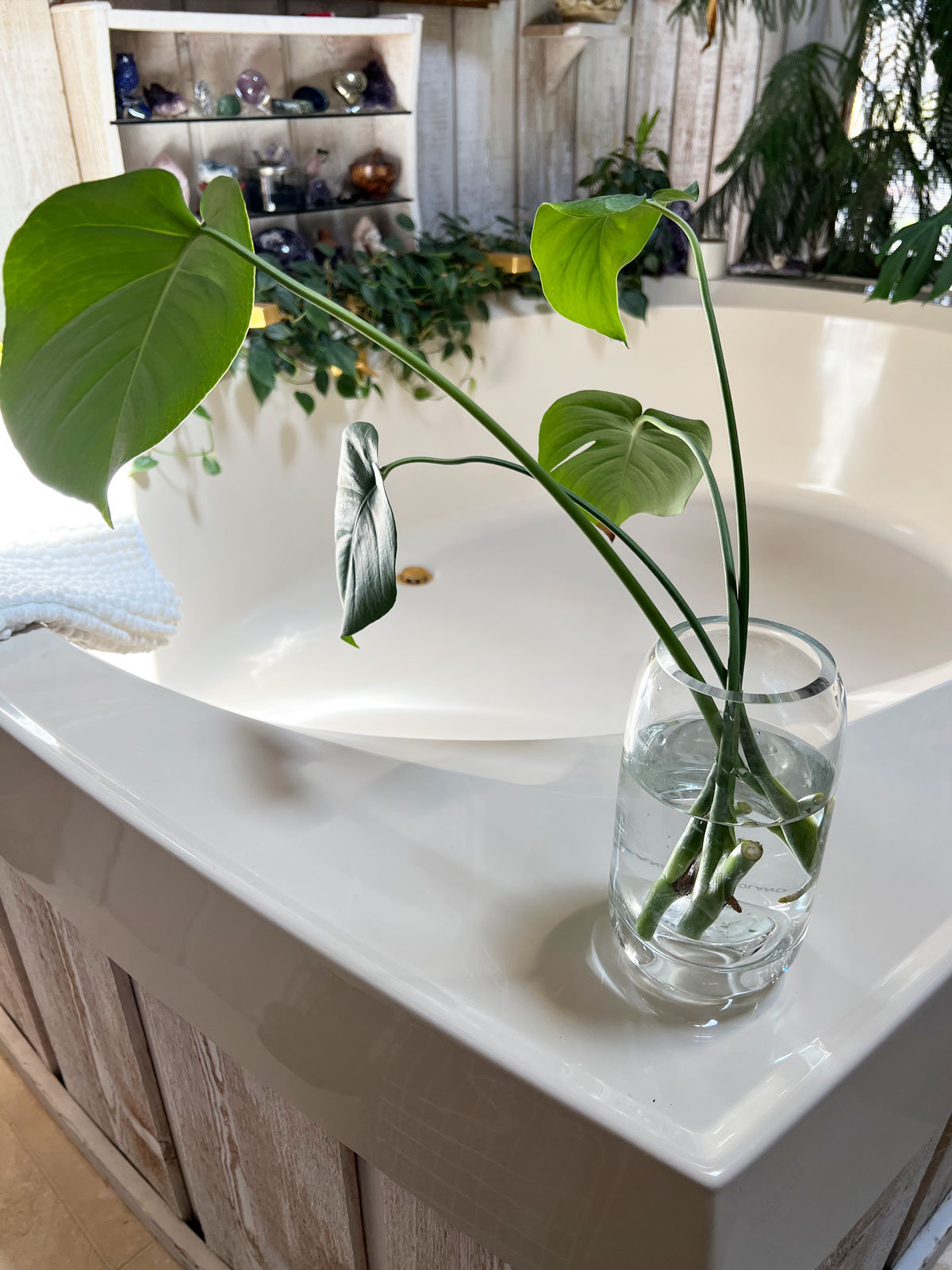
Introduction To Monstera Propagation
Monstera plants are popular for their beautiful, split leaves. They are also known as “Swiss Cheese Plants.” Many plant lovers want to grow new Monsteras from their existing ones. This process is called propagation. One easy way to propagate Monstera is through water propagation. It is simple and fun. Let’s dive into the details.
Benefits Of Water Propagation
Water propagation has many benefits. Here are some key points:
- Easy to Monitor: You can easily see root growth.
- Low Cost: No need for special tools or materials.
- Low Maintenance: Requires little care and attention.
- Faster Results: Roots grow faster in water.
Common Myths
There are many myths about water propagation. Let’s clear up a few:
| Myth | Truth |
|---|---|
| Roots won’t grow in water. | Monstera roots can grow well in water. |
| Plants will rot in water. | Change water regularly to prevent rot. |
| Soil is always better. | Water propagation is just as effective. |
Choosing The Right Cutting
Monstera cuttings can successfully root in water with proper care. Ensure the cutting has at least one node submerged. This method helps you monitor root growth easily.
Choosing the right cutting is crucial for propagating your Monstera in water. With the right approach, you can enjoy a thriving plant. This section will guide you through selecting and preparing the best cutting for water propagation.Selecting Healthy Stems
Look for healthy stems on your Monstera plant. The stems should be green and firm. Avoid any stems with brown spots or signs of disease. Choose a stem with at least one node. Nodes are small bumps where leaves grow. These nodes are essential for root development.Preparing The Cutting
Use a clean, sharp knife or scissors. Cut a stem below a node. Ensure the cutting is 4-6 inches long. Remove any leaves near the bottom of the stem. Place the cutting in a jar of clean water. The node should be submerged. Change the water every few days. This keeps the water fresh and encourages root growth. “`Setting Up Your Water Propagation
Water propagation is a popular way to grow Monstera plants. It is easy and fun. You can see the roots develop in real-time. Follow these steps to set up your water propagation successfully.
Selecting A Container
Choose a clear container for your Monstera cutting. A glass jar or vase works well. Clear containers let you see the roots grow. Ensure the container is clean and free from any residues.
Using Clean Water
Fill the container with clean, room-temperature water. Tap water can be used, but let it sit for 24 hours. This allows chlorine to evaporate. Change the water every few days. Fresh water promotes healthy root growth.
:max_bytes(150000):strip_icc()/SPR-how-to-propagate-monstera-04-bd6b8ebc682f4a03baa6ece4fd8a75e9.jpg)
Optimal Conditions For Rooting
Monstera plants are popular for their stunning, large leaves. Rooting Monstera in water can be a rewarding process. To ensure successful rooting, it’s important to create the optimal conditions. These conditions include proper light, temperature, and humidity.
Light Requirements
Monstera plants need bright, indirect light for rooting. Place the cutting near a window with filtered sunlight. Avoid direct sunlight, as it can burn the leaves. If natural light is limited, use a grow light. Keep it on for 12 hours a day.
Temperature And Humidity
Maintain a warm environment for your Monstera cutting. The ideal temperature is between 70-75°F (21-24°C). Avoid placing the cutting near cold drafts or heating vents. High humidity is also crucial. Aim for 60-80% humidity. Use a humidifier or place a water tray nearby to increase humidity levels.
Monitoring Root Development
Monitoring root development is crucial when propagating Monstera in water. Observing the roots helps ensure the plant is healthy and thriving. You will need to be vigilant and know what to look for as your Monstera’s roots grow. This section will guide you on how to monitor root development effectively.
Signs Of Healthy Roots
Healthy roots are usually white or light tan. They should appear firm and thick. Look for roots that are free from dark spots. These spots could be a sign of rot. The roots should grow steadily over time. Another good sign is new root tips appearing. These tips are usually white and pointed. They indicate that the plant is actively growing.
Common Issues
One common issue is root rot. Root rot is often caused by water that is not changed regularly. It can also result from water that is too cold or too warm. Signs of root rot include black, slimy roots. If you notice a foul smell, this could also indicate rot.
Another issue is stagnant growth. If the roots are not growing, the plant may lack nutrients. Ensure that the water is clean and free from contaminants. Adding a small amount of liquid fertilizer can help. But be careful not to overdo it. Too much fertilizer can harm the plant.
Algae growth in the water is another problem. Algae can compete with the plant for nutrients. It can also block light from reaching the roots. To prevent algae, keep the container clean. Change the water frequently. You can also use dark-colored containers to limit light exposure.
By keeping an eye on these signs and issues, you can help your Monstera thrive in water. Regular monitoring will ensure that your plant stays healthy and continues to grow strong roots.
Transferring To Soil
Transferring your Monstera from water to soil is an exciting step. It ensures your plant receives the nutrients it needs for long-term growth. Before making the move, it’s important to know the right time and how to prepare the soil.
When To Transplant
Transplant your Monstera when its roots are 2-4 inches long. This usually takes a few weeks. Check the roots regularly to monitor their growth. Healthy roots should be white and firm. If they are brown or mushy, they need more time to develop.
Preparing The Soil
Choose a pot with drainage holes. This prevents water from sitting at the bottom. Use a mix of potting soil and perlite. This ensures good drainage and aeration. Fill the pot halfway with soil. Place the Monstera roots in the pot. Fill the rest of the pot with soil, covering the roots completely. Lightly press the soil around the roots to secure the plant.
Water the soil until it is evenly moist. Avoid overwatering, as this can cause root rot. Place the pot in a spot with bright, indirect light. Keep an eye on the soil moisture and adjust your watering routine as needed.
Caring For Your New Plant
Monstera plants thrive with proper care. Once you root your Monstera in water, it needs specific attention. This ensures healthy growth and vibrant leaves.
Let’s explore some essential care tips for your new Monstera plant. This includes watering and fertilizing schedules.
Watering Tips
Monstera plants prefer moist soil. Water the plant when the top inch of soil feels dry. Use distilled or rainwater if possible. Tap water may contain chemicals harmful to your plant. Water until it drains out of the pot’s bottom. This prevents root rot.
Avoid overwatering. It can lead to yellow leaves and root issues. Check the soil moisture regularly. Adjust watering frequency based on the season and humidity levels.
Fertilizing Schedule
Monstera plants benefit from regular feeding. Use a balanced, water-soluble fertilizer. Feed your plant every 4 to 6 weeks during the growing season. This is usually from spring to early fall.
Reduce feeding in winter. The plant’s growth slows down. Over-fertilizing can harm your Monstera. Follow the fertilizer’s instructions for correct dilution and application.
Consistent care helps your Monstera thrive. Enjoy watching your plant grow and flourish!
Troubleshooting Problems
Propagating Monstera in water can be a rewarding experience. Sometimes, issues may arise. This section covers common problems and solutions.
Root Rot Prevention
Root rot is a common issue when rooting Monstera in water. Preventing it is crucial for plant health.
- Change water weekly: Clean water keeps roots healthy.
- Avoid direct sunlight: Too much light can heat the water.
- Use filtered water: Tap water may contain harmful chemicals.
Ensure roots are not fully submerged. Only the bottom part should be in water. Aeration is key. Use an air stone if possible.
Dealing With Pests
Pests can attack your Monstera even in water. These tips help you manage them.
- Inspect regularly: Check for pests weekly.
- Use neem oil: Spray diluted neem oil to deter pests.
- Isolate infected plants: Keep them away from healthy ones.
If you see pests, act quickly. Remove affected leaves and clean the container. A strong water spray can also help dislodge pests. Repeat treatment every few days.
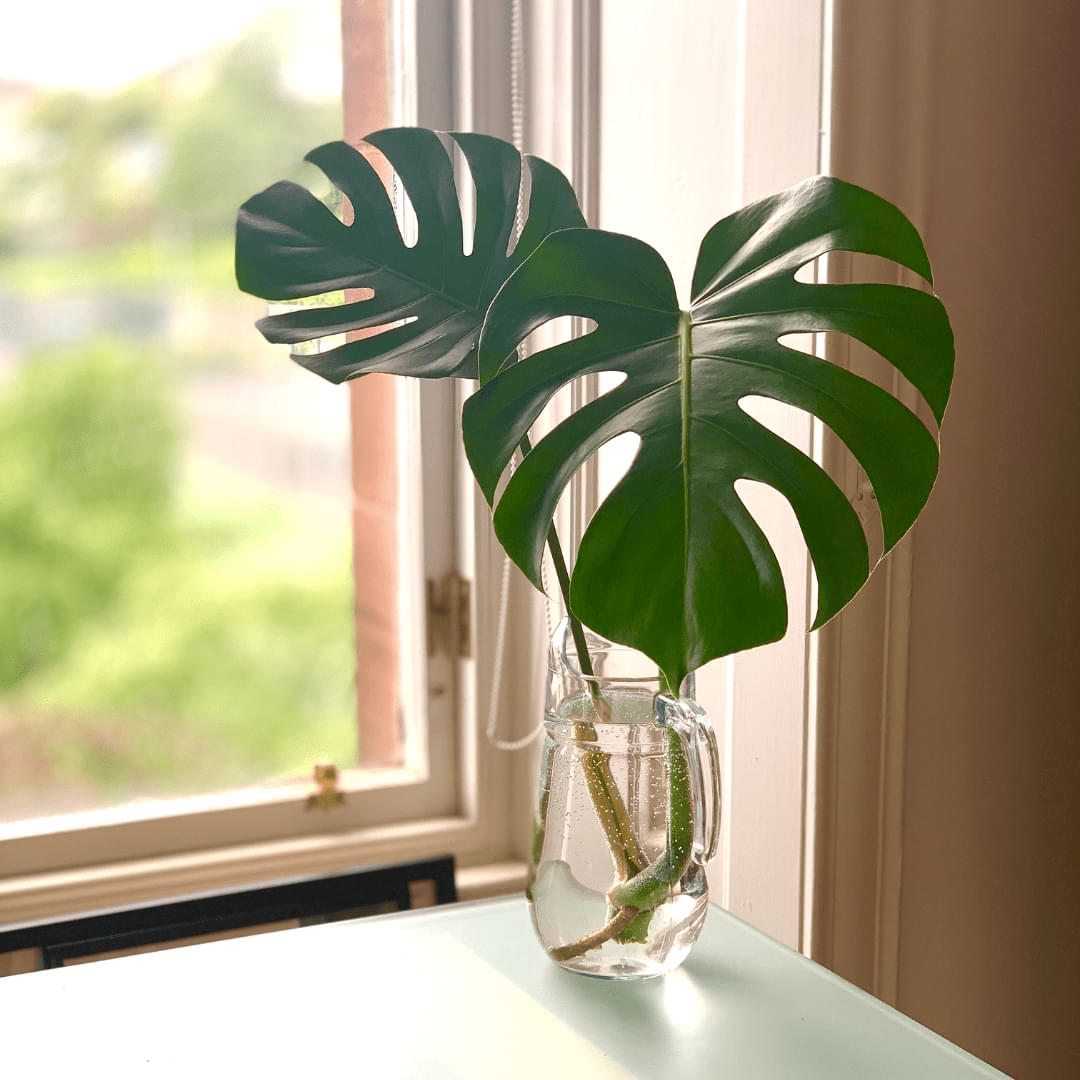
Frequently Asked Questions
Can Monstera Grow Roots In Water?
Yes, Monstera can grow roots in water. Place the cutting in a jar of water. Ensure the nodes are submerged. Change the water weekly.
How Long Does Monstera Take To Root In Water?
Monstera typically takes 2-4 weeks to root in water. Root growth depends on light, temperature, and water quality.
What Kind Of Water Should I Use?
Use clean, room-temperature water for rooting Monstera. Tap water is fine if it’s chlorine-free. Change the water weekly.
Do Monsteras Need Sunlight To Root In Water?
Yes, Monsteras need indirect sunlight to root in water. Avoid direct sunlight to prevent leaf burn. Bright, indirect light is ideal.
Conclusion
Monstera plants can root in water. It’s simple and fun to try. Just place a cutting in water and wait. Roots will appear in a few weeks. Change the water weekly to keep it fresh. Once roots grow, transfer to soil for best growth.
This method is great for new plant enthusiasts. Happy growing!
Leave a Reply