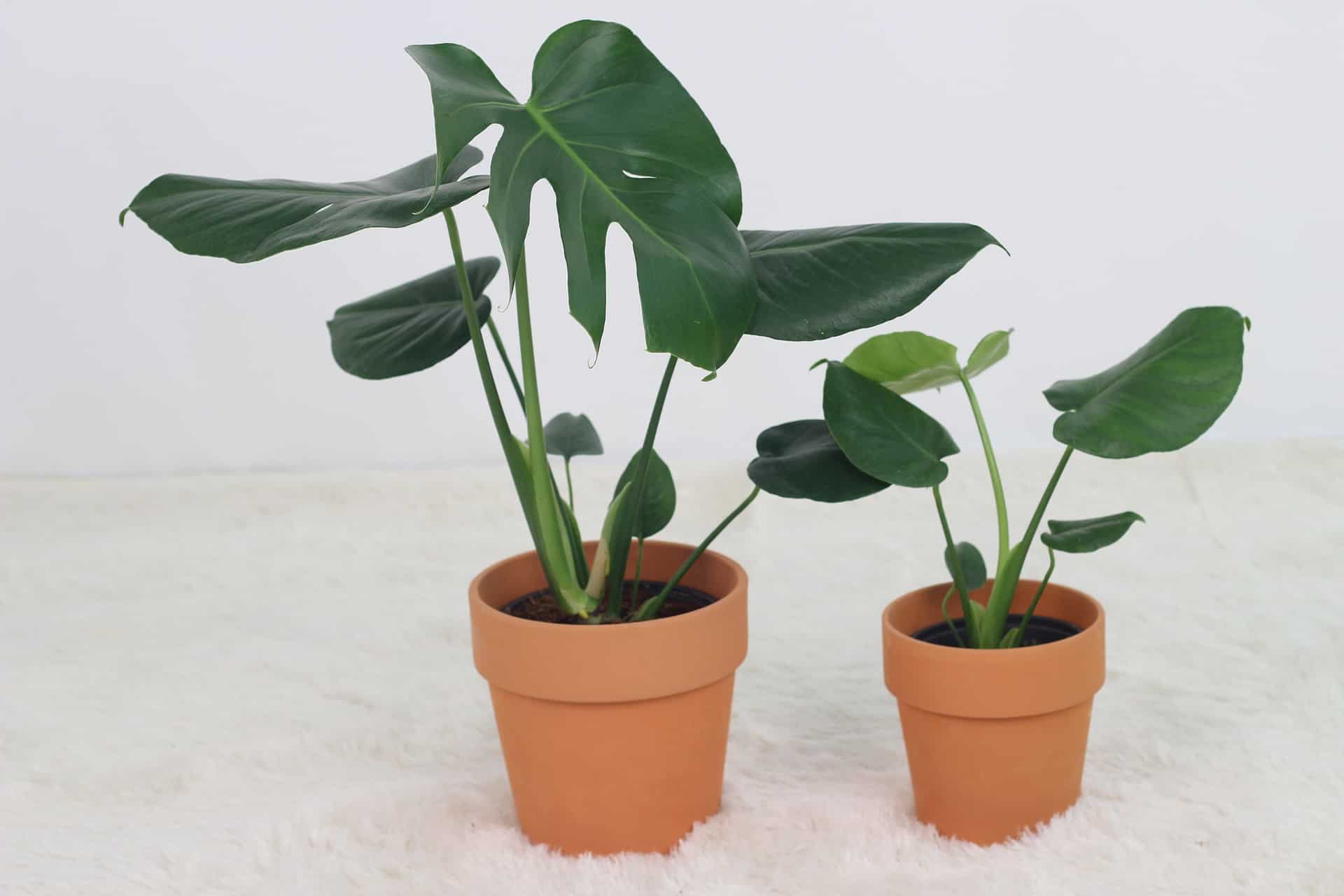
Watering Monstera plants can be tricky. They need the right amount of water.
Too much or too little can cause issues. Monstera plants are popular for their unique, beautiful leaves. They thrive indoors and can grow quite large with proper care. One key aspect of their care is watering. Getting it right ensures your plant stays healthy and vibrant.
Many plant lovers struggle with finding the best watering routine. Overwatering can lead to root rot, while underwatering can cause the leaves to wilt. Understanding the ideal watering method for Monstera will help you maintain its lush, tropical appearance. In this guide, we will explore the best way to water Monstera, helping you keep your plant in top condition.

Ideal Watering Schedule
Monstera plants, known for their striking leaves, thrive with proper watering. Establishing an ideal watering schedule ensures they remain healthy and vibrant. Understanding the right frequency and making seasonal adjustments can make a big difference.
Frequency Of Watering
Water Monstera plants every 1-2 weeks. Check the top inch of soil. If it feels dry, it is time to water. Over-watering can lead to root rot, so always ensure the soil has proper drainage.
Seasonal Adjustments
During the growing season, usually spring and summer, Monsteras need more water. Increase the frequency slightly, but still allow the soil to dry out between waterings. In fall and winter, Monsteras enter a dormant phase. Reduce watering to once every 2-3 weeks. The cooler temperatures and reduced light mean they need less water.
Water Quality
Ensuring the right water quality is crucial for the health of your Monstera plant. Different water types can impact the plant’s growth and vitality. Let’s explore the best options for watering your Monstera.
Using Tap Water
Tap water is the most accessible option for many plant owners. But, it may contain chemicals like chlorine and fluoride. These chemicals can harm your Monstera over time. Allowing tap water to sit for 24 hours can help reduce these chemicals. This is a simple method to make tap water safer for your plant.
Filtered Vs. Distilled
Choosing between filtered and distilled water depends on your plant’s needs. Filtered water removes impurities and chemicals, making it a better choice than tap water. It helps your Monstera absorb nutrients more effectively.
Distilled water is free from minerals and contaminants. It is the purest form of water. While it’s excellent for plants, it lacks minerals that can benefit your Monstera. Consider alternating between filtered and distilled water for balanced nutrition.
| Water Type | Pros | Cons |
|---|---|---|
| Tap Water | Accessible, cost-effective | Contains chemicals, needs sitting time |
| Filtered Water | Removes impurities, good nutrient absorption | May still contain some minerals |
| Distilled Water | Pure, free from contaminants | Lacks beneficial minerals |
Ensuring the right water quality helps your Monstera thrive. Choose the best option based on your plant’s needs and available resources.
Watering Techniques
Watering a Monstera plant correctly is crucial for its growth and health. There are two main techniques: top watering and bottom watering. Understanding these methods will help you choose the best way to keep your Monstera happy and thriving.
Top Watering
Top watering is the most common method. It involves pouring water directly onto the soil surface. This technique ensures that the water reaches the roots quickly.
Follow these steps for effective top watering:
- Check the soil moisture level by inserting your finger into the soil. If the top inch is dry, it’s time to water.
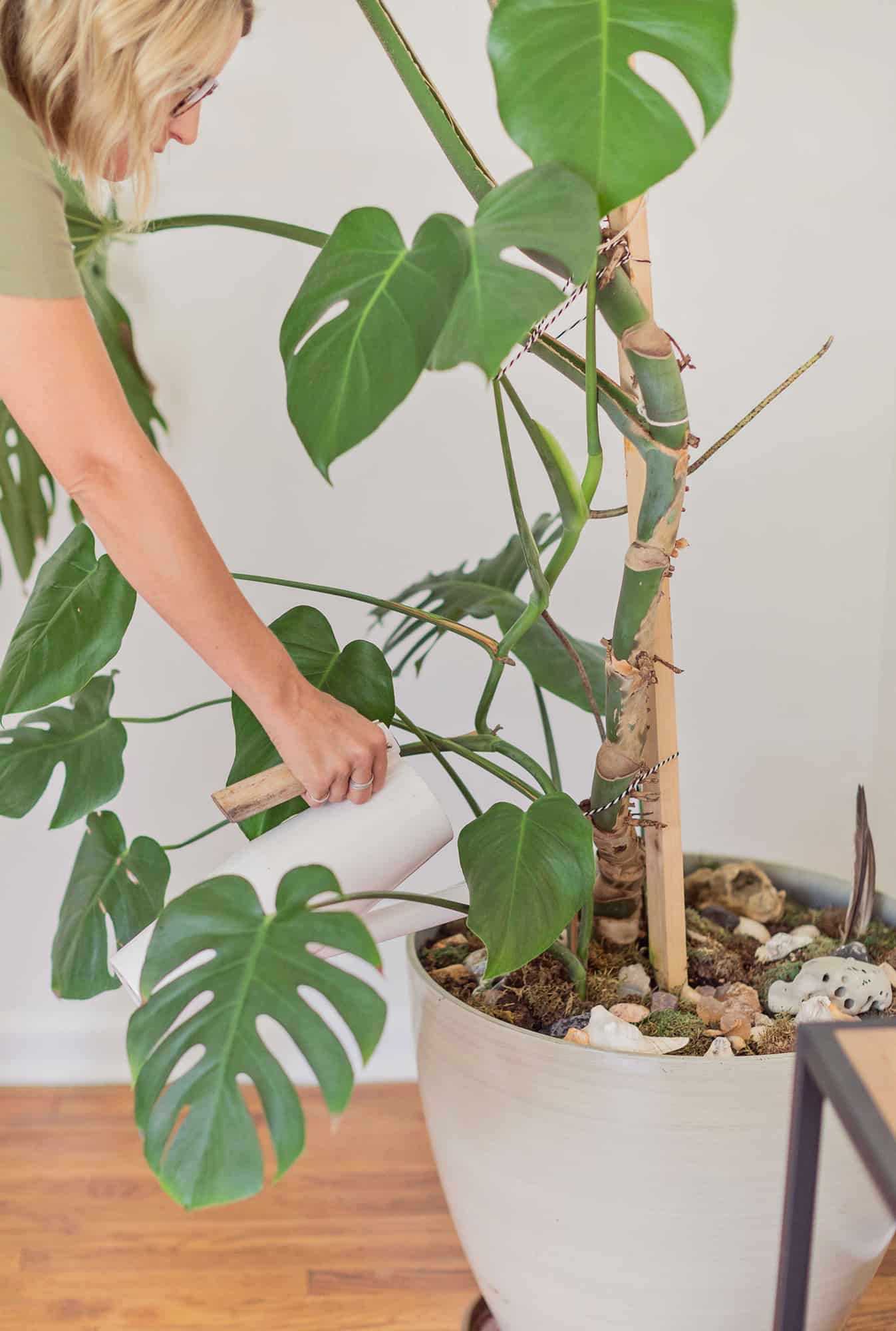
- Use a watering can with a narrow spout to pour water evenly over the soil.
- Continue watering until you see water draining from the bottom of the pot.
- Empty the drainage tray to prevent root rot.
Bottom Watering
Bottom watering allows the plant to absorb water from below. This method can be more efficient and helps avoid overwatering.
Steps for bottom watering:
- Fill a basin or sink with a few inches of water.
- Place the pot in the water, ensuring the water level is below the rim of the pot.
- Let the plant sit for 15-20 minutes, allowing the roots to absorb water through the drainage holes.
- Remove the pot from the water and let it drain thoroughly before returning it to its usual spot.
Both watering techniques have their advantages. Top watering is faster and more straightforward, while bottom watering can help prevent overwatering and promote healthier root growth. Choose the method that best suits your Monstera’s needs.

Signs Of Overwatering
Monstera plants are popular for their stunning, large leaves and easy care. But overwatering can harm these beauties. Recognizing signs of overwatering is crucial for their health. Let’s explore common signs of overwatering in Monstera plants.
Yellowing Leaves
Yellowing leaves are a clear sign of overwatering. The excess water suffocates the roots. This prevents them from absorbing nutrients effectively. As a result, leaves turn yellow. Monitor your watering schedule to prevent this issue.
Root Rot
Root rot occurs from persistent overwatering. The roots stay wet and start to decay. This decay spreads, damaging the plant further. Check the roots if you suspect overwatering. Healthy roots are white and firm. Rotting roots are brown and mushy.
Signs Of Underwatering
Understanding the signs of underwatering is crucial for keeping your Monstera healthy. When a Monstera doesn’t get enough water, it shows specific symptoms. These signs help you identify and correct the issue before it becomes severe.
Crispy Leaves
Crispy leaves are a common sign of underwatering in Monsteras. When the plant lacks water, the leaves start to dry out. This dryness makes the leaf edges turn brown and crispy. Touch the leaves to check for crispiness. If they feel brittle, your plant needs more water.
Another sign is the appearance of small, brown spots on the leaves. These spots indicate that the plant is stressed due to lack of moisture. Make sure to water your Monstera regularly to prevent crispy leaves.
Slow Growth
Slow growth is another indicator of underwatering. A healthy Monstera should show new leaves and stems regularly. If you notice that your plant is growing slowly, it might be thirsty.
Compare your Monstera’s growth with a growth chart. Use the table below for reference:
| Watering Frequency | Expected Growth |
|---|---|
| Once a week | Steady growth |
| Once every two weeks | Slow growth |
| Once a month | Very slow growth |
Make sure your Monstera gets enough water to ensure proper growth. Adjust your watering schedule if you notice slow growth.
Using Moisture Meters
Watering Monstera plants can be tricky. Using moisture meters helps simplify the process. These devices measure the soil’s moisture level, ensuring you water your plant correctly. This reduces the risk of overwatering or underwatering, which can harm your Monstera.
How To Use
Start by inserting the moisture meter into the soil near the plant’s roots. Ensure it goes deep enough to get an accurate reading. Check the meter’s display to see the soil’s moisture level. Most meters have a scale from dry to wet. For Monstera plants, aim for a reading in the middle of the scale. This indicates the soil is moist but not waterlogged. Remove the meter after checking the level. Clean it after each use to keep it in good condition.
Choosing The Right Meter
Selecting the right moisture meter is crucial. Look for a meter with a clear display and easy-to-read scale. Some meters include additional features like light and pH levels. These can be useful but are not necessary for basic watering needs. Consider the probe length. Ensure it is long enough to reach the root zone of your Monstera. Read reviews and choose a reliable brand. This ensures you get accurate readings and a durable device.
Potting And Drainage
Ensuring your Monstera plant thrives starts with proper potting and drainage. The right pot and effective drainage are crucial for healthy growth. Let’s explore these essential elements in detail.
Choosing The Right Pot
Choosing the right pot is vital for your Monstera’s health. A pot that’s too large can lead to overwatering. A pot that’s too small can restrict root growth. Aim for a pot that gives the roots enough room to grow. A pot around 2 inches larger than the root ball is ideal.
Importance Of Drainage Holes
Drainage holes are essential for preventing water from pooling at the bottom. Stagnant water can cause root rot, a common issue with Monsteras. Ensure the pot has several drainage holes. This allows excess water to escape, keeping the soil aerated and healthy.
Using a saucer under the pot can help catch excess water. Empty the saucer regularly to prevent water from sitting. This simple step can make a big difference in your Monstera’s health.
Environmental Factors
Monstera plants thrive best under specific environmental conditions. These factors play a crucial role in ensuring your Monstera stays healthy and vibrant. Understanding the optimal humidity levels and temperature ranges can greatly improve your plant’s growth and appearance.
Humidity Levels
Monstera plants love high humidity. Ideally, aim for humidity levels between 60% and 80%. Low humidity can cause the leaves to dry out and turn brown.
- Use a humidifier to maintain proper humidity.
- Mist the leaves regularly.
- Group plants together to create a humid micro-environment.
Monitor humidity levels with a hygrometer. This ensures your Monstera gets the right environment.
Temperature Influence
Temperature is another critical factor. Monstera plants prefer temperatures between 65°F and 85°F (18°C to 29°C).
| Temperature Range | Effect on Monstera |
|---|---|
| Below 60°F (16°C) | Slows growth, potential damage |
| 65°F to 85°F (18°C to 29°C) | Optimal growth and health |
| Above 90°F (32°C) | Leaf scorch, stress |
Avoid placing your Monstera near drafts or heating vents. Both can cause temperature fluctuations.
Place your plant in a stable environment. This ensures it stays happy and healthy.
Frequently Asked Questions
How Often Should I Water My Monstera?
Water your Monstera once a week. Ensure the top inch of soil is dry before watering again. Adjust frequency based on humidity and light.
What Type Of Water Is Best For Monstera?
Use room-temperature, filtered or distilled water for your Monstera. Tap water can contain chemicals harmful to the plant.
Can I Mist My Monstera?
Yes, misting Monstera leaves helps increase humidity. It is especially beneficial in dry environments or during winter months.
Should I Use A Watering Can For Monstera?
A watering can with a narrow spout is ideal. It helps direct water to the soil without wetting the leaves excessively.
Conclusion
Proper watering keeps your Monstera healthy and thriving. Water deeply but infrequently. Check the soil moisture regularly. Avoid overwatering to prevent root rot. Use well-draining soil for best results. Remember, consistency is key. Happy growing!
Leave a Reply