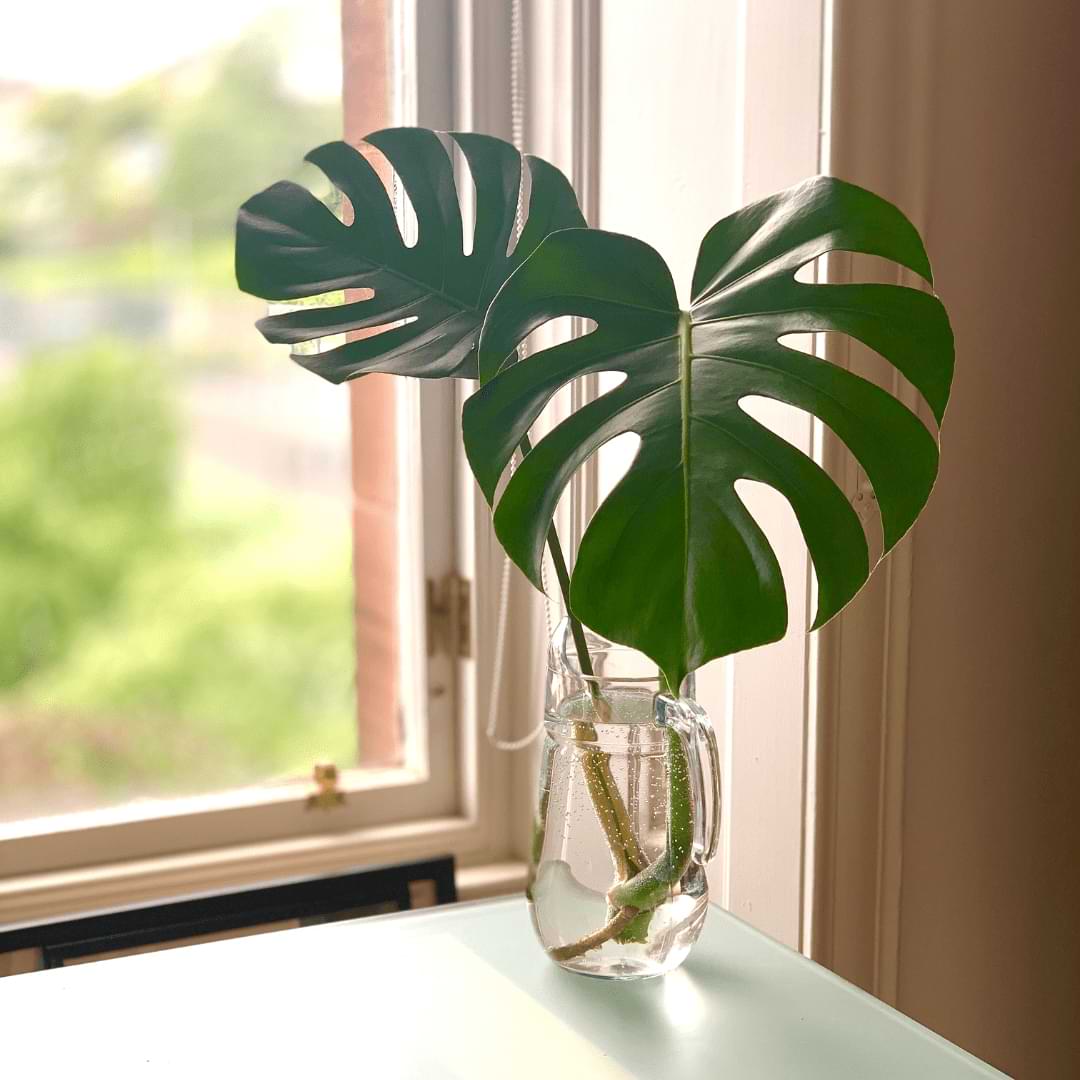
Yes, Monstera can grow in water. It is possible for this popular houseplant to thrive without soil.
Monstera, also known as the Swiss Cheese Plant, is a favorite among plant lovers. Its unique leaves and easy care make it a top choice. Many wonder if it can grow in water. This question often arises for those looking to simplify plant care or create unique displays.
Growing Monstera in water not only changes the look but also brings a new way to enjoy this plant. It’s fascinating to see roots develop and grow. Whether you’re new to houseplants or have a green thumb, understanding how to grow Monstera in water can be exciting and rewarding.

Introduction To Monstera
The Monstera plant is a favorite among houseplant enthusiasts. Known for its unique, large leaves, it adds a tropical vibe to any space. But will Monstera grow in water? Let’s explore the history and popularity of this plant.
Brief History
Monstera, scientifically known as Monstera deliciosa, originates from the tropical rainforests of Central America. The plant was first described by botanists in the late 18th century. It thrives in the understory of the rainforest, where it climbs trees and absorbs diffused sunlight.
Its iconic leaves, with their natural holes and splits, give it the nickname “Swiss cheese plant.” This unique feature helps the plant withstand heavy rainfall and strong winds in its natural habitat.
Popularity As A Houseplant
Monstera has gained immense popularity as a houseplant due to its striking appearance. Its large, glossy leaves make a bold statement in any room. Many people appreciate its easy-care nature.
Here are some reasons why Monstera is a top choice for indoor gardening:
- Low maintenance
- Adaptable to various light conditions
- Purifies the air
- Can grow in water or soil
Its adaptability makes it suitable for beginners and experienced plant lovers alike. Monstera can grow in a variety of conditions, making it a versatile addition to any plant collection.
In a nutshell, Monstera’s rich history and modern appeal make it a beloved houseplant. Its ability to grow in both water and soil offers flexibility for plant enthusiasts.
Monstera Growth Conditions
Monstera plants, known for their striking leaves, are popular indoor plants. Many wonder if these plants can thrive in water. Understanding the growth conditions is essential for success. This section explores the ideal environment and common challenges for Monstera growth.
Ideal Environment
Monsteras need indirect sunlight. Bright light is best, but avoid direct rays. Direct sunlight can scorch their leaves. These plants prefer high humidity. Around 60% humidity is ideal. Room temperature should be between 65°F and 85°F. Watering is crucial. Keep the roots moist but not soggy. Changing the water every week helps. Fresh water supports root health. Use room temperature water to avoid shock. Fertilize monthly with a balanced liquid fertilizer. This gives them nutrients for growth.
Common Challenges
Root rot is a major issue. It happens if the water is not changed. Yellow leaves indicate overwatering. Adjust your watering schedule if you see this. Pests like spider mites can invade. Inspect your plant regularly. Clean the leaves to keep pests away. Nutrient deficiency shows as pale leaves. Regular fertilizing can prevent this. Low humidity can cause brown leaf edges. Increase humidity to avoid this problem. Temperature fluctuations stress the plant. Keep the environment stable. Drafts and cold air can harm the Monstera. Keep the plant away from vents and windows.
Growing Monstera In Water
Monstera plants are popular for their large, beautiful leaves. Many plant enthusiasts wonder if they can grow in water. The answer is yes! Growing Monstera in water is a simple and rewarding way to enjoy these stunning plants. This method is often preferred by those who want a low-maintenance option. Let’s dive into the basic requirements and step-by-step guide to grow Monstera in water.
Basic Requirements
- Healthy Monstera Cutting: Choose a cutting with at least one node and a few leaves.
- Clean Water: Use filtered or distilled water to prevent mineral build-up.
- Clear Container: A glass jar or vase works best to monitor root growth.
- Indirect Light: Place the container in a spot with bright, indirect sunlight.
- Stable Temperature: Keep the room temperature between 65-75°F (18-24°C).
Step-by-step Guide
- Prepare the Cutting: Use clean scissors to cut a healthy stem below a node.
- Fill the Container: Fill your container with filtered or distilled water.
- Place the Cutting: Submerge the node in water while keeping the leaves above the waterline.
- Monitor Growth: Place the container in bright, indirect light and change the water weekly.
- Trim Roots: Trim any brown or slimy roots to keep the plant healthy.
Growing Monstera in water is an easy and enjoyable process. With proper care, you can watch your Monstera thrive and add beauty to your space.
Water Propagation Techniques
Water Propagation Techniques offer a fascinating way to grow your Monstera plants. This method not only looks beautiful but also allows you to monitor root growth closely. Here, we will cover the essentials for successful water propagation, including Choosing the Right Container and Water Change Frequency.
Choosing The Right Container
Picking the correct container is crucial for your Monstera’s growth. A clear glass container is ideal. It lets you see the roots and ensures they get some light. Ensure the container is clean and free of any chemicals.
| Container Type | Benefits |
|---|---|
| Clear Glass | Monitors root growth, easy to clean |
| Ceramic | Stylish, but roots not visible |
| Plastic | Lightweight, but may scratch easily |
Water Change Frequency
Changing the water regularly is vital for healthy roots. Fresh water provides oxygen and prevents bacterial growth. Aim to change the water every week. If the water gets cloudy sooner, change it more often.
Follow these simple steps for changing the water:
- Remove the plant gently from the container.
- Rinse the roots with fresh water.
- Clean the container with mild soap.
- Refill the container with fresh, room-temperature water.
- Place the Monstera back in the container.
Ensuring your Monstera has clean water and the right container will promote strong, healthy growth. Happy propagating!
Nutrient Needs In Water
Growing Monstera in water can be a rewarding experience. For successful growth, providing the right nutrients is crucial. Let’s explore the nutrient needs of Monstera when grown in water.
Essential Nutrients
Monstera plants need a range of essential nutrients. These include nitrogen, phosphorus, and potassium. These are often referred to as N-P-K. Each plays a critical role in the plant’s health.
- Nitrogen (N): Promotes leafy growth.
- Phosphorus (P): Aids in root development and flowering.
- Potassium (K): Enhances overall plant vigor.
In addition to these, Monstera also requires micronutrients like iron, magnesium, and calcium. These support various physiological processes within the plant.
Fertilizer Options
Choosing the right fertilizer is vital. For water-grown Monstera, liquid fertilizers are most effective. They dissolve easily and are absorbed well by the plant’s roots. Here are some options:
- Balanced Liquid Fertilizer: Provides equal parts of N-P-K. Good for overall growth.
- Hydroponic Fertilizer: Specifically designed for water-grown plants. Contains all necessary nutrients.
- DIY Fertilizer Solutions: You can create your own mix using household items. For instance, a weak solution of fish emulsion.
Apply fertilizer sparingly. Over-fertilizing can harm the plant. A weak solution, applied every 4-6 weeks, is usually sufficient.
| Nutrient | Function |
|---|---|
| Nitrogen (N) | Leafy growth |
| Phosphorus (P) | Root development |
| Potassium (K) | Overall vigor |
| Iron | Chlorophyll production |
| Magnesium | Photosynthesis |
| Calcium | Cell wall structure |
Monitoring Plant Health
Growing a Monstera in water can be a rewarding experience. But it requires careful attention to ensure your plant thrives. Keeping an eye on your Monstera’s health is key to successful growth. This section will help you understand the signs of healthy growth and common problems you might face.
Signs Of Healthy Growth
A healthy Monstera shows several positive signs. Look for these indicators to ensure your plant is thriving:
- Vibrant Green Leaves: Healthy leaves are bright green and free from spots or discoloration.
- Strong Roots: Roots should be white or light tan and firm to the touch. Avoid brown or mushy roots.
- New Leaf Growth: Regular new leaf growth is a good sign. New leaves should unfurl without damage.
Common Problems
Even with the best care, problems can arise. Here are some common issues and how to address them:
| Problem | Symptoms | Solution |
|---|---|---|
| Yellow Leaves | Leaves turn yellow and may fall off | Check for overwatering or poor water quality. Change water regularly. |
| Root Rot | Roots appear brown and mushy | Remove affected roots and refresh water. Ensure roots are not submerged too deep. |
| Slow Growth | Little to no new leaf growth | Provide more light and ensure water is nutrient-rich. |
Regular monitoring is essential for keeping your Monstera healthy. By understanding the signs of healthy growth and common problems, you can ensure your plant thrives.
Transitioning To Soil
Transitioning your Monstera from water to soil is a crucial step. This ensures the plant continues to thrive and grow. While Monsteras can live in water, they often do better in soil. Soil provides essential nutrients and stability. Knowing when and how to make this transition is important for your plant’s health.
When To Transfer
Watch the roots of your Monstera closely. They will tell you when it is time. Healthy roots are white and firm. If they look crowded in the container, it’s time to transfer. Generally, Monsteras can stay in water for a few months. But, long-term growth requires soil. If you see new leaves forming, it’s a good sign. Your plant is ready for soil.
Best Practices
Choose a well-draining potting mix. Monsteras prefer soil that mimics their natural habitat. A mix of peat, perlite, and pine bark works well. Gently remove the plant from the water. Be careful not to damage the roots. Rinse the roots to remove any algae or debris. Place the Monstera in the new pot and fill with soil. Water the plant thoroughly after planting. Ensure excess water drains out.
Keep your Monstera in a spot with bright, indirect light. Avoid direct sunlight, which can scorch the leaves. Water the plant when the top inch of soil feels dry. Over-watering can lead to root rot. Monitor the plant for any signs of stress. Yellow leaves can indicate too much water or poor drainage. Adjust care as needed to keep your Monstera healthy and happy.

Frequently Asked Questions
Can Monstera Live In Just Water?
Yes, Monstera can live in water. It’s possible to grow Monstera in a water-filled container. Ensure you change the water regularly and keep the roots clean.
How Do You Grow Monstera In Water?
To grow Monstera in water, place a cutting with nodes in a jar of water. Change the water weekly to prevent stagnation and promote healthy growth.
How Long Can Monstera Stay In Water?
Monstera can stay in water indefinitely if the water is kept clean. Regularly changing the water and maintaining root health is essential for longevity.
Does Monstera Grow Faster In Water?
Monstera may grow faster in water initially. However, growth rates can vary. Ensuring proper nutrient balance is key to sustained growth.
Conclusion
Monstera can thrive in water with proper care. Change the water weekly. Ensure the roots stay healthy. Watch for signs of growth. Be patient. It may take time to see results. Growing Monstera in water can be a unique experience.
Enjoy the process.
Leave a Reply