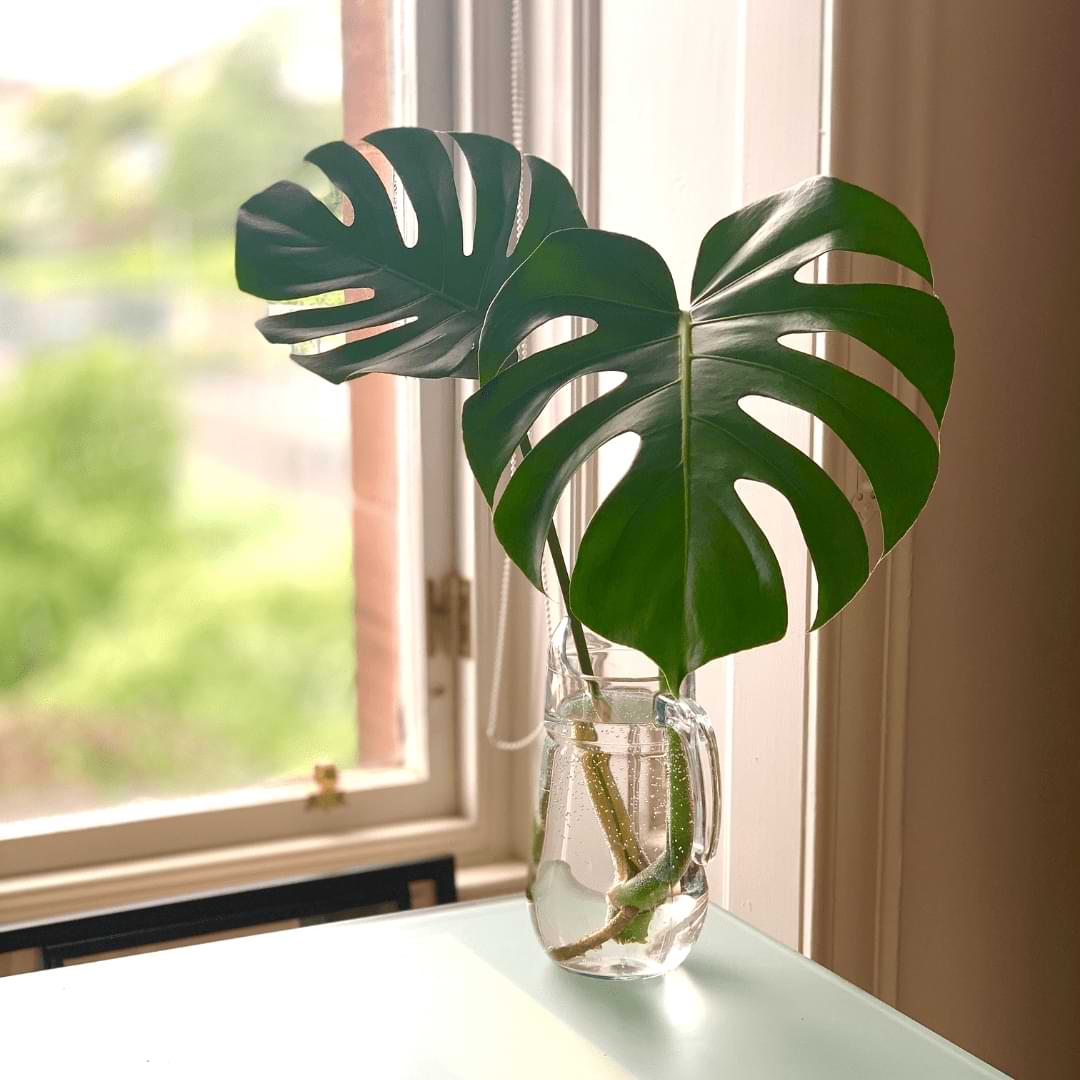
Yes, Monstera can grow in water. This process, known as hydroponic growing, is becoming popular among plant enthusiasts.
It’s a fun and easy way to nurture your Monstera. Monstera plants are known for their large, beautiful leaves and unique appearance. Growing them in water is not only possible but also quite straightforward. This method allows you to watch the roots develop, creating a fascinating display.
Plus, it can be a great option for those who struggle with soil care. By the end of this blog, you will learn how to successfully grow Monstera in water and the benefits of doing so. Join us as we explore this exciting method and help your Monstera thrive!
Choosing The Right Container
Choosing the right container for your Monstera plant is crucial. The container affects its growth, health, and appearance. Water-growing Monstera plants need specific types of containers. This guide will help you make the best choice.
Types Of Containers
Glass containers are a popular choice. They allow you to see the roots and water level. This makes it easy to monitor your plant’s health. Clear containers also provide a decorative element.
Plastic containers are lightweight and durable. They are less likely to break if dropped. Choose plastic if you want a more practical option.
Ceramic containers can also be used. They add a stylish touch to your home. Ensure they are glazed inside to prevent water leakage. Each type has its benefits. Choose based on your needs and preferences.
Size And Shape Considerations
Size matters. A container that’s too small will restrict root growth. A large container may hold too much water. Choose a size that allows roots to spread comfortably.
Shape is also important. Wide containers are better. They provide more surface area for roots. Tall, narrow containers can limit root growth. Opt for a shape that suits your space and plant size.
Consider the container’s opening. A wide opening makes it easier to add water. It also allows better airflow around the roots. This helps keep your Monstera healthy.
Preparing The Monstera
Before you grow a Monstera in water, it is crucial to prepare it properly. This ensures the plant thrives and remains healthy. The preparation involves selecting healthy cuttings and cleaning and pruning them.
Selecting Healthy Cuttings
First, choose cuttings that are healthy and strong. Look for stems with at least one node. Nodes are the points on the stem where leaves grow. They are essential for root development.
Ensure the cutting has a few leaves. Leaves help the plant photosynthesize while developing roots. Avoid cuttings with damaged or yellow leaves. These may not grow well in water.
Cleaning And Pruning
Next, clean the cuttings to remove any dirt or pests. Use lukewarm water to rinse the stems and leaves. This keeps the plant free from harmful organisms.
After cleaning, prune the cuttings. Remove any damaged or yellow leaves. Cut below the node at an angle. This promotes better water absorption.
By preparing the Monstera cuttings well, you give them the best chance to thrive in water. Healthy cuttings and proper cleaning and pruning are key steps.
Water Requirements
Monstera plants can thrive in water with proper care. Understanding their water requirements is crucial for their health. This section will guide you through the type of water to use and how often to change it.
Type Of Water
Using the right type of water is essential. Tap water is common, but it may contain chemicals like chlorine. These chemicals can harm your Monstera. It’s best to use filtered or distilled water. Rainwater is also a great option. It’s natural and free from harmful substances.
Changing Water
Regular water changes keep your Monstera healthy. Stagnant water can lead to root rot and algae growth. Change the water every week to prevent this. Follow these steps for changing water:
- Remove the Monstera from the container.
- Rinse the roots gently with fresh water.
- Clean the container to remove any build-up.
- Fill the container with fresh filtered or distilled water.
- Place the Monstera back in the container, ensuring the roots are submerged.
By following these steps, your Monstera will stay healthy and vibrant. Proper water care is simple but vital for plant growth.
Nutrient Needs
Monstera plants can thrive in water, but they have specific nutrient needs to grow healthy. These needs must be met to ensure your Monstera remains vibrant and strong. In this section, we will explore the essential nutrients and the importance of using fertilizers for Monstera plants growing in water.
Essential Nutrients
Monstera plants need a variety of essential nutrients to grow well. These nutrients include:
- Nitrogen (N): Promotes leaf growth and overall plant vigor.
- Phosphorus (P): Supports root development and flower production.
- Potassium (K): Enhances disease resistance and overall plant health.
- Calcium (Ca): Strengthens cell walls and prevents tip burn.
- Magnesium (Mg): Essential for chlorophyll production and photosynthesis.
- Iron (Fe): Crucial for enzyme functions and chlorophyll synthesis.
Without these nutrients, your Monstera may show signs of nutrient deficiencies such as yellowing leaves, stunted growth, or poor root development.
Using Fertilizers
To provide these essential nutrients, you need to use the right fertilizers. Here are some tips for using fertilizers:
- Use a balanced liquid fertilizer with an N-P-K ratio of 20-20-20.
- Dilute the fertilizer to half strength to avoid over-fertilization.
- Add the diluted fertilizer to the water every 4-6 weeks.
- Monitor your plant’s growth and adjust the fertilization schedule if needed.
By providing the right nutrients and using fertilizers correctly, your Monstera will thrive and grow beautifully in water.
Light Conditions
Monstera plants are quite versatile and can thrive in water. However, to ensure they stay healthy and vibrant, it’s crucial to provide the right light conditions. This section will guide you on the optimal light levels and the importance of avoiding direct sunlight for your Monstera plant.
Optimal Light Levels
Monstera plants need bright, indirect light. They thrive in places with ample natural light but not direct exposure. Ideally, place your Monstera near a north or east-facing window. This ensures it receives consistent light throughout the day without the intensity of direct rays.
Here is a simple table to help you understand the best light conditions:
| Light Source | Light Intensity |
|---|---|
| North-facing window | Moderate to bright, indirect light |
| East-facing window | Bright, indirect light in the morning |
| West-facing window | Bright, indirect light in the afternoon |
| South-facing window | Bright, indirect light throughout the day |
Avoiding Direct Sunlight
Direct sunlight can harm your Monstera. The intense rays can scorch the leaves and cause brown spots. If your Monstera is exposed to direct sunlight, use a sheer curtain to diffuse the light. Another option is to move the plant further from the window, ensuring it still receives bright, indirect light.
Signs of too much direct sunlight include:
- Brown or scorched leaf edges
- Fading leaf color
- Leaf curling or drooping
By ensuring the right light conditions, your Monstera will thrive in water and grow beautifully.
Common Issues
Monstera plants can thrive in water, but they may face some issues. Common problems include yellowing leaves and root rot. Understanding these issues helps keep your Monstera healthy.
Yellowing Leaves
Yellowing leaves often signal a problem with your Monstera. This issue may occur due to several reasons. Overexposure to direct sunlight is a common cause. Monstera plants prefer indirect light. Ensure your plant is in a well-lit spot but away from direct sunlight.
Another reason could be nutrient deficiency. Plants in water need regular feeding. Use a balanced liquid fertilizer. Add it to the water every four to six weeks. This helps provide the necessary nutrients.
Lastly, check the water quality. Stagnant or dirty water can harm the plant. Change the water every two weeks. Use distilled or rainwater for better results.
Root Rot
Root rot is a serious issue for Monstera in water. It usually happens when roots stay submerged for too long. The first sign is a foul smell from the roots. They may also turn brown and mushy.
To prevent root rot, ensure proper oxygenation. Use an air stone or regularly change the water. Trim any affected roots immediately. Clean the container thoroughly before refilling with fresh water.
Maintaining a healthy root system is crucial. Inspect the roots regularly. Look for early signs of rot. Early detection and action can save your plant.
Additional Tips
Monstera plants, also known as Swiss Cheese plants, can indeed thrive in water. With the right care, they can grow lush and healthy. Here are some additional tips to help your Monstera flourish in a water environment.
Supporting Growth
Provide adequate light for your Monstera. Place it near a window with bright, indirect sunlight. Rotate the plant weekly to ensure even growth. Change the water every two weeks. This helps prevent algae growth and keeps the water fresh. Use filtered water to avoid chlorine and other chemicals that could harm the plant.
Transitioning To Soil
When roots grow long and strong, consider moving the Monstera to soil. Choose a well-draining potting mix. Gently remove the plant from the water. Rinse the roots to remove any algae or slime. Plant it in the soil, covering the roots completely. Water the soil lightly to help the plant adjust to its new environment. Monitor the plant for signs of stress. Yellow leaves can indicate overwatering or poor drainage.


Frequently Asked Questions
Can Monstera Survive In Water?
Yes, Monstera can survive in water. Ensure you change the water regularly. Adding nutrients helps the plant thrive.
How To Propagate Monstera In Water?
Cut a healthy stem with at least one node. Place it in water, ensuring the node is submerged.
How Often To Change Water For Monstera?
Change the water every two weeks. This prevents algae growth and ensures the plant receives fresh nutrients.
Does Monstera Need Sunlight In Water?
Yes, Monstera needs indirect sunlight. Place it near a bright window but avoid direct sunlight.
Conclusion
Monstera plants can thrive in water with proper care. Change the water weekly. Provide indirect light and maintain a stable temperature. Watch for root growth to ensure health. This method is simple and visually appealing. Growing Monstera in water adds a unique touch to your home.
Give it a try and enjoy the beauty it brings.
Leave a Reply