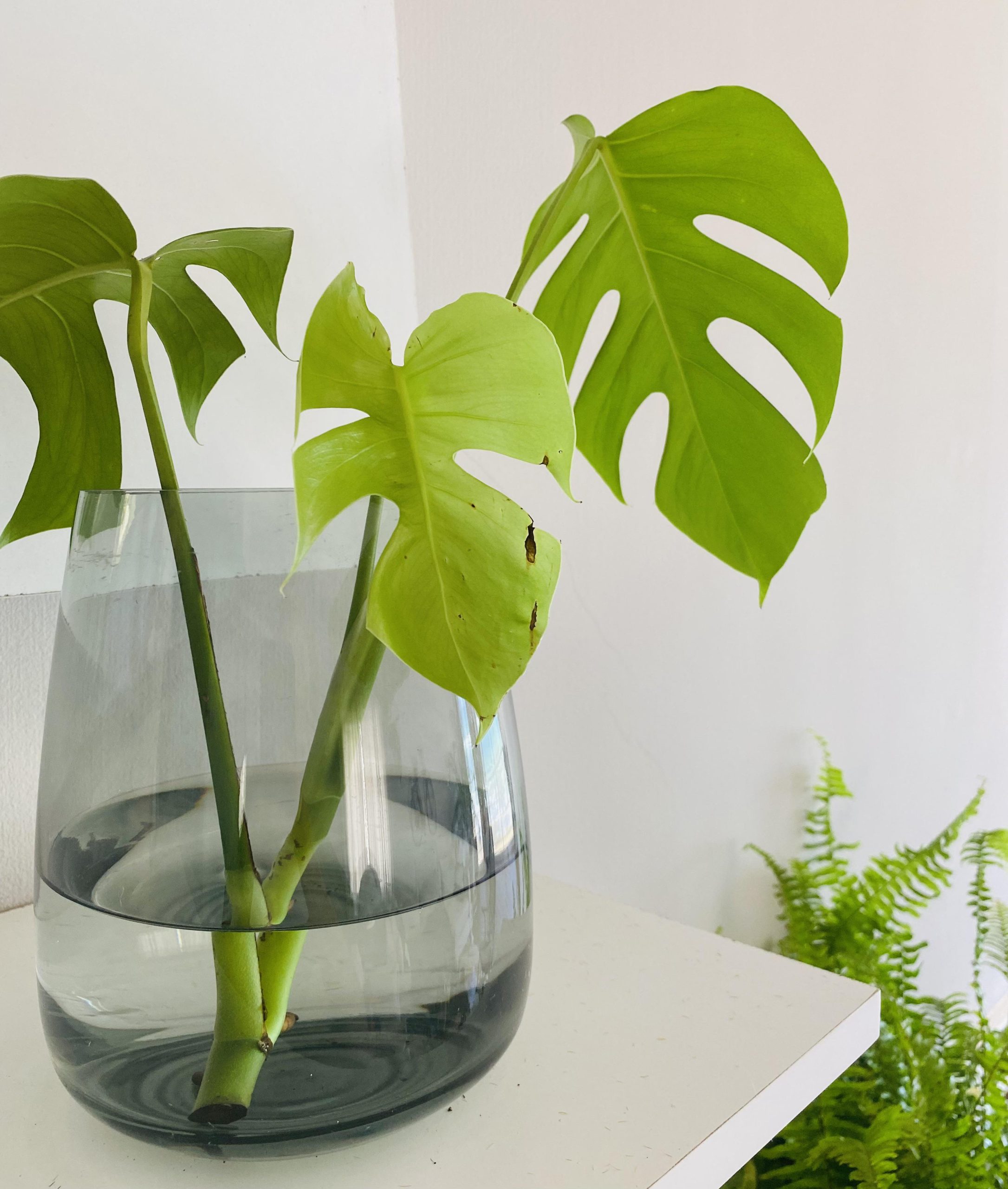
Yes, Monstera leaves can grow bigger. With proper care and the right conditions, your Monstera plant will thrive and produce larger leaves over time.
Monstera plants are popular for their unique, large, and perforated leaves. These tropical beauties are a favorite among indoor gardeners. Understanding how to help your Monstera leaves grow bigger can enhance your plant’s beauty and health. Factors like light, water, and nutrients play crucial roles.
In this blog post, we will explore the key elements that influence leaf size and provide tips to encourage growth. Let’s dive into the world of Monsteras and discover how you can help your plant reach its full potential.
Monstera Plant Overview
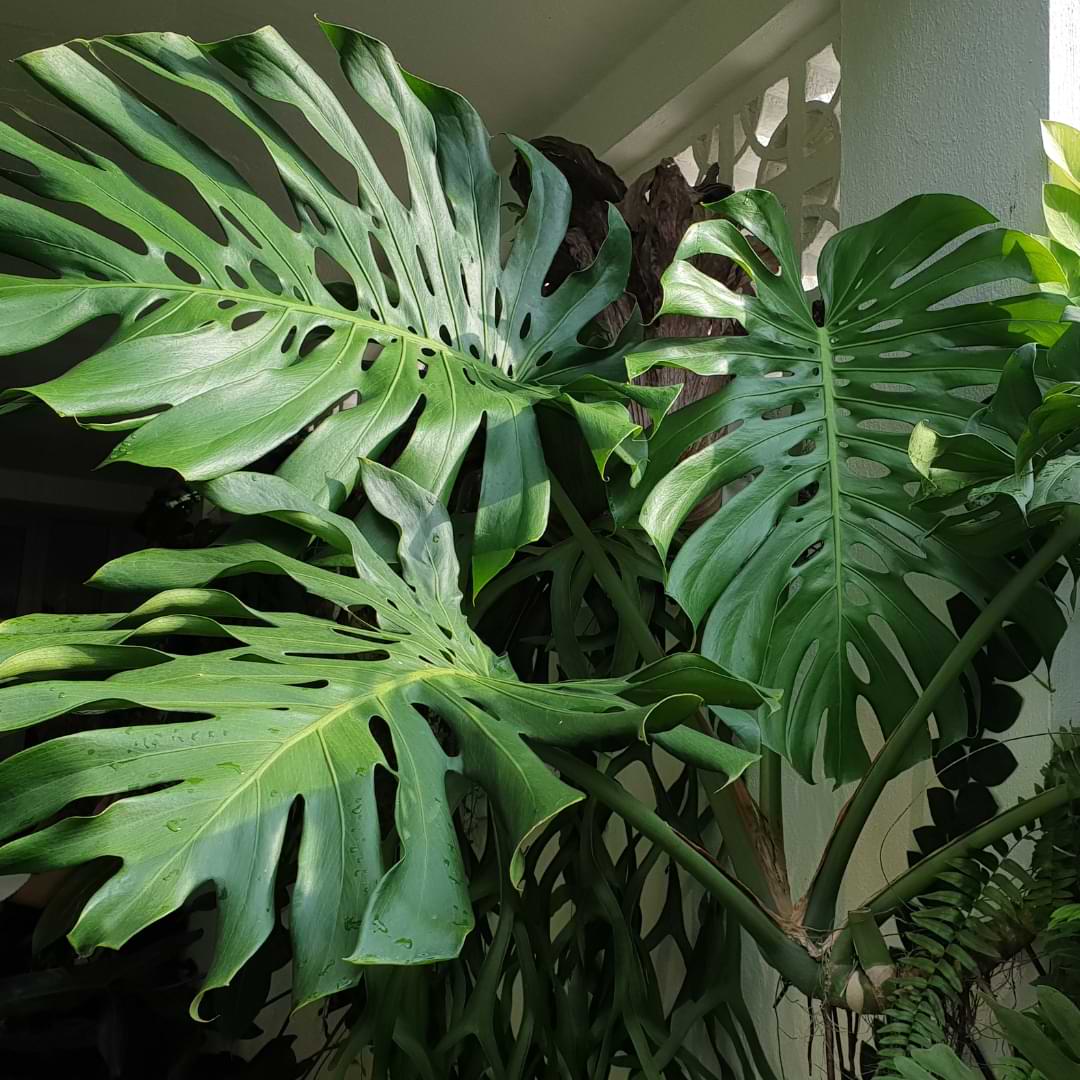
The Monstera plant, often called the Swiss Cheese Plant, is a popular houseplant. Its large, glossy leaves and unique appearance make it a favorite among plant enthusiasts. Known for its distinctive split leaves, the Monstera adds a tropical touch to any indoor space.
This plant can grow quite large if given the right conditions. Proper care includes the right light, water, and humidity levels. Understanding the Monstera’s needs can help ensure it thrives and its leaves grow bigger.
Characteristics Of Monstera
Monstera plants have broad, heart-shaped leaves. These leaves develop splits and holes as they mature. This unique feature is why they are often called Swiss Cheese Plants. The leaves are usually dark green but can have lighter variegations.
Monsteras are climbing plants. They use aerial roots to attach themselves to supports. They grow well in bright, indirect light. Too much direct sunlight can scorch their leaves. They also prefer high humidity and well-draining soil.
Common Varieties
Several Monstera varieties are popular among indoor gardeners. Monstera Deliciosa is the most common variety. It is known for its large, split leaves and fast growth. Monstera Adansonii is another popular type. It has smaller leaves with more holes.
Monstera Obliqua is a rare variety. It has very thin leaves with large holes. Each variety has its own unique charm. Proper care can help all these varieties develop bigger, healthier leaves.
Factors Affecting Leaf Size
Understanding the factors affecting leaf size is essential for Monstera plant owners. Several key elements influence the growth and size of Monstera leaves. This section will explore these factors in detail, ensuring you can provide the best care for your plant.
Light Requirements
Light plays a significant role in the growth of Monstera leaves. Monstera plants thrive in bright, indirect light. Direct sunlight can scorch the leaves. Low light conditions can hinder leaf growth. Ensure your Monstera receives adequate light for optimal leaf size.
- Place near a north or east-facing window.
- Avoid direct sunlight exposure.
- Consider using a sheer curtain to diffuse light.
Watering Needs
Proper watering is crucial for the growth of Monstera leaves. Overwatering or underwatering can affect leaf size and health. Consistency is key.
| Condition | Action |
|---|---|
| Soil feels dry | Water thoroughly until water drains out. |
| Soil feels wet | Allow soil to dry before watering again. |
| Yellow leaves | Reduce watering frequency. |
- Check soil moisture regularly.
- Water when the top inch of soil is dry.
- Use well-draining soil to prevent waterlogging.
By understanding and addressing these factors, you can encourage larger and healthier Monstera leaves. Consistent care and attention to light and watering needs will lead to impressive leaf growth.
Optimal Soil Conditions
Monstera leaves grow bigger with optimal soil conditions. Proper drainage and rich nutrients in the soil enhance growth. Consistent moisture and the right pH balance are essential.
Monstera plants, known for their impressive leaves, thrive best in optimal soil conditions. Ensuring the right soil type and nutrient balance is key to their growth. Below, explore the necessary soil types and nutrient needs for your Monstera plant to grow bigger leaves.Soil Type
For Monstera plants, the soil needs to be well-draining. They prefer a mix that retains moisture but does not stay too wet. A good soil mix includes: – Peat moss for moisture retention. – Perlite or pumice for aeration. – Compost for nutrients. – Bark for structure and drainage. A balanced pH level between 5.5 and 7.0 is also essential. This range ensures nutrient availability and prevents toxic build-up.Nutrient Needs
Monstera plants require a mix of macronutrients and micronutrients. The key macronutrients include: 1. Nitrogen (N) – Promotes leaf growth. 2. Phosphorus (P) – Supports root development. 3. Potassium (K) – Enhances overall plant health. Additionally, micronutrients like calcium, magnesium, and iron are vital. They help in chlorophyll production and other physiological functions. ### Recommended Fertilizers Use a balanced, water-soluble fertilizer with an N-P-K ratio of 20-20-20. Apply it monthly during the growing season for best results. This ensures your Monstera receives all the necessary nutrients for optimal growth. ### Soil Amendments Sometimes, soil amendments may be needed to improve soil quality. Consider adding the following: – Organic compost for nutrient boost. – Lime to raise soil pH if too acidic. – Sulfur to lower soil pH if too alkaline. By ensuring the right soil type and nutrient balance, your Monstera will thrive and produce larger, healthier leaves. “`
Ideal Temperature And Humidity
Monstera plants, known for their stunning leaves, thrive under specific conditions. Ideal temperature and humidity play a crucial role in their growth. Ensuring the right environment can help your Monstera leaves grow larger and healthier.
Temperature Range
Monsteras prefer a warm environment. The ideal temperature range is between 65°F and 85°F. Temperatures below 55°F can slow their growth. Avoid placing your Monstera near drafts or cold windows. Consistent warmth promotes bigger, lush leaves.
Humidity Levels
Monsteras love humidity. Aim for humidity levels between 60% and 80%. Dry air can cause the leaves to become crispy. Use a humidifier to maintain the right moisture levels. Mist the leaves regularly to mimic their natural habitat. High humidity supports vigorous growth and larger leaves.
Pruning Techniques
Pruning is essential for Monstera plants. It encourages healthier growth and larger leaves. Pruning helps manage the plant’s size and shape. It also improves air circulation and removes damaged leaves. Let’s explore the best pruning techniques for your Monstera.
When To Prune
Prune your Monstera in the spring or summer. During these seasons, the plant is in its active growth phase. Avoid pruning in winter. The plant is dormant during this time.
Signs your Monstera needs pruning:
- Overgrown vines
- Yellowing or damaged leaves
- Crowded stems
How To Prune
Follow these steps to prune your Monstera:
- Use clean, sharp scissors or pruning shears.
- Identify the stems and leaves to remove.
- Cut near the base of the stem or just above a node.
- Remove any yellow or damaged leaves.
- Dispose of the cuttings properly.
Tips:
- Wear gloves to protect your hands.
- Disinfect your tools before and after pruning.
- Prune regularly to maintain plant health.
Pruning also promotes larger leaf growth. Proper care ensures your Monstera thrives.
Fertilization Tips
Monstera plants are known for their large, beautiful leaves. Fertilizing them correctly can make a big difference in their growth. Here are some simple tips to help your Monstera leaves grow bigger.
Best Fertilizers
Choosing the right fertilizer is important for Monstera plants. Look for a balanced, water-soluble fertilizer with equal parts nitrogen, phosphorus, and potassium.
Here are some of the best options:
- 20-20-20 formula: This balanced formula supports overall plant health.
- Organic compost: Adds nutrients naturally and improves soil quality.
- Fish emulsion: Rich in nitrogen, it promotes lush, green leaves.
Always follow the instructions on the fertilizer package to avoid over-fertilizing.
Application Frequency
How often you fertilize your Monstera can affect its growth. Here’s a simple guide:
| Season | Frequency |
|---|---|
| Spring | Every 4 weeks |
| Summer | Every 4 weeks |
| Fall | Every 6 weeks |
| Winter | Every 8 weeks |
Fertilize less in the winter as the plant’s growth slows down.
Also, make sure the soil is moist before applying fertilizer to avoid root burn.
Common Pests And Diseases
Monstera plants are popular for their large, beautiful leaves. But pests and diseases can damage them. Understanding these issues can help keep your Monstera healthy and its leaves growing bigger.
Identifying Pests
Several pests can affect Monstera plants. Here are some common ones:
- Spider Mites: These tiny pests suck the plant’s sap. Look for small webs on the leaves.
- Mealybugs: These pests appear as white, cotton-like masses. They gather on leaf nodes and stems.
- Scale Insects: These insects look like small, brown bumps on the leaves and stems. They also suck sap from the plant.
Check your Monstera regularly. Early detection is key to controlling pests.
Preventing Diseases
Diseases can also affect Monstera leaves. Common diseases include:
| Disease | Symptoms | Prevention |
|---|---|---|
| Root Rot | Yellowing leaves and mushy roots | Avoid overwatering and ensure good drainage |
| Leaf Spot | Brown or black spots on leaves | Improve air circulation and avoid wetting the leaves |
Keeping your Monstera plant healthy requires good care. Proper watering and good air circulation can prevent many diseases.
Repotting Guidelines
Repotting your Monstera plant is key to ensuring it grows bigger, healthier leaves. If your Monstera has outgrown its current pot, it’s time to give it more room to expand. Follow these guidelines to repot your Monstera successfully.
When To Repot
Knowing when to repot your Monstera is essential. Here are some signs:
- Roots are growing out of the drainage holes.
- The plant looks crowded or root-bound.
- Soil dries out quickly after watering.
- Growth has slowed down significantly.
Spring is the best time to repot. The plant is in its growth phase, making it easier to adapt to a new pot.
Steps For Repotting
Follow these steps to repot your Monstera:
- Choose the Right Pot: Pick a pot 2 inches larger in diameter than the current one. Ensure it has drainage holes.
- Prepare the Soil: Use a well-draining potting mix. You can combine peat moss, pine bark, and perlite.
- Remove the Monstera: Gently take the plant out of its pot. Be careful not to damage the roots.
- Check the Roots: Inspect the roots for any signs of rot or damage. Trim any unhealthy roots.
- Place in New Pot: Put a layer of soil in the new pot. Position the plant in the center and fill with soil around it.
- Water Thoroughly: Water the plant well to help it settle in its new home. Ensure excess water drains out.
- Aftercare: Place the plant in a spot with indirect light. Avoid direct sunlight for a few days.
By following these steps, you will ensure your Monstera has enough space to grow larger, healthier leaves.
Frequently Asked Questions
How To Make Monstera Leaves Grow Bigger?
To make Monstera leaves grow bigger, provide bright, indirect light and proper watering. Ensure the plant has adequate humidity and nutrients. Regularly clean the leaves to maximize photosynthesis.
Why Are My Monstera Leaves Small?
Monstera leaves can be small due to insufficient light, low humidity, or nutrient deficiencies. Providing optimal growing conditions can help leaves reach their full size.
What Fertilizer Is Best For Monstera?
A balanced, water-soluble fertilizer with an NPK ratio of 20-20-20 is best for Monstera. Fertilize every 4-6 weeks during the growing season.
How Often Should I Water My Monstera?
Water your Monstera when the top 1-2 inches of soil are dry. Overwatering can lead to root rot, so ensure proper drainage.
Conclusion
Monstera leaves can grow bigger with proper care. Light, water, and nutrients play key roles. Keep your plant in bright, indirect light. Water it regularly, but avoid overwatering. Use well-draining soil and fertilize during the growing season. Pruning helps too.
Larger pots give roots more space. Healthy monstera plants reward you with bigger, beautiful leaves. So, follow these tips and enjoy watching your monstera thrive. Happy gardening!
Leave a Reply