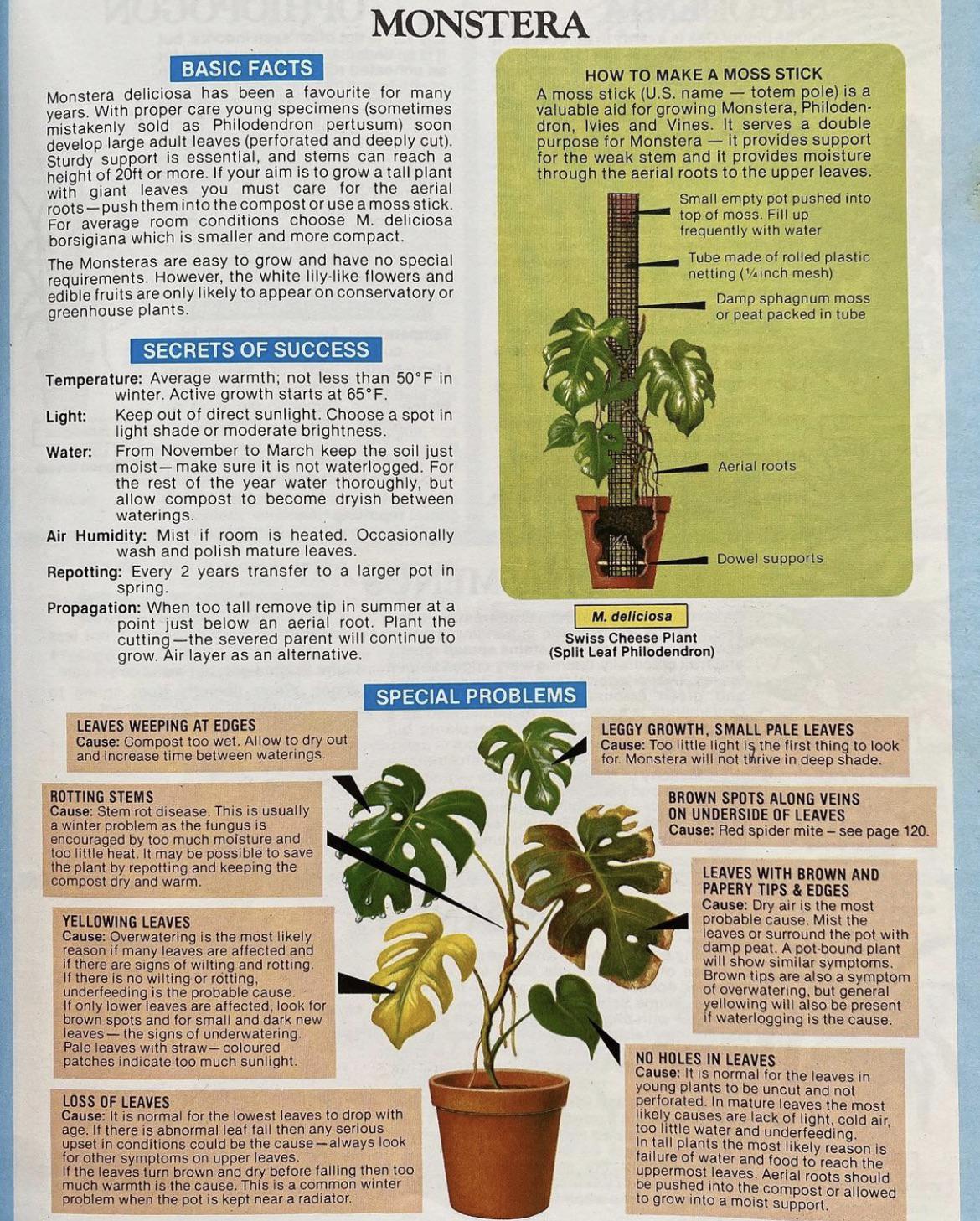
Monstera plants are trendy and eye-catching. They are known for their unique leaves.
Caring for a Monstera can seem tricky at first. But with the right instructions, you can keep your plant healthy and happy. Monstera plants are native to tropical forests, which gives them their lush, green appearance. They thrive in warm, humid conditions and need specific care to mimic their natural habitat.
Whether you are a beginner or an experienced plant lover, understanding these care instructions is key. This guide will provide you with simple, clear steps to ensure your Monstera flourishes. From watering schedules to light requirements, we’ll cover all you need to know. Get ready to turn your home into a green oasis!

Introduction To Monstera
Monstera plants are loved by many plant enthusiasts. They are known for their large, unique leaves. This plant not only adds beauty to your home but is also easy to care for. Let’s dive into the origins and popular varieties of Monstera.
Plant Origins
Monstera plants come from the tropical forests of Central America. They thrive in warm, humid conditions. These plants grow under the canopy of trees. Their large leaves help them collect light in the dense forest.
Popular Varieties
There are several popular Monstera varieties. Monstera Deliciosa is the most common. It is known for its large, split leaves. Monstera Adansonii, also called Swiss Cheese Plant, has smaller leaves with holes. Monstera Obliqua is rare and has more holes than leaves. Each variety has its own charm.
Ideal Growing Conditions
Monstera plants thrive in specific conditions that mimic their natural habitat. Understanding these ideal growing conditions ensures your Monstera remains healthy and vibrant. Let’s explore the key factors for optimal growth.
Light Requirements
Monstera plants prefer bright, indirect light. Direct sunlight can scorch their leaves. Place your Monstera near a window with filtered light. East or north-facing windows are ideal.
Insufficient light can slow growth. Leaves may develop smaller holes. If natural light is limited, consider using a grow light. This ensures your Monstera gets enough light year-round.
Temperature And Humidity
Monstera plants thrive in temperatures between 65-85°F (18-29°C). Keep them away from cold drafts and sudden temperature changes. Avoid placing them near air conditioners or heaters.
High humidity levels are essential. Aim for 60% humidity or higher. Use a humidifier if indoor air is dry. Mist the leaves regularly to increase humidity.
Proper temperature and humidity create a tropical environment. This environment helps your Monstera grow lush and healthy. Maintain these conditions for the best results.
Watering Guidelines
Proper watering is vital for Monstera plants. It helps them thrive and look their best. Knowing how much and how often to water is key. Let’s dive into the specifics.
Frequency Of Watering
Water your Monstera every 1-2 weeks. Allow the top inch of soil to dry out between waterings. Adjust the frequency based on the season. In winter, water less often since the plant’s growth slows down.
Signs Of Overwatering
Overwatering can harm your Monstera. Look for yellowing leaves and soggy soil. These are clear indicators. Another sign is a musty smell from the soil. If you see these signs, reduce watering immediately. Let the soil dry out before the next session.
Soil And Potting
Monstera plants thrive when given the right soil and potting conditions. Ensuring your Monstera has the best environment is crucial for its growth. In this section, we’ll cover the best soil types and repotting tips for your Monstera.
Best Soil Types
Monstera plants prefer well-draining soil. A mix that includes peat, perlite, and orchid bark works well. Peat retains moisture without becoming waterlogged. Perlite ensures good drainage, preventing root rot. Orchid bark provides aeration, mimicking the plant’s natural habitat.
Avoid heavy soils that hold too much water. These can suffocate the roots and lead to poor growth. You can find pre-mixed potting soils designed for aroids, which are ideal for Monstera plants.
Repotting Tips
Repotting your Monstera every two years promotes healthy growth. Choose a pot with drainage holes to prevent waterlogging. Carefully remove the plant from its current pot. Gently shake off excess soil from the roots.
Place the plant in a new pot that’s slightly larger than the old one. Fill around the roots with fresh potting mix. Water the plant thoroughly after repotting. This helps settle the soil and reduces transplant shock.
Fertilizing Your Monstera
Fertilizing your Monstera is important for its growth and health. With the right nutrients, your plant will thrive and produce lush, green leaves. But, it’s essential to know how to fertilize your Monstera correctly.
Choosing The Right Fertilizer
Selecting the right fertilizer is crucial for your Monstera’s health. A balanced, water-soluble fertilizer works well. Look for one with equal parts nitrogen, phosphorus, and potassium. These nutrients support leaf growth and root development. Organic options are also great for a natural boost.
Liquid fertilizers are easy to use and mix with water. Slow-release granules are another option. They provide nutrients over time. Whichever you choose, make sure it suits your plant’s needs.
Application Schedule
Fertilize your Monstera during the growing season. This is usually from spring to early fall. Apply fertilizer every 4 to 6 weeks. Reduce the frequency in winter. Your plant’s growth slows down during colder months.
Over-fertilizing can harm your Monstera. Follow the instructions on the fertilizer package. Dilute liquid fertilizers to half strength. This prevents root burn and ensures steady growth. Monitor your plant for signs of over-fertilization. Yellowing leaves or stunted growth can be indicators.

Pruning And Maintenance
Pruning and maintaining your Monstera plant is essential for its health. Regular pruning encourages new growth and keeps the plant looking neat. Proper maintenance ensures the plant thrives and remains vibrant.
When To Prune
Prune your Monstera during the growing season. This is typically in spring and summer. Pruning during this time helps the plant recover quickly. Avoid pruning in winter, when growth slows.
Tools Needed
Use sharp, clean pruning shears. Clean tools prevent the spread of disease. You may also need a pair of gloves. Gloves protect your hands from sap and dirt. Have a clean cloth handy for wiping the shears.
Pest And Disease Management
Monstera plants are popular for their beautiful, unique leaves. But, they can be affected by pests and diseases. Proper care and vigilance can help keep your plant healthy. Let’s dive into common pests and preventive measures to ensure your Monstera thrives.
Common Pests
Monstera plants can attract various pests. Some of the most common pests include:
- Spider Mites: Tiny, spider-like insects that cause yellow spots on leaves.
- Mealybugs: Small, white, cottony insects found on leaves and stems.
- Scale Insects: Brown or black bumps on leaves and stems.
- Aphids: Small, green or black insects that cluster on new growth.
Preventive Measures
Preventing pests is easier than treating an infestation. Follow these tips to keep your Monstera pest-free:
- Regular Inspection: Check your plant weekly for signs of pests.
- Proper Watering: Avoid overwatering, as damp conditions attract pests.
- Clean Leaves: Wipe leaves with a damp cloth to remove dust and pests.
- Isolate New Plants: Keep new plants away from others for a few weeks.
- Use Natural Predators: Introduce beneficial insects like ladybugs.
By following these steps, you can minimize the risk of pests and keep your Monstera healthy and beautiful.
Propagation Techniques
Propagating a Monstera plant is exciting and rewarding. There are several ways to propagate this beautiful plant. This section will discuss two popular methods: Stem Cuttings and Air Layering. Both methods are simple and effective. You can choose the one that suits you best.
Stem Cuttings
Stem cuttings are a common way to propagate Monstera plants. Here are the steps:
- Choose a healthy stem with at least one node and one leaf.
- Use a clean, sharp knife or scissors to cut the stem below the node.
- Place the cutting in water or soil.
If using water, ensure the node is submerged. Change the water every week. Roots will start to develop in a few weeks. Once the roots are 2-3 inches long, you can transfer the cutting to soil.
If using soil, plant the cutting in a small pot with fresh potting mix. Keep the soil moist but not waterlogged. Roots will develop in a few weeks. New leaves will start to grow after the roots are established.
Air Layering
Air layering is another effective method for propagating Monstera plants. Here are the steps:
- Choose a healthy stem with a node.
- Make a small cut on the stem below the node.
- Wrap moist sphagnum moss around the cut area.
- Cover the moss with plastic wrap and secure it with tape or string.
Check the moss regularly to ensure it stays moist. Roots will start to develop from the cut area in a few weeks. Once the roots are visible, cut the stem below the new root growth. Plant the new rooted stem in soil.
Both stem cuttings and air layering are effective ways to propagate Monstera plants. Choose the method that works best for you and enjoy growing your new Monstera!
Common Issues And Solutions
Yellowing leaves on Monstera plants often signal overwatering. Ensure proper drainage and water only when the soil is dry. Brown leaf edges may indicate low humidity; misting the leaves can help.
Caring for Monstera plants can be challenging. Common issues arise even for experienced gardeners. Identifying problems early helps keep your plant healthy.Yellowing Leaves
Yellowing leaves on Monstera plants can be due to overwatering. Check the soil moisture before watering again. Ensure the pot has proper drainage. Remove yellow leaves to encourage new growth. Sometimes, yellow leaves mean the plant lacks nutrients. Use a balanced fertilizer every month during the growing season.Root Rot
Root rot is a serious issue for Monstera plants. It usually happens from overwatering or poor drainage. To prevent root rot, always use well-draining soil. Water the plant only when the top inch of soil is dry. If you suspect root rot, check the roots. Healthy roots are white and firm. Remove any black, mushy roots with sterilized scissors. Repot the plant in fresh soil and a clean pot. “`
Frequently Asked Questions
How Often Should I Water My Monstera?
Water your Monstera once a week. Let the top inch of soil dry out between waterings. Overwatering can lead to root rot.
What Light Conditions Do Monsteras Need?
Monsteras thrive in bright, indirect light. Avoid direct sunlight as it can scorch the leaves. They can tolerate low light but may grow slower.
How Do I Propagate A Monstera?
Propagate a Monstera using stem cuttings. Cut below a node with aerial roots. Place in water or soil until roots develop.
Why Are My Monstera Leaves Turning Yellow?
Yellow leaves often indicate overwatering. Ensure proper drainage and let the soil dry between waterings. Check for pests or diseases.
Conclusion
Caring for your Monstera can be simple and rewarding. Keep its light needs in mind. Water it regularly, but avoid overwatering. Ensure it has proper humidity. A little attention goes a long way. Your Monstera will thrive and beautify your space.
Enjoy watching it grow!
Leave a Reply