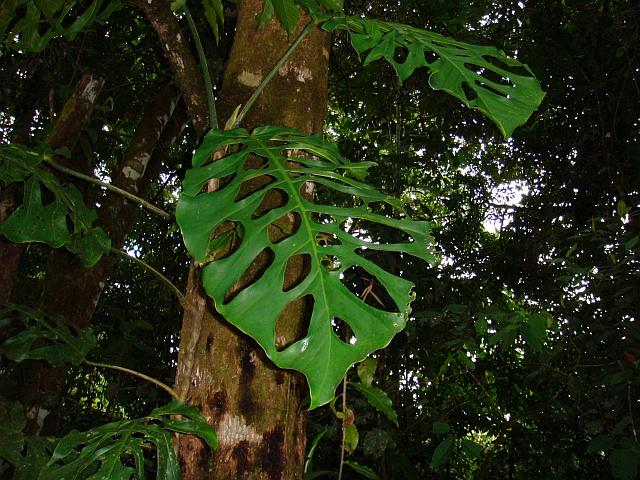
Yes, Monstera is an aroid. Aroids are plants in the Araceae family, and Monstera belongs to this group.
This tropical plant is famous for its large, split leaves. Monstera plants have become popular indoor plants. They add a touch of the jungle to your home. Their unique leaf patterns and easy care make them a favorite. But what exactly makes Monstera an aroid?
Understanding this can help you care for your plant better. It also explains some of its special features. We will explore the characteristics of aroids and why Monstera fits into this category. Whether you’re a plant lover or just curious, you’ll find this information useful. Let’s dive into the world of Monstera and aroids.
Introduction To Monstera
The Monstera plant is a favorite among indoor plant enthusiasts. Its large, distinctive leaves add a touch of nature to any room. Known for its beautiful, unique appearance, the Monstera is a great choice for home decor.
Origins And History
The Monstera plant originates from tropical regions of Central and South America. These areas provide the perfect climate for its growth. In the wild, Monstera can be found climbing trees with their aerial roots.
Historically, the Monstera has been used by native tribes for various purposes. They utilized its leaves for decoration and its fruits for food. The plant’s name, Monstera, comes from the Latin word for “monstrous” or “abnormal,” due to its unusual leaf shapes.
Popularity In Modern Homes
In recent years, the Monstera has become very popular in modern homes. Its aesthetic appeal is undeniable. Interior designers often use Monstera plants to create a tropical feel.
This plant is also easy to care for, making it a favorite for those new to plant care. Below are some reasons why the Monstera is so popular:
- Low maintenance: Requires minimal attention.
- Air purification: Helps clean indoor air.
- Decorative appeal: Fits well in various interior styles.
Monstera plants are also known for their ability to thrive in various indoor conditions. This adaptability makes them a versatile choice for many homes.
To ensure your Monstera thrives, provide it with adequate light and water. Avoid placing it in direct sunlight. Water it when the top inch of soil feels dry.
| Care Tips | Description |
|---|---|
| Light | Bright, indirect light |
| Water | Water when top inch of soil is dry |
| Humidity | Prefers high humidity |
In summary, the Monstera plant is a beautiful and practical addition to any home. Its easy care and striking appearance make it a popular choice for plant lovers.
What Is An Aroid?
Understanding the term Aroid is key when discussing plants like Monstera. Aroids belong to the family Araceae, known for their unique flowering structures. They are popular in many households for their attractive foliage and easy care. This section will delve into what defines an Aroid and their common characteristics.
Defining Aroids
The Araceae family, commonly called Aroids, includes many well-known houseplants. These plants are typically identified by their unique spadix and spathe structures. The spadix is a spike of small flowers, while the spathe is a leaf-like bract that surrounds or supports the spadix.
Aroids are often tropical and subtropical plants. They thrive in warm and humid environments. Commonly, they are found in rainforests, where they grow on the forest floor or climb trees as epiphytes.
Common Characteristics
Several key features help identify Aroids:
- Leaf Shape: Aroids often have large, heart-shaped or arrow-shaped leaves.
- Flower Structure: The spadix and spathe are distinctive to Aroids.
- Growth Habit: Many Aroids are climbers or grow as epiphytes.
- Root System: They have extensive root systems adapted to their environments.
These characteristics make Aroids unique and recognizable. Their ability to thrive in various conditions makes them a favorite among plant enthusiasts. Whether you are a novice or an expert, understanding Aroids is essential to caring for plants like Monstera.
Monstera Plant Characteristics
The Monstera plant is a popular choice among indoor plant enthusiasts. Known for its unique and striking appearance, it brings a tropical feel to any space. In this section, we will explore the distinct characteristics that make the Monstera plant a beloved addition to many homes.
Leaf Structure
The Monstera plant is famous for its large, glossy leaves. These leaves have a heart-shaped base and can grow up to three feet long.
One of the most distinctive features is the natural holes, or fenestrations, that develop as the plant matures. This gives the leaves a unique, perforated look.
The leaves are usually a deep green color, although some varieties may have variegated patterns, with white or cream streaks.
Growth Patterns
Monstera plants are known for their vigorous growth. They can climb and spread rapidly with proper care.
These plants are climbers, often requiring support like a moss pole to thrive. Their aerial roots help them attach to surfaces and absorb moisture and nutrients.
Monstera plants prefer indirect sunlight and can tolerate low light conditions. They thrive in humid environments and need regular watering.
With proper care, a Monstera plant can grow several feet tall, making it a standout piece in any room.
| Characteristic | Description |
|---|---|
| Leaf Size | Up to 3 feet long |
| Leaf Color | Deep green, sometimes variegated |
| Growth Habit | Climbing, spreading |
| Light Preference | Indirect sunlight |
| Watering Needs | Regular, prefers humidity |

Aroid Family Overview
The Aroid family, scientifically known as Araceae, is a diverse group of plants. This family includes many popular houseplants. The Monstera, a beloved member, stands out. Let’s explore some key members and unique traits of this fascinating family.
Key Members
- Monstera: Known for its large, split leaves. Popular in homes and offices.
- Philodendron: Features heart-shaped leaves. Easy to care for.
- Dieffenbachia: Noted for its variegated foliage. Often called “Dumb Cane”.
- Anthurium: Famous for its bright, waxy flowers. Adds a pop of color indoors.
- Caladium: Displays colorful, heart-shaped leaves. Often used in gardens.
Unique Traits
Aroids have several unique traits. These make them stand out among other plant families. Here are some key characteristics:
| Trait | Description |
|---|---|
| Aerial Roots | Many aroids develop roots above ground. These help in climbing and absorbing moisture. |
| Spadix and Spathe | Aroids produce flowers on a spadix, surrounded by a spathe. This unique structure is often mistaken for a single flower. |
| Variegation | Many aroids have leaves with multiple colors. This variegation makes them highly decorative. |
| Low Light Tolerance | Aroids can thrive in low light conditions. This makes them ideal for indoor environments. |
These traits make aroids popular choices for plant enthusiasts. Their beauty and resilience add charm to any space.
Monstera’s Place In The Aroid Family
Monstera, a popular houseplant, belongs to the fascinating aroid family. This family includes other notable plants like philodendrons and peace lilies. Understanding Monstera’s role in the aroid family helps appreciate its unique characteristics.
Botanical Classification
Monstera is part of the Araceae family, commonly known as aroids. This family consists of flowering plants with an interesting structure. Monstera is classified under the genus Monstera. Its scientific name is Monstera deliciosa.
Here’s a simple table to show Monstera’s botanical classification:
| Category | Details |
|---|---|
| Kingdom | Plantae |
| Order | Alismatales |
| Family | Araceae |
| Genus | Monstera |
| Species | Monstera deliciosa |
Comparative Analysis
Monstera shares many traits with other aroids. These plants often have large, glossy leaves. They also prefer similar growing conditions.
- Philodendron: Like Monstera, philodendrons have large leaves. They also thrive in low light.
- Peace Lily: Peace lilies share the glossy leaf texture. They are known for their white flowers.
Monstera stands out due to its unique leaf perforations. These holes give it a distinct appearance. Other aroids lack this feature.
Monstera’s growth habit is also noteworthy. It climbs or trails, unlike some other aroids. This makes it versatile for indoor decor.
In summary, Monstera’s place in the aroid family is well-defined. Its unique features and shared traits with other aroids make it a standout choice for plant lovers.
Caring For Monstera Plants
Monstera plants, known for their unique leaves, thrive with proper care. They are a popular choice for indoor gardens. Monstera plants are also called Swiss cheese plants.
These plants are loved for their big, holey leaves. They are easy to care for and can bring a tropical feel to any home. Proper care ensures they stay healthy and vibrant.
Ideal Growing Conditions
Monstera plants prefer bright, indirect light. Direct sunlight can burn the leaves. A spot near a north or east-facing window works well.
They thrive in temperatures between 65°F and 85°F. Avoid placing them in drafty areas or near heaters. Humidity is important too. Aim for a humidity level of 60% or higher.
Use well-draining soil to prevent root rot. Water the plant when the top inch of soil feels dry. Overwatering can cause problems.
Common Issues And Solutions
Yellow leaves are a common issue. This usually means overwatering. Let the soil dry out before watering again.
Brown leaf edges can mean low humidity. Increase humidity by misting the plant. You can also place a humidifier nearby.
Pests like spider mites and aphids can be a problem. Wipe the leaves with a damp cloth to remove them. Use insecticidal soap if needed.
Root rot occurs from overwatering. Check roots for mushiness. Trim affected roots and repot in fresh soil.
Benefits Of Having Monstera
Monstera Aroid plants are popular among houseplant enthusiasts for their unique appearance and various benefits. Adding a Monstera to your home can enhance the aesthetic appeal, improve health, and create a more pleasant living environment.
Aesthetic Appeal
Monstera plants feature large, split leaves with a distinctive pattern. Their vibrant green color adds a touch of nature to any room. The plant’s unique shape and texture make it a perfect decorative piece. It complements various interior design styles, from modern to bohemian. Adding a Monstera can transform a dull space into a lively and inviting area.
Health Advantages
Monstera plants help purify the air by removing toxins. They improve air quality, making it healthier to breathe. These plants also increase humidity levels, which can benefit skin and respiratory health. Having a Monstera in your home can reduce stress and promote relaxation. Studies show that being around plants can boost mood and productivity. Monstera plants contribute to a healthier and happier living space.


Frequently Asked Questions
What Is A Monstera Aroid?
A Monstera Aroid is a tropical plant belonging to the Araceae family. It’s known for its large, split leaves.
How Do You Care For Monstera Aroid?
Care for Monstera Aroid by providing bright, indirect light. Water it when the top inch of soil is dry.
Can Monstera Aroid Grow Indoors?
Yes, Monstera Aroid can thrive indoors with proper care. Ensure it gets enough light and humidity.
What Kind Of Soil Does Monstera Aroid Need?
Monstera Aroid needs well-draining potting mix. A mix of peat, perlite, and orchid bark works well.
Conclusion
Monstera plants are fascinating members of the Aroid family. They have unique, lush foliage that adds beauty to any space. Caring for them is simple, making them perfect for beginners. Monstera’s air-purifying qualities enhance indoor environments. Their popularity continues to grow.
Choose a Monstera for an easy, rewarding plant experience. Enjoy the beauty and benefits it brings to your home. Happy gardening!
Leave a Reply