Monstera and Philodendron are popular houseplants. Both bring unique beauty to any home.
Are you wondering which plant suits your space better? Comparing Monstera and Philodendron can help you decide. Both plants have unique features and care needs. Understanding their differences is key to making the right choice for your home. This comparison will explore their growth, appearance, and care.
You’ll learn how to choose the best plant for your lifestyle and environment. Let’s dive into the world of Monstera and Philodendron to see which plant is the perfect match for you.
Introduction To Monstera And Philodendron
Both Monstera and Philodendron are popular houseplants. They are loved for their unique leaves and easy care. Let’s explore their history and why they are favorites in homes.
Brief History
Monstera is native to the tropical forests of Central America. It was first described in the 18th century. The most famous species, Monstera deliciosa, is known for its large, split leaves.
Philodendron comes from the rainforests of South America. This plant was first discovered in the 17th century. There are many species, but the heartleaf philodendron is the most common.
Popularity As Indoor Plants
Both Monstera and Philodendron are loved as indoor plants. Their popularity is due to their beautiful leaves and low maintenance needs.
Monstera’s leaves have unique holes and splits. This makes them a striking addition to any room. They can grow quite large, making them a bold statement plant.
Philodendrons are known for their heart-shaped leaves. They are versatile and can be grown in pots or as hanging plants. They adapt well to different light conditions, making them a great choice for any home.
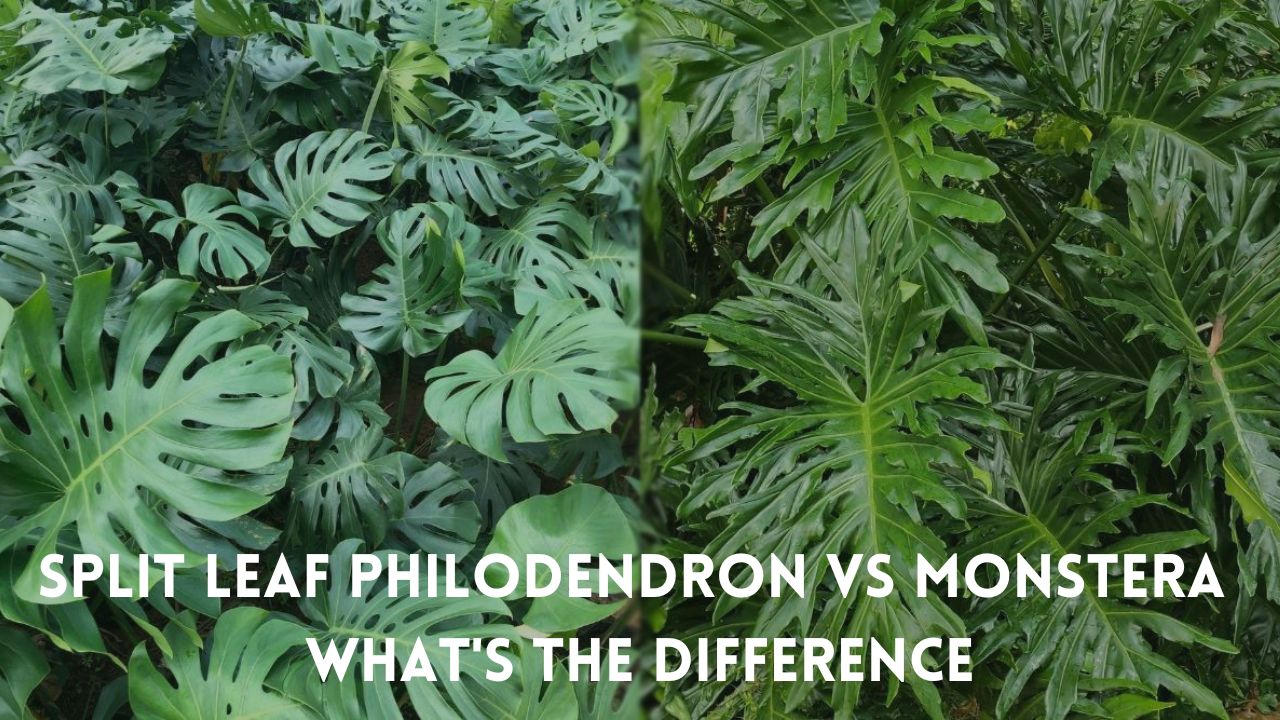
Key Differences
Monstera and Philodendron are popular indoor plants. Though they appear similar, they have distinct differences. Understanding these differences helps in proper care and placement.
Leaf Shape And Size
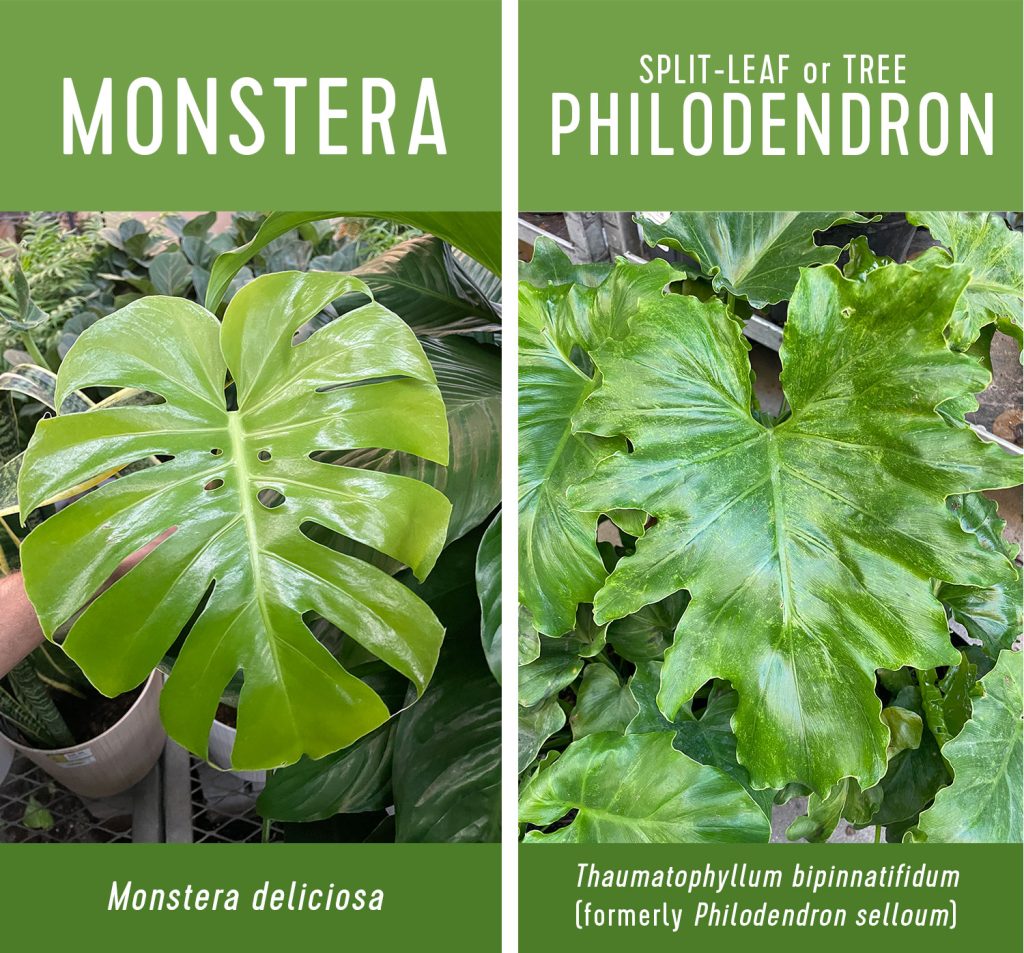
Monstera leaves are large and often have holes. These holes give the plant a unique look. The leaves can grow up to three feet long. They are heart-shaped when young but develop splits as they mature.
Philodendron leaves are usually smaller. They are often heart-shaped or oval. The leaves do not have holes. They stay whole throughout their life. The size and shape may vary with the species.
Growth Patterns
Monstera plants grow quickly and can become quite large. They are climbers and need support. They can be trained to grow on a trellis or pole. Their roots may also grow out of the soil.
Philodendron plants have a slower growth rate. They can be climbers or grow in a bushy form. They do not need as much support. They adapt well to various indoor conditions.
Ideal Growing Conditions
Ideal growing conditions are key for the health of your Monstera or Philodendron. Both plants have specific needs to thrive. Understanding these needs will help you provide the best care.
Light Requirements
Monstera plants prefer bright, indirect light. They can tolerate low light but won’t grow as well. Direct sunlight can scorch their leaves. Place them near an east or west-facing window.
Philodendrons also thrive in bright, indirect light. They are more adaptable to low light than Monstera. Avoid direct sunlight to prevent leaf burn. A north-facing window works well for them.
Soil Preferences
Monstera plants need well-draining soil. A mix of peat moss, pine bark, and perlite works best. This mix helps retain moisture without causing root rot.
Philodendrons prefer a similar soil mix. They need good drainage to avoid soggy roots. Use a mix of potting soil, peat, and perlite. This combination ensures healthy growth.
Watering Needs
Monstera and Philodendron are popular houseplants. Both have unique watering needs. Understanding these needs helps keep your plants healthy. Proper watering ensures lush, green foliage.
Frequency
Monstera plants prefer less frequent watering. Let the soil dry out between waterings. Typically, water every 1-2 weeks. During winter, reduce watering to once a month.
Philodendron plants need more frequent watering. Keep the soil slightly moist. Water every 1-2 weeks. In summer, you may need to water more often.
Best Practices
For Monstera, use well-draining soil. This prevents root rot. Water thoroughly until water drains from the bottom. Avoid letting the plant sit in water.
Philodendron plants need consistent moisture. Use a pot with drainage holes. Water evenly to keep the soil moist. Avoid overwatering to prevent root rot.
Both plants benefit from room-temperature water. Cold water can shock the roots. Check soil moisture with your finger. If it feels dry, it’s time to water.
Fertilizing Tips
Fertilizing your Monstera or Philodendron is key to their growth and health. Both plants thrive when given the right nutrients. Knowing the best types of fertilizers and application schedule can make a big difference.
Types Of Fertilizers
Monstera and Philodendron benefit from balanced liquid fertilizers. Choose one with equal parts nitrogen, phosphorus, and potassium. A 10-10-10 or 20-20-20 fertilizer works well. Organic options like compost tea or fish emulsion are also good choices.
Slow-release fertilizers are another option. They provide nutrients over a longer period. This can reduce the need for frequent fertilizing.
Application Schedule
During the growing season, fertilize your Monstera and Philodendron every two weeks. This period usually runs from spring through early fall. In winter, reduce the frequency. Once a month is sufficient during the dormant period.
Always follow the instructions on the fertilizer package. Over-fertilizing can harm your plants. Dilute liquid fertilizers to half strength to prevent root burn. Monitor your plants for signs of over-fertilization, such as yellowing leaves or stunted growth.

Common Issues
Monstera and Philodendron are popular houseplants. Both offer lush, green foliage that enhances any space. But, they can face issues that affect their growth and health. Understanding these common problems helps maintain healthy plants.
Pests And Diseases
Both Monstera and Philodendron are prone to pests and diseases. Spider mites, mealybugs, and aphids are common invaders. These pests suck sap, weakening the plant. Regularly inspect your plants for signs of pests.
Yellowing leaves, webbing, or sticky residue indicate an infestation. Treat with insecticidal soap or neem oil. Fungus can also affect these plants. Overwatering leads to root rot. Ensure good drainage and avoid waterlogged soil.
Yellowing Leaves
Yellowing leaves are a common issue. This can be due to several factors. Overwatering is a frequent cause. Monstera and Philodendron do not like soggy soil. Ensure the pot has proper drainage.
Underwatering also causes yellow leaves. Check the soil moisture regularly. Nutrient deficiencies might be another reason. Use a balanced fertilizer to nourish your plants. Too much direct sunlight can scorch the leaves. Place your plants in bright, indirect light.
Propagation Methods
Monstera and Philodendron are popular houseplants. They both have unique propagation methods. Understanding these methods helps in growing healthy plants. Let’s explore the two main ways to propagate these plants.
Stem Cuttings
Stem cuttings are a simple way to propagate Monstera and Philodendron. Start by choosing a healthy stem. Look for a stem with at least one node. Nodes are small bumps on the stem. They are where new roots will grow.
Use a clean, sharp knife to cut below the node. Make sure the cut is clean. Remove any leaves near the cut end. Place the cutting in water or soil. Keep it in a warm, well-lit area. Roots should start growing in a few weeks.
Air Layering
Air layering is another method for propagating Monstera and Philodendron. Choose a healthy stem with a node. Make a small cut on the stem. Wrap the cut area with moist sphagnum moss. Cover the moss with plastic wrap.
Secure the plastic wrap with ties. Keep the moss moist. Roots will grow from the cut area. Once roots form, cut below the rooted section. Plant the new rooted section in soil.
Decorating With Monstera And Philodendron
Monstera and Philodendron are popular houseplants that add a touch of nature to your home. Both plants have unique features that make them attractive and versatile for home decoration. Whether you love the iconic split leaves of Monstera or the heart-shaped leaves of Philodendron, you can use them to create a beautiful indoor garden.
Placement Ideas
Choosing the right spot for your Monstera and Philodendron can enhance your home’s aesthetic. Here are some placement ideas:
- Living Room: Place a Monstera in a bright corner to make a bold statement. The large leaves will draw attention and fill the space with greenery.
- Bedroom: A Philodendron on a bedside table or hanging from the ceiling creates a relaxing atmosphere. Its trailing vines add a soft touch to your sleeping area.
- Home Office: Keep a Monstera on a shelf or next to your desk. It will improve air quality and provide a calming background during work hours.
Both plants thrive in indirect sunlight. Avoid placing them in direct sunlight to prevent leaf burn.
Complementary Plants
Pairing Monstera and Philodendron with other plants can create a lush, layered look. Consider these complementary plants:
| Plant | Features |
|---|---|
| Snake Plant | Upright leaves, low maintenance |
| Pothos | Trailing vines, easy to care |
| Fiddle Leaf Fig | Large leaves, statement plant |
These plants complement the Monstera and Philodendron, adding variety and texture to your indoor garden.
Use these ideas to decorate with Monstera and Philodendron. Enjoy the natural beauty they bring to your space!
Frequently Asked Questions
What Are The Differences Between Monstera And Philodendron?
Monstera and Philodendron differ in leaf shape and growth habits. Monstera leaves are larger with distinctive holes, while Philodendron leaves are generally smaller and heart-shaped. Both are easy to care for but have different light and water needs.
Which Plant Is Easier To Care For?
Both Monstera and Philodendron are easy to care for. However, Monstera requires more light and occasional pruning, while Philodendron is more tolerant of low light and infrequent watering.
Can Monstera And Philodendron Grow Indoors?
Yes, both Monstera and Philodendron can thrive indoors. They need bright, indirect light and well-draining soil. Regular watering and occasional feeding will keep them healthy and lush.
How Often Should I Water Monstera And Philodendron?
Water Monstera when the top inch of soil is dry. Philodendron prefers slightly moist soil but can tolerate some dryness. Adjust watering based on indoor humidity and season.
Conclusion
Choosing between Monstera and Philodendron depends on your preferences and space. Monstera plants grow larger and need more room. Philodendrons, on the other hand, are more compact and versatile. Both plants thrive with basic care and bring beauty indoors. Remember to consider light, water, and space needs.
With the right choice, you’ll enjoy a lush, green home. Happy planting!
Leave a Reply