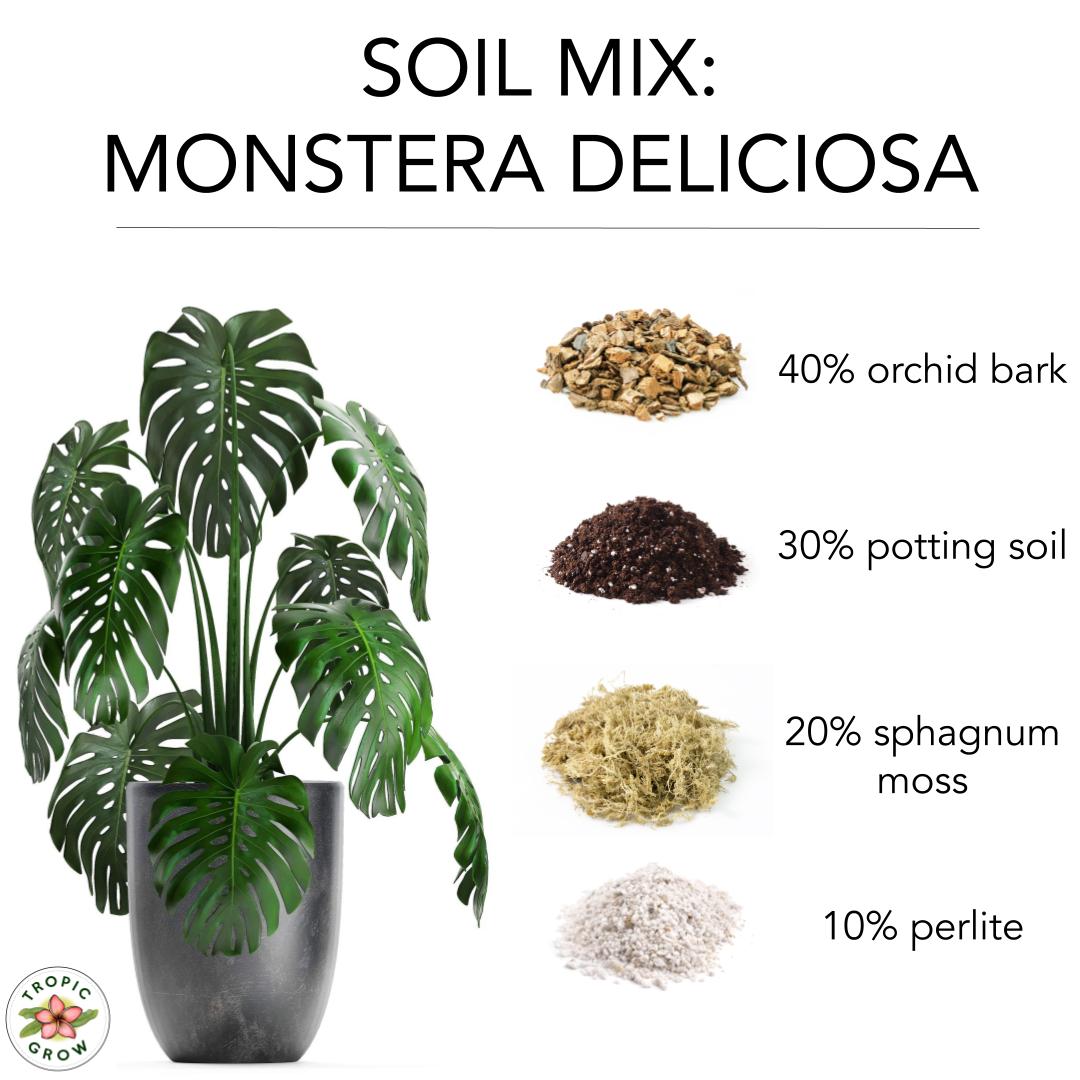
Monstera plants thrive with the right soil. But what soil is best?
Monstera, also known as the Swiss Cheese Plant, is a favorite among plant enthusiasts. Its striking leaves add a tropical touch to any space. For this plant to flourish, the soil you choose is crucial. The right soil mix ensures proper drainage, aeration, and nutrients.
In this blog post, we will explore the ideal soil composition for your Monstera. Whether you’re a seasoned plant parent or a beginner, understanding soil needs will help your Monstera thrive. Let’s dig into the details and help your plant grow strong and healthy.
Choosing The Right Soil
Choosing the right soil for your Monstera is crucial for its growth. The right soil provides essential nutrients and proper drainage. This ensures your Monstera stays healthy and vibrant. Let’s dive into the details of soil types and nutrient content.
Soil Types
Different soil types can affect your Monstera’s growth. Here are some common soil types:
- Potting Soil: This is often used for indoor plants. It retains moisture well but may need additional drainage.
- Peat-based Soil: This is light and airy, making it excellent for root growth. However, it can dry out quickly.
- Perlite: Perlite is a volcanic glass that improves soil aeration. It helps with drainage and prevents waterlogging.
- Coco Coir: Made from coconut husks, coco coir retains water well. It’s also eco-friendly and sustainable.
A mix of these soils often works best. Combining potting soil with perlite or coco coir can provide a balanced environment. This mix ensures proper drainage and nutrient retention.
Nutrient Content
Monstera plants require specific nutrients to thrive. Essential nutrients include nitrogen, phosphorus, and potassium.
| Nutrient | Importance | Sources |
|---|---|---|
| Nitrogen (N) | Promotes leaf growth | Compost, manure, fish emulsion |
| Phosphorus (P) | Supports root development | Bone meal, rock phosphate |
| Potassium (K) | Enhances overall plant health | Wood ash, kelp meal |
These nutrients should be present in the soil mix. Using a balanced fertilizer can help maintain these nutrient levels. Ensure to follow the instructions on the fertilizer package to avoid overfeeding your Monstera.
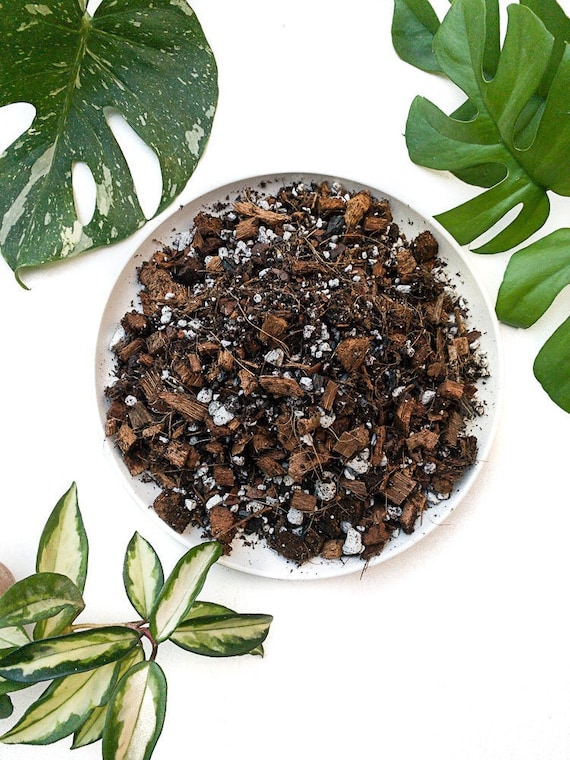
Essential Soil Ingredients
Monstera plants thrive in well-draining soil. The right soil mix includes several essential ingredients. These ingredients help retain moisture while providing good aeration. Let’s explore the key components for the perfect Monstera soil mix.
Peat Moss
Peat moss is a crucial ingredient in Monstera soil. It retains moisture, which helps keep the soil consistently damp. Peat moss also provides organic matter to the soil. This ensures nutrients are available for the plant. It improves the soil structure and helps with root development.
Perlite
Perlite is another key ingredient for Monstera soil. It is a lightweight material that improves drainage. Perlite prevents the soil from becoming too compact. This ensures roots have enough space to grow. It also helps with aeration, allowing oxygen to reach the roots.
Bark
Bark is an essential component in Monstera soil mix. It helps improve drainage and aeration. Bark also adds organic matter to the soil. This improves the overall structure. It breaks down slowly, providing long-term benefits for the plant.
Soil Ph Levels
Understanding the soil pH levels is crucial for growing a healthy Monstera plant. The pH level affects nutrient availability and overall plant health. Ensuring the right pH can help your Monstera thrive.
Optimal Ph Range
The ideal pH range for Monstera soil is between 5.5 and 7.0. This range is slightly acidic to neutral. Within this range, nutrients are most available to the plant. A balanced pH ensures your Monstera gets all it needs to grow well.
Testing Soil Ph
Testing the soil pH is simple. You can use a pH test kit or a digital pH meter. Both are available at garden centers. Follow these steps:
- Take a small soil sample from around the Monstera’s roots.
- Place the sample in a clean container.
- Add distilled water and mix well.
- Insert the pH test strip or meter into the mixture.
- Wait for the result.
Compare the result to the optimal pH range (5.5 to 7.0). Adjust if necessary.
To adjust soil pH:
- To increase pH, add lime or wood ash.
- To decrease pH, add sulfur or peat moss.
Re-test the soil after adjustments to ensure the pH is correct.

Water Retention And Drainage
Choosing the right soil for your Monstera is crucial. Water retention and drainage are key factors. Proper water management ensures your plant stays healthy. Too much water can lead to root rot. Too little can cause the plant to dry out. Striking the right balance is essential.
Drainage Importance
Good drainage is vital for Monstera. It allows excess water to escape. This prevents waterlogging. Waterlogged soil suffocates roots. It leads to root rot and fungal infections. Well-draining soil promotes healthy root growth. It ensures the roots get enough oxygen.
Improving Drainage
There are several ways to improve soil drainage. You can mix perlite or pumice into the soil. These materials create air pockets. They help water flow through the soil easily. Adding coarse sand also improves drainage. Avoid using fine sand. It can compact and reduce drainage.
Another way to enhance drainage is by using a pot with drainage holes. This allows excess water to escape. Ensure the pot is not sitting in water. Use a saucer to catch excess water. Empty it regularly to prevent root rot.
| Materials | Benefits |
|---|---|
| Perlite | Creates air pockets, improves drainage |
| Pumice | Lightweight, enhances drainage |
| Coarse Sand | Prevents compaction, aids drainage |
Using the right soil mix is crucial. A mix of potting soil, perlite, and coarse sand works well. This combination provides good water retention and drainage. It helps maintain the balance Monstera needs.
Remember, healthy soil leads to a healthy Monstera. Monitor your plant’s water needs. Adjust your soil mix accordingly. This ensures your Monstera thrives.
Soil Mix Recipes
Creating the perfect soil mix for your Monstera can make a huge difference in its health and growth. A well-draining and nutrient-rich soil mix will ensure your plant thrives. Here are some soil mix recipes that you can try for your Monstera.
Basic Recipe
This basic soil mix is simple yet effective. It provides good drainage and aeration, which are essential for Monstera plants.
- 1 part potting soil
- 1 part perlite
- 1 part orchid bark
Mix these ingredients thoroughly. Potting soil provides essential nutrients. Perlite improves drainage. Orchid bark helps with aeration.
Advanced Recipe
If you want to give your Monstera a little extra, try this advanced soil mix. It includes additional ingredients for better nutrient retention and root health.
- 1 part potting soil
- 1 part perlite
- 1 part orchid bark
- 1/2 part charcoal
- 1/2 part worm castings
Mix these ingredients well. Charcoal helps with soil aeration and prevents root rot. Worm castings provide a rich source of nutrients.
Common Soil Problems
Monstera plants thrive in well-draining soil. But, common soil problems can hinder their growth. Understanding these issues helps keep your plant healthy.
Soil Compaction
Soil compaction occurs when the soil becomes too dense. This restricts root growth and water absorption. Over-watering and heavy soil can cause compaction. To prevent it, use a mix with perlite or orchid bark. These materials help maintain a loose structure. Repotting your Monstera every few years also helps.
Fungal Growth
Fungal growth can harm your Monstera. It often appears as white or gray mold on the soil surface. Over-watering and poor drainage create ideal conditions for fungi. To avoid this, ensure your pot has drainage holes. Water your plant only when the top inch of soil is dry. Using a fungicide can also help control outbreaks.
Repotting Monstera
Repotting your Monstera is essential for its growth and health. Monstera plants need fresh soil and more space to thrive. Knowing the right time and steps for repotting ensures your plant remains vibrant and healthy.
When To Repot
Repot your Monstera when its roots outgrow the current pot. Look for roots coming out of the drainage holes. Another sign is slow growth or yellowing leaves. Repotting every 1-2 years usually works well.
Steps To Repot
First, prepare a new pot that is 2 inches larger in diameter. Ensure the new pot has good drainage holes. Gather fresh, well-draining soil, ideally a mix of peat, pine bark, and perlite.
Next, gently remove the Monstera from its current pot. Loosen the root ball to remove old soil. Place the plant in the new pot and fill with fresh soil. Press the soil lightly around the roots.
Water the plant thoroughly, allowing excess water to drain out. Place your repotted Monstera in a spot with indirect sunlight. Keep the soil moist but not waterlogged for the next few weeks.
Organic Vs. Synthetic Soil
Choosing between organic and synthetic soil for Monstera plants can impact growth and health. Organic soil offers natural nutrients, while synthetic soil provides controlled conditions. Both have unique benefits depending on plant needs.
Choosing the right soil is crucial for a healthy Monstera plant. Many gardeners debate between organic and synthetic soil. Each has its own set of benefits and options. Let’s explore these to help you decide what’s best for your Monstera.Benefits Of Organic Soil
Organic soil is rich in natural nutrients. It promotes healthy root growth and retains moisture well. This type of soil also improves the soil structure over time. It supports beneficial microorganisms, which help your Monstera thrive. Organic soil is environmentally friendly. It reduces the need for chemical fertilizers.Synthetic Soil Options
Synthetic soil often contains peat moss, perlite, and vermiculite. These components provide good drainage and aeration. Synthetic soil is usually sterile, reducing the risk of pests and diseases. It can be tailored to meet specific plant needs. This type of soil is often lighter, making it easier to handle. It also tends to have a consistent texture. “`
Frequently Asked Questions
What Soil Is Best For Monstera?
Monstera thrives in well-draining, nutrient-rich potting soil. A mix of peat, perlite, and orchid bark works well.
Can I Use Cactus Soil For Monstera?
Cactus soil can be used for Monstera if mixed with peat. This ensures adequate moisture retention.
Does Monstera Need Special Soil?
Monstera doesn’t need special soil but prefers a mix that drains well. Combine peat, perlite, and orchid bark.
How Often Should I Change Monstera Soil?
Change Monstera soil every 1-2 years. This refreshes nutrients and prevents soil compaction.
Conclusion
Choosing the right soil for your Monstera is crucial. Well-draining soil helps prevent root rot. A mix of peat, perlite, and orchid bark works well. This blend provides good aeration and moisture balance. Remember to water when the top inch feels dry.
Healthy soil means a happy Monstera. Keep your plant thriving with the right care. Enjoy watching those beautiful leaves grow!
Leave a Reply