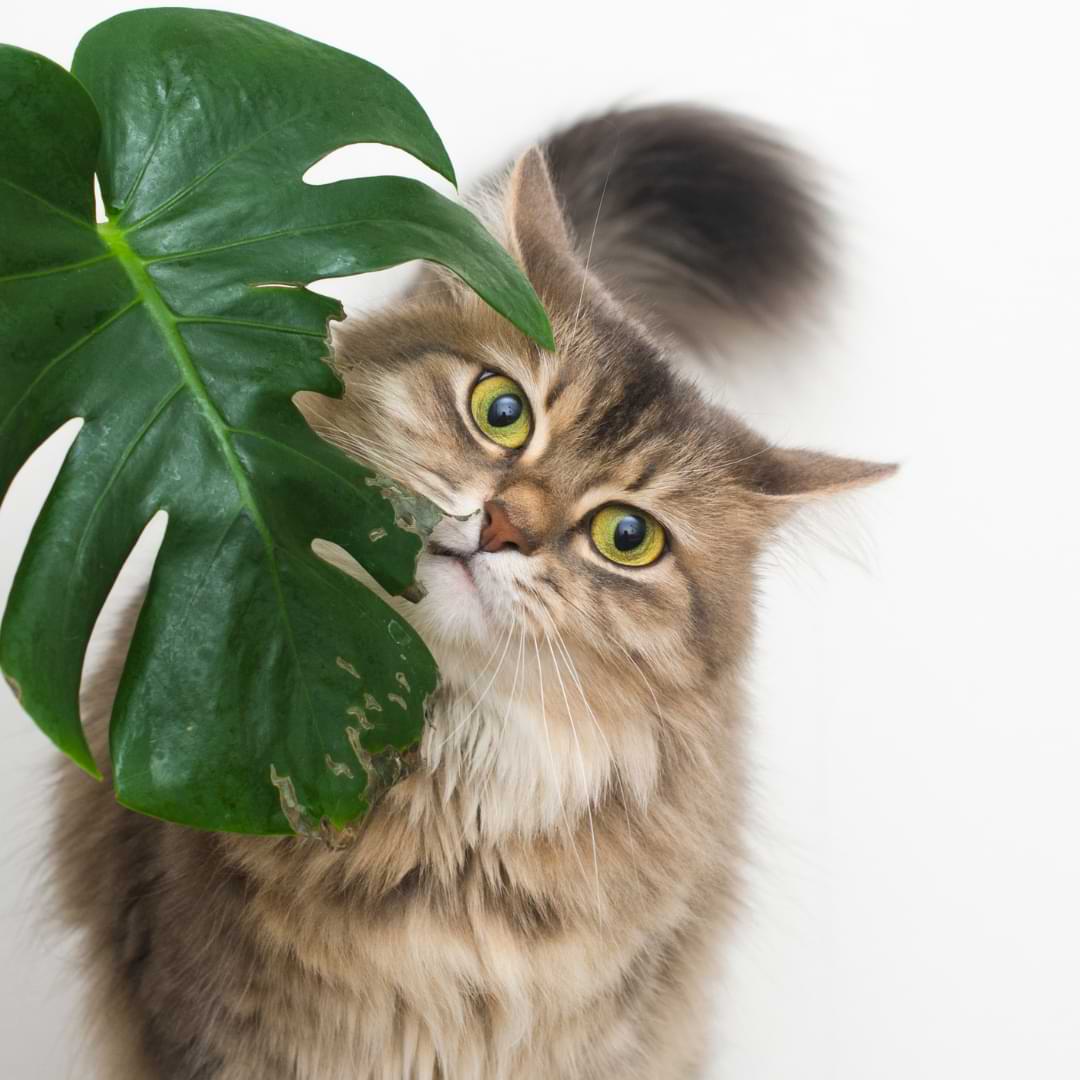
Monstera plants are popular houseplants known for their striking leaves. But, are they safe for cats?
If you have a cat and a Monstera plant, you might be worried. Cats love to nibble on plants, and not all plants are safe. Monstera plants contain calcium oxalates. These can cause irritation if ingested by cats. Symptoms may include drooling, vomiting, and difficulty swallowing.
Knowing which plants are safe is crucial for pet owners. In this blog, we will discuss the risks associated with Monstera plants and what you can do to keep your cat safe. Understanding the potential dangers can help you make informed decisions about your indoor plants. Let’s explore the details and ensure a safe environment for your feline friend.
Monstera Plant Overview
The Monstera plant is popular among plant enthusiasts. Its unique leaves and easy care make it a favorite. But, if you have pets, especially cats, you may wonder if Monstera is safe. Let’s first understand this plant better.
Origins And Characteristics
The Monstera plant originates from the tropical forests of Central and South America. It is a climbing plant that can grow very tall. Its leaves are large, glossy, and have natural holes, giving them a distinctive look. This is why people often call it the “Swiss cheese plant”.
Monstera plants thrive in humid environments. They need indirect sunlight and moderate watering. Due to their tropical nature, they prefer warm temperatures. This plant is also known for its aerial roots, which help it climb and find support.
Common Varieties
There are several common varieties of the Monstera plant:
- Monstera Deliciosa: The most famous type. Known for its large, split leaves.
- Monstera Adansonii: Smaller leaves with more holes. Sometimes called the “Swiss cheese vine”.
- Monstera Obliqua: Rare and often confused with Adansonii. Its leaves have more holes than leaf material.
Each variety has its unique charm. But, they all share the stunning, holey leaf pattern that plant lovers adore.
Toxicity In Plants
Many plants around your home can be toxic. This is important for pet owners. Cats often chew on plants. Knowing which plants are safe helps keep your cat healthy. One plant that raises questions is Monstera. Let’s explore plant toxicity.
Understanding Plant Toxicity
Plant toxicity can harm pets. Different plants contain different toxins. These toxins can cause various health issues. Symptoms may include vomiting, drooling, and even difficulty breathing. Understanding which plants are toxic is key.
Common Toxic Plants For Pets
Several plants are toxic to cats. Lilies are highly dangerous. Even a small amount can be fatal. Poinsettias are also harmful. They can cause digestive problems and skin irritation. Another common toxic plant is the Sago Palm. Its seeds are especially deadly.
Monstera is another plant to watch. It contains calcium oxalate crystals. These crystals can irritate your cat’s mouth and stomach. Symptoms include drooling and vomiting. It’s important to keep Monstera out of reach.
Monstera And Cats
Many plant lovers adore the Monstera plant. It is also known as the Swiss cheese plant. Its unique leaves make it a favorite in homes. But, cat owners often wonder: Is Monstera safe for cats?
The short answer is no. Monstera is toxic to cats. Understanding why can help keep your furry friend safe.
Toxic Compounds In Monstera
Monstera contains calcium oxalate crystals. These tiny crystals are sharp. When chewed, they can cause pain and irritation.
These crystals are in all parts of the Monstera plant. So, no part of the plant is safe for cats.
Symptoms Of Poisoning
If a cat chews on Monstera, they may show these symptoms:
- Pawing at the mouth
- Drooling
- Vomiting
- Swelling of the mouth or tongue
- Difficulty swallowing
These symptoms can be very distressing for your cat. If you suspect poisoning, contact a vet immediately.
Identifying Poisoning Symptoms
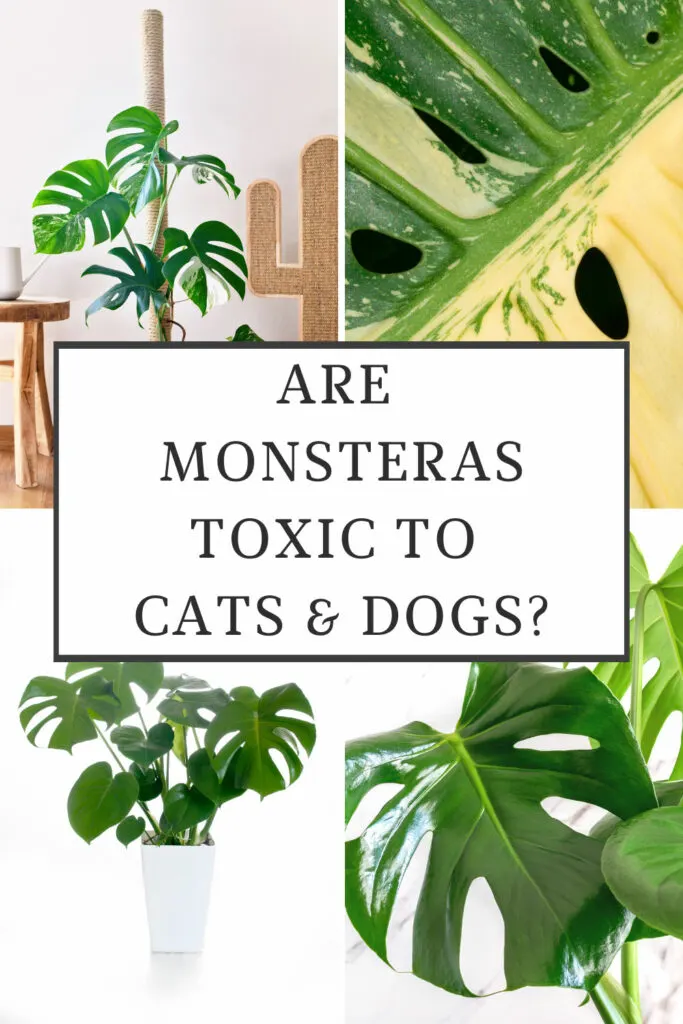
Identifying poisoning symptoms in cats is crucial for their health. Monstera plants can be toxic to cats. Knowing the signs of poisoning can help you act quickly. Let’s explore the behavioral and physical symptoms of Monstera poisoning in cats.
Behavioral Changes
Cats may show unusual behavior if they ingest Monstera. They could become lethargic or unusually restless. Watch for signs of confusion or disorientation. Cats might also hide more than usual. Increased vocalization, such as crying or meowing, can be a sign too.
Physical Indicators
Physical symptoms are often easier to spot. Look for drooling or excessive salivation. Vomiting is a common sign of poisoning. Cats may also experience diarrhea. Swelling of the mouth or tongue can occur. Difficulty in breathing is a serious indicator. Contact your vet immediately if you notice these symptoms.
Immediate Actions
If your cat has chewed on a Monstera plant, act quickly. Immediate action can prevent serious health issues. Monstera plants contain calcium oxalate crystals. These crystals can cause pain and swelling in your cat’s mouth. They may also lead to stomach issues.
Recognize the signs of poisoning. Common symptoms include drooling, pawing at the mouth, and vomiting. Your cat might also have difficulty swallowing. If you notice these signs, follow the steps below.
First Aid For Poisoning
First, remove any plant material from your cat’s mouth. Use a damp cloth to wipe your cat’s mouth. This helps remove the irritating crystals. Next, give your cat fresh water. Encourage them to drink. This can help dilute the toxins.
Do not induce vomiting unless directed by a vet. Vomiting can cause more harm. Keep your cat calm and comfortable. Monitor their behavior closely. Note any changes or worsening symptoms.
When To Contact A Vet
Contact a vet immediately if symptoms are severe. Severe symptoms include difficulty breathing, excessive drooling, or extreme lethargy. Even mild symptoms should be discussed with a vet. Early intervention can prevent serious complications.
Provide the vet with details. Tell them how much of the plant was eaten. Describe your cat’s symptoms in detail. Follow the vet’s advice carefully. They may recommend bringing your cat in for an examination.
Your cat’s health is important. Taking immediate action can make a big difference. Always keep Monstera plants out of reach of pets.
Preventive Measures
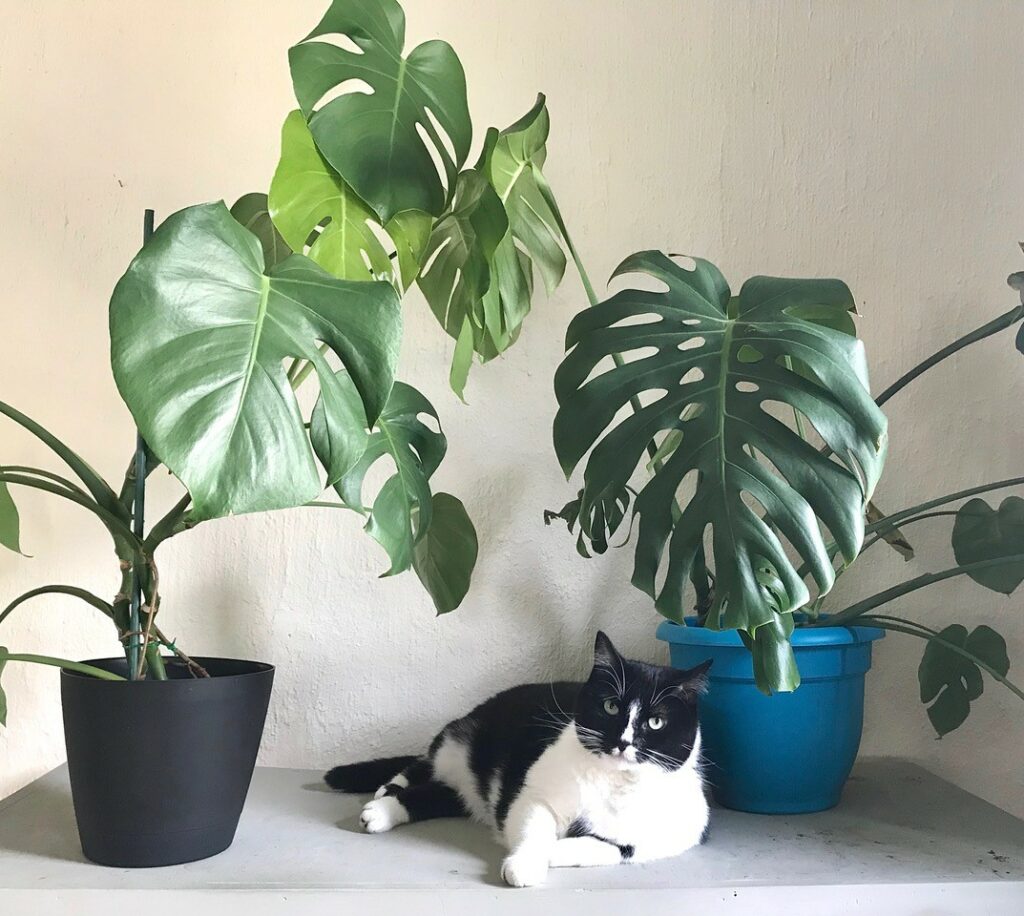
Monstera plants are popular for their unique leaves and aesthetic appeal. However, they are toxic to cats. If you have a cat, it is crucial to take preventive measures. This will ensure your furry friend’s safety. Here are some effective strategies to keep your cat safe from Monstera toxicity.
Cat-safe Alternatives
Consider replacing your Monstera with cat-safe alternatives. Many beautiful, non-toxic plants can fill the same space. Here are some options:
- Spider Plant (Chlorophytum comosum)
- Areca Palm (Dypsis lutescens)
- Bamboo Palm (Chamaedorea seifrizii)
- Boston Fern (Nephrolepis exaltata)
These plants are safe for cats and add greenery to your home. They also help purify the air.
Creating A Safe Environment
Creating a safe environment is essential to protect your cat from toxic plants. Here are some steps to achieve this:
- Place toxic plants out of reach. Use shelves or high areas.
- Use plant barriers to keep cats away. Consider plant cages or covers.
- Provide distractions. Give your cat toys and scratching posts.
- Spray deterrents. Use cat-safe sprays to deter plant chewing.
These steps help keep your cat safe and your plants intact. Always monitor your cat’s behavior around plants.
Frequently Asked Questions
Is Monstera Toxic To Cats?
Yes, Monstera plants are toxic to cats. The plant contains insoluble calcium oxalates. If ingested, it can cause irritation, drooling, and vomiting.
What Happens If A Cat Eats Monstera?
If a cat eats Monstera, it may experience oral irritation, drooling, and vomiting. Contact a vet immediately for advice and treatment.
How Can I Keep My Cat Away From Monstera?
Place the plant out of reach or use deterrents. You can also provide cat-friendly plants as alternatives.
Are There Safe Alternatives To Monstera For Cat Owners?
Yes, cat-friendly alternatives include spider plants, Boston ferns, and areca palms. These plants are non-toxic to cats.
Conclusion
Monstera plants are toxic to cats. Keep them out of your home. Consider cat-safe plants instead. Your pet’s health is a priority. Always research before introducing new plants. Safe choices will ensure a happy, healthy cat. Enjoy the beauty of pet-friendly greenery.
Your furry friend will thank you.
Leave a Reply