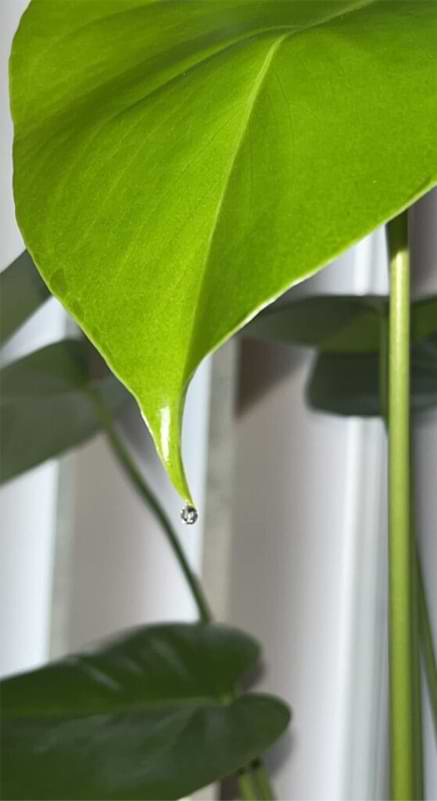
Have you noticed your Monstera dripping water? This might seem strange.
But don’t worry, it’s usually a natural process. Monstera plants are known for their lush, beautiful leaves. Sometimes, you may see water droplets on these leaves. This is called guttation. Guttation happens when the plant releases extra moisture. It’s not harmful, but it’s good to understand why it happens.
This blog post will explore the reasons behind Monstera dripping water. You’ll learn what causes this phenomenon and how to manage it. Understanding this process can help you take better care of your Monstera. So, let’s dive into why your Monstera might be dripping water and what it means for your plant’s health.
Introduction To Monstera Dripping
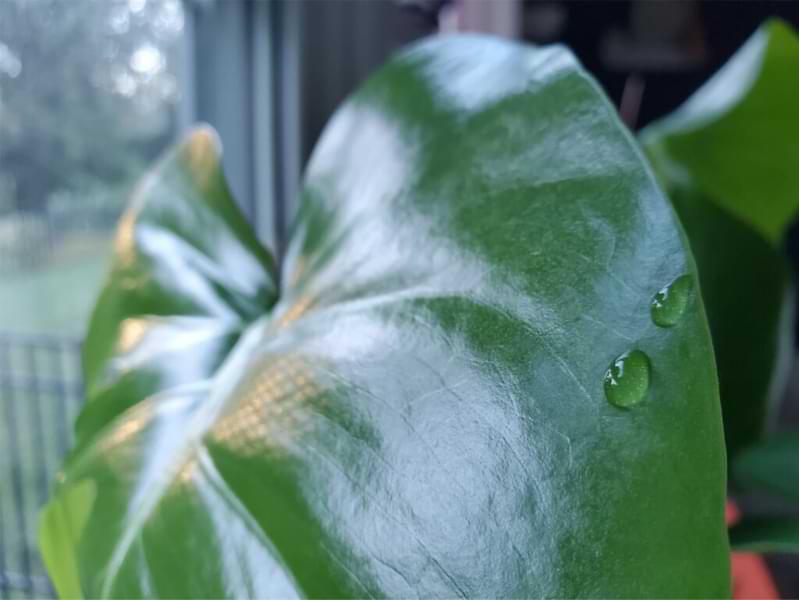
Monstera plants, often called the Swiss Cheese Plant, are popular houseplants. They are known for their unique, holey leaves. But sometimes, you may notice drops of water on them. This is a common phenomenon that many plant owners observe.
Common Observations
Many plant owners see water droplets on their Monstera leaves. This usually happens in the morning. The water droplets can be clear and small. Sometimes, they can be larger and more noticeable. It might seem like the plant is sweating. These observations are common among Monstera owners.
Why It’s A Mystery
Monstera dripping water can be puzzling. Many wonder why this happens. The dripping can confuse even experienced plant owners. Some think their plant is overwatered. Others believe it might be a sign of a problem. The truth is, this is a natural process. It’s called guttation. It occurs when the plant releases excess water. This usually happens during the night. Understanding this can help you care for your Monstera better.
Natural Plant Processes
Monstera plants are fascinating. They are known for their large, unique leaves. Sometimes, you may notice water droplets on the leaves. This can be puzzling. The good news is, it’s natural. Let’s explore why this happens.
Transpiration Explained
Transpiration is a normal process. Plants absorb water through their roots. They release water vapor through their leaves. This helps them cool down. It also helps them transport nutrients. When humidity is high, you may see water droplets. This is because the air is already moist. So, the water can’t evaporate quickly.
Guttation Phenomenon
Guttation is another reason Monstera drips water. It’s different from transpiration. During guttation, plants release water from leaf edges. This happens at night. Roots absorb water even when the plant doesn’t need it. To get rid of the extra, they push it out. This forms droplets on the leaf tips. It’s more common in high humidity.
Both processes are completely natural. They show that your plant is healthy. So, don’t worry if you see water droplets. Your Monstera is just doing its job.
Environmental Factors
Environmental factors play a significant role in why your Monstera might be dripping water. Understanding these factors helps in maintaining a healthy plant. This section delves into two key environmental aspects affecting your Monstera: humidity levels and temperature impact.
Humidity Levels
Monstera plants thrive in environments with high humidity. When the air is too humid, the plant absorbs more water than it needs. This excess water is released through a process called guttation. The water droplets you see on your Monstera’s leaves are a result of this process.
To manage humidity levels, consider the following:
- Use a humidity meter to monitor levels.
- Maintain humidity between 60% to 80% for optimal growth.
- Place a humidifier near the plant if the air is too dry.
- Mist the leaves occasionally to increase moisture.
Temperature Impact
Temperature changes can also cause your Monstera to drip water. These plants prefer warm conditions, ideally between 65°F to 85°F (18°C to 29°C). Sudden drops in temperature can stress the plant, causing it to release water.
To ensure a stable temperature:
- Avoid placing the plant near drafty windows or doors.
- Keep it away from heating vents or air conditioners.
- Use a thermometer to monitor the room temperature.
By controlling these environmental factors, you can prevent your Monstera from dripping water. This will promote healthier growth and a happier plant.
Watering Habits
Monstera plants, with their unique leaf patterns, are loved by many plant enthusiasts. But sometimes, you might notice water droplets forming on the leaves. This often relates to the plant’s watering habits. Understanding how to properly water your Monstera can help you avoid this issue.
Overwatering Signs
Overwatering is a common problem for many indoor plants, including Monstera. Here are some signs to watch for:
- Leaves turning yellow
- Soggy or mushy soil
- Foul odor from the soil
- Brown leaf tips
If you notice these signs, your Monstera might be getting too much water. Overwatering can lead to root rot, which is harmful to the plant.
Proper Watering Techniques
To keep your Monstera healthy, follow these watering techniques:
- Check soil moisture before watering. The top 2 inches should be dry.
- Use a pot with drainage holes to prevent water from sitting at the bottom.
- Water thoroughly until water drains out of the bottom.
- Empty the saucer under the pot to avoid stagnant water.
These practices will help prevent overwatering and ensure your Monstera thrives.
Soil And Drainage
Monstera plants are popular for their beautiful leaves and easy care. Yet, many owners notice their Monstera dripping water. Often, the cause lies in soil and drainage issues. Understanding soil and drainage needs can help keep your Monstera healthy.
Ideal Soil Mix
Monsteras need a well-draining soil mix. Use a mix that includes peat moss, perlite, and orchid bark. Peat moss retains moisture without getting soggy. Perlite improves aeration. Orchid bark provides structure and drainage.
Drainage Solutions
Proper drainage is crucial for a healthy Monstera. Ensure your pot has drainage holes. Without holes, water can pool at the bottom. This leads to root rot and other issues. Use a saucer to catch excess water. Empty the saucer regularly to prevent water from sitting.
Consider adding a layer of gravel at the bottom of the pot. This improves drainage and prevents water from stagnating. Monitor watering habits closely. Overwatering is a common problem. Water only when the top inch of soil feels dry.

Plant Health Indicators
Monstera plants often drip water due to various reasons. These reasons relate directly to the plant’s health. Understanding these indicators can help you maintain a thriving Monstera. Here, we focus on two main indicators: leaf health and root condition.
Leaf Health
Healthy leaves are crucial for your Monstera. Look for vibrant green color and no brown spots. Dropping water from the leaves can indicate overwatering. Ensure the soil is not soggy. This prevents water from pooling around the roots. Also, check for pests. Pests can cause stress, leading to water dripping from the leaves.
Root Condition
The roots are the lifeline of your Monstera. Healthy roots should be white and firm. If the roots are brown or mushy, this signals root rot. Root rot occurs due to overwatering. Allow the soil to dry out between waterings. Proper drainage is also essential. Ensure the pot has drainage holes. This helps prevent water from sitting at the bottom.
Potential Pests And Diseases
Monstera plants, like many indoor plants, can experience issues caused by pests and diseases. These problems can lead to the plant dripping water, a phenomenon known as guttation. Knowing the signs of common pests and diseases can help you keep your Monstera healthy and thriving.
Common Pests
Several pests can affect Monstera plants. Here are some of the most common ones:
- Spider Mites: Tiny, red or white mites that spin webs on the plant. They suck the sap from the leaves, causing yellow spots and a dry appearance.
- Mealybugs: Small, white, cotton-like insects that cluster in leaf joints. They feed on the plant’s sap, leading to stunted growth and yellowing leaves.
- Scale Insects: Hard-shelled pests that attach to the stems and leaves. They can cause wilting, yellowing, and sticky residue on the plant.
- Aphids: Small, green or black insects that gather on new growth. They suck the sap from the plant, leading to curled and distorted leaves.
Disease Symptoms
Diseases can also cause a Monstera to drip water. Recognizing disease symptoms early can save your plant. Here are some symptoms to watch for:
| Disease | Symptoms |
|---|---|
| Root Rot | Yellowing leaves, wilting, and a foul smell from the soil. |
| Leaf Spot | Brown or black spots on the leaves, often with a yellow halo. |
| Powdery Mildew | White, powdery fungus on the leaves, leading to distortion and stunted growth. |
To prevent and treat these issues, regularly inspect your Monstera. Keep the environment clean and avoid overwatering. Using neem oil or insecticidal soap can help control pests. For diseases, ensure proper air circulation and remove affected leaves promptly.
Preventive Measures
Understanding why your Monstera is dripping water is essential. It helps in maintaining its health and beauty. By taking preventive measures, you can ensure your plant thrives and stays vibrant.
Routine Care Tips
Water your Monstera properly. Avoid overwatering. Check the soil before watering. It should be dry to the touch. Use well-draining soil to prevent water accumulation. Regularly clean the leaves. Dust can block pores and affect transpiration.
Inspect your plant weekly for signs of pests. Use natural insecticides if needed. Fertilize your Monstera during the growing season. Use a balanced, water-soluble fertilizer. Follow the instructions on the package for best results.
Environmental Adjustments
Maintain a stable temperature. Monsteras prefer 65-85°F. Avoid placing your plant near drafts or vents. Ensure adequate humidity. Monsteras thrive in 60-80% humidity. Use a humidifier or place a tray of water near the plant.
Provide indirect sunlight. Too much direct sunlight can cause stress. Use sheer curtains to filter light if needed. Rotate your Monstera regularly. This ensures even growth and prevents leaning.
Conclusion And Final Thoughts
Monstera dripping water can be a natural process called guttation. It indicates the plant is healthy and well-hydrated. Proper care ensures this phenomenon remains harmless.
Understanding why your Monstera is dripping water can ease your worries. This knowledge helps you care for your plant better. Let’s recap the main points and give some encouragement.Summarizing Key Points
Monstera plants drip water due to a natural process called guttation. Guttation happens when the plant expels excess water. Overwatering can increase guttation. High humidity and temperature also play a role. Proper watering routines can help reduce this dripping.Encouragement For Plant Lovers
Caring for plants involves continuous learning. Each plant has unique needs and characteristics. Guttation is a sign of a healthy Monstera. Embrace it as part of your plant’s life. Enjoy the beauty and benefits of having a Monstera in your home. Keep experimenting with care routines. Your efforts will make your plant thrive. “`Frequently Asked Questions
Why Is My Monstera Dripping Water?
Monstera plants drip water due to a natural process called guttation. This occurs when the plant expels excess moisture through its leaves. It’s usually harmless and a sign of healthy moisture levels.
Is It Normal For Monstera To Drip Water?
Yes, it’s normal. The dripping is a result of guttation, indicating the plant’s roots are absorbing adequate moisture. It’s a natural process and typically nothing to worry about.
How Can I Stop My Monstera From Dripping Water?
To reduce dripping, avoid overwatering your Monstera. Ensure the soil is well-draining and allow the top layer to dry out between waterings. This helps control moisture levels.
Does Monstera Dripping Water Mean Overwatering?
Not necessarily. While overwatering can cause guttation, it can also occur in well-watered plants. Monitor soil moisture and adjust watering habits if necessary to maintain balance.
Conclusion
Monstera plants dripping water can be confusing. It’s a natural process called guttation. It means your plant is healthy and well-watered. Ensure your Monstera gets the right amount of water. Check the soil before watering again. This helps prevent root problems.
Enjoy your thriving Monstera and its unique traits. Happy gardening!
Leave a Reply