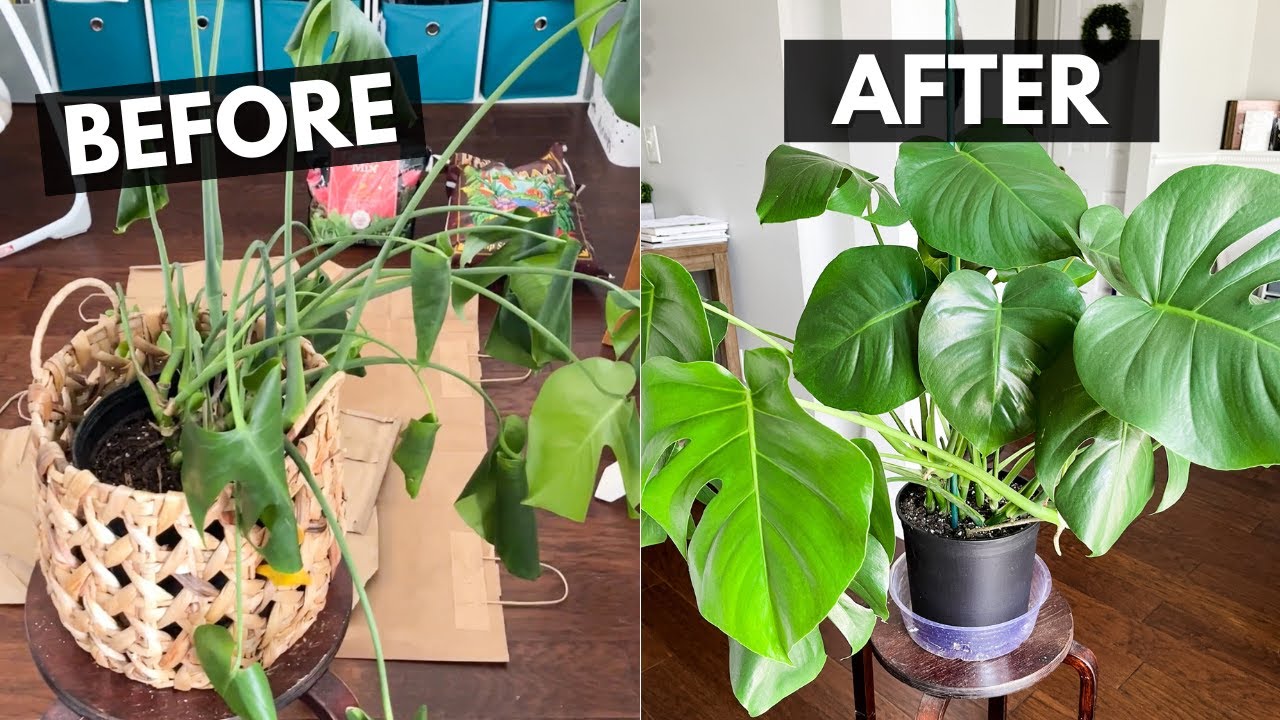
Yes, you can revive a Monstera. It might seem daunting, but with the right care, your Monstera can thrive again.
Monsteras, with their unique leaves, are popular houseplants. They can, however, sometimes show signs of distress. Yellowing leaves, drooping stems, or slow growth can be worrying. But don’t panic! Many factors can cause these issues, and most are fixable. By understanding the needs of your Monstera and adjusting its care routine, you can help it recover.
In this blog, we will explore the common problems and solutions to bring your Monstera back to health. Let’s dive in and save your beloved plant!

Recognizing Monstera Issues
Monstera plants, with their lush green leaves and unique holes, are a favorite among plant enthusiasts. However, even the most robust Monstera can face issues. Recognizing these issues early can help you revive your plant. Let’s explore the common signs of trouble and how to identify the root cause.
Common Signs Of Trouble
Monstera plants often show visible signs when they’re struggling. Here are some common symptoms to watch for:
- Yellowing Leaves: This can indicate overwatering or underwatering.
- Brown Tips: Usually a sign of low humidity or inconsistent watering.
- Drooping Leaves: This can be due to underwatering or root damage.
- Stunted Growth: Poor light conditions or nutrient deficiency might be the cause.
- Leaf Spotting: Often a result of fungal infections or pests.
Identifying Root Cause
Identifying the root cause of Monstera issues is crucial. Here’s a guide to help you:
| Issue | Possible Cause | Solution |
|---|---|---|
| Yellowing Leaves | Overwatering or Underwatering | Check soil moisture. Adjust watering schedule. |
| Brown Tips | Low Humidity | Mist the leaves. Use a humidifier. |
| Drooping Leaves | Underwatering or Root Damage | Water thoroughly. Check roots for rot. |
| Stunted Growth | Poor Light or Nutrient Deficiency | Move to a brighter spot. Fertilize monthly. |
| Leaf Spotting | Fungal Infection or Pests | Remove affected leaves. Use fungicide or insecticide. |
Assessing Plant Health
Assessing the health of your Monstera is crucial to its revival. Understanding the plant’s condition helps determine the best care steps. Let’s explore key areas to check.
Checking Leaves
Leaves can tell a lot about your Monstera’s health. Look for yellowing leaves. This might indicate overwatering or nutrient deficiency. Brown edges suggest underwatering or low humidity. Spotting black spots? It could be a sign of fungal infection. Healthy leaves should be green and firm.
Examining Roots
Roots are vital for plant health. Gently remove the Monstera from its pot. Check for white, firm roots. These indicate a healthy plant. Brown or mushy roots signal root rot. Trim these away carefully. A healthy root system is essential for revival.
Watering Techniques
Reviving a Monstera plant involves several important steps. One crucial aspect is understanding the right watering techniques. Proper watering can bring a struggling Monstera back to life. In this section, we will cover essential watering methods.
Proper Watering Schedule
Watering your Monstera on a regular schedule is vital. Aim to water your plant once a week. Check the soil moisture before watering. The top inch of soil should be dry. If it is still moist, wait a few more days.
During winter, reduce the watering frequency. The plant needs less water in colder months. Always keep a consistent schedule for best results.
Avoiding Overwatering
Overwatering is a common mistake with Monsteras. Too much water can cause root rot. Make sure your pot has drainage holes. This allows excess water to escape.
Use a well-draining soil mix. This helps prevent water from sitting around the roots. Always let the soil dry out before the next watering. Keeping an eye on soil moisture is key to avoiding overwatering.

Soil And Potting Tips
Reviving a Monstera plant involves checking the soil and potting conditions. Ensure proper drainage and avoid overwatering. Use high-quality potting mix to promote healthy growth.
Reviving a Monstera plant starts with proper soil and potting techniques. The right soil mix and pot can make all the difference. Here are some essential tips.Choosing The Right Soil
Monstera plants thrive in well-draining soil. Using the correct soil mix is crucial. Here’s a recommended mix:| Component | Percentage |
|---|---|
| Peat Moss | 40% |
| Perlite | 30% |
| Pine Bark | 20% |
| Compost | 10% |
Repotting Procedures
Repotting a Monstera is simple. Follow these steps:- Choose a pot 2-3 inches larger than the current one.
- Ensure the new pot has drainage holes.
- Fill the bottom with a layer of gravel for drainage.
- Remove the Monstera from its old pot carefully.
- Gently shake off excess soil from the roots.
- Place the plant in the new pot.
- Fill in with fresh soil mix around the roots.
- Water thoroughly until water drains out.
Light And Temperature Needs
Understanding the light and temperature needs of your Monstera is crucial. These two factors play a significant role in the health and revival of your plant. Ensuring the right conditions will help your Monstera thrive and grow beautifully.
Ideal Light Conditions
Monsteras prefer bright, indirect light. Direct sunlight can scorch their leaves. If the light is too low, the plant may become leggy and weak.
- Place your Monstera near a window with filtered light.
- Avoid direct afternoon sun to prevent leaf burn.
- Use sheer curtains to diffuse harsh sunlight.
Consider the following table for light conditions:
| Light Condition | Effect on Monstera |
|---|---|
| Bright, indirect light | Optimal growth and healthy leaves |
| Low light | Slow growth, leggy stems |
| Direct sunlight | Leaf burn, yellowing |
Maintaining Optimal Temperature
Monsteras thrive in a temperature range of 65-85°F (18-29°C). Extreme temperatures can stress the plant.
- Keep the plant away from cold drafts.
- Avoid placing it near heaters or air conditioners.
- Maintain a consistent temperature for best results.
For better understanding, here’s a temperature guide:
| Temperature Range | Effect on Monstera |
|---|---|
| 65-85°F (18-29°C) | Optimal growth and health |
| Below 50°F (10°C) | Cold stress, potential damage |
| Above 90°F (32°C) | Heat stress, wilting |
By maintaining the right light and temperature, your Monstera will thank you with lush, vibrant leaves.
Pruning And Trimming
Pruning and trimming are essential for keeping your Monstera healthy. Regular pruning helps the plant grow strong and vibrant. It also prevents diseases and promotes new growth. This section will guide you through the best practices for pruning and trimming your Monstera.
When To Prune
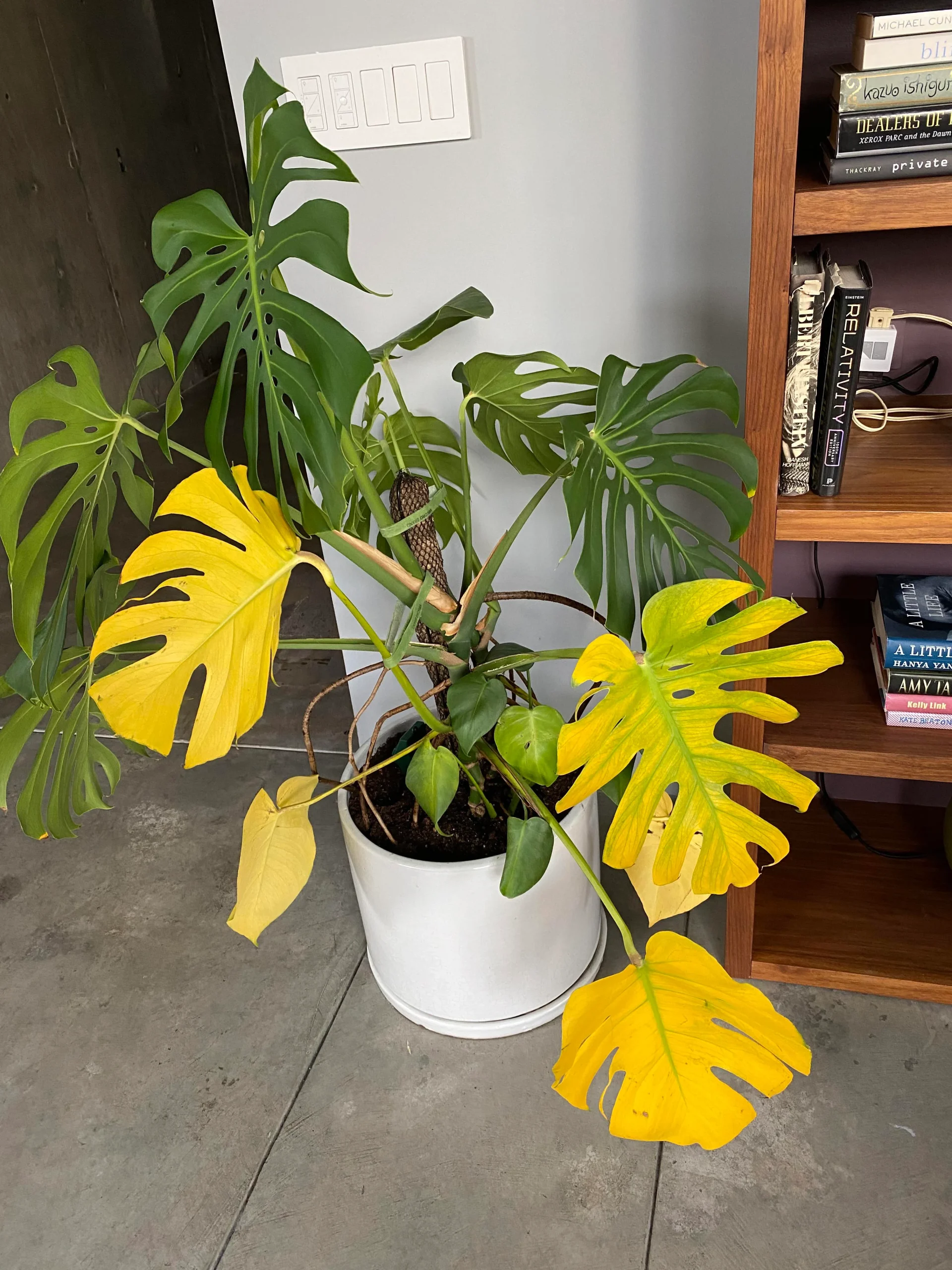
Prune your Monstera during its growing season, typically spring and summer. Avoid pruning in winter, when the plant is dormant. Look for yellow or dead leaves. These are signs that pruning is needed. Also, prune if the plant becomes too large or unruly. Regular pruning encourages a bushier appearance.
Techniques For Healthy Growth
Use clean, sharp scissors or pruning shears. Cut at a 45-degree angle above a leaf node. This helps new growth emerge quickly. Remove any damaged or discolored leaves. Trim long, leggy stems to maintain the plant’s shape. Don’t remove more than 25% of the plant at once. This ensures the Monstera stays strong and healthy.
Disinfect your tools before and after pruning. This prevents the spread of diseases. Use rubbing alcohol or a bleach solution. Proper pruning and trimming promote a thriving Monstera. Follow these tips to keep your plant looking its best.
Fertilization Strategies
Reviving a Monstera can be a rewarding experience for plant lovers. Fertilization plays a crucial role in bringing your Monstera back to life. Proper fertilization ensures the plant gets the nutrients it needs to grow strong and healthy. Here are some strategies to help you fertilize your Monstera effectively.
Best Fertilizers To Use
Choosing the right fertilizer is important for your Monstera’s health. A balanced, water-soluble fertilizer with equal parts nitrogen, phosphorus, and potassium works well. Look for fertilizers labeled as 20-20-20 or similar. Organic fertilizers, such as compost or worm castings, are also great options. They release nutrients slowly and improve soil health.
Application Frequency
Applying fertilizer at the right frequency is key. During the growing season, feed your Monstera once a month. This period usually spans from spring to early fall. Reduce the frequency in winter, when the plant’s growth slows down. Fertilizing every two to three months during this time is sufficient.
Pest And Disease Control
Monstera plants can face various pests and diseases. These issues can weaken the plant and affect its growth. Understanding pest and disease control is crucial. It helps in keeping your Monstera healthy and vibrant.
Regular inspection can prevent major problems. Early detection of pests and diseases saves your plant. Let’s explore the common pests and how to treat them effectively.
Common Pests To Watch For
Monstera plants can attract several pests. Some of the most common ones include spider mites, mealybugs, and scale insects. Spider mites are tiny and hard to see. They create small webs on the leaves. Mealybugs appear as white, cotton-like masses. They often hide in leaf joints. Scale insects look like small, brown bumps on stems and leaves.
Effective Treatment Methods
Treating pests on Monstera plants is essential. For spider mites, use a strong stream of water. This can wash them off the leaves. Insecticidal soap works well for mealybugs. Spray it on the affected areas. Neem oil is effective against scale insects. Apply it to the stems and leaves.
Regularly check your Monstera for signs of pests. Early treatment ensures the plant remains healthy. Keep the plant clean and dust-free. This reduces the chances of pest infestations.
Frequently Asked Questions
How To Revive A Dying Monstera?
To revive a dying Monstera, check for proper light, water, and soil. Remove damaged leaves, prune roots, and ensure adequate humidity. Consider repotting if needed.
Why Are My Monstera Leaves Turning Yellow?
Yellow leaves on a Monstera can indicate overwatering, poor drainage, or nutrient deficiency. Adjust your watering schedule, check soil drainage, and consider fertilizing.
Can Monstera Grow Back After Pruning?
Yes, Monstera can regrow after pruning. Cut just above a node to encourage new growth. Regular pruning promotes a healthier, fuller plant.
How Often Should I Water A Monstera?
Water your Monstera when the top 2 inches of soil are dry. Typically, this means watering every 1-2 weeks. Adjust based on your environment.
Conclusion
Bringing a Monstera back to life is possible with patience and care. Ensure proper watering, light, and humidity. Trim damaged leaves to encourage new growth. Use well-draining soil to avoid root rot. Regularly check for pests and diseases. With consistent effort, your Monstera can thrive again.
Enjoy the journey of nurturing your plant back to health. Happy gardening!
Leave a Reply