
Monstera plants bring a touch of the jungle indoors with their large, lush leaves. To keep them climbing and healthy, proper support is essential.
Giving your Monstera the right structure to climb can mimic its natural growth pattern, leading to a healthier and more visually appealing plant. Training a Monstera to wind around a support isn’t just about aesthetics; it’s about simulating the plant’s native environment.
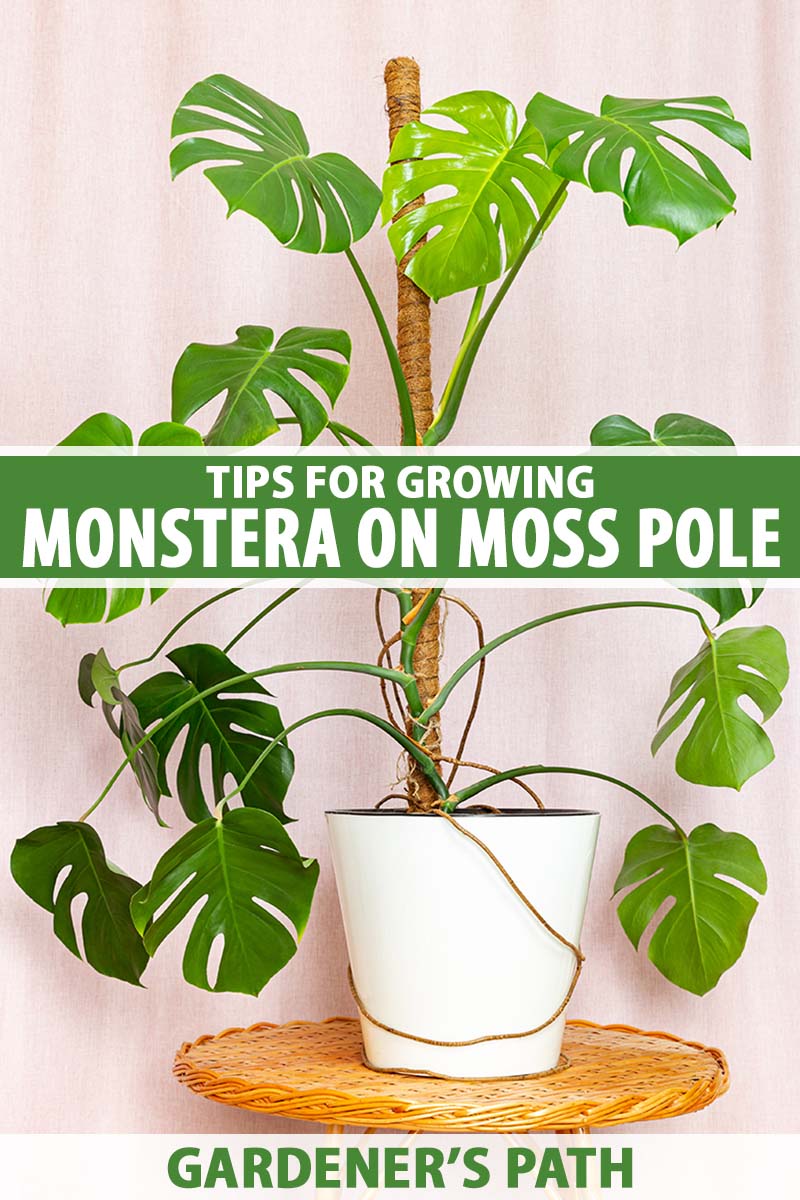
In the wild, Monsteras use trees for support to reach sunlight. Indoors, a stake or moss pole can serve the same purpose, allowing the plant to grow taller and stronger. This guide will walk you through the steps of selecting the right support, positioning your plant, and securing the stems for optimal growth. You’ll learn simple techniques to encourage your Monstera to climb, ensuring a robust and vibrant addition to your indoor garden.
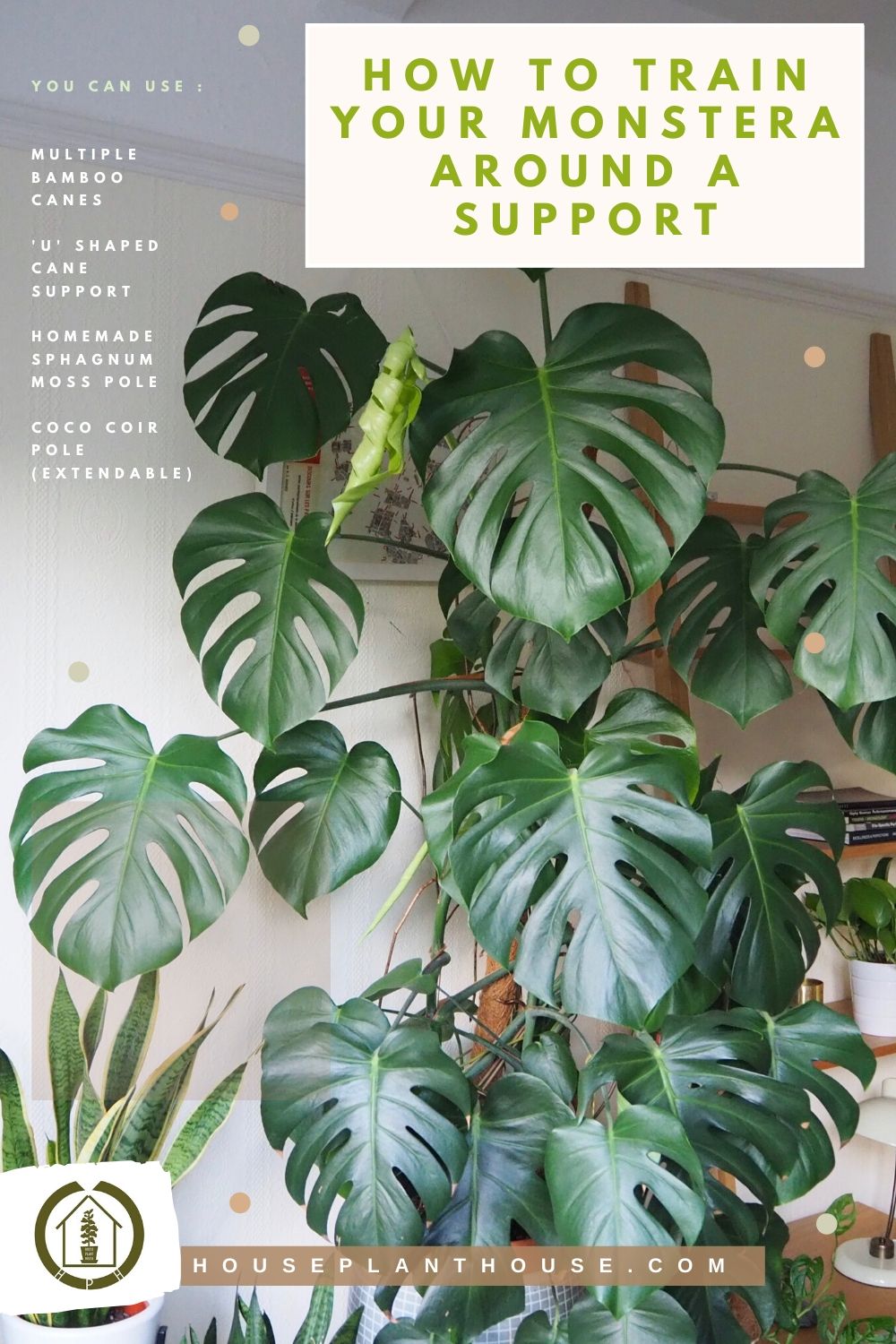
Choosing The Right Support
Monstera plants, with their grand, glossy leaves, can bring a touch of the tropics to any indoor space. Training your Monstera around a support not only enhances its natural beauty but also promotes healthy growth. Before you start, it’s vital to choose the right support to ensure your Monstera thrives. The perfect support mimics the plant’s natural climbing habit and provides ample space for it to grow. Let’s explore the best types of supports and material considerations to help your Monstera reach its full potential.
Types Of Supports
When selecting a support for your Monstera, consider the plant’s size and growth pattern. Supports come in various shapes and sizes, each with unique benefits. Here are some common options:
- Moss Poles: Ideal for moisture-loving plants, providing a surface for aerial roots to cling to.
- Trellises: Offer a sturdy frame for your Monstera to weave through as it grows.
- Lattice Panels: These give a wide area for the plant to spread out, suitable for larger Monsteras.
- Wooden Stakes: A simple, natural option that supports the plant’s weight as it climbs.
Consider the following table to understand the differences:
| Support Type | Pros | Cons |
|---|---|---|
| Moss Poles | Humidity support, natural look | May require frequent misting |
| Trellises | Supports complex growth patterns | Can be bulky |
| Lattice Panels | Ideal for expansive growth | Requires ample space |
| Wooden Stakes | Simple and effective | Less support for aerial roots |
Choose a support that aligns with your Monstera’s needs and your aesthetic preferences. As your plant grows, it may need a larger or more robust support, so plan ahead for easy transitions.
Material Considerations
The material of the support plays a crucial role in the health and growth of your Monstera. It must be durable, non-toxic, and suitable for the plant’s environment. Here are some materials to consider:
- Wood: Natural and sturdy, but may rot if not treated properly.
- Plastic: Lightweight and water-resistant, but less eco-friendly.
- Metal: Durable and long-lasting, but can rust in humid conditions.
- Bamboo: Sustainable and robust, ideal for eco-conscious plant owners.
Balance the pros and cons of each material with these points:
| Material | Benefits | Drawbacks |
|---|---|---|
| Wood | Natural look, sturdy | May decay over time |
| Plastic | Waterproof, easy to clean | Not eco-friendly |
| Metal | Strong, supports heavy plants | Can corrode in humidity |
| Bamboo | Eco-friendly, lightweight | May splinter with age |
Your choice should also take into account the room’s decor and the size of the Monstera. A well-chosen support material will not only blend with your home’s aesthetic but also stand the test of time, providing your Monstera with the stability it needs to climb and flourish.
Preparing The Monstera
Training your Monstera around a support not only enhances its aesthetic appeal but also promotes healthier growth. Before introducing any support structure, it’s vital to prepare your Monstera for this change. Proper preparation ensures the plant will wind its way up the support, creating a stunning natural display in your home. Let’s dive into the essential steps to get your Monstera ready for training.
Pruning Techniques
Effective pruning encourages your Monstera to grow lush and in the right direction. Here’s how to prune with care:
- Clean Your Tools: Start with sterilized scissors or shears to prevent the spread of disease.
- Identify: Look for yellow or damaged leaves and snip these off at the base.
- Shape: Cut back any leggy stems to promote bushier growth.
- Avoid Over-Pruning: Never remove more than 25% of the foliage at once.
Prune in the growing season, spring or summer, for the best results. This timing helps the plant recover and thrive. Remember to make clean cuts and avoid tearing the stems to keep your Monstera healthy.
Identifying Growth Directions
To guide your Monstera effectively, you need to understand its growth patterns:
- Observe: Watch where new leaves and aerial roots develop.
- Support: Place the structure in a way that complements the plant’s natural inclination.
- Adjust: Gently guide the stems towards the support, using soft ties if necessary.
Monsteras typically grow towards the light, so rotate your plant regularly to keep growth even. By identifying and supporting your Monstera’s natural growth direction, you’ll enable it to climb beautifully and healthily.
Securing The Monstera
Training your Monstera around a support is key to a healthy, stunning plant. It’s not just about looks. A well-supported Monstera grows better. Securing your Monstera is the first step. Let’s dive into how to do it right, focusing on using ties and clips, and maintaining plant health.
Using Ties And Clips
Securing your Monstera properly ensures it grows up strong and beautiful. Here’s how:
- Choose the right ties: Soft, flexible ties work best. They won’t hurt your plant.
- Use clips for ease: Clips can quickly attach your Monstera to the support. Make sure they’re not too tight.
Let’s compare ties and clips:
| Type | Benefits | Drawbacks |
|---|---|---|
| Ties | Adjustable, gentle on stems | May need retying as plant grows |
| Clips | Easy to use, quick | Can be too tight, limited sizes |
Remember, the goal is to support, not strangle. Check ties and clips regularly. Adjust as your Monstera grows.
Maintaining Plant Health
Securing your Monstera is just the start. Keeping it healthy is crucial. Here’s what to do:
- Light: Monstera loves indirect sunlight. Find a bright spot.
- Water: Water when the top inch of soil is dry. Don’t overdo it.
- Prune: Remove dead or yellow leaves to encourage growth.
Don’t forget to check for pests. Use natural remedies if you find any. Feeding your Monstera with the right fertilizer keeps it happy. A balanced, liquid fertilizer every month does wonders. Remember, a happy Monstera is a beautiful Monstera. Keep these tips in mind, and your plant will thrive.
Training Techniques
Monstera plants, with their striking leaves and tropical vibes, can add a lush touch to any interior space. Training your Monstera around a support not only encourages healthy growth but also helps maintain its structural beauty. Proper techniques ensure your Monstera grows tall, strong, and maintains an appealing form. Let’s explore some effective methods for training your green friend.
Vertical Training Methods
Training your Monstera to climb vertically mimics its natural habitat where it would ascend trees to seek sunlight. To achieve this indoors, use a sturdy support like a moss pole, trellis, or a bamboo stake. Begin by gently tying the stems to the support with soft plant ties, avoiding any damage to the plant. As your Monstera grows, continue to guide and secure new growth to the support. Here’s how to do it right:
- Choose the right support: Pick a pole or stake taller than your plant to allow room for growth.
- Position the support: Insert the pole into the pot close to the plant’s main stem without damaging the roots.
- Secure the stems: Use soft ties like velcro strips or old stockings to attach the stems to the pole.
- Adjust as needed: As your Monstera grows, reposition ties to support new growth and remove any that become too tight.
Remember to keep the soil moist and the humidity high to encourage aerial root growth. These roots will latch onto the support, further stabilizing your Monstera as it climbs.
Creating An Aesthetic Shape
While Monstera plants are naturally impressive, guiding them into an aesthetic shape requires a bit of artistry. To encourage a balanced, symmetrical appearance, you’ll need to prune your plant and direct its growth. The goal is to create a shape that is pleasing to the eye and complements your space. Follow these steps to sculpt your Monstera:
- Prune for shape: Trim any overgrown or unwanted branches to promote a fuller look.
- Encourage new growth: Make cuts just above leaf nodes where new growth can sprout.
- Rotate the pot: Turn the pot regularly to ensure all sides of the plant receive equal light, promoting even growth.
- Balance the foliage: Guide new shoots to fill in sparse areas, creating a lush, balanced canopy.
With patience and regular care, your Monstera will develop into a stunning centerpiece. Ensure it receives adequate light, water, and nutrients to support its sculpted form. Keep an eye on growth patterns and adjust your training techniques accordingly to maintain its aesthetic appeal.
Watering Tips
Crafting the perfect haven for your Monstera involves more than just giving it a support to climb. Water plays a pivotal role in its training process. Proper hydration encourages strong growth and adherence to the structure it climbs. Let’s dive into the essential watering tips that will keep your Monstera thriving as it learns to wrap around its new support.
Watering Needs During Training
When training your Monstera, consistent watering is key. This tropical plant needs a balanced moisture level to grip its support firmly. But remember, its water requirements may shift as it grows. Here’s what you should keep in mind:
- Consistency: Stick to a regular watering schedule to maintain even soil moisture.
- Soil type: Use a well-draining potting mix to avoid waterlogging.
- Seasonal changes: Monitor and adjust watering with seasonal variations in temperature and humidity.
Typically, water your Monstera when the top inch of soil feels dry. During active growth in spring and summer, this might mean watering once a week. In fall and winter, reduce the frequency.
| Season | Watering Frequency |
|---|---|
| Spring/Summer | Once a week or as needed |
| Fall/Winter | Less often, check the soil first |
Remember to use room temperature water and avoid getting the leaves wet to prevent fungal diseases. By tailoring your watering habits, you’ll set your Monstera up for successful training.
Signs Of Overwatering
While water is vital, too much can spell disaster. Keep an eye out for these warning signs:
- Yellow leaves: This may be the first sign your Monstera is getting too much water.
- Soggy soil: If the soil feels wet days after watering, it’s time to cut back.
- Wilting: Oddly, overwatered Monsteras can wilt just like under-watered ones.
- Mold or odor: A musty smell or visible mold suggests excess moisture.
If you spot these signs, stop watering immediately. Check the drainage of your pot and the aeration of your soil. You may need to repot your Monstera in fresh, dry soil. Ensure the pot has holes at the bottom and consider adding perlite to the soil mix to improve drainage. By being mindful of overwatering, you can protect your Monstera and keep it on track with its training.
Lighting Requirements
Training your Monstera around a support is a great way to help it grow tall and strong. But, for it to thrive, getting the lighting right is key. Light affects how your Monstera grows. Too little, and it might not grow well. Too much, and its leaves can burn. Let’s dive into what kind of light your Monstera needs and how to adjust its exposure to light.
Optimal Light Conditions
Monsteras love bright, indirect light. It’s the kind of light that shines into a room but doesn’t directly hit the plant. This is important for a few reasons. First, it helps Monsteras make energy. This energy makes them grow big and strong. Second, the right amount of light keeps their leaves green and healthy. Here’s a simple guide to ensure your Monstera gets the light it needs:
- Place your Monstera near a window that gets lots of light but doesn’t let direct sunlight touch its leaves.
- East or west-facing windows are best. They give a good balance of light throughout the day.
- If you only have south-facing windows, use a sheer curtain to soften the light.
Remember, every home is different. You might need to move your Monstera around to find the best spot.
Adjusting Light Exposure
Sometimes, you might need to adjust how much light your Monstera gets. Maybe it’s getting too much light, or not enough. Here are some tips to get it just right:
- If your Monstera’s leaves turn yellow, it might be getting too much light. Move it further away from the window.
- Dark green leaves that look stretched out mean it needs more light. Try moving it closer to the window.
- Consider using a grow light if you can’t get enough natural light. It can help fill in the gaps.
Adjusting light exposure might take some time. Watch how your Monstera responds and make changes as needed. With patience and care, you’ll find the perfect spot for your plant to flourish.
Fertilizing Schedule
When you train your Monstera around a support, it’s vital to stick to a proper fertilizing schedule. This ensures your Monstera gets the nutrients it needs for lush, vibrant growth. Let’s dive into what kind of fertilizers work best and how often you should apply them to keep your Monstera thriving.
Best Fertilizers For Growth
Choosing the right fertilizer is crucial for your Monstera’s health and growth. Monsteras need a balance of nitrogen, phosphorous, and potassium, along with a mix of micronutrients. Here are some of the top choices:
- Complete Liquid Fertilizers: Easy to apply and quickly absorbed by the roots.
- Slow-Release Granules: Provide a steady supply of nutrients over time.
- Organic Options: Such as worm castings or fish emulsion, for natural growth.
It’s best to look for a fertilizer with a higher nitrogen content to promote foliage growth. Here’s a simple table to help you compare:
| Fertilizer Type | Nitrogen (N) | Phosphorous (P) | Potassium (K) |
|---|---|---|---|
| Complete Liquid | High | Medium | Medium |
| Slow-Release Granules | Medium | Low | Low |
| Organic Options | Varies | Varies | Varies |
Remember, the best choice depends on your plant’s specific needs and your care routine. Read labels and follow instructions for the best results.
Frequency Of Application
How often you fertilize your Monstera is just as important as the type of fertilizer you use. Over-fertilizing can harm your plant, while under-fertilizing can stunt its growth. Here’s a simple guide:
- In the growing season (spring and summer), fertilize every 4-6 weeks.
- During the dormant season (fall and winter), reduce to once every 8-12 weeks.
Keep an eye on your Monstera’s growth and adjust as needed. Signs of over-fertilization include brown, crispy leaf edges, while signs of under-fertilization are slow growth and small leaves.
Here’s a quick reference chart for your convenience:
| Season | Fertilization Frequency |
|---|---|
| Spring-Summer | Every 4-6 weeks |
| Fall-Winter | Every 8-12 weeks |
Use a calendar to track when you fertilize and note how your Monstera responds. This helps you create a tailored schedule that suits your plant’s needs.
Common Challenges
Training your Monstera around a support can bring out the best in this tropical beauty. But, like any plant care routine, you might face some bumps along the way. Keeping your Monstera thriving and climbing requires overcoming a few common challenges. Let’s explore these hurdles, such as managing pests and dealing with wilting leaves, and provide practical tips to maintain your Monstera’s health and vigor.
Pest Management
Monstera plants, with their large, lush leaves, can sometimes attract unwelcome guests. Pests like spider mites, mealybugs, and scale insects see your Monstera as a tasty treat. Spotting these critters early is key to keeping your plant healthy. Look out for telltale signs like tiny webs, white cottony patches, or sticky residue on the leaves. Here’s how to manage pests:
- Isolate the affected plant to prevent spreading to other houseplants.
- Wipe down the leaves with a soft cloth dipped in soapy water to remove pests.
- Use natural predators like ladybugs to combat pests like aphids and mites.
- Apply neem oil or insecticidal soap as a safer alternative to harsh chemicals.
Stick to regular inspections as part of your Monstera care routine. This way, you can catch any pest problems before they escalate. A simple table can help you track and treat pest issues effectively:
| Pest Type | Signs | Treatment |
|---|---|---|
| Spider Mites | Tiny webs, yellow spots on leaves | Soapy water, neem oil |
| Mealybugs | White cottony patches | Alcohol swabs, insecticidal soap |
| Scale Insects | Sticky residue, brown bumps on stems | Oil sprays, manual removal |
Dealing With Wilting Leaves
Wilting leaves can dampen the beauty of your Monstera. They usually signal an issue with water uptake or environmental stress. To address this, assess your watering routine and the plant’s environment. Here are steps to revive your Monstera’s leaves:
- Check the soil moisture – It should be moist but not soggy.
- Ensure proper drainage – Use pots with drainage holes to prevent root rot.
- Adjust watering frequency – Water less in winter and more in the growing season.
- Maintain humidity – Mist the leaves or use a pebble tray with water.
If the leaves remain wilted despite these efforts, consider repotting your Monstera. Choose fresh potting soil and a container one size larger than the current one. This can rejuvenate your plant and encourage new growth. Remember, consistency is vital; stick to a care schedule that suits your Monstera’s needs.
By staying vigilant and responsive to these common challenges, you can ensure your Monstera remains a stunning addition to your indoor garden. A healthy Monstera will reward you with dramatic foliage and a robust climbing habit.
Monitoring Growth
Training your Monstera around a support is key to its health and beauty. Monitoring its growth is crucial. It tells you if your plant is happy. Let’s discuss how to spot healthy growth and adjust the support as needed.
Signs Of Healthy Growth
Knowing if your Monstera is thriving is important. Look for these signs:
- New leaves: A clear sign of health.
- Dark green leaves: Indicates good health.
- Strong stems: They should support the plant well.
Another way to monitor is by measuring growth. Use a ruler and check monthly. Record in a notebook or on your phone. This table shows what healthy growth looks like:
| Time | Expected Growth |
|---|---|
| 1 Month | 2-3 inches |
| 3 Months | 6-9 inches |
| 6 Months | 12-18 inches |
Remember, growth varies. Don’t worry if yours is a bit different.
Adjusting Support As Needed
As your Monstera grows, its support needs change. Here’s how to adjust:
- Check the support: Monthly. Make sure it’s strong enough.
- Upgrade when needed: If the plant outgrows its support, get a bigger one.
- Use ties gently: Secure your Monstera to the support. But don’t tie too tight.
Adjusting the support is vital for these reasons:
- Prevents damage to stems and leaves.
- Helps the plant grow upright.
- Ensures even exposure to light.
Regular checks help spot issues early. Always choose the right support for your Monstera’s size. And remember, gentle care goes a long way.
Enjoying Your Monstera
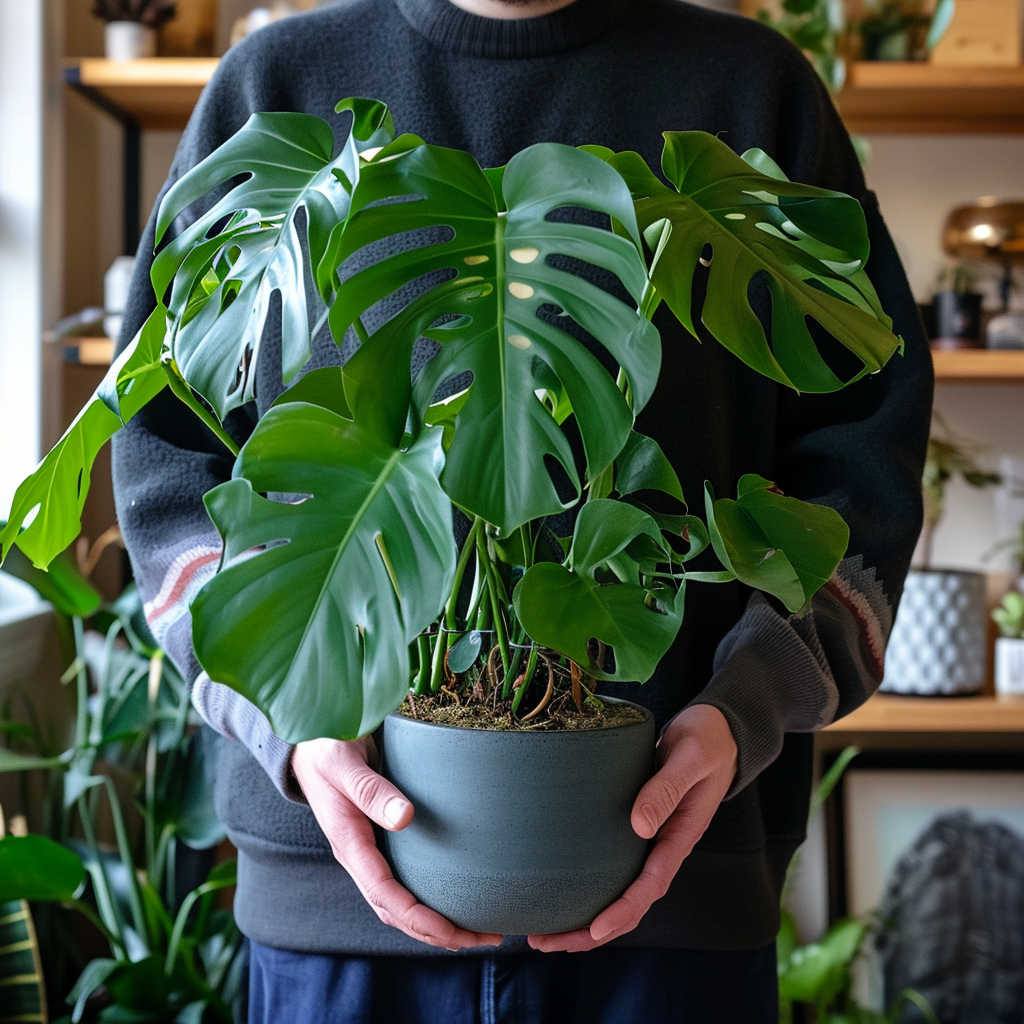
When you train your Monstera around a support, its beauty unfolds as it climbs towards the sky. The lush, split leaves become a living sculpture in your space. This guide will help you showcase your Monstera proudly and share your plant success with others. Let’s dive into creating a visual impact with your thriving Monstera.
Displaying Your Plant
The right display takes your Monstera from simply being a plant to becoming a statement piece in your home. Here are some tips:
- Choose the right spot: A corner with bright, indirect light highlights your Monstera’s beauty. Ensure the space is away from drafts and has room for growth.
- Select a stylish support: A moss pole or a wooden stake adds a natural touch. Pick one that complements your decor and supports the plant’s weight as it grows.
- Rotate for even growth: Turn your Monstera regularly to encourage even leaf development. This practice ensures all sides receive equal light and grow uniformly.
Here’s a simple table to help you track your Monstera’s growth and care routine:
| Task | Frequency | Notes |
|---|---|---|
| Watering | Once a week | Adjust based on soil moisture |
| Fertilizing | Monthly | Use balanced, water-soluble fertilizer |
| Cleaning Leaves | Bi-weekly | Gently wipe with damp cloth |
| Rotating Plant | With each watering | Ensure even light exposure |
Sharing Your Success
Once your Monstera thrives, it’s natural to want to share your success. Here’s how you can spread the joy:
- Show it off: Snap pictures of your Monstera at different stages. Share these photos with friends or on social media.
- Propagate cuttings: Trim healthy cuttings and root them in water. Gift them to friends so they can start their own Monstera journey.
- Join plant communities: Connect with other plant enthusiasts. Share tips, seek advice, and enjoy the camaraderie of fellow Monstera lovers.
Keep a growth journal with these details:
Add more rows as your Monstera grows
| Date | Plant Height | Leaf Size | Notes |
|---|---|---|---|
| Jan 1 | 24 inches | 5 inches | New leaf unfolding |
By tracking your progress and engaging with a community, you create a rewarding experience around your Monstera care. Embrace the journey and watch as your green thumb brings a piece of nature’s beauty into your life.
Frequently Asked Questions
What Is The Best Support For A Monstera?
The ideal support for a Monstera is a moss pole. Moss poles mimic the plant’s natural climbing environment, providing a textured surface that roots can latch onto. Additionally, they retain moisture, which benefits the aerial roots, encouraging healthy growth and support.
How Often Should You Train Monstera?
Training your Monstera should be a gradual process, adjusted as it grows. Typically, it’s best to check and adjust the support every 2 to 3 months. This frequency ensures that the Monstera’s growth is guided without causing stress or damage to the plant.
Can Monstera Grow Without Support?
Yes, Monstera can grow without support, but its natural climbing habit means it thrives with something to climb on. Without support, Monstera plants might spread out more and have a less upright, more sprawling appearance. Providing support encourages vertical growth and a healthier, more vibrant plant.
What Materials Are Safe For Monstera Supports?
Safe materials for Monstera supports include moss poles, wooden stakes, and trellises. These materials are durable, non-toxic, and provide a rough surface for the aerial roots to attach to. Avoid metal stakes or any treated wood that could leach harmful chemicals into the soil.
Conclusion
Training your Monstera with a support can be simple and rewarding. Start with a sturdy stake or moss pole. Gently tie the stems as they grow. Keep the soil moist and provide bright, indirect light. With patience and care, your Monstera will climb beautifully.
Enjoy the process and watch your plant thrive. Happy gardening!