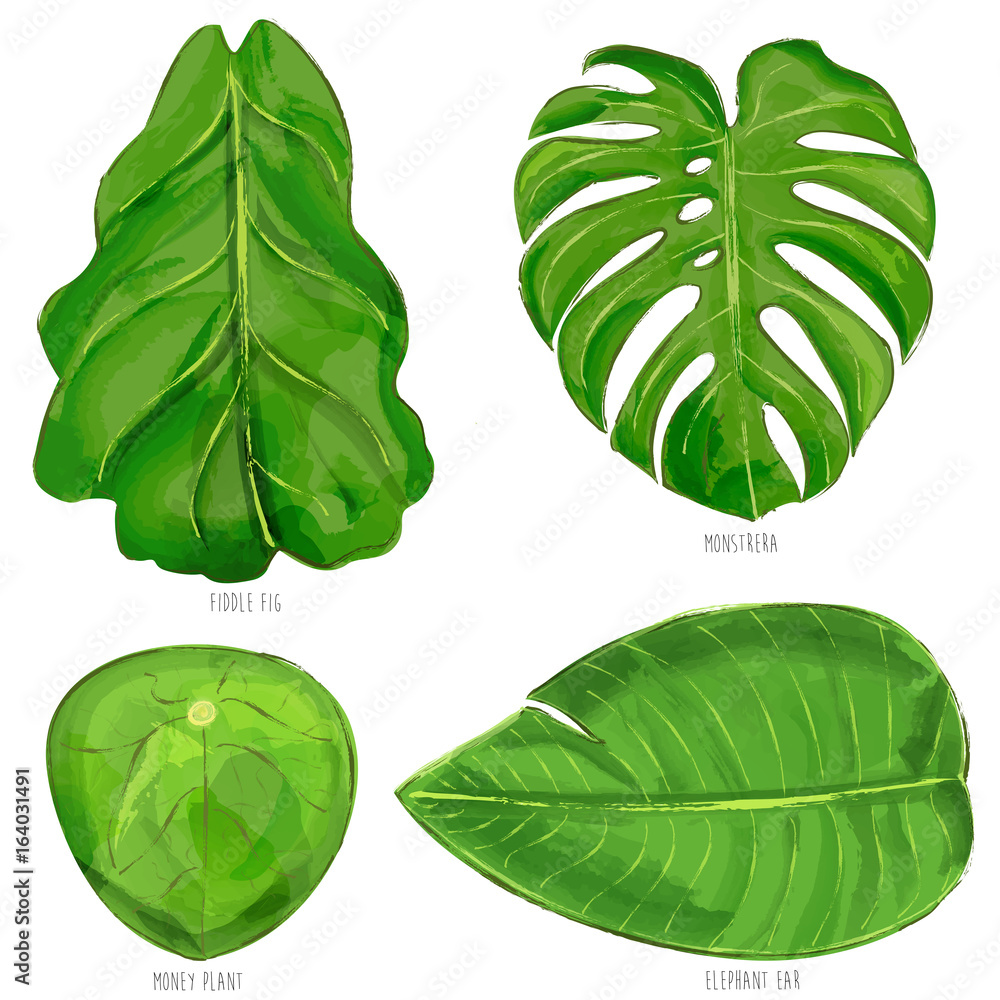
Monstera and Elephant Ear are popular houseplants. Each has unique features.
Comparing Monstera and Elephant Ear helps you decide which fits your home better. Monstera plants, known for their unique split leaves, create a tropical vibe. Elephant Ear plants, with their large, heart-shaped leaves, make a bold statement. Both plants thrive in similar conditions but have distinct care needs.
This comparison will guide you in choosing the right plant for your space. Understanding their differences ensures your plant thrives and enhances your home’s beauty. So, let’s dive into the specifics and see which plant suits your lifestyle and decor preferences.
Introduction To Monstera And Elephant Ear
Monstera and Elephant Ear plants both bring a tropical feel to your home. Monstera features distinctive split leaves, while Elephant Ear boasts large, heart-shaped foliage. Both plants make striking indoor or garden additions.
Monstera and Elephant Ear plants are popular among plant lovers. They bring a tropical feel to any space. Both plants have large, eye-catching leaves. But they have unique characteristics.Plant Origins
Monstera comes from Central and South America. It grows in the tropical rainforests. The plant is known for its split leaves. Elephant Ear, on the other hand, has roots in Southeast Asia. It thrives in warm, humid environments. Its leaves are large and heart-shaped.Popularity Among Plant Enthusiasts
Monstera is a favorite for its easy care. Its unique leaves make it a trendy choice. Many people use it in home decor. Elephant Ear plants are also beloved. They add a dramatic touch to gardens and homes. Their large leaves create a bold statement. Both plants offer beauty and a touch of the exotic. “`Physical Characteristics
Monstera and Elephant Ear are popular houseplants, each with unique traits. Their physical characteristics make them stand out in any home. This section will explore their differences in leaf shape, size, and growth patterns.
Leaf Shape And Size
Monstera leaves are heart-shaped with distinctive holes and splits. They can grow up to 18 inches wide. The holes give them a unique, tropical look. Elephant Ear leaves, on the other hand, are large and arrow-shaped. They can grow even larger, reaching up to 3 feet long. Their size and shape resemble an elephant’s ear, hence the name.
Growth Patterns
Monstera plants have a climbing growth pattern. They use aerial roots to attach to surfaces and climb upwards. This makes them ideal for trellises and indoor spaces. Elephant Ear plants grow from bulbs and have a more grounded, upright growth. They spread outwards, creating a bushy appearance. Both plants can thrive indoors but have different space needs.
Ideal Growing Conditions
Choosing between a Monstera and an Elephant Ear plant can be tricky. Each plant has unique needs and preferences. To help your plants thrive, consider their ideal growing conditions.
Light Requirements
Both Monstera and Elephant Ear plants need specific light conditions. Monstera plants thrive in bright, indirect light. Direct sunlight can scorch their leaves. On the other hand, Elephant Ear plants prefer partial shade. They can handle some direct sunlight, but too much can cause damage.
Soil And Water Needs
The right soil and water are crucial for healthy plants. For Monstera, use well-draining soil. Water the plant when the top inch of soil is dry. Avoid waterlogging, as it can cause root rot. Elephant Ear plants prefer rich, moist soil. Keep the soil consistently damp, but not soggy. They need more water, especially during the growing season.
| Plant | Light Requirements | Soil Needs | Water Needs |
|---|---|---|---|
| Monstera | Bright, indirect light | Well-draining soil | Water when top inch is dry |
| Elephant Ear | Partial shade | Rich, moist soil | Keep soil consistently damp |
Understanding these conditions will help your Monstera and Elephant Ear plants flourish. Pay attention to their specific needs and they will reward you with lush, healthy growth.
Care And Maintenance
Monstera and Elephant Ear plants are popular for their beautiful foliage. Proper care ensures they thrive. Understanding their needs helps keep them healthy and vibrant.
Pruning Tips
Regular pruning keeps plants healthy. For Monstera, remove yellow or damaged leaves. This encourages new growth. Use clean, sharp scissors to prevent infections.
Elephant Ear plants also benefit from pruning. Cut away dead or dying leaves. This allows the plant to focus energy on healthy parts. Always use clean tools for pruning.
Pest Control
Both plants can attract pests. Common pests include spider mites and aphids. Check leaves regularly for signs of infestation. Early detection helps control pests.
For Monstera, use neem oil or insecticidal soap. Spray affected areas thoroughly. Repeat treatment as needed. Ensure the plant is well-ventilated to prevent pests.
Elephant Ear plants can also be treated with neem oil. Inspect leaves for pests and treat promptly. Keep the plant area clean to reduce pest attraction.
Propagation Methods
Monstera can be propagated by stem cuttings placed in water or soil. Elephant Ear typically requires division of tubers or corms. Both methods are straightforward, making it easy for plant enthusiasts to expand their collection.
Propagation is key for growing new Monstera and Elephant Ear plants. Understanding the right techniques can lead to healthy and thriving plants. This section will guide you through two common propagation methods: Stem Cuttings and Division Techniques.Stem Cuttings
Monstera can be propagated through stem cuttings. Choose a healthy stem with at least one node. Cut just below the node using a clean, sharp knife. Place the cutting in water or soil. If using water, change it every few days. Roots will begin to form in a few weeks. Once roots are 2-3 inches long, transfer the cutting to soil.Division Techniques
Elephant Ear plants can be propagated by division. Start by removing the plant from its pot. Gently shake off the soil around the roots. Look for natural divisions in the root clump. Use a clean, sharp knife to separate these divisions. Each division should have roots and a few leaves. Replant each division in its own pot with fresh soil. Water well and place in a bright, indirect light. “`
Common Issues And Solutions
Monstera and Elephant Ear plants are popular choices for indoor and outdoor spaces. Both plants can face common issues that may affect their health and appearance. Knowing these issues and their solutions can help keep your plants thriving.
Yellowing Leaves
Yellowing leaves can indicate several problems in Monstera and Elephant Ear plants. Overwatering is a common cause. Ensure the soil is well-draining and reduce watering frequency. Underwatering can also lead to yellow leaves. Check the soil moisture regularly and water when it feels dry.
Nutrient deficiencies might cause yellow leaves. Use a balanced fertilizer to provide essential nutrients. Pests like spider mites or aphids can also cause yellowing. Inspect the leaves for tiny insects and treat them with insecticidal soap if needed.
Root Rot
Root rot is a serious issue for both Monstera and Elephant Ear plants. It usually results from overwatering or poor drainage. To prevent root rot, ensure the soil has good drainage. Use pots with drainage holes and avoid letting the plant sit in water.
If you suspect root rot, check the roots. Healthy roots are white and firm. Rotting roots are brown or black and mushy. Cut away the affected roots with sterilized scissors. Repot the plant in fresh, well-draining soil. Adjust your watering habits to prevent future issues.
Decorative Uses
Monstera and Elephant Ear plants are popular choices for home and garden decoration. Both offer unique shapes and sizes that can enhance any space. Let’s explore some creative ways to use these plants indoors and outdoors.
Indoor Display Ideas
Monstera plants thrive in bright, indirect light. Place them near a window for optimal growth. Their large, perforated leaves add a tropical touch to any room. Use a decorative pot to complement your interior design.
Elephant Ear plants also prefer bright, indirect light. Their large, heart-shaped leaves create a bold statement indoors. You can use them as a focal point in your living room or hallway. Pair them with smaller plants for a balanced display.
Outdoor Landscaping
Monstera plants can be grown outdoors in warm climates. They thrive in partial shade and well-drained soil. Use them to create a lush, tropical garden. Their climbing nature makes them perfect for trellises and fences.
Elephant Ear plants are ideal for outdoor landscaping. Their large leaves provide excellent ground cover. Plant them in shaded areas for the best results. They can also be used to create a natural privacy screen.
Environmental Impact
Monstera and Elephant Ear plants are popular choices for homes and gardens. Understanding their environmental impact can help you make a better choice. These plants not only enhance aesthetics but also contribute to the environment.
Air Purification
Monstera plants are excellent at purifying indoor air. They remove toxins like formaldehyde and benzene. This makes them great for improving indoor air quality.
Elephant Ear plants also contribute to air purification. They are effective in absorbing pollutants. This helps create a cleaner and healthier environment.
Biodiversity Support
Monstera plants provide shelter for small insects and birds. This supports local biodiversity. They create a mini-ecosystem in your garden.
Elephant Ear plants are also beneficial for biodiversity. Their large leaves offer shade for small creatures. This helps in maintaining a balanced ecosystem.

Frequently Asked Questions
What Are Monstera And Elephant Ear Plants?
Monstera and Elephant Ear are popular tropical plants. Monstera is known for its split leaves, while Elephant Ear has large, heart-shaped leaves.
How Do You Care For Monstera?
Monstera needs bright, indirect light and well-draining soil. Water when the top inch is dry. Maintain humidity and temperature.
Are Elephant Ear Plants Toxic To Pets?
Yes, Elephant Ear plants are toxic to pets. Ingestion can cause mouth irritation, drooling, and digestive issues. Keep them out of reach.
Can Monstera And Elephant Ear Grow Indoors?
Yes, both can grow indoors. They thrive in bright, indirect light and need proper care for healthy growth.
Conclusion
Choosing between Monstera and Elephant Ear depends on your style and care level. Monstera is easy to grow and needs less attention. Elephant Ear adds a bold, tropical look but needs more care. Both plants can brighten your space and add beauty.
Consider your lifestyle and home environment. Pick the one that fits best with your needs. Enjoy the greenery and the joy they bring. Happy planting!
Leave a Reply