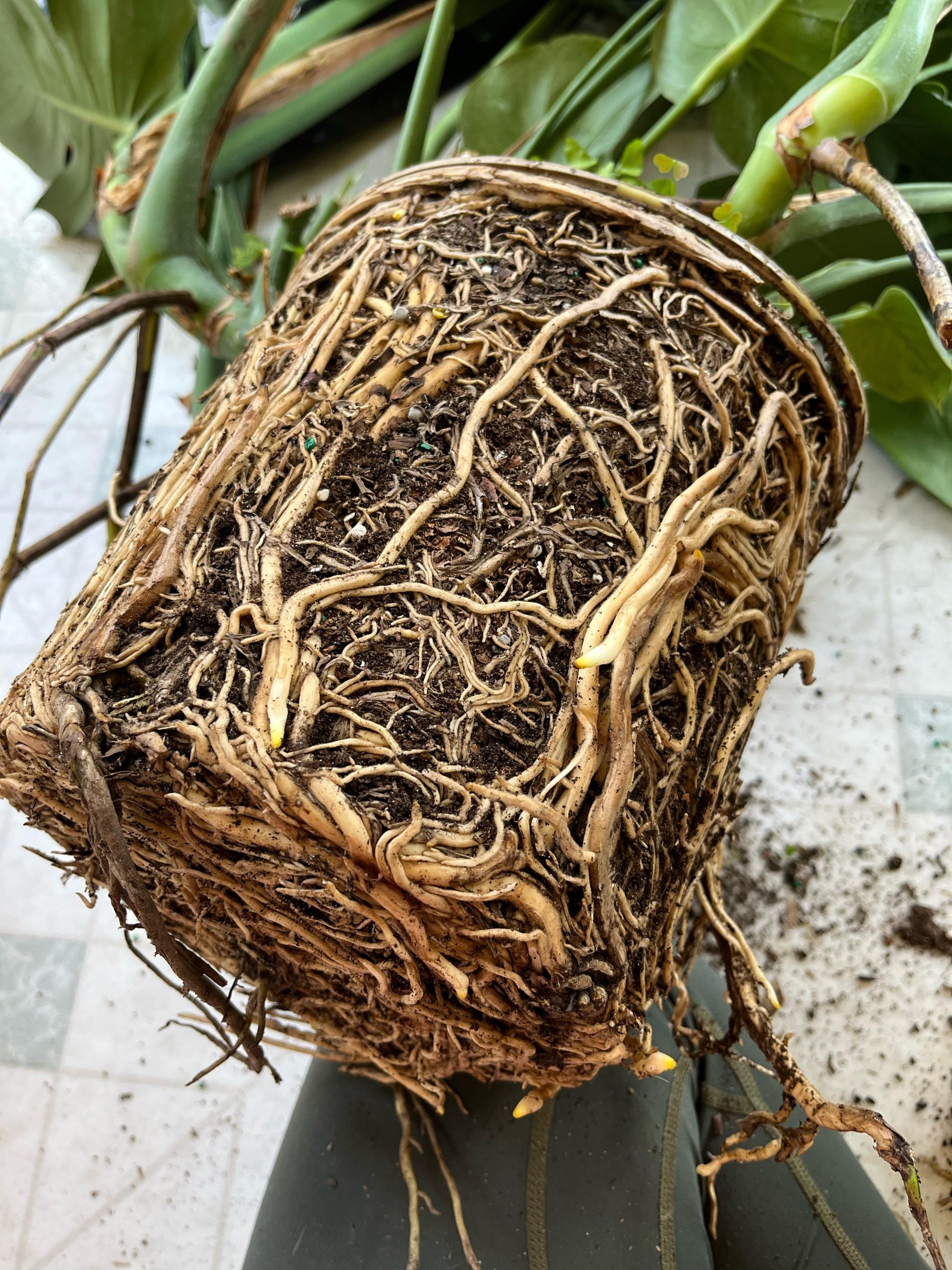
Yes, Monstera can be root bound. When this happens, the plant’s roots outgrow their pot.
This can lead to several issues, including poor growth and health problems for your Monstera. Monstera plants are popular for their striking, large leaves and tropical vibe. As they grow, their roots can fill the pot, leaving no room for further growth.
This condition, known as being root bound, can cause stress to the plant. It’s important to recognize the signs early to keep your Monstera healthy. We will explore what it means for a Monstera to be root bound, how to identify it, and what steps you can take to help your plant thrive. Understanding these aspects will ensure your Monstera stays vibrant and lush.
Introduction To Monstera Plants
Monstera plants are popular for their large, unique leaves. Their striking appearance makes them a favorite among houseplant enthusiasts. These tropical plants are easy to care for and can thrive indoors.
Popular Varieties
There are several popular Monstera varieties. Monstera deliciosa is the most well-known. It features large, split leaves. Monstera adansonii, known as the Swiss cheese plant, has smaller leaves with holes. Another variety, Monstera obliqua, is rarer and has more delicate foliage.
Growth Habits
Monstera plants grow fast. They can reach impressive sizes indoors. Their aerial roots help them climb and spread. Providing a support, like a moss pole, helps them grow upright. Regular pruning keeps them manageable.

Understanding Root Bound
Understanding root bound is important for Monstera care. When a plant outgrows its pot, it becomes root bound. This can affect the plant’s health and growth. In this section, we will explore what root bound means and how to identify it.
Definition Of Root Bound
Root bound happens when roots fill all the space in a pot. They form a tight, tangled mass. This makes it hard for the plant to get water and nutrients. A root-bound Monstera struggles to grow. It may look unhealthy and stressed.
Signs Of Root Bound
There are clear signs that your Monstera is root bound. First, the plant may show slow growth. Leaves can become yellow or brown. Second, you might see roots coming out of the pot’s drainage holes. This indicates the roots have no more room to grow. Finally, the soil may dry out quickly. This is because the roots take up most of the space, leaving little room for soil to hold water.
Causes Of Root Bound In Monstera
Monstera plants, known for their stunning leaves, can sometimes become root bound. This happens when the roots outgrow their container, forming a dense, tangled mass. Understanding the causes of root bound in Monstera is key to preventing it and ensuring healthy growth.
Container Size
The size of the container plays a crucial role in the health of your Monstera. If the pot is too small, the roots have limited space to grow. Over time, they will fill the pot and start to circle around. This leads to the roots becoming tightly packed.
Using a container that is too small restricts the plant’s growth. The roots need space to spread out and absorb nutrients. When they can’t, the plant may suffer from nutrient deficiencies.
Rapid Growth
Monstera plants are known for their rapid growth, especially in the right conditions. Warm temperatures, high humidity, and adequate light can cause the plant to grow quickly. When this happens, the roots can outgrow their container at a faster rate.
Rapid growth means the plant needs more space for its roots. If the container is not large enough, the roots will become crowded. This leads to a root bound plant, which can affect its overall health.
| Cause | Impact on Roots |
|---|---|
| Small Container | Roots have limited space, leading to crowding. |
| Rapid Growth | Roots outgrow the container quickly, becoming tangled. |
To keep your Monstera healthy, choose an appropriately sized container and monitor its growth. Repotting the plant as it grows can prevent root bound issues and promote better health.

Effects Of Being Root Bound
Being root bound can have several negative effects on a Monstera plant. Understanding these effects helps in taking better care of your plant. Below, we explore the key issues that arise when a Monstera becomes root bound.
Stunted Growth
One of the first signs of a root-bound Monstera is stunted growth. The plant’s roots have no space to expand. This limits the plant’s ability to grow. The leaves may become smaller. New growth will slow down or stop. This happens because the roots can’t spread out. They can’t absorb enough water and nutrients. The plant’s overall health declines.
Nutrient Deficiency
A root-bound Monstera often suffers from nutrient deficiency. The overcrowded roots compete for limited nutrients. This leads to yellowing leaves. The plant may appear weak. Without sufficient nutrients, the Monstera can’t thrive. It will struggle to produce new leaves and maintain its vibrant color.
| Effect | Symptom |
|---|---|
| Stunted Growth | Smaller leaves, slow growth |
| Nutrient Deficiency | Yellowing leaves, weak appearance |
Preventing Root Bound
A Monstera plant can become root bound if not given proper care. This means its roots are too tight in the pot, limiting growth. Preventing root bound is essential for the health of your Monstera. Here are some tips to keep your plant happy and healthy.
Choosing The Right Pot
Choosing the right pot is crucial for your Monstera’s growth. Always select a pot with drainage holes. This helps prevent water from pooling at the bottom. Proper drainage ensures the roots do not sit in water.
Also, choose a pot that is slightly larger than the current root ball. This allows room for growth. A pot that is too large can lead to overwatering, which can harm the plant.
Regular Repotting
Repotting your Monstera regularly helps prevent it from becoming root bound. Aim to repot every one to two years. This gives the roots more room to grow.
When repotting, gently loosen the roots. This encourages them to spread out in their new pot. If you notice any damaged roots, trim them off. Healthy roots are key to a thriving plant.
| Tip | Why It Matters |
|---|---|
| Choose a pot with drainage holes | Prevents water pooling |
| Use a slightly larger pot | Allows room for growth |
| Repot every 1-2 years | Prevents root bound |
| Loosen the roots | Encourages spreading |
| Trim damaged roots | Promotes healthy growth |
By following these steps, you can keep your Monstera plant healthy and prevent it from becoming root bound. A happy Monstera leads to a beautiful, thriving plant.
Diagnosing A Root Bound Monstera
Monstera plants thrive with space for their roots to spread out. But sometimes, they outgrow their pots. This can lead to the roots circling around the pot, making the plant root bound. Identifying a root bound Monstera is crucial for its health and growth.
Visual Inspection
Start by examining the overall look of your Monstera. Wilted leaves can indicate root problems. Yellowing or browning leaves are also a sign. Check if the plant looks top-heavy. This can happen when roots have no more space to grow.
Look at the soil surface. Roots peeking out from the top signal root binding. Examine the pot’s drainage holes. Roots growing out of these holes are a clear sign.
Checking The Roots
To inspect the roots, gently remove the plant from its pot. Hold the base of the plant and tip the pot upside down. Tap the bottom to loosen the soil.
Once the plant is out, examine the root ball. Healthy roots are white and firm. Root bound plants have dense, circling roots. These roots often wrap around the root ball tightly.
If the roots form a thick mat, your Monstera is root bound. The soil may also fall away, showing a dense root network.
Solutions For Root Bound Monstera
Is your Monstera plant looking a bit stressed? It might be root bound. A root bound Monstera can suffer from limited growth, yellow leaves, and poor health. Addressing this issue can help your plant thrive again. Here are some effective solutions.
Repotting Techniques
Repotting is a great solution for a root bound Monstera. Follow these steps:
- Choose a pot that is 2 inches larger in diameter than the current one.
- Gently remove the Monstera from its old pot. Be careful not to damage the roots.
- Loosen the root ball by gently shaking off excess soil.
- Place the plant in the new pot. Fill in the gaps with fresh potting soil.
- Water the plant thoroughly. Ensure the soil is evenly moist.
Remember to use well-draining soil. Monstera plants prefer a mix that retains some moisture but does not stay soggy.
Root Pruning
In some cases, root pruning can be beneficial. This method involves trimming back the roots to encourage healthier growth. Follow these steps:
- Remove the Monstera from its pot.
- Inspect the roots and identify any that are circling or congested.
- Using clean, sharp scissors or pruning shears, trim away 1/3 of the longest roots.
- Cut back any dead or unhealthy roots.
- Repot the Monstera in fresh soil. Ensure the roots have enough space to spread out.
Root pruning can reduce stress on the plant and promote new growth. It is best to prune roots during the growing season for optimal recovery.
Both repotting and root pruning are effective methods to address a root bound Monstera. Regular maintenance can keep your plant healthy and vibrant. Happy gardening!
Aftercare For Repotted Monstera
Monstera plants can become root bound. After repotting, water moderately and keep in indirect sunlight. Regularly check roots to prevent crowding.
Repotting your Monstera can be stressful for the plant. Proper aftercare ensures a smooth transition and healthy growth. Follow these easy tips to care for your repotted Monstera.Watering Tips
After repotting, water the Monstera thoroughly. This helps settle the soil. Ensure the pot has drainage holes. Overwatering can cause root rot. Check the soil moisture regularly. Water only when the top inch feels dry. Avoid letting the plant sit in water.Fertilizing Advice
Wait a few weeks before fertilizing a repotted Monstera. The plant needs time to adjust. Use a balanced, water-soluble fertilizer. Follow the instructions on the label. Fertilize once a month during the growing season. Reduce feeding in winter. This ensures steady and healthy growth. “`Expert Tips For Healthy Monstera
Monstera plants, with their iconic split leaves, are a favorite among indoor gardeners. To keep your Monstera thriving, it is essential to understand its needs. Here are some expert tips to ensure your Monstera remains healthy and vibrant.
Proper Light Conditions
Monsteras love bright, indirect light. Place your plant near a window where it can receive filtered sunlight. Direct sunlight can scorch the leaves, causing brown patches. If the light is too low, the plant may become leggy and lose its characteristic leaf splits.
| Light Condition | Effect on Monstera |
|---|---|
| Bright, Indirect Light | Optimal Growth |
| Direct Sunlight | Leaf Scorching |
| Low Light | Leggy Growth |
Optimal Humidity Levels
Monsteras thrive in environments with high humidity. Aim for a humidity level between 60% and 80%. If your home is dry, consider using a humidifier or placing a tray of water near the plant. You can also mist the leaves regularly to increase humidity.
- Use a humidifier for consistent moisture.
- Place a water tray near the plant.
- Mist leaves to boost humidity.
By providing the right light and humidity, your Monstera will stay healthy and happy. These simple tips can make a big difference in your plant’s overall well-being.
Common Mistakes To Avoid
Caring for a Monstera can be tricky. Many plant lovers make mistakes that can hurt their plant. Let’s look at some common errors you should avoid.
Overwatering
One of the biggest mistakes is overwatering. Monsteras need their soil to dry out between waterings. Overwatering can lead to root rot, which can be fatal. Always check the soil moisture level before watering. Stick your finger into the soil up to the first knuckle. If it feels dry, it’s time to water.
Here’s a quick guide to avoid overwatering:
- Water only when the top inch of soil is dry.
- Ensure your pot has drainage holes.
- Use well-draining soil.
Inadequate Pot Size
Another common mistake is using an inadequate pot size. Monsteras grow quickly and need room for their roots. A pot that is too small can cause the plant to be root bound. Signs of being root bound include roots growing out of the pot’s drainage holes and stunted growth.
To avoid this mistake, follow these tips:
- Repot your Monstera every 1-2 years.
- Choose a pot 2-3 inches larger in diameter than the current one.
- Check for roots growing out of the pot’s drainage holes.
Using the right pot size is crucial for your Monstera’s health. A larger pot allows roots to spread and absorb nutrients efficiently.
Frequently Asked Questions
What Does Root Bound Mean?
Root bound means a plant’s roots have outgrown their pot, circling and becoming tangled.
How Do I Know If My Monstera Is Root Bound?
Check for roots emerging from the pot’s drainage holes and slower growth.
Can A Root Bound Monstera Be Saved?
Yes, repotting into a larger container can help save a root bound Monstera.
How Often Should I Repot My Monstera?
Monstera should be repotted every 1-2 years to prevent becoming root bound.
Conclusion
Monstera can become root bound, affecting its health. Check the roots regularly. Repotting helps the plant thrive. Choose a pot that allows growth. Use fresh soil for nutrients. Healthy roots mean a happy Monstera. Keep an eye on the plant’s growth.
Address root issues quickly. Your Monstera will thank you.
Leave a Reply