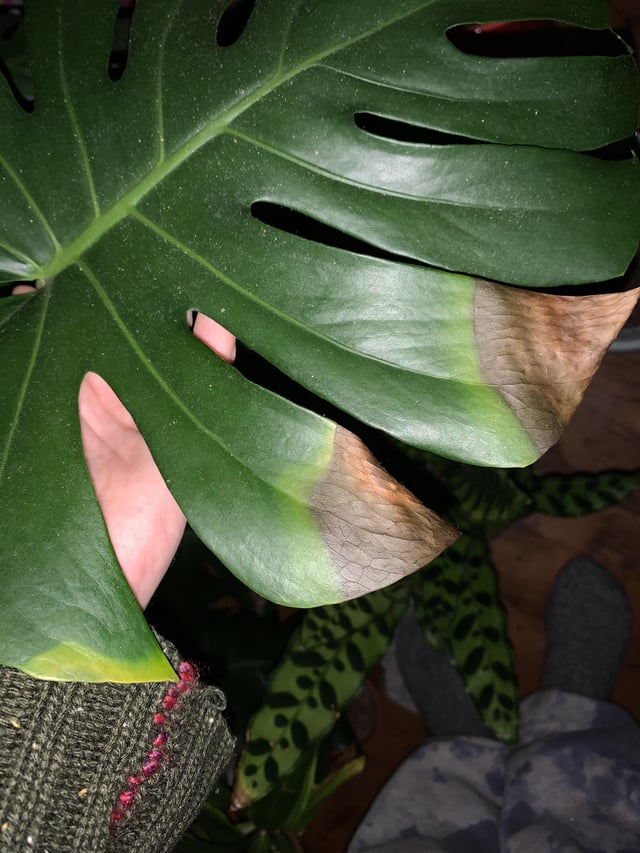
Your Monstera plant isn’t looking its best. Is it drooping, yellowing, or showing other signs of distress?
Don’t worry, you’re not alone. Many plant enthusiasts face similar issues with their Monsteras. This blog will help you understand what’s wrong with your Monstera and how to fix it. Monsteras, also known as Swiss Cheese Plants, are popular for their unique leaves and easy-going nature.
But even the most resilient plants need proper care. Understanding the signs of trouble can be the difference between a thriving Monstera and a struggling one. From overwatering to pests, several factors can affect your plant’s health. Let’s dive into the common issues and learn how to get your Monstera back on track.

Common Monstera Problems
Monstera plants are a favorite among houseplant enthusiasts. Their unique leaves and easy care make them popular. But even the best plants can face problems. Here are some common Monstera problems and how to address them.
Yellowing Leaves
Yellow leaves on a Monstera can indicate several issues. Overwatering is a frequent cause. Ensure the soil dries out between waterings. Too much water can lead to root rot. Yellow leaves can also signal nutrient deficiency. Feeding your plant a balanced fertilizer can help. Lastly, check if your Monstera is getting enough light. Low light can cause leaves to yellow. Move it to a brighter spot if needed.
Brown Leaf Edges
Brown leaf edges are another common issue. This often points to low humidity. Monsteras thrive in humid environments. Increase humidity by misting the leaves regularly. You can also use a humidifier. Another cause can be inconsistent watering. Ensure you water your Monstera evenly. Avoid letting the soil dry out completely. Lastly, check for signs of pests. They can damage the leaves and cause browning. Inspect your plant regularly and treat any infestations promptly.
Watering Issues
Struggling with your Monstera plant? Watering issues might be the cause. Proper watering is crucial for a healthy Monstera. Too much or too little water can harm it. Let’s explore the signs of overwatering and underwatering.
Overwatering Signs
Overwatering can drown your Monstera. Here are some signs to watch for:
- Yellowing leaves – The plant’s leaves turn yellow and wilt.
- Root rot – Roots appear brown and mushy.
- Fungus gnats – Small flies hover around the soil.
- Moldy soil – White or grey mold grows on the soil surface.
Overwatered Monsteras struggle to absorb nutrients. Let the soil dry out between waterings.
Underwatering Signs
Underwatering deprives your Monstera of essential moisture. Look for these signs:
- Crispy leaves – Leaf edges turn brown and dry.
- Leaf drop – Leaves fall off more frequently.
- Stunted growth – The plant stops producing new leaves.
Underwatered Monsteras need consistent moisture. Water the plant thoroughly and check the soil regularly.
Light Requirements
Monstera plants, known for their unique leaves, need the right light. Light affects their growth and health. Too much or too little light can cause problems. Let’s explore the light needs of Monstera plants.
Too Much Light
Too much light can harm your Monstera. Direct sunlight can scorch its leaves. This causes brown spots and edges. Place your Monstera in a spot with indirect light.
Use sheer curtains to filter sunlight. Avoid placing the plant near south-facing windows. Excessive light can also make the leaves turn yellow. Monitor the plant regularly to ensure it gets the right amount of light.
Insufficient Light
Insufficient light is another common issue. Monstera plants in low light grow slowly. Their leaves may become smaller. They may also lose their characteristic splits and holes.
Place your Monstera near a bright window with indirect light. If natural light is limited, use grow lights. Ensure the plant gets at least 6-8 hours of light daily. Check the plant’s growth and adjust the light if needed.
| Light Condition | Effect on Monstera | Solution |
|---|---|---|
| Too Much Light | Brown spots, yellow leaves | Use sheer curtains, indirect light |
| Insufficient Light | Slow growth, small leaves | Bright window, grow lights |
Soil And Nutrients
Your Monstera’s health depends greatly on its soil and nutrients. Poor soil and lack of nutrients can result in yellow leaves, slow growth, and other issues. Let’s explore how to choose the right soil and provide proper fertilization for your Monstera.
Choosing The Right Soil
Monstera plants thrive in well-draining soil. The right soil mix should contain peat moss, pine bark, and perlite or vermiculite. Avoid heavy, compact soil which can retain too much moisture and lead to root rot.
- Peat moss: Helps retain moisture without becoming waterlogged.
- Pine bark: Improves drainage and adds organic matter.
- Perlite or vermiculite: Enhances aeration and drainage.
You can use a ready-made potting mix labeled for aroids or make your own mix. Ensure that the soil remains slightly moist but not soggy. This balance prevents root rot and encourages healthy growth.
Fertilizing Tips
Fertilizing your Monstera is key to maintaining its health. Use a balanced, water-soluble fertilizer every month during the growing season (spring and summer). A 20-20-20 fertilizer works well.
- Choose a balanced fertilizer: Look for a 20-20-20 mix.
- Follow the instructions: Dilute the fertilizer as directed.
- Apply monthly: Fertilize once a month in the growing season.
During fall and winter, reduce fertilization to every two months. Over-fertilizing can harm your plant, leading to nutrient burn. Always ensure the soil is moist before applying fertilizer to avoid root damage.
By choosing the right soil and following proper fertilizing tips, you can ensure your Monstera remains healthy and vibrant.
Temperature And Humidity
Temperature and humidity play a crucial role in the health of your Monstera plant. If your Monstera isn’t thriving, it might be due to these factors. Understanding the right temperature and humidity levels can help you create the perfect environment for your beloved plant.
Ideal Temperature Range
The Monstera plant prefers a warm environment. The ideal temperature range is between 65°F to 85°F (18°C to 29°C). Consistent temperatures in this range encourage healthy growth. On the other hand, temperatures below 60°F (15°C) can slow down growth and cause stress. Avoid placing your Monstera in areas with drafts or sudden temperature changes. This includes near windows, doors, or air conditioning vents.
Managing Humidity Levels
Monstera plants thrive in high humidity environments. Ideally, the humidity level should be around 60% to 70%. If your home is dry, consider these options:
- Use a humidifier to maintain optimal humidity levels.
- Place a tray of water near the plant to increase moisture.
- Mist the leaves regularly to simulate a humid environment.
It’s also essential to monitor the humidity levels. Too much humidity can lead to mold and mildew. On the other hand, low humidity can cause the leaves to dry out and develop brown edges.
| Temperature Range | Impact on Monstera |
|---|---|
| 65°F to 85°F | Optimal growth |
| Below 60°F | Slows growth and causes stress |
Maintaining the right temperature and humidity is key to a healthy Monstera. By providing these conditions, your plant will flourish and bring beauty to your space.

Pest Infestations
Monstera plants are popular for their unique leaves and low maintenance needs. But they can face problems, one of which is pest infestations. Pests can damage your Monstera, making it look unhealthy. It’s important to identify and control these pests to keep your plant thriving.
Common Pests
Several pests can infest your Monstera. Here are the most common ones:
- Spider Mites: Tiny, red or brown, and create webbing on leaves.
- Mealybugs: White, cotton-like insects found on stems and leaves.
- Scale Insects: Small, brown or black, and attach to stems and leaves.
- Aphids: Green, black, or white, and cluster on new growth.
- Thrips: Small, black or yellow, and leave silver streaks on leaves.
Natural Pest Control
Using natural pest control methods is safe for your Monstera and the environment. Here are some effective options:
- Neem Oil: Mix neem oil with water and spray on infested areas.
- Insecticidal Soap: Use insecticidal soap to wash leaves and remove pests.
- Alcohol Wipes: Wipe leaves with alcohol-soaked cotton balls to kill pests.
- Beneficial Insects: Introduce ladybugs or predatory mites to eat harmful pests.
- Water Spray: Use a strong water spray to dislodge and wash away pests.
Keep your Monstera healthy by regularly checking for pests. Use natural methods for a safe and effective solution. Happy growing!
Pruning And Maintenance
Keeping your Monstera healthy involves regular pruning and maintenance. Pruning helps control the plant’s size and promotes new growth. Maintenance ensures your Monstera remains vibrant and free from diseases.
When To Prune
Prune your Monstera during the growing season. This is usually in spring and summer. Avoid pruning in winter. The plant is dormant then, and it might not recover well.
Look for signs that your Monstera needs pruning. Overgrown stems, yellow leaves, and crowded foliage are indicators. If the plant looks unbalanced, it’s time to prune.
How To Prune
Use clean, sharp scissors or pruning shears. Sterilize them to avoid spreading diseases. Cut just above a leaf node to encourage new growth.
Remove any yellow or damaged leaves first. Trim overgrown stems to maintain the shape of the plant. Be careful not to cut too much. Leaving a few leaves on each stem is important for photosynthesis.
| Task | Steps |
|---|---|
| Prepare Tools | Clean and sterilize scissors or shears |
| Identify Areas | Look for overgrown, yellow, or damaged parts |
| Make Cuts | Cut above leaf nodes and remove problematic parts |
| Dispose | Discard pruned leaves and stems properly |
After pruning, monitor your Monstera. Ensure it gets enough light and water. This helps the plant recover and thrive.
Regular pruning and maintenance keep your Monstera healthy and beautiful. Follow these simple steps to enjoy a lush and vibrant plant.
Repotting Monstera
Repotting your Monstera can seem daunting but is essential for its health. Over time, the plant outgrows its current pot and needs more space. This guide will help you understand when and how to repot your Monstera.
Signs It’s Time To Repot
Knowing when to repot your Monstera is crucial. Here are some signs:
- Roots are visible through the drainage holes.
- Growth has slowed down significantly.
- The plant looks top-heavy or unstable.
- Soil dries out quickly after watering.
Steps For Repotting
Follow these steps to repot your Monstera:
- Prepare the new pot: Ensure it is 2 inches larger in diameter than the current one. Make sure it has drainage holes.
- Remove the Monstera: Gently tilt the pot and slide the plant out. Be careful not to damage the roots.
- Check the roots: Trim any dead or rotting roots with sterilized scissors.
- Add fresh soil: Place a layer of fresh potting mix at the bottom of the new pot.
- Place the plant: Position the Monstera in the center of the new pot.
- Fill with soil: Add more potting mix around the roots, filling the pot until the plant is secure. Press the soil down gently.
- Water the plant: Water thoroughly to settle the soil. Let it drain completely.
Repotting your Monstera helps it thrive. Regularly check for signs that it needs more space. Follow the steps for a smooth repotting process.

Frequently Asked Questions
Why Are My Monstera Leaves Turning Yellow?
Yellow leaves on a Monstera usually indicate overwatering or poor drainage. Ensure the soil is well-draining and reduce watering frequency. Sometimes, it can also be due to lack of nutrients or improper light conditions. Adjusting these factors can help your plant thrive.
How Can I Fix Brown Spots On Monstera Leaves?
Brown spots are often caused by low humidity or overwatering. Increase humidity around the plant and ensure proper watering practices. Use a humidifier or place a water tray nearby. Ensure the plant gets indirect light to avoid further stress.
Why Are My Monstera Leaves Drooping?
Drooping leaves can be a sign of underwatering, overwatering, or insufficient light. Check soil moisture and adjust watering accordingly. Ensure the plant receives bright, indirect light. Proper care will help the leaves regain their firmness.
What Causes Holes In Monstera Leaves?
Holes in Monstera leaves, known as fenestrations, are natural and help the plant adapt to its environment. However, if new leaves lack holes, it may indicate insufficient light. Ensure the plant receives bright, indirect light for healthy growth.
Conclusion
Caring for your Monstera isn’t hard with some simple steps. Ensure proper lighting and watering. Check for pests and diseases. Trim yellow or damaged leaves. Use well-draining soil for healthy roots. Adjust humidity levels if needed. Remember, patience is key.
Your Monstera can thrive with your care and attention. Keep observing its needs and enjoy the lush greenery. Happy gardening!
Leave a Reply