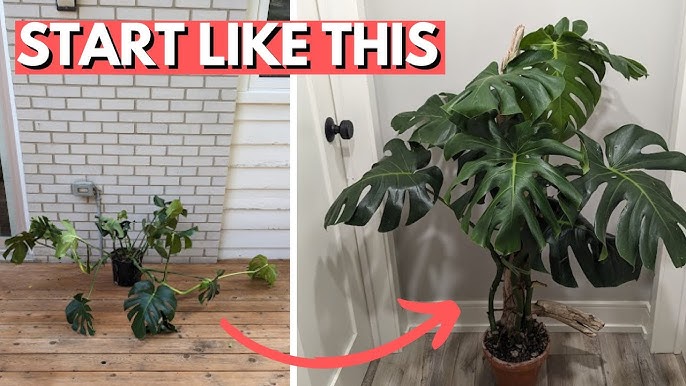
Monstera plants are popular houseplants known for their unique, holey leaves. They add a touch of the jungle to any home.
Looking to find the best Monstera plant for your space? Monstera plants, with their lush green leaves and distinctive patterns, have become a favorite among plant enthusiasts. These beauties not only enhance your home’s aesthetic but also improve air quality.
Whether you are a beginner or an experienced plant parent, choosing the right Monstera can make a big difference. In this guide, we’ll explore the top Monstera plants, highlighting their features and care needs. Let’s dive into the world of Monstera and discover which one suits you best!
Introduction To Monstera Plants
Monstera plants are beloved for their striking leaves and easy care. These tropical beauties add a lush, exotic feel to any home. Their unique, perforated leaves make them a standout choice for both novice and experienced plant lovers.
Why Choose Monstera?
Monstera plants are not just visually appealing. They are also easy to maintain. They thrive in low to bright indirect light, making them versatile for different indoor spaces.
These plants are known for their air-purifying qualities. They help improve indoor air quality by removing toxins. Monstera plants can also grow quite large, making them a great statement piece in any room.
Popular Monstera Varieties
| Variety | Description |
|---|---|
| Monstera Deliciosa | Known as the Swiss Cheese Plant. Large, perforated leaves. |
| Monstera Adansonii | Smaller leaves with more holes. Often called the Five Holes Plant. |
| Monstera Borsigiana | A smaller version of Monstera Deliciosa. Faster growing and more compact. |
| Monstera Obliqua | Rare variety with thin, delicate leaves. More holes than leaf. |
Each variety offers unique features, making it easy to find the perfect plant for your home.
Ideal Growing Conditions
Creating the perfect environment for your Monstera plant is essential. Optimal conditions ensure your plant thrives and grows beautifully. Let’s dive into the key factors to consider for your Monstera’s ideal growing conditions.
Light Requirements
Monstera plants love bright, indirect light. Direct sunlight can scorch their leaves. Place your Monstera near a window with filtered light. They can tolerate low light but won’t grow as well.
Temperature And Humidity
Monstera plants prefer warm temperatures. Aim for a range between 65°F and 85°F. They don’t like cold drafts or sudden temperature changes.
High humidity levels are ideal. Monstera plants thrive in 60-80% humidity. Use a humidifier or mist the leaves regularly. This keeps the plant’s environment moist and comfortable.
Soil And Potting Needs
Monstera plants thrive when provided with the right soil and potting conditions. Ensuring your plant has the best foundation promotes healthy growth and vibrant leaves. Let’s explore the essential aspects of soil and potting needs for your Monstera plant.
Best Soil Types
Monstera plants prefer well-draining soil. A mix of peat moss, pine bark, and perlite works best. This combination retains moisture while allowing excess water to drain. Avoid heavy, clay-based soils. These can retain too much water, leading to root rot. You can find pre-mixed soils designed for Monstera plants at most garden centers. These are a convenient option if you’re new to plant care.
Choosing The Right Pot
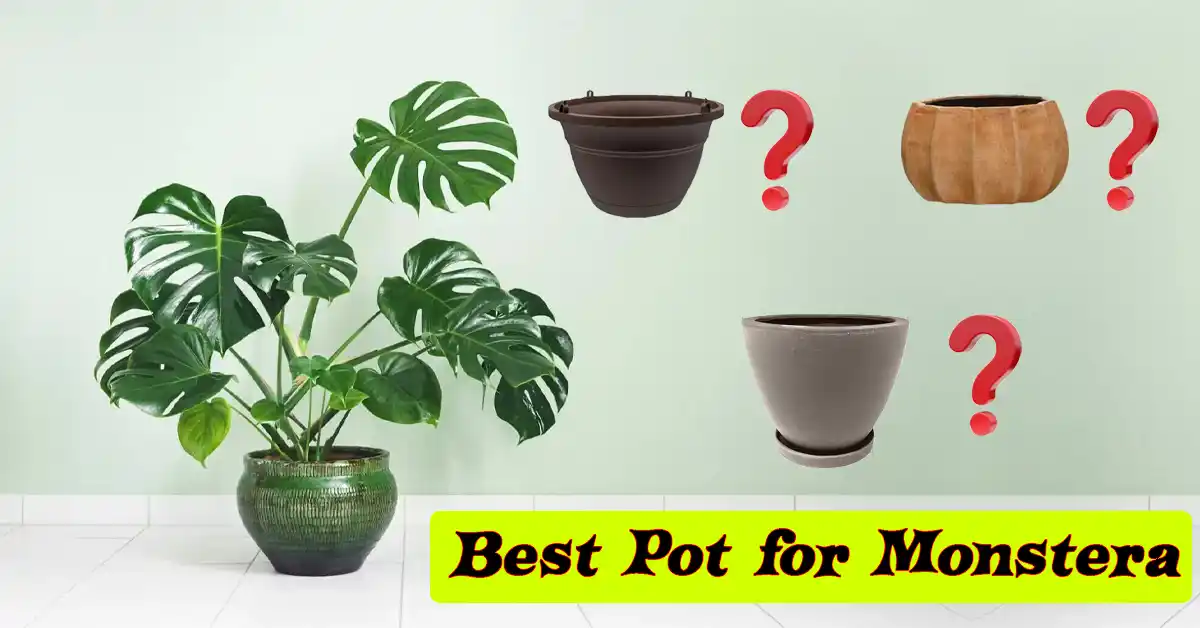
Select a pot with drainage holes. Proper drainage prevents water from pooling at the bottom. Waterlogged soil can harm your Monstera. The pot size matters too. Choose a pot slightly larger than the root ball. This gives roots space to grow without overwhelming them. Terracotta pots are a good choice. They allow air to circulate, promoting healthy root growth. Plastic pots are lighter but ensure they have drainage holes.
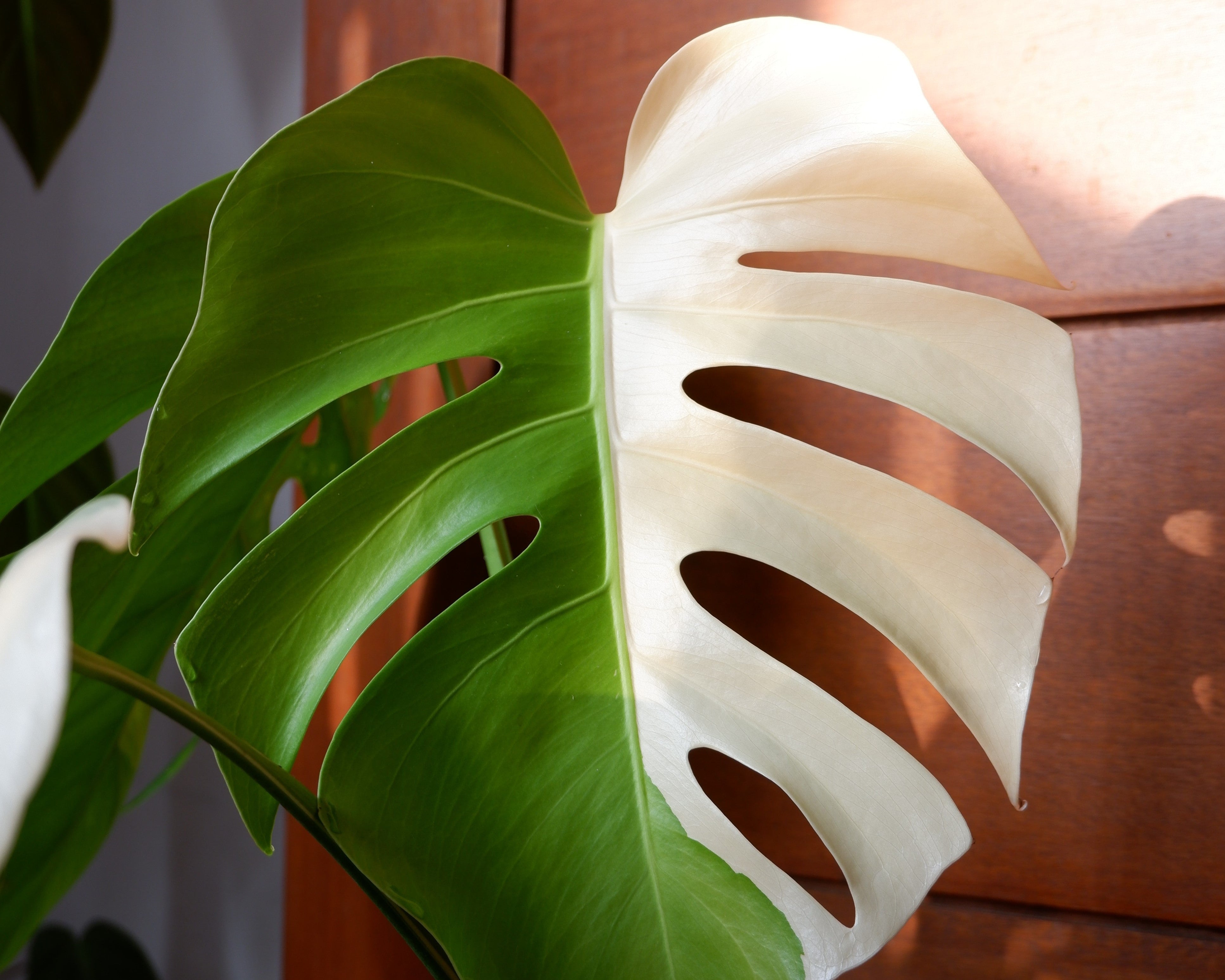
Watering Techniques
Watering your Monstera plant correctly is essential for its health. Understanding how often to water and recognizing signs of overwatering can make a big difference. Here, we discuss the best techniques to keep your Monstera thriving.
How Often To Water
Monstera plants prefer a moderate watering routine. Water them when the top 2-3 inches of soil feel dry. This usually means watering every 1-2 weeks. Factors like light, temperature, and humidity affect watering frequency.
- Water less in winter when growth slows.
- Check soil moisture regularly.
- Use a well-draining potting mix.
Signs Of Overwatering
Overwatering can harm your Monstera. Watch for these signs:
| Signs | What to Look For |
|---|---|
| Yellow Leaves | Leaves turning yellow and falling off. |
| Root Rot | Roots are black and mushy. |
| Moldy Soil | Fungi growing on the soil surface. |
| Wilting | Plants appear wilted despite moist soil. |
If you notice these signs, reduce watering immediately. Allow the soil to dry out before watering again. Proper drainage is key to preventing overwatering.
Fertilizing Monstera
Fertilizing your Monstera plant is essential for its healthy growth. Proper fertilization provides the necessary nutrients to the plant. This ensures lush, vibrant leaves and strong stems. Below, we explore the best fertilizers and the ideal fertilizing schedule for your Monstera.
Best Fertilizers
Choosing the right fertilizer is crucial. Here are some of the best options for your Monstera:
- Balanced Liquid Fertilizer: A balanced 20-20-20 liquid fertilizer is ideal. It provides equal parts of nitrogen, phosphorus, and potassium.
- Slow-Release Granules: These are convenient and provide a steady nutrient supply.
- Organic Fertilizer: Fish emulsion or worm castings are excellent organic options. They enrich the soil naturally.
Ensure to dilute liquid fertilizers to half strength before use. This prevents potential nutrient burn.
Fertilizing Schedule
Following a consistent fertilizing schedule is vital. Here’s a recommended timeline:
| Season | Frequency |
|---|---|
| Spring | Every 4 weeks |
| Summer | Every 4 weeks |
| Fall | Every 8 weeks |
| Winter | No fertilization |
In spring and summer, fertilize your Monstera every four weeks. Reduce the frequency in fall to every eight weeks. No fertilization is needed in winter as the plant is dormant.
Monitor your Monstera’s health closely. Adjust the schedule if necessary. Over-fertilizing can harm the plant. Signs include yellow leaves or stunted growth.
By using the right fertilizers and following a consistent schedule, your Monstera will thrive. Enjoy its lush and beautiful foliage year-round.
Pruning And Maintenance
Maintaining a healthy Monstera plant requires regular pruning and care. By trimming it, you can ensure its growth and beauty. Proper pruning also helps in controlling its size and shape. Let’s explore the best practices for pruning and maintaining your Monstera plant.
When To Prune
Pruning is essential for a thriving Monstera plant. The best time to prune is during the spring. This is when the plant is actively growing. Avoid pruning during the winter when the growth slows down.
Look for signs like yellowing leaves. Also, prune if you see damaged or dead leaves. This helps the plant direct energy to healthy parts. Regular pruning also keeps the plant tidy and encourages new growth.
Tools For Pruning
Using the right tools ensures clean cuts and prevents damage. Here’s a list of essential tools for pruning your Monstera plant:
- Pruning shears: Use sharp pruning shears for precise cuts.
- Garden gloves: Protect your hands while pruning.
- Disinfectant: Clean the tools before and after use to avoid infections.
Keep the tools clean and sharp. This ensures the health of your Monstera plant.
| Tool | Purpose |
|---|---|
| Pruning Shears | Make clean and precise cuts |
| Garden Gloves | Protect hands from cuts and sap |
| Disinfectant | Prevent infections and diseases |
Common Pests And Diseases
Monstera plants are known for their beautiful leaves and easy care. But, like all plants, they are prone to pests and diseases. Understanding the common pests and diseases that affect Monstera plants is essential for maintaining their health. Below, we discuss how to identify these pests and the available treatment options.
Identifying Pests
There are several pests that can affect Monstera plants. The most common ones include:
- Spider Mites: Tiny, often red or white. Look for webbing on the undersides of leaves.
- Scale Insects: Small, brown or white bumps on stems and leaves. They often cause yellowing.
- Mealybugs: White, cotton-like clusters. Found on leaf joints and undersides.
- Aphids: Small, green or black insects. They cluster on new growth and stems.
Early detection is key. Regularly inspect your Monstera for signs of pests.
Treatment Options
Once you have identified the pests, several treatment options are available:
- Manual Removal: Use a damp cloth to wipe away insects like spider mites and mealybugs.
- Insecticidal Soap: A natural way to kill pests. Spray on affected areas.
- Neem Oil: A natural pesticide. Mix with water and apply to the plant.
- Alcohol Solution: Dab scale insects with a cotton swab dipped in alcohol.
For severe infestations, consider using a chemical pesticide. Always follow the instructions on the label.
Propagation Methods
The Monstera plant is a popular choice for indoor gardening enthusiasts. Its large, perforated leaves make it a striking addition to any home. Propagating Monstera plants can seem daunting, but it’s quite simple with the right methods. Below, we explore two effective propagation techniques: Stem Cuttings and Air Layering.
Stem Cuttings
Propagating Monstera through stem cuttings is a straightforward method. Follow these steps to propagate your Monstera using stem cuttings:
- Choose a healthy Monstera plant.
- Cut a section of the stem with at least one node.
- Remove any leaves near the cut end.
- Place the cutting in water or soil.
- Ensure the node is submerged in water or covered in soil.
- Wait for roots to develop, typically within 3-4 weeks.
Once the roots are established, you can transfer the cutting to a pot with soil.
Air Layering
Air layering is another effective method for propagating Monstera plants. It involves encouraging roots to grow on a section of the plant while it is still attached to the mother plant. Here’s how:
- Choose a healthy section of the Monstera stem.
- Make a small cut or nick in the stem.
- Wrap damp sphagnum moss around the cut area.
- Secure the moss with plastic wrap or a plastic bag.
- Keep the moss moist until roots develop, usually within 4-6 weeks.
Once roots are visible through the moss, you can cut the stem below the new root growth. Then, plant the new Monstera in soil.
Both methods are effective and allow you to expand your Monstera collection easily.
Decorating With Monstera
Decorating with a Monstera plant can transform any space into a green oasis. Its large, unique leaves add a tropical feel to any room. Whether in the living room, bedroom, or office, Monsteras bring a touch of nature indoors. They are not only beautiful but also easy to care for, making them a favorite among plant lovers.
Indoor Placement Ideas
Choosing the right spot for your Monstera is key. Place it in a bright, indirect light. Near a window, but not in direct sunlight. Direct sunlight can scorch the leaves. A corner in the living room is ideal. It can fill empty spaces and add height to your decor. In the bedroom, place it near a window for a fresh and calming atmosphere. The office desk can also benefit from a small Monstera. It can make the workspace more inviting and lively.
Combining With Other Plants
Monsteras pair well with many other plants. Combine them with smaller plants for a layered look. Ferns, pothos, and snake plants are great companions. They create a rich, green environment. You can also mix different textures and shapes. Place a Monstera next to a tall, slender plant. It creates a striking contrast. Use pots of different heights and colors. This adds more visual interest and depth. Grouping plants together also improves air quality. It makes the space healthier and more refreshing.
Troubleshooting Common Issues
Monstera plants are popular for their striking foliage and ease of care. But, like any plant, they can face some issues. This section will help you troubleshoot common problems to keep your Monstera thriving.
Yellowing Leaves
Yellowing leaves on a Monstera can be a sign of several issues. Use the table below to identify possible causes and solutions.
| Cause | Description | Solution |
|---|---|---|
| Overwatering | Too much water can rot the roots. | Allow the soil to dry out between waterings. |
| Underwatering | The plant may be dehydrated. | Water the plant thoroughly. |
| Low Light | Insufficient light affects growth. | Move the plant to a brighter spot. |
| Nutrient Deficiency | Lack of essential nutrients. | Fertilize with a balanced plant food. |
Stunted Growth
Stunted growth in Monstera plants can be frustrating. Here are some common reasons and how to fix them:
- Poor Soil Quality: Use well-draining soil to promote healthy roots.
- Improper Lighting: Ensure the plant gets indirect sunlight.
- Root Bound: Repot the plant if roots are crowded.
- Pest Infestation: Check for pests and treat accordingly.
Addressing these issues can help your Monstera grow strong and vibrant.
Frequently Asked Questions
How Do You Care For A Monstera Plant?
Monstera plants need indirect light, well-draining soil, and regular watering. Keep the soil moist but not waterlogged.
Why Are Monstera Plants So Popular?
Monstera plants are popular for their unique, large, and perforated leaves. They add a tropical touch to interiors.
Can Monstera Plants Grow Indoors?
Yes, Monstera plants thrive indoors with proper care. They need indirect sunlight and occasional misting for humidity.
How Often Should You Water A Monstera Plant?
Water your Monstera plant when the top inch of soil feels dry. Overwatering can cause root rot.
Conclusion
Monstera plants add beauty and life to any space. They are easy to care for and make great indoor plants. Their unique leaves catch attention and spark joy. Choosing the right Monstera can transform your home. Enjoy the greenery and fresh air they provide.
Start growing your Monstera today. Happy planting!
Leave a Reply