Yes, Monstera can grow outside. It thrives in warm, humid climates.
If you live in a tropical or subtropical region, your Monstera can flourish outdoors. Monstera plants, known for their lush, split leaves, are popular indoor plants. But many plant enthusiasts wonder if they can grow these beauties outside. The answer depends on your local climate.
Monstera prefers temperatures between 60 and 85 degrees Fahrenheit. It also needs indirect sunlight and well-draining soil. If your area meets these conditions, you can grow Monstera outside. This guide will explore how to successfully cultivate Monstera outdoors, ensuring it remains healthy and vibrant. Whether you’re a seasoned gardener or a beginner, you’ll find useful tips to help your Monstera thrive.
Growing Monstera Outdoors
Monstera, known for its iconic split leaves, is a popular indoor plant. But can this tropical plant thrive outside? The answer is yes, in the right conditions. Understanding how to grow Monstera outdoors can lead to a lush, vibrant garden. Let’s delve into the specifics of outdoor growth for this beautiful plant.
Ideal Climates
Monstera thrives in warm, humid environments. The ideal temperature range is between 65°F and 85°F.
Here are some key points about suitable climates:
- Avoid frost: Monstera cannot tolerate freezing temperatures.
- Humidity: High humidity levels are essential.
- Sunlight: Indirect sunlight is best. Direct sun can scorch the leaves.
These conditions are typically found in USDA hardiness zones 10-12.
Benefits Of Outdoor Growth
Growing Monstera outdoors offers several advantages:
- Larger Growth: Plants can grow bigger and healthier outside.
- Natural Environment: Exposure to natural elements supports robust growth.
- Air Purification: Monstera helps in cleaning outdoor air.
Consider these benefits when deciding to place Monstera in your garden.
Overall, growing Monstera outdoors can be rewarding with the right care and climate.
Choosing The Right Location
Choosing the right location is crucial for growing a Monstera plant outside. This decision will impact the plant’s growth, health, and overall appearance. Let’s explore the sunlight requirements and soil conditions that will help your Monstera thrive outdoors.
Sunlight Requirements
Monstera plants need the right amount of sunlight to grow well. They thrive in indirect sunlight. Direct sunlight can scorch their leaves. Place them in a spot where they get bright, filtered light. Under a tree or a shaded patio works best.
| Light Condition | Effect on Monstera |
|---|---|
| Full Sun | Leaves may burn |
| Partial Shade | Optimal growth |
| Full Shade | Slow growth |
Soil Conditions
Monstera plants prefer well-draining soil. The soil should be rich in organic matter. This helps the roots breathe and prevents root rot. Use a mix of peat, perlite, and pine bark for the best results.
- Well-draining soil prevents waterlogging.
- Rich organic matter provides necessary nutrients.
- Peat retains moisture while allowing drainage.
- Perlite improves aeration.
- Pine bark adds texture and helps drainage.
Water the plant regularly, but ensure the soil is not soggy. Allow the top inch of soil to dry out between waterings. This balance is key for healthy Monstera growth.
Planting Monstera Outside
Monstera plants are popular for their large, beautiful leaves. They thrive indoors, but with the right conditions, they can grow outside too. Planting Monstera outside requires some planning and care to ensure they flourish in your garden.
Proper Spacing
Monstera plants need room to grow. Place each plant at least 3 to 5 feet apart. This ensures they have enough space for their roots and leaves.
In a garden, Monstera can spread out and grow tall. They can reach up to 10 feet or more in height. Proper spacing helps prevent overcrowding and allows for better air circulation.
Initial Care
After planting, Monstera plants need some initial care to establish themselves. Water the plant thoroughly after planting. Keep the soil moist but not soggy.
Provide some shade for the Monstera. Direct sunlight can scorch the leaves. Partial shade or filtered light is ideal. Protect the plant from strong winds, which can damage the leaves.
Apply a balanced fertilizer once a month during the growing season. This helps the plant get the nutrients it needs to thrive. Monitor for pests and diseases. Treat any issues promptly to keep the plant healthy.
| Initial Care Tips |
|---|
| Water thoroughly after planting |
| Keep soil moist, not soggy |
| Provide partial shade or filtered light |
| Protect from strong winds |
| Fertilize monthly during growing season |
| Monitor for pests and diseases |
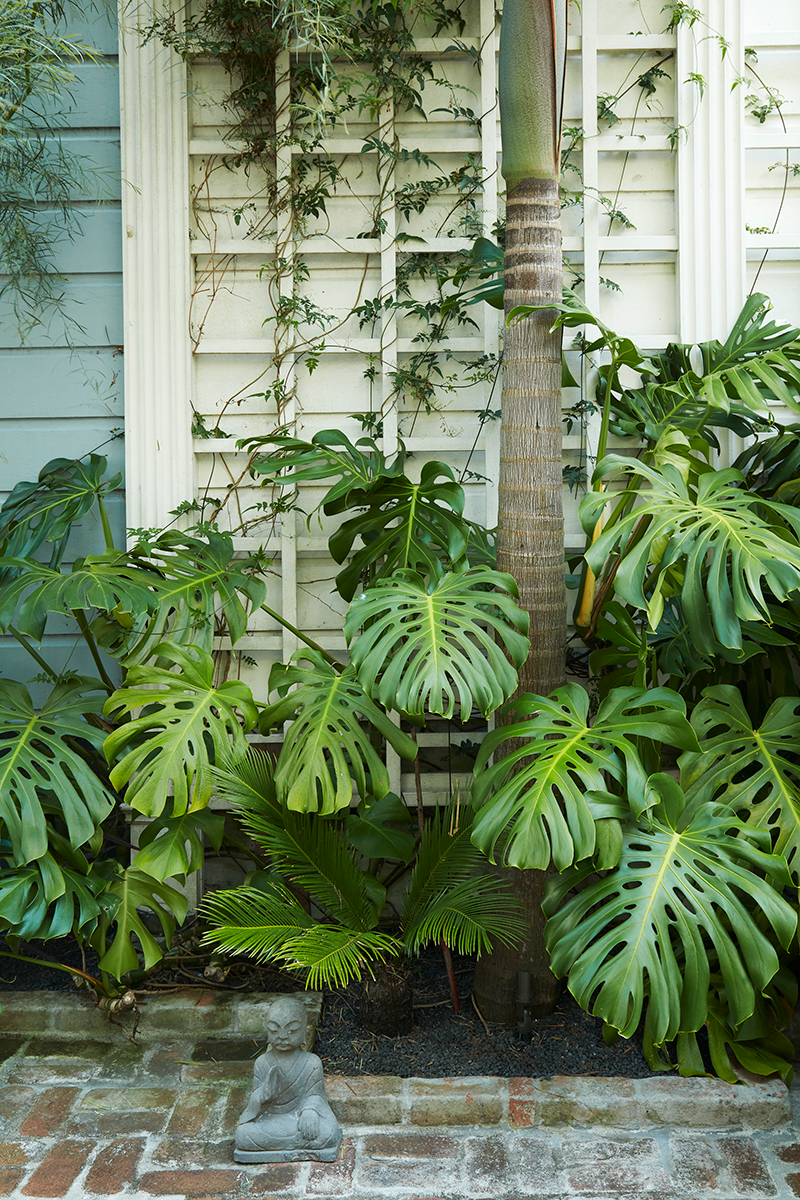
Watering And Feeding
Watering and feeding your outdoor Monstera are crucial for its health. Proper hydration and nutrients ensure your plant thrives. Let’s explore the best ways to water and feed your Monstera.
Watering Schedule
Outdoor Monstera plants need regular watering. Aim to water them once a week. If the weather is hot and dry, you might need to water more often. Check the soil moisture before watering. The soil should be slightly dry at the top. Avoid waterlogging, as it can lead to root rot. Use well-draining soil to help prevent this issue.
Fertilizer Tips
Fertilizing your Monstera helps it grow strong and healthy. Use a balanced, water-soluble fertilizer. Apply it every two to four weeks during the growing season. Reduce feeding in the winter. Over-fertilizing can harm your plant. Always follow the manufacturer’s instructions for the best results. With the right care, your outdoor Monstera will flourish.
Pruning And Maintenance
Growing Monstera outside requires regular pruning and maintenance to ensure the plant remains healthy and attractive. Pruning helps control the size of your Monstera, encourages new growth, and prevents diseases. Proper maintenance includes removing dead or damaged leaves and ensuring the plant has enough space to thrive.
When To Prune
Pruning your Monstera at the right time is crucial for its health. The best time to prune is in the spring or early summer. This is when the plant is actively growing and can recover quickly from pruning. Avoid pruning in the fall or winter, as the plant’s growth slows down during these seasons.
Use clean, sharp tools to make precise cuts. Sterilize your tools before and after pruning to prevent the spread of diseases. Cut just above a node to encourage new growth. Remove any yellow or damaged leaves to keep the plant healthy.
Preventing Overgrowth
Monstera plants can grow quite large if not managed properly. To prevent overgrowth, regularly trim back long stems and remove any excess growth. This will help the plant maintain a manageable size and shape. Focus on cutting back the oldest and longest stems first.
Consider using a trellis or support to guide the growth of your Monstera. This helps the plant grow vertically and prevents it from spreading too much. A trellis can also provide extra stability during strong winds or heavy rains.
Keep an eye on the plant’s growth rate and adjust your pruning schedule as needed. Regular inspections and timely pruning will ensure your Monstera remains healthy and beautiful throughout the year.
Pest And Disease Control
Monstera plants can thrive outdoors, but they are not immune to pests and diseases. Effective pest and disease control is essential for healthy growth. Here are some tips to keep your Monstera plants in top condition.
Common Pests
Several pests can attack Monstera plants. It’s important to identify and manage them.
- Spider Mites: Tiny pests that suck plant sap, causing yellow spots.
- Mealybugs: White, cotton-like pests that weaken the plant.
- Scale Insects: Hard, brown pests that stick to stems and leaves.
- Aphids: Small, green insects that feed on plant juices.
Regular inspection and early intervention can prevent severe damage. Use insecticidal soap or neem oil for treatment.
Disease Prevention
Diseases can also affect Monstera plants. Proper care and prevention are crucial.
| Disease | Symptoms | Prevention |
|---|---|---|
| Root Rot | Yellowing leaves and mushy roots | Avoid overwatering; ensure good drainage |
| Leaf Spot | Brown or black spots on leaves | Remove affected leaves; improve air circulation |
| Powdery Mildew | White, powdery growth on leaves | Keep foliage dry; use fungicide if needed |
Maintain a clean garden area to reduce disease risks. Regularly check for early signs of disease and act promptly.
Preparing For Winter
As the cold season approaches, it’s vital to prepare your Monstera for winter. Monstera plants thrive in warm climates. Winter can be harsh on them, especially if grown outside. Proper winter preparation can keep your Monstera healthy and thriving.
Cold Protection
Monstera plants are sensitive to cold temperatures. They need protection from frost. Cover the plant with a frost cloth or blanket. This helps retain warmth. You can also use mulch around the base. Mulch insulates the roots and keeps them warm. Ensure the plant is not exposed to cold drafts. Windbreaks or screens can help shield the plant.
Indoor Transition
If temperatures drop too low, consider moving the Monstera indoors. Before bringing it inside, check for pests. Clean the leaves and inspect the soil. Place the plant near a window with indirect sunlight. Monstera needs bright, filtered light to thrive. Keep the indoor temperature stable. Avoid placing it near heating vents or cold drafts. Gradual transition helps the plant adjust to indoor conditions. Monitor the plant for signs of stress or disease. Adjust watering and humidity levels as needed.

Common Mistakes To Avoid
Successfully growing Monstera plants outside requires careful attention. Many gardeners make common mistakes that hinder growth. Avoiding these mistakes ensures your Monstera thrives in an outdoor setting.
Overwatering Issues
Overwatering is a frequent mistake with Monstera plants. These plants prefer soil that is moist but not waterlogged. Too much water can lead to root rot, which is harmful.
To avoid overwatering:
- Check soil moisture before watering.
- Use well-draining soil.
- Ensure pots have drainage holes.
Monitor rainfall in your area. Heavy rains can also contribute to overwatering. Adjust your watering schedule accordingly.
Improper Sunlight
Monstera plants need the right amount of sunlight to grow. Too much direct sunlight can scorch their leaves, while too little can stunt their growth.
For proper sunlight:
- Place Monstera in a shaded area with indirect light.
- Avoid exposing the plant to harsh midday sun.
- Consider using a shade cloth if needed.
Observe your plant’s leaves. Yellowing or browning edges can indicate improper sunlight exposure. Adjust the plant’s location as necessary.
Frequently Asked Questions
Can Monstera Grow Outdoors?
Yes, Monstera can grow outdoors in warm climates. It needs partial shade and well-draining soil. Protect it from frost.
What Climate Is Best For Monstera Outdoors?
Monstera thrives in tropical and subtropical climates. It prefers temperatures between 65-85°F. Avoid cold and frosty conditions.
How Much Sunlight Does Outdoor Monstera Need?
Outdoor Monstera plants need bright, indirect sunlight. Direct sunlight can scorch their leaves. Partial shade works best.
Can Monstera Survive Winter Outdoors?
Monstera cannot survive harsh winter outdoors. Bring it indoors if temperatures drop below 50°F. Protect from frost.
Conclusion
Monstera plants can thrive outdoors with proper care. Choose a shaded spot. Protect them from harsh weather. Ensure well-drained soil. Water regularly, but avoid overwatering. Monitor for pests and diseases. With attention, your Monstera will flourish outside. Enjoy the beauty and benefits of this tropical plant in your garden.
Happy gardening!
Leave a Reply