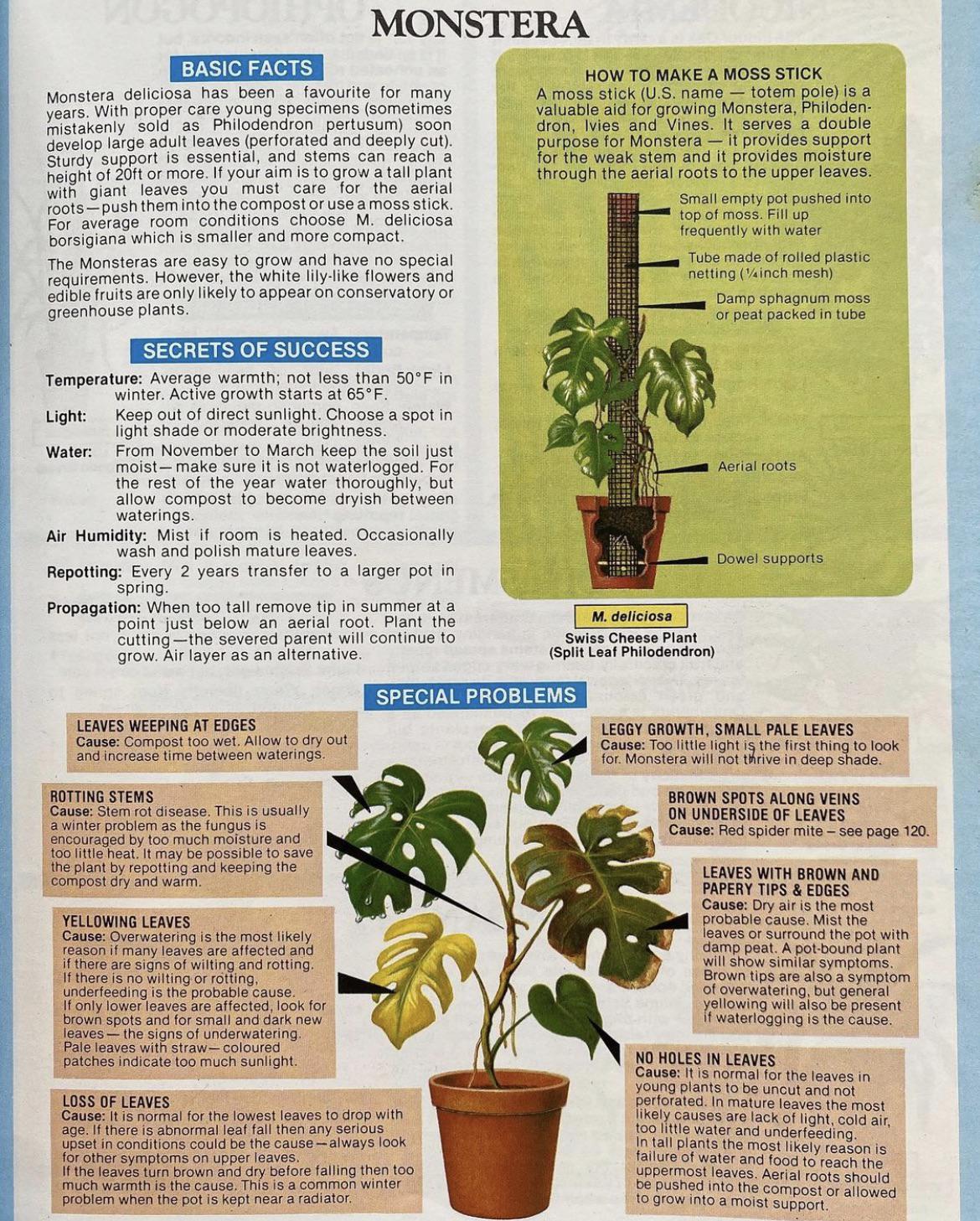
Monstera plants are popular for their unique, split leaves. They add beauty to any space.
Caring for a Monstera plant is easier than you might think. These tropical plants thrive indoors and can grow large, making them a striking addition to your home decor. Learning the proper care instructions ensures your Monstera stays healthy and vibrant.
From watering tips to light requirements, understanding these basics will help your plant flourish. Whether you’re a seasoned plant owner or a beginner, following simple steps can make a big difference. Dive into this guide and discover how to keep your Monstera plant looking its best. By the end, you’ll feel confident in your plant care skills. Let’s get started!

Introduction To Monstera Plants
The Monstera plant is a stunning addition to any home. Known for its large, perforated leaves, it brings a touch of the tropics inside. Understanding its origins and varieties can help you appreciate this plant even more.
Origins And History
Monstera plants are native to the tropical forests of Central and South America. They thrive in warm, humid environments with filtered sunlight. Historically, indigenous people used Monstera plants for their medicinal properties. Over time, they became popular as ornamental plants around the world.
Popular Varieties
There are several popular varieties of Monstera plants:
- Monstera Deliciosa: The most common variety, known for its large, split leaves.
- Monstera Adansonii: Smaller leaves with more pronounced holes.
- Monstera Obliqua: Rare and highly sought after due to its delicate, lace-like leaves.
Each variety has its unique charm. Choose one that fits your space and style. Proper care will ensure your Monstera plant thrives and enhances your home.
Choosing The Right Monstera
Monstera plants, with their unique and eye-catching leaves, make a beautiful addition to any home. Choosing the right one can ensure your plant thrives and grows well. This guide will help you find a healthy Monstera and provide the ideal conditions for it.
Selecting Healthy Plants
Start by examining the overall appearance of the plant. Look for vibrant, green leaves without yellowing or browning. The leaves should be firm and not drooping. Check the stems for signs of strength and stability. Avoid plants with any visible pests or unusual spots.
Inspect the roots if possible. Healthy roots are white or light tan and firm to the touch. Brown, mushy roots can indicate rot or disease. A good Monstera plant will have a well-developed root system that fills the pot.
Ideal Conditions
Monsteras thrive in bright, indirect light. Direct sunlight can scorch their leaves. A spot near a window with filtered light is perfect. They prefer a warm environment with temperatures between 65-85°F (18-29°C).
Humidity is also important. Monsteras like a humid atmosphere. Regular misting or using a humidifier can help maintain the right level. Ensure the soil is well-draining and keep it moist, but not soggy. Overwatering can lead to root rot.
Planting And Potting Tips
The Monstera plant, with its iconic split leaves, is a favorite among plant enthusiasts. Proper planting and potting are essential for healthy growth. Follow these tips to ensure your Monstera thrives.
Best Soil Mix
Choosing the right soil mix is crucial for your Monstera. A well-draining mix helps prevent root rot and promotes healthy growth. Here is a recommended soil mix:
- 40% peat moss
- 30% perlite
- 20% orchid bark
- 10% compost
Peat moss retains moisture, perlite improves drainage, orchid bark adds aeration, and compost provides nutrients. This blend keeps the roots healthy and prevents waterlogging.
Choosing The Right Pot
The right pot size and type matter for a Monstera. Here are some tips for choosing the best pot:
- Size: Select a pot 2-4 inches larger than the root ball.
- Material: Use terracotta or ceramic pots for better airflow.
- Drainage: Ensure the pot has drainage holes to prevent waterlogging.
A pot that’s too large can hold excess water, leading to root rot. A pot that’s too small can restrict growth. Choose a pot that balances size and drainage.
For repotting, gently remove the plant from its current pot. Shake off excess soil and check the roots. If they are circling, gently untangle them. Place the Monstera in the new pot, add fresh soil mix, and water thoroughly.
Watering Guidelines
Monstera plants, also known as Swiss Cheese plants, are popular indoor plants. Proper watering is crucial to keep your Monstera healthy. In this section, we will discuss the best watering practices. Knowing how to water your Monstera correctly will help it thrive.
Watering Frequency
Water your Monstera once a week during the growing season. In winter, reduce watering to every two weeks. Always check the top inch of soil. If it is dry, it is time to water. Using a moisture meter can also help determine when to water.
Signs Of Overwatering
Overwatering can harm your Monstera. Look for yellowing leaves. This is a common sign of too much water. Another sign is soggy soil. If the soil stays wet for too long, roots can rot. Drooping leaves can also indicate overwatering. Always ensure your pot has drainage holes.
Light And Temperature Requirements
Understanding the light and temperature requirements is crucial for a healthy Monstera plant. These factors significantly impact its growth and overall well-being. Let’s explore the optimal conditions to ensure your Monstera thrives.
Optimal Light Conditions
Monstera plants love bright, indirect light. Place them near a window with filtered sunlight. Avoid direct sunlight, which can scorch the leaves. If the light is too low, your Monstera may grow slower and develop smaller leaves. Use sheer curtains to diffuse the light if needed.
Ideal Temperature Range
Monstera plants prefer a warm environment. The ideal temperature range is between 65°F and 85°F (18°C to 29°C). Avoid placing your Monstera near cold drafts or heating vents. Sudden temperature changes can stress the plant. Keep the temperature consistent for best growth.
Fertilization And Nutrient Needs
Monstera plants thrive with regular fertilization, especially during the growing season. Use a balanced, water-soluble fertilizer monthly for best results.
Monstera plants thrive with the right nutrients. Fertilization helps them grow lush and vibrant. This section covers the best fertilizers and feeding schedules.Best Fertilizers
Monstera plants benefit from balanced fertilizers. Look for a 20-20-20 formula. This ratio provides equal parts nitrogen, phosphorus, and potassium. Liquid fertilizers work well. They are easy to apply and absorb quickly. Organic options like compost tea are also good. They enrich the soil naturally. Avoid over-fertilizing. It can harm the plant.Feeding Schedule
Feed your Monstera every 4-6 weeks. Start in spring when growth begins. Continue through summer when the plant is most active. Reduce feeding in fall. Stop completely in winter. This rest period mimics natural cycles. Always follow the instructions on the fertilizer package. Water the plant before feeding. This prevents root burn. “`Pruning And Maintenance
Proper pruning and maintenance are essential for a healthy Monstera plant. Regular care ensures vigorous growth and keeps the plant looking beautiful. Let’s explore how to prune and maintain your Monstera effectively.
Pruning Techniques
Pruning is vital for controlling the shape and size of your Monstera. Follow these simple steps for effective pruning:
- Use sharp, clean pruning shears to avoid plant damage.
- Identify and remove any yellow or dead leaves.
- Trim back any leggy or overgrown stems to promote bushier growth.
- Cut just above a leaf node to encourage new growth.
- Remove aerial roots if they become unruly.
Remember, pruning should be done during the growing season. This ensures the plant can heal and grow vigorously.
Dealing With Pests
Pests can be a common issue for Monstera plants. Here are some tips to keep your plant pest-free:
| Pest | Identification | Solution |
|---|---|---|
| Spider Mites | Small, red or brown spots on leaves | Spray with insecticidal soap or neem oil |
| Mealybugs | White, cotton-like masses on plant | Wipe with alcohol-soaked cotton swabs |
| Scale Insects | Brown or black bumps on stems and leaves | Use horticultural oil or insecticidal soap |
Inspect your Monstera regularly to catch pests early. This helps in treating infestations before they spread.
With proper pruning and maintenance, your Monstera will thrive and become a stunning centerpiece in your home.
Propagation Methods
Monstera plants are popular for their beautiful, large leaves. They are also easy to propagate. There are several methods to multiply your Monstera. Here, we will discuss two main methods: Stem Cuttings and Air Layering.
Stem Cuttings
Stem cuttings are the most common way to propagate Monstera plants. First, you need a clean, sharp knife or scissors. Select a healthy stem with at least one node and one leaf. Cut the stem just below the node. The node is where roots will grow. Remove any leaves near the cut end. Place the cutting in water or soil. If using water, change it every few days to keep it fresh. If using soil, keep it moist but not soggy. In a few weeks, you should see roots forming. Once the roots are a few inches long, you can plant the cutting in soil.
Air Layering
Air layering is another method to propagate Monstera plants. This method is a bit more advanced. First, choose a healthy stem. Make a small cut in the stem, about one-third of the way through. Wrap the cut area with moist sphagnum moss. Cover the moss with plastic wrap to keep it moist. Check the moss regularly to ensure it stays damp. After a few weeks, roots will start to grow from the cut. Once the roots are several inches long, you can cut the stem below the roots. Plant the rooted cutting in soil. This method is great for larger plants and produces strong new plants.
Common Problems And Solutions
Caring for a Monstera plant can be rewarding. Yet, it is not without challenges. Understanding common problems and their solutions helps keep your plant healthy. Below are some frequent issues and how to address them.
Yellowing Leaves
Yellowing leaves can be a common issue with Monstera plants. It usually indicates overwatering. Ensure the soil dries out between watering sessions. Another cause could be inadequate light. Monstera plants thrive in bright, indirect light.
Check for pests as well. Spider mites and scale insects can cause yellowing. Inspect the leaves regularly for any signs of infestation. If pests are present, treat them with insecticidal soap.
Root Rot
Root rot is a serious problem for Monstera plants. It is often a result of overwatering or poor drainage. Signs include wilting leaves and a foul smell from the soil. To prevent root rot, use well-draining soil. Make sure the pot has drainage holes.
If root rot occurs, remove the plant from its pot. Trim the affected roots and repot in fresh soil. Water sparingly until the plant shows signs of recovery. Regularly check the soil moisture to avoid future issues.
Benefits Of Monstera Plants
Monstera plants, known for their striking, large leaves, are a popular choice for indoor gardening enthusiasts. These tropical beauties not only enhance the visual appeal of your space but also offer several health benefits. Let’s explore the key benefits of Monstera plants.
Aesthetic Appeal
Monstera plants have unique, split leaves that create a dramatic look. Their lush, green foliage brings a touch of nature indoors. These plants can serve as a focal point in any room. Their impressive size makes them ideal for filling empty corners or spaces. Monstera plants fit well with various interior styles, from modern to bohemian.
Air Purification
Monstera plants help clean the air in your home. They absorb pollutants like formaldehyde and benzene. This improves indoor air quality. Better air quality can lead to improved health and well-being. Monstera plants also increase humidity by releasing moisture. This can help reduce respiratory problems and dry skin.

Frequently Asked Questions
How Often Should I Water My Monstera Plant?
Water your Monstera plant when the top inch of soil is dry. Typically, this is once a week. Adjust based on the season and humidity levels in your home.
What Kind Of Light Does A Monstera Need?
Monstera plants thrive in bright, indirect light. Avoid direct sunlight as it can scorch the leaves. They can tolerate low light but will grow slower.
How Do I Propagate A Monstera Plant?
To propagate a Monstera, cut a stem with a node and aerial root. Place it in water or soil until roots develop. This usually takes a few weeks.
Why Are My Monstera Leaves Turning Yellow?
Yellow leaves can indicate overwatering or poor drainage. Ensure the pot has good drainage and only water when the top soil is dry. Also, check for pests.
Conclusion
Caring for a Monstera plant is simple and rewarding. Keep it in bright, indirect light. Water it when the top inch of soil is dry. Provide support for its climbing nature. Use a well-draining potting mix. Remember to dust its leaves regularly.
This plant can thrive with just a bit of attention. Enjoy the beauty and lush greenery it brings. Happy gardening!
Leave a Reply