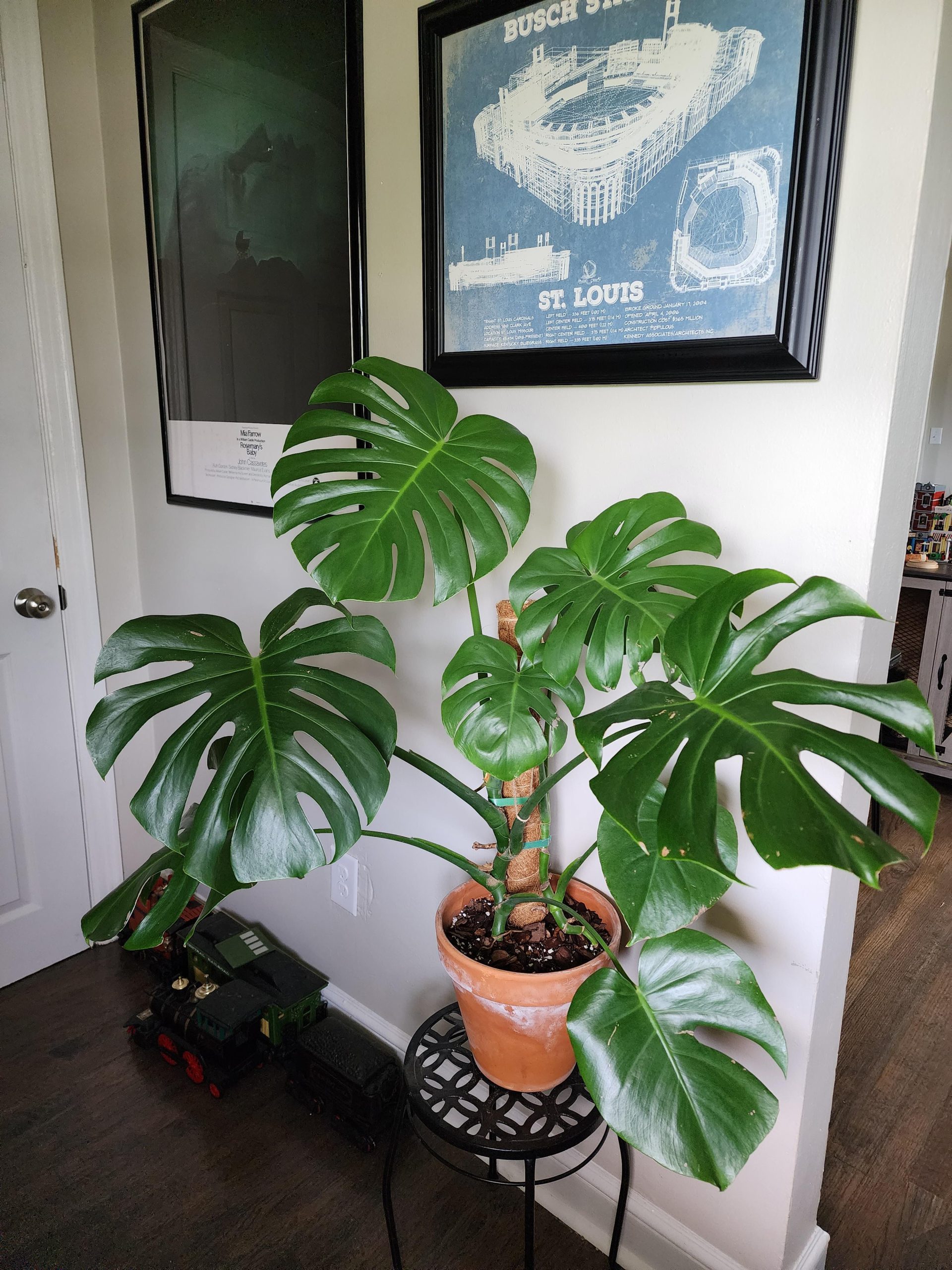
To increase Monstera growth, provide the right conditions. Light, water, and nutrients are key.
Monsteras, with their large, beautiful leaves, are a favorite among plant lovers. Watching them thrive brings joy. But, how do you make sure your Monstera grows well? This guide will help you understand what Monsteras need. Simple tips can make a big difference.
From light requirements to watering schedules, we’ll cover it all. By following these steps, your Monstera will grow healthy and strong. Let’s dive in and learn how to give your Monstera the best care. Get ready to see your plant flourish!

Optimal Light Conditions
Ensuring optimal light conditions is crucial for Monstera growth. This tropical plant thrives in specific light conditions. Providing the right amount of light ensures healthy and vibrant growth.
Ideal Light Levels
Monstera plants need bright, indirect light. Place your Monstera near a window with filtered light. A sheer curtain can help diffuse the sunlight. This setup mimics their natural habitat under the forest canopy. Artificial grow lights can also supplement light, especially in darker rooms. Aim for 10-12 hours of light each day. This helps the plant photosynthesize effectively.
Avoiding Direct Sunlight
Direct sunlight can harm your Monstera. It can scorch the leaves, causing brown spots. Keep the plant out of harsh sunlight to avoid damage. If your Monstera is outdoors, place it in a shaded area. This protects it from the intense midday sun. Regularly rotate the plant to ensure even light exposure. This prevents the plant from leaning towards the light source.
Watering Techniques
Watering your Monstera plant correctly is vital for its growth. Each Monstera has unique needs, but some general guidelines help keep it healthy. Understanding these watering techniques can make a difference in your plant’s development.
Proper Watering Schedule
Watering your Monstera on a proper schedule keeps it healthy. Water thoroughly, but allow the top inch of soil to dry out between watering. Check the soil’s moisture with your finger. Consistent watering helps prevent root rot and overwatering.
Signs Of Overwatering
Overwatering can harm your Monstera. Look for yellowing leaves, which can indicate too much water. Another sign is a musty smell from the soil. Soft, mushy stems are also a warning. If you notice these signs, reduce watering and let the soil dry out.
Soil And Potting Mix
Choosing the right soil and potting mix is crucial for Monstera growth. Healthy roots mean a happy plant. Below, we’ll dive into the best soil types and how to create a well-draining mix.
Best Soil Types
Monstera plants thrive in a variety of soil types. The ideal soil is rich in organic matter and slightly acidic. Here are a few good options:
- Peat-based soil: Lightweight and retains moisture.
- Loamy soil: Contains a balance of sand, silt, and clay.
- Compost-enriched soil: Packed with nutrients.
Mixing these soil types can create an ideal environment for your Monstera.
Creating A Well-draining Mix
Monstera roots dislike sitting in water. A well-draining mix helps avoid root rot. Here’s how to create one:
- Add perlite or pumice: Improves aeration and drainage.
- Mix in orchid bark: Provides structure and prevents compaction.
- Include some coconut coir: Retains moisture without becoming soggy.
Combine these ingredients in equal parts for a balanced mix. This ensures your Monstera gets the right amount of water and air.
| Ingredient | Purpose |
|---|---|
| Perlite/Pumice | Improves aeration and drainage |
| Orchid Bark | Prevents soil compaction |
| Coconut Coir | Retains moisture |
Use this mix to keep your Monstera healthy and growing fast.
Fertilization Strategies
Fertilizing your Monstera plant is crucial for its growth. Proper fertilization ensures the plant gets essential nutrients. This helps the Monstera grow lush and healthy. Let’s dive into some effective fertilization strategies.
Choosing The Right Fertilizer
Choosing the right fertilizer is key to Monstera growth. Opt for a balanced fertilizer, such as a 20-20-20 blend. This blend contains equal parts nitrogen, phosphorus, and potassium. These nutrients support leaf and root development.
Avoid fertilizers high in nitrogen. Too much nitrogen can lead to excessive leaf growth and weak stems. Look for fertilizers with micronutrients like magnesium, calcium, and iron. These elements support overall plant health.
Organic fertilizers are another good option. They release nutrients slowly and improve soil quality. Examples include compost, worm castings, and fish emulsion. Always read the label for proper usage instructions.
Frequency Of Application
The frequency of fertilizer application depends on the Monstera’s growth stage. During the growing season (spring and summer), fertilize every 4-6 weeks. This ensures consistent nutrient availability for the plant.
In the dormant season (fall and winter), reduce fertilization. Fertilize once every 8-12 weeks or stop altogether. Over-fertilizing can harm your Monstera, causing root burn and yellowing leaves.
Always water the plant before applying fertilizer. This prevents root damage and helps the plant absorb nutrients. Use a diluted fertilizer solution to avoid overfeeding.
| Season | Frequency |
|---|---|
| Spring and Summer | Every 4-6 weeks |
| Fall and Winter | Every 8-12 weeks |
Pruning And Training
Pruning and training are essential techniques to boost your Monstera plant’s growth. These methods ensure a healthy, attractive, and manageable plant. Pruning removes unhealthy parts, while training helps shape the plant. Learn how to master these techniques.
Pruning For Health
Regular pruning keeps your Monstera healthy and thriving. Start by using clean, sharp scissors. Remove any yellow or dead leaves. This prevents disease and pests.
Next, look for leggy stems. Cut them back to promote new growth. Always cut just above a leaf node. This encourages the plant to produce new stems.
Pruning also involves removing aerial roots. These roots can become messy. Trim them back to keep the plant tidy. Be careful not to damage the main stem.
Follow these steps for a healthy Monstera:
- Use clean, sharp tools
- Remove dead or yellow leaves
- Trim leggy stems
- Cut above leaf nodes
- Manage aerial roots
Training For Shape
Training your Monstera helps it grow in the desired direction. This method keeps the plant looking neat and attractive.
Use a moss pole or trellis to train your Monstera. Secure the stems to the support with soft ties. As the plant grows, guide the stems to the support.
Training involves regularly adjusting the ties. This prevents the plant from growing wild. Check the ties often and loosen them as needed.
Consider these tips for effective training:
- Choose a strong support like a moss pole
- Use soft ties to secure stems
- Regularly adjust the ties
- Guide the stems to the support
By following these pruning and training techniques, your Monstera will flourish. Enjoy a healthy, beautiful plant in your home.

Humidity And Temperature
Humidity and temperature are crucial factors for Monstera growth. Proper care in these areas ensures your Monstera thrives. This section focuses on maintaining optimal humidity and temperature levels. This helps boost your plant’s health.
Maintaining Humidity Levels
Monstera plants love high humidity. Ideally, keep humidity levels between 60% and 80%. Lower humidity can cause the leaves to dry out and curl. To maintain humidity, you can use a humidifier.
Another way is to mist the leaves regularly with water. Grouping plants together also helps increase humidity. Place a tray of water near the plant. As the water evaporates, it raises the humidity around the Monstera.
You can also place the pot on a pebble tray filled with water. Ensure the pot is above the waterline. This prevents root rot while maintaining humidity.
Ideal Temperature Range
Monstera plants thrive in a temperature range of 65°F to 85°F (18°C to 29°C). Temperatures below 55°F (13°C) can slow growth and damage the plant.
Avoid placing your Monstera near cold drafts or heating vents. Sudden temperature changes can stress the plant. A stable, warm environment is essential.
During winter, monitor indoor temperatures closely. Use a thermometer to ensure the room stays within the ideal range.
Maintaining proper humidity and temperature is essential for healthy Monstera growth. Follow these tips to create the perfect environment for your plant.
Pest And Disease Management
To ensure your Monstera grows healthy and strong, you must manage pests and diseases effectively. Pests and diseases can stunt growth and damage leaves. Below are essential tips to keep your Monstera thriving.
Common Pests
Monstera plants are attractive to several common pests. Here are a few to watch out for:
- Spider mites: Tiny, red or black insects that create webs on leaves.
- Mealybugs: White, cotton-like pests that gather in leaf joints.
- Scale insects: Small, brown bumps on stems and leaves.
These pests can suck sap from your plant, causing yellow leaves and stunted growth. Regularly inspect your Monstera and use a neem oil spray to combat these pests.
Preventing Diseases
Diseases can be a major threat to your Monstera’s health. Here are steps to prevent them:
- Watering: Avoid overwatering. Ensure the soil dries out between waterings.
- Humidity: Maintain a humidity level of 40-60% to prevent fungal growth.
- Ventilation: Provide good air circulation to reduce mold and mildew.
Here is a table summarizing preventive measures for common Monstera diseases:
| Disease | Symptom | Prevention |
|---|---|---|
| Root rot | Wilting and black roots | Ensure proper drainage and avoid overwatering |
| Powdery mildew | White powder on leaves | Increase air circulation and reduce humidity |
| Leaf spot | Brown or yellow spots | Water at the base and remove infected leaves |
By managing pests and diseases, your Monstera can grow healthy and lush. Regular monitoring and preventive measures are key.
Propagation Methods
Monstera plants are loved for their unique foliage and ease of care. To expand your collection, you need to know the best propagation methods. Propagation helps you grow new plants from a mother plant. Here, we will discuss two effective methods: Stem cuttings and Air layering. These techniques can boost your Monstera growth journey.
Stem Cuttings
Propagating Monstera through stem cuttings is simple. Follow these steps for success:
- Choose a healthy stem with at least one node.
- Use a clean, sharp knife or scissors to cut below the node.
- Place the cutting in water or soil.
Ensure the node is submerged in water or covered with soil. In water, change the water every few days. If in soil, keep the soil moist but not waterlogged. Roots will develop in 2-4 weeks.
Air Layering
Air layering is another effective propagation method. It involves growing roots on the stem while still attached to the mother plant. Here’s how:
- Choose a healthy stem with a node.
- Make a small cut below the node.
- Wrap moist sphagnum moss around the cut.
- Cover the moss with plastic wrap and secure it.
Keep the moss moist by occasionally adding water. Roots will form in 4-6 weeks. Once roots develop, cut below the new root ball and plant in soil.
Frequently Asked Questions
How Often Should I Water My Monstera?
Water your Monstera once the top inch of soil is dry. Overwatering can lead to root rot. Ensure the pot has good drainage.
What Is The Best Light For Monstera Growth?
Monstera plants thrive in bright, indirect light. Avoid direct sunlight, as it can scorch the leaves.
How Do I Fertilize My Monstera?
Use a balanced, water-soluble fertilizer every 4-6 weeks during the growing season. Reduce feeding in winter.
Why Are My Monstera Leaves Turning Yellow?
Yellow leaves can indicate overwatering, underwatering, or lack of nutrients. Check soil moisture and adjust watering accordingly.
Conclusion
Healthy Monstera growth requires proper care and attention. Give it enough light. Water it regularly but don’t overwater. Use well-draining soil to avoid root rot. Feed with balanced fertilizer during growing season. Prune to remove damaged leaves and encourage new growth.
Maintain a warm, humid environment. Your Monstera will thrive with these simple steps. Happy growing!
Leave a Reply