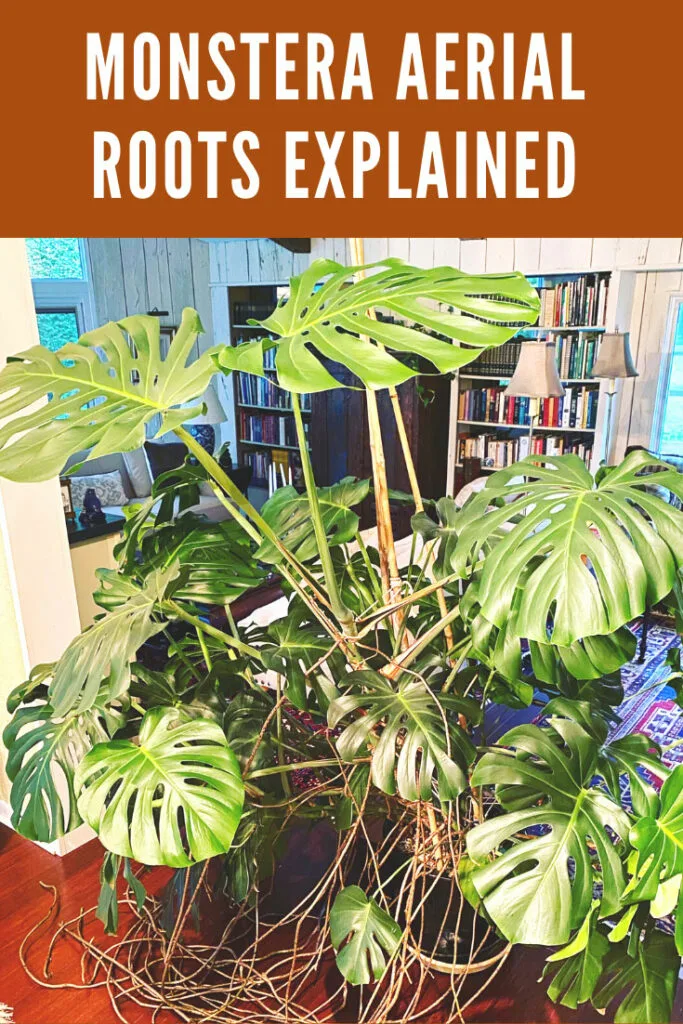
Monstera plants, known for their unique leaves, also grow aerial roots. But why do these roots appear above the ground?
Monstera’s aerial roots serve several purposes. They help the plant climb and anchor itself to surfaces. This climbing ability allows Monstera to reach sunlight in its natural habitat. The roots also absorb moisture and nutrients from the air. Understanding these roots can improve your plant care routine.
They are not just for support but play a vital role in the plant’s health. Knowing this can help you create a better environment for your Monstera. Let’s explore the reasons behind these fascinating roots and how they benefit your plant.
Introduction To Monstera Aerial Roots
The Monstera plant, known for its large, split leaves, often grows aerial roots. These roots are fascinating and serve several important functions. Understanding these roots can help you care for your Monstera better.
What Are Aerial Roots?
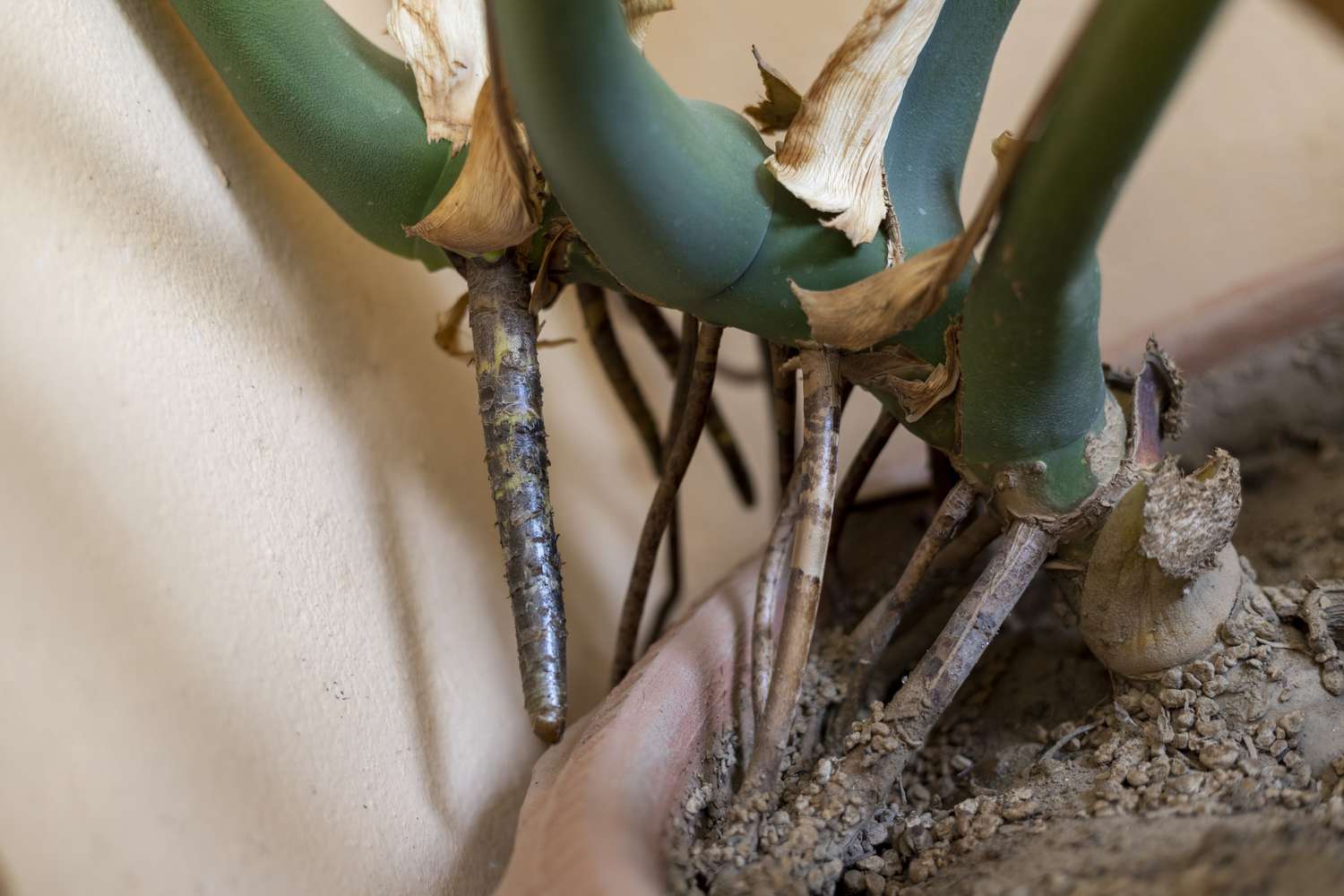
Aerial roots are roots that grow above the ground. They are different from the regular roots that grow in soil. These roots can be seen hanging from the stem of the Monstera plant.
These roots are usually thicker and have a rough texture. They appear to be searching for something to cling onto. This is because they help the plant in various ways.
Importance Of Aerial Roots
Aerial roots help the Monstera plant in multiple ways. One of the main functions is support. In their natural habitat, these roots help the plant climb trees. This allows the Monstera to reach sunlight in dense forests.
These roots also absorb moisture and nutrients from the air. This is especially useful in humid environments. The roots can take in water when they are exposed to moist air.
Another function is to anchor the plant. These roots can attach to structures like walls or other plants. This helps the Monstera stay stable as it grows larger.
Natural Habitat Of Monstera
The Monstera plant, often called the Swiss Cheese Plant, thrives in its natural habitat. Its unique environment shapes its growth and appearance. Understanding this habitat helps explain why Monstera grows aerial roots.
Tropical Rainforests
Monstera plants originate from the tropical rainforests of Central and South America. These forests are dense with tall trees and limited light at ground level. The climate is humid and warm, creating the perfect conditions for Monstera’s growth.
In these rainforests, the Monstera plant needs to adapt to the low light. The aerial roots help the plant climb towards the light.
Climbing Mechanism
Monstera plants use their aerial roots as a climbing mechanism. They anchor themselves to trees and other structures. This allows them to reach more sunlight, vital for photosynthesis.
The aerial roots are thick and strong. They grip onto surfaces, providing stability. This climbing ability gives Monstera an advantage in crowded rainforest environments.
Here is a simple breakdown of the climbing mechanism:
- Attachment: Aerial roots attach to nearby structures.
- Support: Roots provide support as the plant climbs.
- Growth: Monstera grows upwards, reaching for light.
This mechanism helps the plant survive and thrive in its natural habitat.
Functions Of Aerial Roots
Monstera plants are popular for their unique and beautiful appearance. Aerial roots are a key feature of these plants. These roots grow above ground and serve several important functions. Let’s explore the main roles of aerial roots in Monstera plants.
Support And Stability
Aerial roots provide crucial support and stability for Monstera plants. In their natural habitat, Monsteras grow in tropical forests. They use aerial roots to climb trees and other structures. This helps them reach sunlight and grow taller.
These roots anchor the plant to surfaces. They prevent the plant from falling over. This is especially important for large and heavy Monsteras. Without aerial roots, the plant would struggle to stay upright.
Nutrient Absorption
Aerial roots also help with nutrient absorption. They absorb moisture and nutrients from the air and surrounding environment. This is vital for the plant’s health and growth.
In the wild, Monstera plants often grow in areas with poor soil. Aerial roots allow them to get nutrients from other sources. This makes them more adaptable and resilient.
For indoor plants, misting the aerial roots can provide extra hydration. This can keep the plant healthy and thriving.
| Function | Description |
|---|---|
| Support and Stability | Helps the plant climb and stay upright |
| Nutrient Absorption | Absorbs moisture and nutrients from the environment |
Aerial Roots And Humidity
Aerial roots play a significant role in the growth of Monstera plants. These roots are not just for show. They serve essential functions, particularly in relation to humidity. Understanding why Monstera grows aerial roots can help you care for your plant better.
Role Of Moisture
Aerial roots absorb moisture from the air. This ability is especially helpful in tropical environments. Humidity levels are high there. The roots collect water vapor, helping the plant stay hydrated. High humidity benefits the Monstera.
In dry environments, aerial roots can struggle. They cannot absorb enough moisture. This may lead to slower growth or dull leaves. Mimicking a humid environment can improve Monstera’s health.
Adaptation To Environment
Monstera plants originate from rainforests. These areas are naturally humid and wet. Aerial roots help them adapt to these conditions. They can cling to tree trunks and other surfaces. This allows the plant to climb and reach sunlight.
In your home, providing a humid atmosphere can help. Use a humidifier or mist the plant regularly. This supports the aerial roots in doing their job. Keeping the environment similar to their natural habitat ensures a healthier Monstera.
Aerial Roots In Indoor Settings
Monstera plants, also known as Swiss cheese plants, are popular houseplants. They are known for their large, unique leaves. One curious feature of Monstera is its aerial roots. These roots can grow above the soil and are more common in their natural habitat. But, they also appear in indoor settings. Understanding these roots can help you care for your Monstera better.
Care And Maintenance
Aerial roots in indoor settings need proper care. These roots help the plant stay stable and absorb moisture from the air. You can mist them to keep them hydrated. Ensure your Monstera has enough humidity. A humidifier or a pebble tray can help. Give your plant a sturdy support, like a moss pole or a trellis. This way, the aerial roots can attach themselves and provide extra stability.
Pruning Tips
Sometimes, aerial roots can grow too long. This may not look attractive indoors. You can prune these roots carefully. Use clean, sharp scissors to cut them back. Do not cut too close to the main stem. This can harm the plant. Regular pruning will keep your Monstera looking neat and tidy. Remember, some aerial roots are necessary for the plant’s health. Do not remove all of them.
Common Issues With Aerial Roots
Aerial roots are common in Monstera plants. They help the plant climb and absorb moisture. Yet, these roots can sometimes cause problems. Understanding these issues can help you care better for your Monstera.
Overgrowth
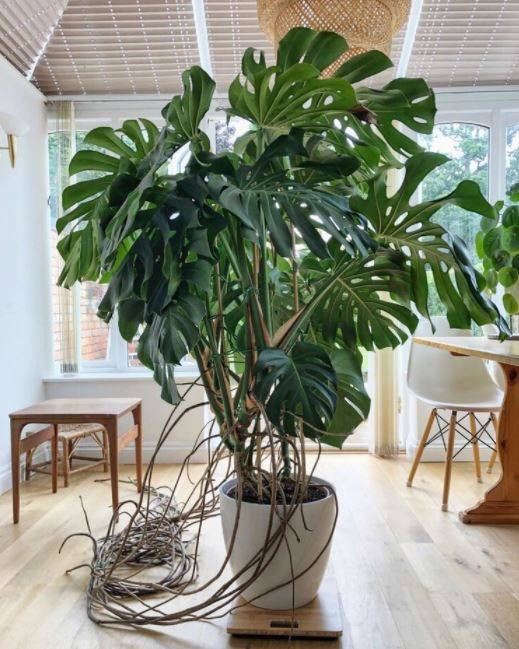
Overgrowth of aerial roots can be problematic. These roots can grow too long and become tangled. This makes the plant look messy. It can also make it hard to clean or move the plant.
Here are some tips to manage overgrowth:
- Trim the roots with clean scissors.
- Use a moss pole for support.
- Train the roots to grow in a desired direction.
Root Rot
Root rot is another issue with aerial roots. It happens when the roots stay wet for too long. This can cause the roots to rot and turn black. The plant may look sick and have yellow leaves.
To prevent root rot:
- Ensure good air circulation.
- Do not overwater the plant.
- Use well-draining soil.
Following these steps can keep your Monstera healthy and thriving.
Propagation Using Aerial Roots
Monstera plants are well-known for their unique, aerial roots. These roots grow above ground and can be used for propagation. Using aerial roots for propagation is an easy and effective way to grow new Monstera plants.
Cutting Techniques
To propagate Monstera using aerial roots, you first need to choose a healthy section of the plant. Look for a part of the stem that has at least one aerial root and a few leaves.
- Use a clean, sharp knife or pruning shears.
- Cut below the aerial root, ensuring you include a node.
- Remove any extra leaves near the cut end.
This method will give your cutting the best chance to grow into a healthy new plant.
Rooting Process
Once you have your cutting, the next step is rooting. Start by placing the cut end of the stem in water. Make sure the aerial root is submerged.
- Change the water every few days.
- Keep the water container in a warm, bright spot.
- Avoid direct sunlight as it can harm the cutting.
After a few weeks, you should see new roots growing from the node. Once the roots are a few inches long, you can transfer the cutting to soil.
Use a well-draining potting mix and keep the soil moist. Your new Monstera plant will soon start to grow and thrive.

Enhancing Monstera Growth
Monstera plants, often known as Swiss Cheese plants, are famous for their large, unique leaves. But have you ever wondered why they grow aerial roots? These roots are not just for show. They play a crucial role in the plant’s growth and health. Let’s explore how you can enhance Monstera growth by understanding and supporting these roots.
Optimal Conditions
Monstera plants thrive in bright, indirect light. Too much direct sunlight can scorch their leaves. Aim for a location with filtered light. Maintain a warm environment. They prefer temperatures between 65°F and 85°F. Avoid cold drafts or sudden temperature changes. Humidity is also important. Higher humidity levels help the plant flourish. Use a humidifier or mist the leaves regularly.
Fertilization Tips
Feed your Monstera once a month during the growing season. Use a balanced, water-soluble fertilizer. Dilute it to half strength for optimal results. Reduce feeding during the winter months. Over-fertilizing can harm the plant. Look for signs of nutrient deficiency, like yellowing leaves. Adjust fertilization if needed. Healthy roots mean a healthy plant.
Frequently Asked Questions
What Are Aerial Roots On Monstera?
Aerial roots are roots that grow above the ground. They help support the plant by anchoring it to structures and absorbing moisture.
Why Do Monstera Develop Aerial Roots?
Monstera develop aerial roots to support their climbing nature. These roots help them attach to trees or other supports in their natural habitat.
Can I Cut Monstera Aerial Roots?
Yes, you can cut Monstera aerial roots if they become too long or unmanageable. However, it’s best to leave some to support the plant.
Do Monstera Aerial Roots Need Water?
Monstera aerial roots absorb moisture from the air. They don’t need direct watering but benefit from a humid environment.
Conclusion
Aerial roots help Monstera plants thrive. They absorb moisture from the air. These roots also provide stability, especially for climbing. Easy to care for, they enhance the plant’s health. Understanding aerial roots can improve your plant care skills. Monstera plants are fascinating and full of surprises.
Enjoy watching your Monstera grow and flourish. Happy gardening!
Leave a Reply