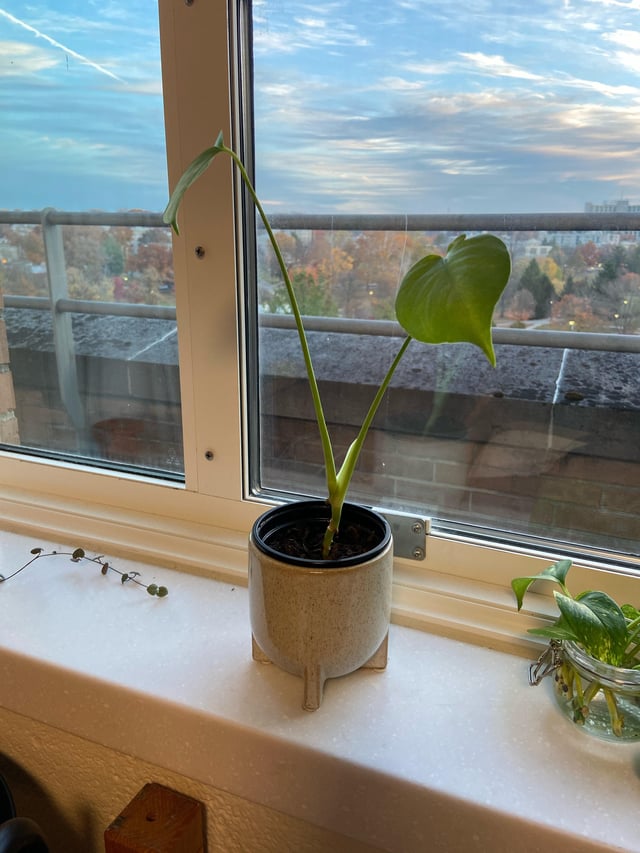
Is your Monstera plant not growing as expected? Let’s dive into the reasons.
Monstera plants are popular for their striking leaves and easy care. But sometimes, they can face growth issues. This can be frustrating, especially if you’re unsure why it’s happening. There are several factors that can hinder your Monstera’s growth. These include improper lighting, incorrect watering, and unsuitable soil.
Understanding these factors can help you resolve the issue. In this blog, we will explore the common reasons behind a Monstera’s stunted growth. By the end, you will have the knowledge to help your plant thrive. Let’s get started and bring your Monstera back to its vibrant self!

Common Reasons For Stunted Growth
Is your Monstera not growing as expected? Several factors could be hindering its growth. In this section, we will explore the common reasons for stunted growth and how to address them.
Lack Of Light
Monstera plants need bright, indirect light to thrive. If your Monstera is in a dark corner, it might struggle to grow. Place your plant near a window where it can receive filtered sunlight.
Signs of insufficient light include:
- Slow growth
- Pale leaves
- Leggy stems
Consider using grow lights if natural light is limited. This can help your Monstera get the light it needs.
Improper Watering
Watering is crucial for plant health. Both overwatering and underwatering can cause problems.
Overwatering can lead to root rot, while underwatering can cause dehydration.
Signs of watering issues include:
- Yellowing leaves
- Wilting
- Brown leaf tips
Make sure to water your Monstera when the top inch of soil is dry. Use a pot with drainage holes to prevent water from sitting at the bottom.
Nutrient Deficiency
Plants need nutrients to grow. A lack of essential nutrients can cause stunted growth.
Common nutrient deficiencies include:
| Nutrient | Symptoms |
|---|---|
| Nitrogen | Pale leaves, slow growth |
| Phosphorus | Dark green leaves, poor root growth |
| Potassium | Yellow edges, weak stems |
Use a balanced, water-soluble fertilizer to provide necessary nutrients. Follow the package instructions for the best results.
Signs Your Monstera Is Struggling
Is your Monstera not growing as expected? Don’t worry, there are clear signs that can tell you if your plant is struggling. By identifying these signs early, you can help your Monstera thrive again. Let’s take a look at the key indicators.
Yellow Leaves
Yellow leaves are one of the first signs that your Monstera is unhappy. This can be due to several reasons:
- Overwatering
- Underwatering
- Nutrient deficiency
Check the soil moisture before watering. Ensure your plant gets enough light and nutrients.
Wilting
If your Monstera appears droopy or wilted, it’s a clear sign of distress. Wilting can result from:
- Inconsistent watering
- Root rot
- Poor drainage
Make sure the pot has good drainage. Check the roots for signs of rot and adjust your watering schedule.
Slow Leaf Production
Monstera plants are known for their lush leaves. Slow leaf production can be worrying. This can happen because of:
- Insufficient light
- Low humidity
- Cold temperatures
Place your Monstera in a bright spot. Increase humidity and keep it warm to encourage new growth.
Optimal Light Conditions
Providing the right light conditions is essential for the healthy growth of your Monstera plant. Without proper light, your Monstera can struggle and show poor growth. Understanding the optimal light conditions can help ensure your Monstera thrives and stays lush.
Ideal Light Levels
Monsteras need bright, indirect light to grow well. Direct sunlight can scorch their leaves. Place your Monstera in a room with plenty of natural light. It should be enough to read a book comfortably during the day. Too little light can slow down growth and make the plant leggy.
Best Placement In Your Home
Position your Monstera near a north or east-facing window. These spots offer bright, indirect light. Avoid placing the plant directly in front of a south or west-facing window. The strong afternoon sun can damage the leaves. If your home lacks natural light, consider using a grow light. Ensure it’s placed a few feet away from the plant to mimic natural conditions.
Watering Best Practices
Watering your Monstera properly is key to its growth and health. Incorrect watering habits can stunt its growth. Understanding the best practices can help you keep your plant thriving.
Watering Frequency
Monstera plants prefer soil that is consistently moist but not waterlogged. Generally, you should water your Monstera every 1-2 weeks. This can vary based on your home’s humidity and temperature. Always check the top inch of soil before watering. If it’s dry, it’s time to water.
Signs Of Overwatering
Overwatering is a common mistake. Look for these signs:
- Yellowing leaves
- Mushy stems
- Wilting despite wet soil
- Root rot
To avoid overwatering, use a pot with drainage holes. Ensure excess water can escape.
Signs Of Underwatering
Underwatering can also hinder your Monstera’s growth. Look for these signs:
- Crispy, brown leaf edges
- Drooping leaves
- Dry, compacted soil
If you notice these signs, water your Monstera thoroughly. Make sure the water reaches the roots.
By following these watering best practices, you can ensure your Monstera grows healthy and strong.
Soil And Potting Mix
Soil and potting mix play a crucial role in the growth of your Monstera plant. If your Monstera is not growing, the soil might be the issue. The right soil mix ensures that your plant gets the nutrients it needs. It also helps in proper drainage, preventing root rot.
Choosing The Right Soil
Monsteras need well-aerated soil. This means the soil should be light and fluffy. It allows air to reach the roots. Use a mix that contains peat moss, pine bark, and perlite. Peat moss retains moisture. Pine bark helps with drainage. Perlite keeps the soil light.
Importance Of Drainage
Good drainage is vital for Monstera growth. Without it, water can accumulate at the roots. This can cause root rot. Make sure your pot has drainage holes. These holes let excess water escape. Use a well-draining soil mix. This helps prevent overwatering.
Remember to check the bottom of the pot. Ensure it is not clogged. If clogged, water will not drain properly. Your Monstera’s roots will suffer.
Fertilizing Your Monstera
Fertilizing your Monstera is vital for its growth and health. A well-fed Monstera shows off lush, green leaves. If your Monstera isn’t growing, it might need a nutrient boost.
Types Of Fertilizer
Different fertilizers suit different needs. Organic fertilizers are gentle and improve soil quality over time. They include compost, worm castings, and fish emulsion. Synthetic fertilizers provide nutrients quickly but can build up in the soil. Look for a balanced fertilizer with equal parts nitrogen, phosphorus, and potassium. Liquid fertilizers are easy to apply and can be mixed with water.
Fertilizing Schedule
Regular feeding keeps your Monstera happy. During the growing season (spring and summer), fertilize every 4-6 weeks. In fall and winter, reduce feeding to every 8-10 weeks. Always follow the instructions on the fertilizer package. Over-fertilizing can harm your plant. Start with a half-strength dose and observe how your Monstera responds.
Pest And Disease Management
Is your Monstera not growing? Pests and diseases might be the culprits. Healthy plants need proper care. Managing pests and diseases is essential. Let’s explore common pests and how to prevent diseases.
Common Pests
Many pests can harm your Monstera. Here are the most common ones:
- Spider Mites: Tiny, red or yellow, and create webs on leaves.
- Mealybugs: White, cotton-like pests. They suck plant sap.
- Scale Insects: Small, brown or black, and stick to stems.
- Aphids: Green, black, or red. They gather on new growth.
Inspect your Monstera regularly. Use a magnifying glass to spot small pests. To manage pests, use insecticidal soap or neem oil. Clean leaves with a damp cloth.
Disease Prevention
Preventing diseases is key to a healthy Monstera. Follow these tips:
- Watering: Water only when the topsoil is dry. Avoid waterlogging.
- Humidity: Maintain moderate humidity. Use a humidifier if needed.
- Ventilation: Ensure good airflow. Avoid crowded spaces.
- Soil: Use well-draining soil. Avoid heavy, compact soil.
- Cleaning: Remove dead leaves. Clean plant debris regularly.
These practices reduce the risk of fungal and bacterial infections. Your Monstera will thrive with proper care.
Repotting Your Monstera
Repotting your Monstera can be a key factor in ensuring its growth and health. Proper repotting provides more space for roots and fresh soil for nutrients. It also helps avoid root-bound issues which can stunt the plant’s growth. In this section, we will discuss the right time to repot and the steps involved.
When To Repot
Knowing when to repot your Monstera is crucial. Here are some signs that indicate it’s time to repot:
- Roots are growing out of the drainage holes.
- The plant appears to be top-heavy or unstable.
- Growth has slowed down significantly.
- The soil dries out quickly after watering.
Steps To Repotting
Follow these steps to ensure a successful repotting:
- Prepare the new pot: Choose a pot that is 2-3 inches larger in diameter than the current pot.
- Add fresh soil: Fill the new pot with a layer of fresh potting mix. A mix designed for tropical plants works best.
- Remove the plant: Gently remove the Monstera from its current pot. Loosen the roots if they are tightly bound.
- Place the plant: Position the Monstera in the center of the new pot. Ensure the root ball is level with the pot’s rim.
- Fill with soil: Add more potting mix around the root ball. Firmly press the soil to eliminate air pockets.
- Water thoroughly: Water the plant until water drains from the bottom. This helps settle the soil around the roots.
After repotting, place the Monstera in a location with indirect sunlight. Avoid direct sun as it can stress the plant. Keep the soil moist but not soggy. Regular care and attention will ensure your Monstera thrives in its new home.
Pruning And Training
Pruning and training are essential for a healthy and thriving Monstera. They help the plant grow properly and encourage new growth. Proper techniques ensure that your Monstera stays strong and vibrant.
Pruning Techniques
Pruning helps control the size and shape of your Monstera. Start by using clean, sharp scissors. Cut off any dead or yellow leaves. Trim overgrown stems to maintain balance. Remove any damaged parts to prevent disease. Always cut just above a leaf node. This encourages new growth from the cut point.
Regular pruning keeps the plant healthy. It also prevents overcrowding. Overcrowded plants struggle to get enough light. This can stunt growth. Prune in the spring or early summer. This is when the plant is actively growing.
Supporting Growth
Training your Monstera helps it grow in the desired direction. Use a moss pole or trellis. Gently tie the stems to the support. Use soft ties to avoid damaging the plant. As the plant grows, adjust the ties as needed. This encourages upward growth.
Supporting growth also involves providing adequate light. Place your Monstera in bright, indirect light. Avoid direct sunlight. It can burn the leaves. Ensure the plant is in a warm, humid environment. This mimics its natural habitat.
Proper pruning and training can lead to a healthier Monstera. It helps the plant grow stronger and more beautiful. Follow these techniques to see your Monstera thrive.

Environmental Factors
Your Monstera’s growth can be greatly influenced by its environment. Several key factors must be considered to ensure your plant thrives. Let’s explore the most critical ones.
Humidity Levels
Monstera plants love humidity. If your home is too dry, the plant may not grow well. Aim for a humidity level of 60% to 80%. Use a humidifier if necessary. Grouping plants together can also help increase humidity.
Temperature Requirements
Monstera plants prefer warm conditions. Keep the temperature between 65°F and 85°F. Avoid placing the plant near cold drafts or heat sources. Sudden temperature changes can stress the plant.
Frequently Asked Questions
Why Is My Monstera Not Growing New Leaves?
Monstera plants need bright, indirect light to grow. Low light can stunt growth. Ensure you’re providing enough light and water.
How Often Should I Water My Monstera?
Water your Monstera when the top inch of soil feels dry. Overwatering can cause root rot. Ensure proper drainage.
What Type Of Soil Is Best For Monstera?
Use well-draining, rich soil to keep your Monstera healthy. A mix of potting soil, peat, and perlite works well.
Does Monstera Need Fertilizer To Grow?
Yes, Monstera plants benefit from monthly feeding during the growing season. Use a balanced, water-soluble fertilizer.
Conclusion
A healthy Monstera needs proper care to thrive. Ensure it gets enough light. Water it well but avoid overwatering. Check the soil for the right nutrients. Also, keep an eye on temperature and humidity. A few adjustments can make a big difference.
Your Monstera will start to grow again. Patience and consistent care are key. Good luck with your plant care journey!
Leave a Reply