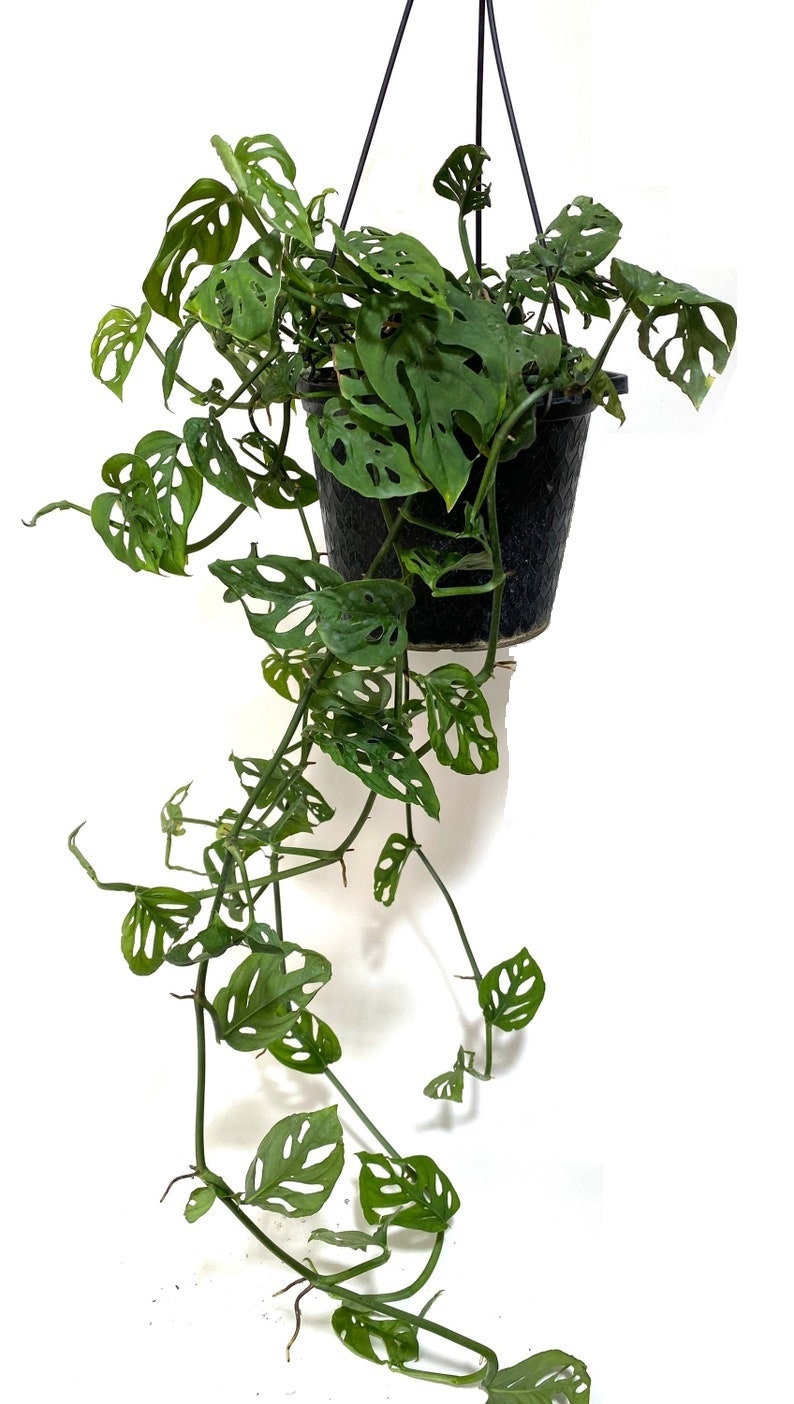
Yes, Monstera can be a hanging plant. These tropical beauties can thrive in hanging baskets with the right care.
Their unique leaves can make a striking display. Monstera plants, known for their iconic split leaves, are popular indoor plants. While typically grown on the ground or with support, they can also adapt to hanging. Placing a Monstera in a hanging basket lets its leaves cascade beautifully, adding a lush, tropical feel to any space.
This unique display not only saves floor space but also brings greenery to eye level. With some care and the right conditions, your Monstera can thrive as a hanging plant. Let’s explore how to do it effectively and ensure your plant remains healthy and vibrant.
Introduction To Monstera
The Monstera plant is a popular choice for indoor gardeners. Its large, glossy leaves and unique patterns add a tropical feel to any space. Many people wonder if Monstera can be a hanging plant. Let’s explore this fascinating plant and its potential.
Popular Varieties
There are several varieties of Monstera, each with its own charm. Below is a table highlighting some popular types:
| Variety | Features |
|---|---|
| Monstera Deliciosa | Large leaves with deep splits and holes. |
| Monstera Adansonii | Smaller leaves with more holes, also known as the Swiss Cheese Plant. |
| Monstera Obliqua | Very delicate leaves with extensive perforations. |
Origins And Growth Habits
Monstera plants originate from the tropical forests of Central and South America. They thrive in warm, humid environments. Monstera is a climbing plant by nature. It uses aerial roots to attach to trees and other structures.
In indoor settings, Monstera can be trained to climb on moss poles or trellises. With careful management, it can also be grown as a hanging plant. Its long stems can trail beautifully from hanging baskets.
To summarize, Monstera plants offer versatility in indoor gardening. They can climb or hang, adding a touch of nature to your home.
Benefits Of Hanging Plants
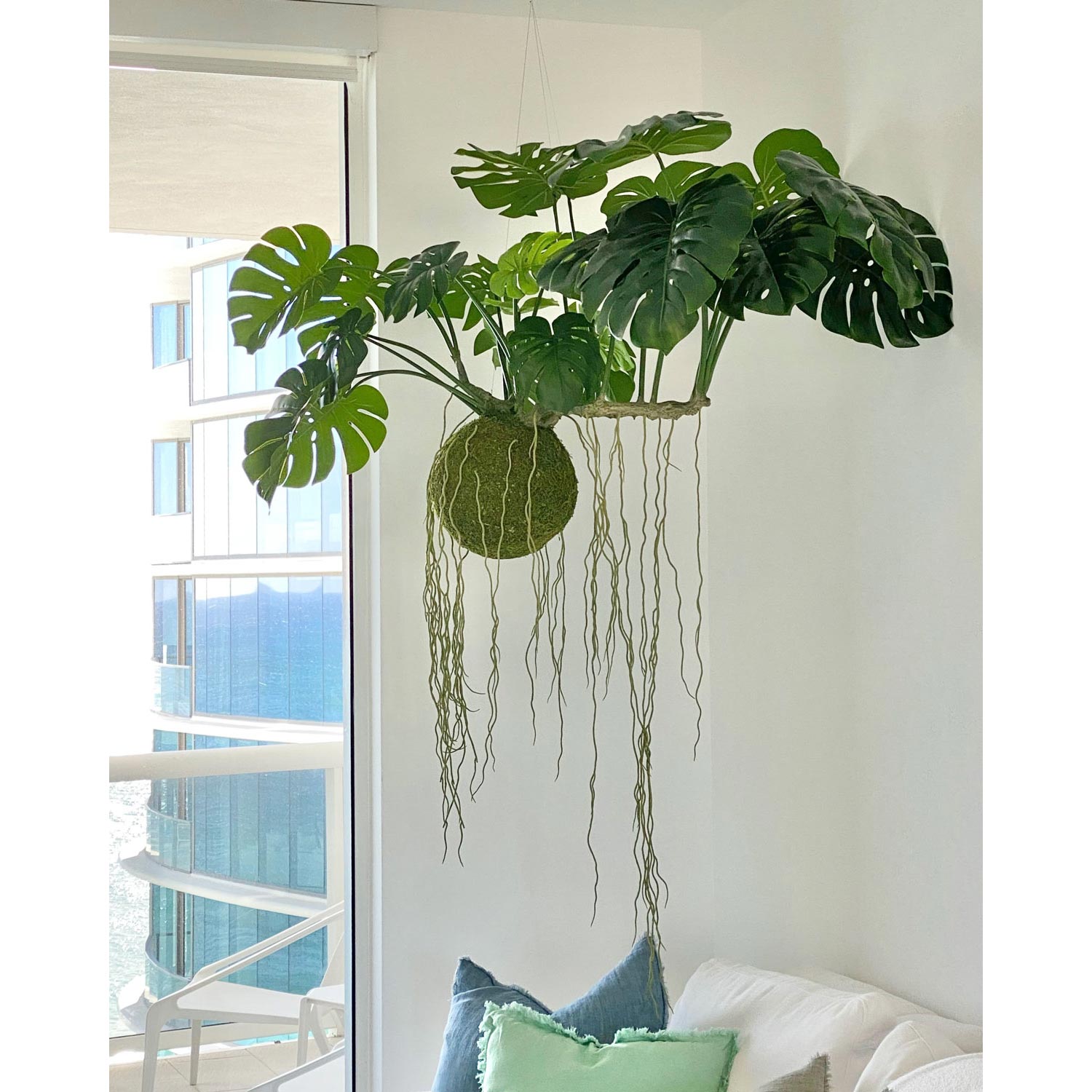
Hanging plants are a fantastic way to bring greenery into your home. They offer numerous benefits that make them a popular choice among plant enthusiasts. Whether you have limited space or simply want to add a touch of nature to your interiors, hanging plants like Monstera can be a great option.
Space-saving Solutions
Hanging plants save valuable floor space. They utilize vertical space, which often goes unused. This makes them ideal for small apartments or rooms. You can place them in corners or near windows without crowding your living area.
Aesthetic Appeal
Hanging plants enhance the aesthetic appeal of any room. They create a lush, green backdrop that is soothing to the eyes. A Monstera hanging plant can be a beautiful focal point, adding texture and interest to your decor. Their cascading leaves create a sense of movement and life.
Monstera As A Hanging Plant
Can Monstera plants be used as hanging plants? Yes, they can. Typically known for their big, split leaves and climbing nature, Monsteras can also thrive in hanging baskets. This unique presentation adds a touch of the wild to your indoor space. Let’s explore how to make Monstera your next hanging plant project.
Growth Characteristics
Monsteras are known for their lush, green leaves. These leaves can grow quite large, creating a stunning visual effect. As hanging plants, their growth habit changes slightly. The stems will trail down, creating a cascading effect. This makes them perfect for hanging baskets.
Monsteras thrive in bright, indirect light. They also need well-draining soil. Water them when the top inch of soil feels dry. With proper care, your Monstera will grow beautifully as a hanging plant.
Ideal Monstera Species
Not all Monstera species are ideal for hanging. Here are the best ones:
- Monstera adansonii: Known as the Swiss Cheese Plant, it has smaller, perforated leaves. This makes it perfect for hanging baskets.
- Monstera obliqua: This species has highly perforated leaves. It looks delicate and beautiful in a hanging basket.
- Monstera siltepecana: This species has silver-green leaves. It trails elegantly, making it a great choice for hanging displays.
These species will give your home a tropical feel. They are easy to care for and will thrive in the right conditions.
Choosing The Right Pot And Hanger
Choosing the right pot and hanger is crucial for a hanging Monstera. The right combination ensures proper growth and stability. Let’s explore the options for pot material and size, and types of hangers.
Pot Material And Size
The material and size of the pot are important for the health of your Monstera. Here are a few considerations:
| Material | Pros | Cons |
|---|---|---|
| Plastic | Lightweight, Affordable | Less Durable, Can Retain Water |
| Clay | Porous, Breathable | Heavy, Breakable |
| Ceramic | Stylish, Durable | Heavy, Expensive |
Pot size is equally important. Choose a pot that is neither too large nor too small. A pot with a diameter of 10-12 inches works well. Ensure it has drainage holes to prevent waterlogging.
Types Of Hangers
Choosing the right hanger is essential for stability and aesthetics. Here are some popular types:
- Macramé Hangers: Stylish and versatile, they add a boho touch.
- Metal Hangers: Durable and sleek, suitable for modern decor.
- Wooden Hangers: Natural look, ideal for rustic settings.
Ensure the hanger is strong enough to support the pot’s weight. Check the hanger’s length to ensure the plant hangs at the desired height.
Installation Tips
Transforming your Monstera into a hanging plant can add charm to your space. Ensuring its stability and finding the right spot are crucial steps. These tips will help you achieve the perfect setup.
Securing The Hanger
Choose a sturdy hanger designed for hanging plants. Ensure it can support the Monstera’s weight. Use a strong ceiling hook or wall bracket. Drill the hook or bracket into a solid support beam. Avoid using drywall alone as it may not hold the weight.
Double-check the hanger’s stability before hanging the plant. Tug gently to ensure it is secure. Safety first. You don’t want the plant falling.
Finding The Perfect Spot
Locate a spot with bright, indirect sunlight. Monstera thrives in such conditions. Avoid placing it in direct sunlight. This can scorch its leaves.
Ensure there’s enough space for the plant to grow. Monstera plants can get large. Consider the plant’s future size. Make sure the spot has good air circulation. This helps prevent fungal issues.
Keep it away from heating and cooling vents. Sudden temperature changes can stress the plant. Finally, choose a spot where you can easily water and care for it. Accessibility is key.
Care And Maintenance
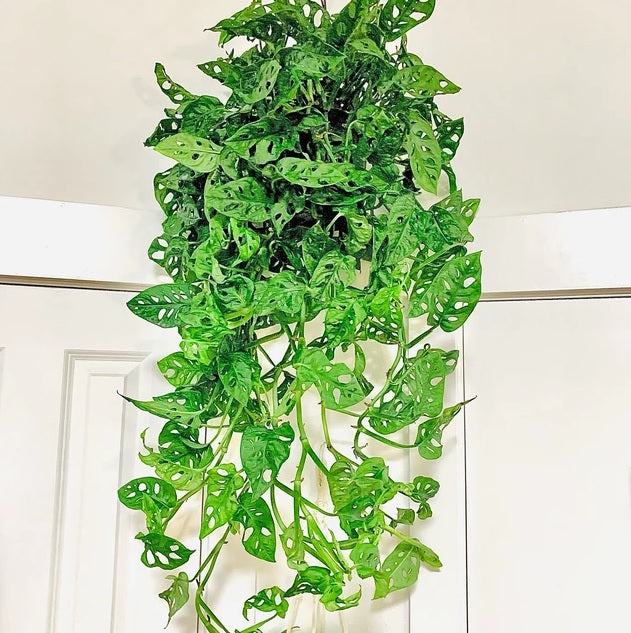
Caring for a Monstera hanging plant requires some attention to detail. With the right care and maintenance, your plant can thrive and add a touch of green to your space.
Watering Needs
Watering is essential for your Monstera. Ensure the soil is moist but not soggy. Overwatering can lead to root rot. It’s best to water when the top inch of soil is dry.
You can use a moisture meter to check the soil’s moisture level. This tool helps you avoid overwatering. Always use a pot with drainage holes to allow excess water to escape.
Pruning Techniques
Pruning your Monstera is vital for its health. Remove yellow or dead leaves to encourage new growth. Use clean, sharp scissors to make cuts at the base of the stem.
You can also trim aerial roots if they grow too long. Aerial roots help the plant cling to surfaces, but they can be pruned if they become unruly.
Here’s a simple guide to pruning:
- Identify yellow or dead leaves.
- Use clean scissors to cut at the base of the stem.
- Trim aerial roots if they are too long.
Regular pruning helps maintain the plant’s shape and promotes healthy growth.
Common Problems And Solutions
Hanging Monstera plants can elevate your home’s aesthetic. Yet, they come with their set of challenges. Knowing common issues and their solutions can keep your Monstera thriving. Below are some frequent problems and how to tackle them effectively.
Pest Control
Monstera plants are prone to pests like spider mites, aphids, and mealybugs. These pests can damage your plant and stunt its growth. Regular inspection is key. Check the undersides of leaves and stems.
- Spider mites: Look for tiny webbing and yellow spots. Use insecticidal soap or neem oil.
- Aphids: Small green or black insects. Spray with water or use insecticidal soap.
- Mealybugs: White, cottony clumps. Dab with alcohol-soaked cotton swabs.
Ensure proper air circulation around your Monstera. It reduces the risk of pests. Clean the leaves regularly with a damp cloth. This removes dust and potential pests.
Dealing With Yellow Leaves
Yellow leaves on your Monstera can indicate several issues. Overwatering is a common cause. Ensure the soil dries out between waterings. Yellowing can also mean poor light conditions. Monstera plants need bright, indirect light.
| Cause | Solution |
|---|---|
| Overwatering | Allow soil to dry out. Check drainage. |
| Underwatering | Water regularly. Soil should be moist. |
| Poor Light | Move to a brighter spot. Avoid direct sunlight. |
| Nutrient Deficiency | Fertilize monthly during growing season. |
If yellow leaves persist, assess the plant’s root health. Root rot from overwatering can be fatal. Trim any dark, mushy roots and repot your Monstera. Use fresh, well-draining soil.
Incorporating Monstera Into Home Decor
Monstera plants are popular for their unique leaves and easy care. They add a touch of nature and elegance to any room. You can get creative with how you display them. Here are some ideas on how to incorporate Monstera into your home decor.
Design Ideas
Monstera plants can be displayed in various ways. They look great in hanging baskets. This saves floor space and adds visual interest. Choose a spot with bright, indirect light. You can also place them on shelves or plant stands. This creates different levels of greenery in your room.
Another idea is to use wall-mounted planters. These planters make the most of vertical space. They also draw the eye upward, making the room feel bigger. Mixing Monstera with other decor items can enhance the overall look.
Complementary Plants
Pairing Monstera with other plants can create a lush, vibrant space. Here are some plants that complement Monstera well:
- Philodendron: Similar care needs and leaf shapes.
- Pothos: Easy to care for and comes in various colors.
- Fiddle Leaf Fig: Adds height and different textures.
- Snake Plant: Low maintenance and contrasts well with Monstera.
- Spider Plant: Adds a touch of light green and has a cascading effect.
Using a mix of these plants can create a dynamic and visually appealing space. Consider the size and growth habits of each plant. This ensures they complement each other well.

Frequently Asked Questions
Can Monstera Be Grown As A Hanging Plant?
Yes, Monstera can be grown as a hanging plant. Its aerial roots and trailing vines make it suitable for hanging baskets.
How Do I Hang A Monstera Plant?
Use a sturdy hook and a well-draining hanging basket. Ensure the plant is securely positioned to prevent it from falling.
What Care Does A Hanging Monstera Need?
A hanging Monstera needs indirect light, regular watering, and occasional pruning. Check the soil moisture frequently to avoid overwatering.
Can Monstera Thrive Indoors As A Hanging Plant?
Yes, Monstera can thrive indoors with proper care. Ensure it gets bright, indirect light and maintain moderate humidity levels.
Conclusion
Monstera can indeed thrive as a hanging plant. Its unique leaves add charm. Ensure proper light and watering for best growth. Regular pruning helps manage its size. Hanging Monsteras save floor space and beautify rooms. Experiment with placement for optimal results.
Enjoy the greenery and elegance it brings. Happy planting!
Leave a Reply