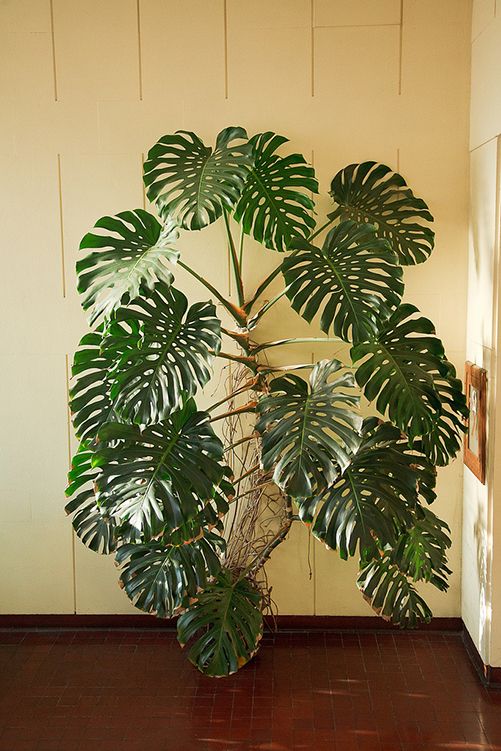
Monstera leaves have holes to help them thrive in their natural habitat. These unique features, called fenestrations, serve several important functions for the plant.
Monstera plants, often known as Swiss cheese plants, are popular houseplants admired for their striking leaves. But have you ever wondered why their leaves have holes? This fascinating feature isn’t just for show. In the dense, tropical forests where Monsteras originate, these holes play a crucial role.
They allow light to reach the lower leaves and let rainwater pass through, preventing damage. This adaptation helps the plant grow bigger and stronger. Understanding the purpose behind these holes can deepen your appreciation for this beautiful plant. Let’s explore the reasons behind Monstera’s unique leaf design.
Introduction To Monstera Plants
Monstera plants, also known as the Swiss cheese plant, are popular houseplants. Their unique leaves with holes set them apart. These tropical plants are native to the rainforests of Central America. The holes in their leaves have fascinated plant enthusiasts for years.
Origins Of Monstera
The Monstera plant originates from the dense rainforests of southern Mexico and Panama. In the wild, these plants grow under the canopy of tall trees. They adapt to low light conditions and high humidity. The holes in their leaves allow light to reach the lower parts of the plant. This adaptation helps them survive in their natural habitat.
Popularity In Modern Homes
Monstera plants have become a favorite in modern homes. They are easy to care for and can thrive in indoor environments. Their large, holey leaves add a touch of the tropics to any room. Many people love them for their unique and exotic look.
These plants also improve indoor air quality. They absorb toxins and release oxygen, making your home healthier. The Monstera’s popularity continues to grow as more people discover its beauty and benefits.
Unique Leaf Structure
The unique leaf structure of the Monstera plant makes it stand out. Its leaves have holes, which are known as fenestrations. This distinctive feature has fascinated botanists and plant enthusiasts alike.
Characteristics Of Monstera Leaves
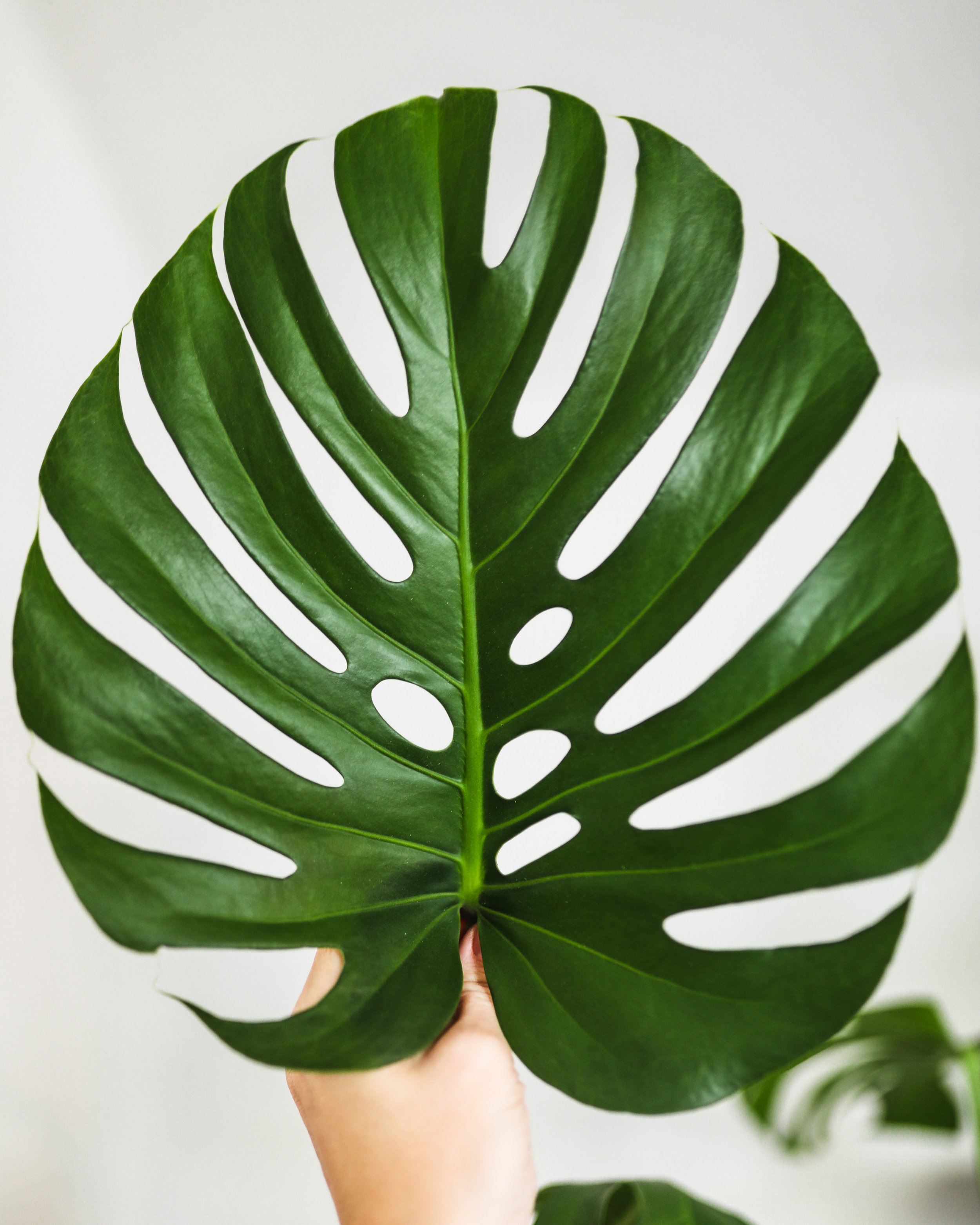
Monstera leaves are large and glossy. They can grow up to 3 feet long. The holes in the leaves can vary in size and shape. Some leaves have small, round holes. Others have long, slotted holes. These holes are not random. They follow a specific pattern.
Monstera leaves are also thick and leathery. This helps them withstand strong winds. The plant is native to tropical forests. The holes allow light to reach lower leaves. This is important for photosynthesis.
Comparison With Other Plants
Monstera leaves are unique compared to other plants. Most plants have solid leaves. For example, the Fiddle Leaf Fig has large, solid leaves. Snake Plants have long, solid leaves. They do not have holes like Monstera.
Some plants have a different type of leaf structure. The Swiss Cheese Plant, also a Monstera, has similar holes. But the holes are more irregular. Another example is the Split-Leaf Philodendron. Its leaves split along the edges. But they do not have holes in the middle.
The holes in Monstera leaves offer several benefits. They help reduce wind resistance. This is useful in tropical storms. They also allow rain to pass through. This prevents water damage to the leaves.
| Plant | Leaf Structure |
|---|---|
| Monstera | Large, glossy, with holes |
| Fiddle Leaf Fig | Large, solid leaves |
| Snake Plant | Long, solid leaves |
| Swiss Cheese Plant | Irregular holes |
| Split-Leaf Philodendron | Split edges, no holes |
In summary, Monstera leaves are truly unique. Their distinctive holes provide multiple advantages. This feature sets them apart from many other plants.
Natural Habitat Influence
Monstera plants are fascinating. Their unique leaf holes or “fenestrations” are not just for beauty. These holes have a functional purpose linked to their natural habitat. Understanding the influence of their natural habitat can help you care for them better.
Tropical Rainforest Environment
Monstera plants come from tropical rainforests. These rainforests are dense and lush. The thick canopy allows little light to reach the ground. The air is humid and the soil is rich. This environment shapes the growth of Monstera leaves.
In the wild, Monstera plants climb trees. They use their roots to anchor and grow upwards. The leaf holes help them adapt to their surroundings. They allow light and water to pass through. This ensures the plant gets enough resources.
Adaptation To Low Light
In the rainforest, sunlight is precious. The canopy blocks most of it. Monstera leaves with holes can capture more light. The holes let light reach lower leaves. This maximizes the plant’s photosynthesis process.
Low light adaptation is key for Monstera survival. The holes also help the plant withstand strong winds. The wind passes through the leaves, reducing damage. This is crucial in storm-prone rainforests.
| Environmental Factor | Monstera Adaptation |
|---|---|
| Dense Canopy | Leaf holes for light penetration |
| Strong Winds | Holes reduce wind resistance |
| Heavy Rainfall | Holes prevent water damage |
- Dense canopy: Holes help light reach lower leaves.
- Strong winds: Holes reduce wind resistance, preventing leaf tears.
- Heavy rainfall: Holes prevent water pooling, reducing leaf damage.
Role Of Leaf Holes
Monstera leaves are unique with their holes and splits. These holes are not just for looks. They play important roles in the plant’s survival. Let’s explore the benefits of these leaf holes.
Water Drainage Benefits
Monstera leaves have holes that help with water drainage. When it rains, water flows through the holes. This helps prevent water from pooling on the leaves. Too much water on leaves can cause damage. The holes help keep the leaves healthy and strong.
Wind And Weather Resistance
The holes in Monstera leaves also help with wind resistance. Strong winds can tear large leaves. But with holes, the wind passes through more easily. This reduces the risk of damage. The leaves can bend and move without breaking.
These holes also protect the plant from harsh weather. In storms, the leaves can withstand the force better. They are less likely to be torn apart. This makes the Monstera a hardy plant, able to survive in tough conditions.
Photosynthesis Efficiency
Monstera leaves are famous for their unique holes. But why do these holes exist? One key reason is to improve photosynthesis efficiency. This process is essential for the plant’s growth and survival.
Maximizing Light Absorption
The holes in Monstera leaves help in maximizing light absorption. They allow sunlight to reach more parts of the leaf. This way, the plant can use sunlight more effectively.
Leaves with holes can also spread out more. They can cover a larger area without overlapping. This reduces shade and increases the amount of light each leaf receives.
Energy Distribution In Leaves
The holes in Monstera leaves aid in energy distribution. They help distribute the energy more evenly across the leaf. This means the plant can produce food more efficiently.
Also, the holes reduce the amount of material the plant needs to create leaves. This allows the plant to save energy. It can then use this saved energy for other important functions.

Evolutionary Advantages
The unique holes in Monstera leaves, also known as fenestrations, are more than just beautiful. These holes offer several evolutionary advantages that have helped the Monstera plant thrive in its natural habitat. Let’s explore these advantages under different aspects.
Survival Mechanisms
One of the main survival mechanisms of Monstera leaves is their ability to withstand strong winds. The holes reduce the surface area of the leaf, allowing wind to pass through more easily. This means the plant is less likely to be damaged during storms.
Another survival advantage is related to light. In dense tropical forests, light is limited. The holes allow sunlight to reach lower leaves, ensuring the entire plant receives enough light to perform photosynthesis.
Competition For Resources
The unique leaf structure of Monstera also helps in the competition for resources. With holes in their leaves, Monstera plants can cover more ground area while using fewer resources. This is particularly important in nutrient-poor soils where resource conservation is key.
The holes also help in water management. Rainfall in tropical forests can be intense. The holes allow rainwater to pass through, preventing water from pooling on the leaves. This reduces the risk of fungal infections and leaf rot, further helping the plant to survive and thrive.
Human Interaction And Cultivation
Monstera plants have gained popularity in homes worldwide. These unique plants are known for their striking leaves with holes. Human interaction and cultivation play a significant role in their growth and appearance. Proper care ensures their iconic look while common mistakes can hinder their development.
Cultivating Monstera At Home
Growing Monstera at home is rewarding. They thrive in bright, indirect light. Too much direct sunlight can scorch their leaves. Indoor conditions suit them well. They enjoy humidity and well-draining soil. Regular watering keeps them healthy. Avoid overwatering to prevent root rot. Fertilize monthly during the growing season. This boosts their growth and helps develop those characteristic holes.
Common Care Mistakes
Many people make common care mistakes with Monstera plants. Overwatering is a frequent issue. It can lead to root rot and yellow leaves. Underwatering is also harmful. It causes dry, crispy leaves. Providing too much direct sunlight can damage the plant. Its leaves may develop brown spots. Using the wrong soil type is another mistake. Monstera needs well-draining soil to thrive. Neglecting to provide humidity can also affect their growth. Misting the leaves or using a humidifier can help. Proper care ensures Monstera plants stay healthy and develop their iconic holes.

Frequently Asked Questions
Why Do Monstera Leaves Develop Holes?
Monstera leaves develop holes to allow light to reach lower leaves. This adaptation helps them thrive in dense rainforests.
How Do Monstera Leaves Get Their Holes?
Monstera leaves get their holes through a natural process called fenestration. This process occurs as the plant matures.
Do All Monstera Plants Have Holes?
Not all Monstera plants have holes. Young Monstera leaves may not have holes, but develop them as they age.
Are Holes In Monstera Leaves A Sign Of Health?
Yes, holes in Monstera leaves can indicate a healthy, mature plant. They signify proper growth and adaptation.
Conclusion
Monstera leaves have holes for several reasons. These holes help the plant thrive. They allow more light to pass through. This supports growth in dense forests. Holes also help the leaves avoid damage. Water and wind can pass through easily.
This reduces stress on the plant. Monstera’s unique design aids its survival. Understanding this can deepen your appreciation. Monstera plants are fascinating and resilient. Their holey leaves are a testament to nature’s ingenuity. So next time you see a Monstera, remember its clever adaptations.
Leave a Reply