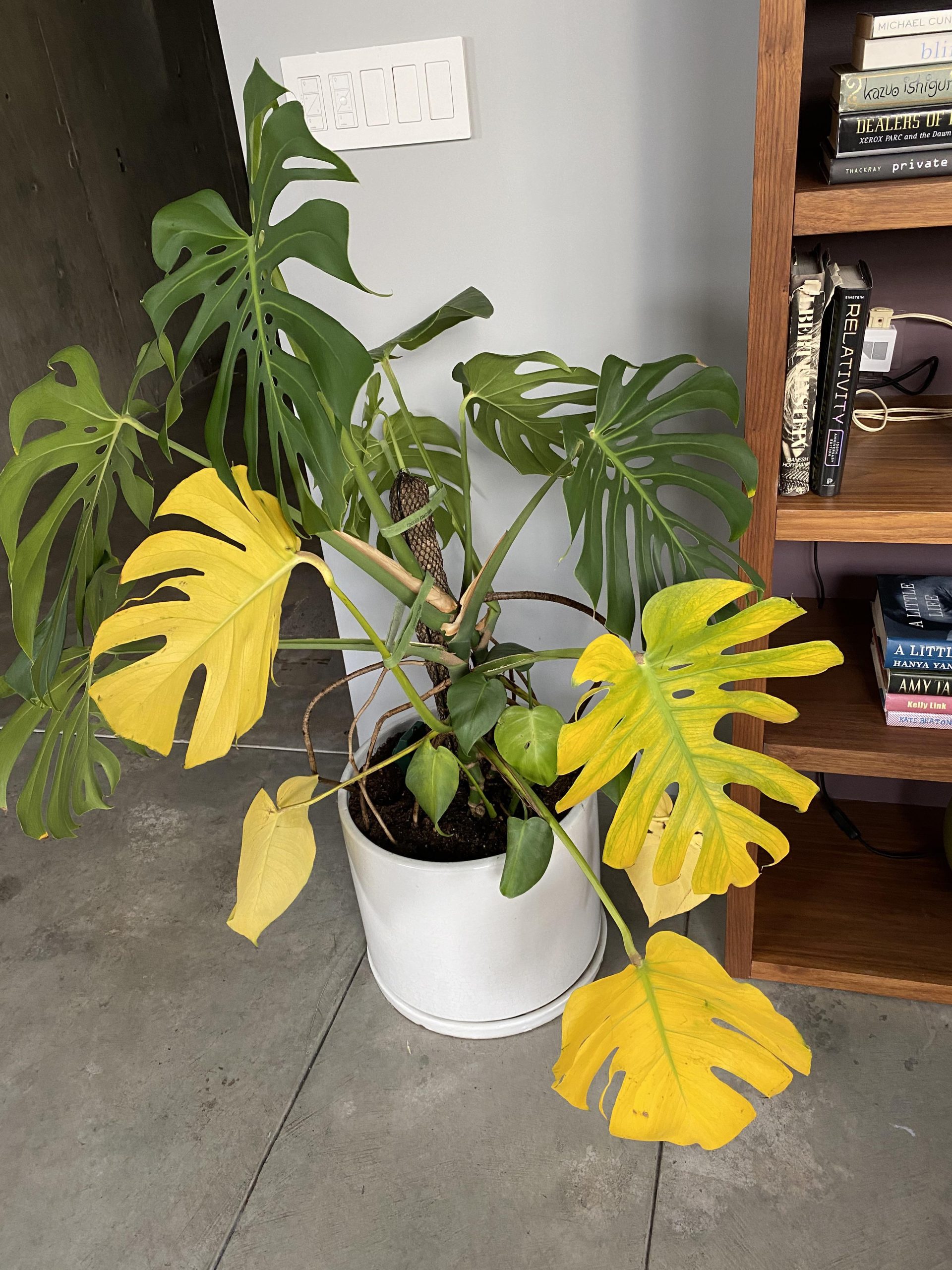
Monstera leaves can turn yellow for several reasons. It’s a common issue for plant owners.
Yellowing leaves can be frustrating. Your lush, green Monstera turning yellow is a signal. It means something is wrong with the plant. It could be due to overwatering, underwatering, or lack of nutrients. Sometimes, it’s a sign of pests or disease.
Understanding the cause is key to fixing the problem. This blog post will help you identify the reasons for yellow leaves. We’ll explore the common causes and solutions. Keep reading to bring back the vibrant green to your Monstera leaves.
Common Causes
Monstera plants are popular for their unique, large leaves. These leaves can sometimes turn yellow. Understanding the common causes helps keep your plant healthy. Below are some reasons for yellowing leaves.
Overwatering
Overwatering is a frequent cause of yellow Monstera leaves. When roots sit in water, they cannot breathe. This leads to root rot. Root rot is a condition where the roots become damaged and mushy. The plant cannot absorb nutrients properly, causing leaves to turn yellow. Avoid watering your Monstera too often. Let the top inch of soil dry out before watering again.
Underwatering
Underwatering can also cause yellow leaves. Monstera plants need consistent moisture. If the soil stays dry for too long, the plant becomes stressed. This stress leads to yellow leaves. Check the soil regularly. Water your plant when the top inch feels dry. Ensure the water reaches the roots. This helps maintain healthy, green leaves.
Nutrient Deficiency
One common reason why Monstera leaves go yellow is nutrient deficiency. Plants need specific nutrients to thrive. When they don’t get enough, they show signs, like yellowing leaves. Let’s explore two key nutrients: Nitrogen and Magnesium.
Lack Of Nitrogen
Nitrogen is vital for healthy, green leaves. It helps in photosynthesis and growth. If your Monstera lacks nitrogen, you may see yellowing leaves starting from the bottom. This is because the plant moves nitrogen to newer leaves.
Here are some signs of nitrogen deficiency:
- Older leaves turn yellow first
- Slow growth
- Pale green appearance
To fix this, you can use a balanced fertilizer. Make sure it has a high nitrogen content. Follow the instructions carefully to avoid over-fertilizing.
Lack Of Magnesium
Magnesium is another important nutrient. It plays a role in chlorophyll production. Without enough magnesium, Monstera leaves may turn yellow between the veins. This condition is called interveinal chlorosis.
Signs of magnesium deficiency include:
- Yellowing between leaf veins
- Leaf edges remain green
- Older leaves affected first
You can treat magnesium deficiency with Epsom salts. Dissolve a tablespoon in a gallon of water. Then, water your plant with this solution once a month.
Always ensure your Monstera gets the right nutrients. This helps it stay healthy and vibrant.
Light Issues
Light is one of the main factors affecting the health of Monstera leaves. Monstera plants need the right amount of light to thrive. Too little or too much light can cause their leaves to turn yellow. Let’s explore the common light issues that can lead to yellowing leaves.
Insufficient Light
Monstera plants need bright, indirect light. If they don’t get enough light, their leaves may turn yellow. In low light, the plant struggles to photosynthesize properly. This can cause yellow leaves. Place your Monstera near a window with filtered sunlight. Avoid dark corners or rooms with little natural light.
Excessive Light
Too much light can also harm Monstera leaves. Direct sunlight can scorch the leaves, making them yellow. Monstera plants prefer indirect light. If placed in direct sunlight, the leaves can burn. Move your Monstera to a spot with bright, but filtered light. Sheer curtains can help diffuse the sunlight.
Pest Infestation
Pest infestation is a common reason for Monstera leaves turning yellow. These pests feed on the plant, causing damage and stress. Identifying and managing these pests can help keep your Monstera healthy.
Common Pests
Several pests target Monstera plants. Some of the most common ones include spider mites, scale insects, and mealybugs. Spider mites are tiny and often go unnoticed. Scale insects appear as small, brown bumps on the stems and leaves. Mealybugs are white and fluffy and can be seen on the underside of leaves.
Damage Symptoms
Pests cause visible damage to Monstera leaves. Yellowing is one of the first signs. Other symptoms include speckled leaves, sticky residue, and webbing. Severely damaged leaves may also wilt or become distorted. Early detection and treatment are crucial to save the plant.
Soil Problems
Monstera leaves turning yellow can be alarming for plant owners. One common cause is soil problems. Ensuring the soil is in optimal condition is crucial for your Monstera’s health. Let’s explore some key soil issues that could lead to yellowing leaves.
Poor Drainage
Poor drainage can cause the roots to sit in water for too long. This leads to root rot, which causes yellow leaves. To improve drainage:
- Use pots with drainage holes.
- Add a layer of pebbles at the bottom of the pot.
- Mix soil with perlite or sand to enhance aeration.
Avoid placing the pot on a saucer that collects excess water. This prevents the roots from getting oxygen.
Wrong Ph Levels
The pH level of the soil can also affect your Monstera. Monsteras prefer slightly acidic to neutral soil, with a pH between 5.5 and 7.0.
| pH Level | Effect on Monstera |
|---|---|
| Below 5.5 | Too acidic; affects nutrient uptake |
| Above 7.0 | Too alkaline; hinders growth |
Use a pH tester to check the soil. If needed, adjust the pH by adding lime to raise it or sulfur to lower it.
:max_bytes(150000):strip_icc()/Why-Are-My-Monstera-Leaves-Turning-Yellow-b2cd94a10c184ae6a214790c893344f7.jpg)
Temperature Stress
Monstera leaves turning yellow can be a sign of temperature stress. Sudden changes in temperature can harm your plant. Both cold and heat can cause yellowing leaves. Understanding these stresses is key to maintaining a healthy Monstera.
Cold Damage
Cold damage is a common reason for yellow Monstera leaves. Monsteras thrive in warm climates. Exposure to temperatures below 50°F (10°C) can stress the plant.
Cold damage can occur in various ways:
- Placing the plant near drafty windows.
- Leaving it outside during a cold night.
- Sudden temperature drops indoors.
Signs of cold damage include:
| Symptom | Description |
|---|---|
| Yellow Leaves | Leaves turn yellow and may drop off. |
| Wilting | Leaves appear limp and lifeless. |
| Dark Patches | Brown or black spots appear on leaves. |
Heat Stress
Heat stress can also turn Monstera leaves yellow. Monsteras prefer temperatures between 65-85°F (18-29°C). High temperatures can cause stress and yellowing leaves.
Heat stress can occur due to:
- Direct sunlight for extended periods.
- Placing near heating vents.
- High indoor temperatures in summer.
Symptoms of heat stress include:
- Yellowing leaves, starting at the edges.
- Brown, crispy leaf tips.
- Increased water needs.
To prevent heat stress:
- Move the plant to a shadier spot.
- Keep it away from heat sources.
- Ensure proper watering and humidity.
Water Quality
Water quality greatly affects the health of Monstera leaves. Poor water quality can cause yellowing leaves. This problem often goes unnoticed. Let’s explore two common water quality issues.
Chlorine In Water
Chlorine can be harmful to Monstera leaves. Tap water usually contains chlorine. This chemical helps keep water safe for drinking. But it can damage plants. Chlorine can build up in the soil. This can lead to yellow leaves. Using filtered or distilled water can help.
Hard Water Issues
Hard water contains high levels of minerals. Calcium and magnesium are the main culprits. These minerals can cause a buildup in the soil. This buildup affects the plant’s ability to absorb nutrients. Yellowing leaves may follow. To avoid this, use rainwater or filtered water.
Effective Solutions
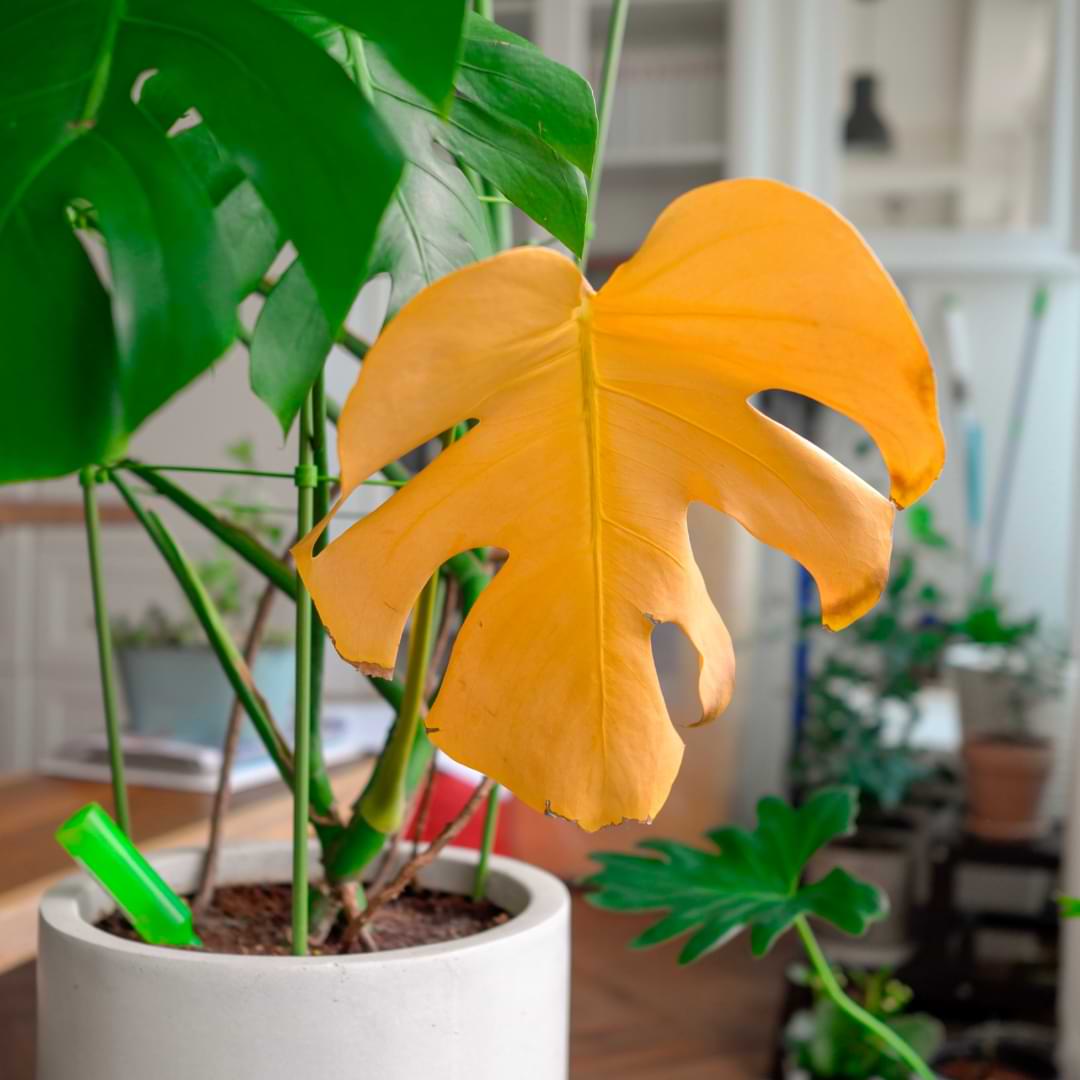
Monstera plants are popular for their unique, beautiful leaves. But sometimes, these leaves can turn yellow. This can be concerning for plant owners. Thankfully, there are effective solutions to fix this problem. Let’s explore proper watering techniques and optimal fertilization to keep your Monstera healthy and green.
Proper Watering Techniques
Watering your Monstera correctly is crucial. Overwatering or underwatering can cause yellow leaves. Water the plant only when the top inch of soil is dry. Use your finger to check the soil moisture. This helps prevent overwatering.
Ensure the pot has good drainage. Water should not sit at the bottom. This can lead to root rot. Always empty the saucer under the pot after watering. This ensures excess water doesn’t harm the roots.
Consider the plant’s environment. Monstera plants prefer humid conditions. If the air is dry, mist the leaves regularly. This helps maintain humidity around the plant.
Optimal Fertilization
Fertilizing your Monstera is important for its health. Use a balanced, water-soluble fertilizer. Apply it every month during the growing season. This provides the necessary nutrients for healthy growth.
Avoid over-fertilizing. Too much fertilizer can burn the roots and cause yellow leaves. Follow the instructions on the fertilizer package. This ensures you use the correct amount.
Check the soil pH. Monstera plants prefer slightly acidic to neutral soil. A pH between 5.5 and 7 is ideal. Use a soil pH tester to monitor and adjust if needed.
By following these steps, you can keep your Monstera leaves vibrant and green. Proper care and attention are key to a healthy plant.
Frequently Asked Questions
Why Do Monstera Leaves Turn Yellow?
Monstera leaves turn yellow due to overwatering, poor drainage, or lack of nutrients. Ensure proper watering and well-draining soil.
How Can I Fix Yellow Monstera Leaves?
To fix yellow Monstera leaves, adjust your watering schedule, improve drainage, and ensure proper light. Check for pests.
Is Yellowing Of Monstera Leaves Normal?
Yellowing of Monstera leaves can be normal due to aging. However, if many leaves yellow, investigate further.
Can Yellow Monstera Leaves Recover?
Yellow Monstera leaves rarely recover. Focus on preventing new leaves from yellowing by adjusting care routines.
Conclusion
Yellowing Monstera leaves can signal various issues. Proper care is essential. Ensure adequate light, water, and nutrients. Inspect for pests regularly. Adjust care routines as needed. Healthy Monstera plants thrive with attention. Watch for signs and act quickly. Your Monstera will thank you with lush, green leaves.
Happy gardening!
Leave a Reply