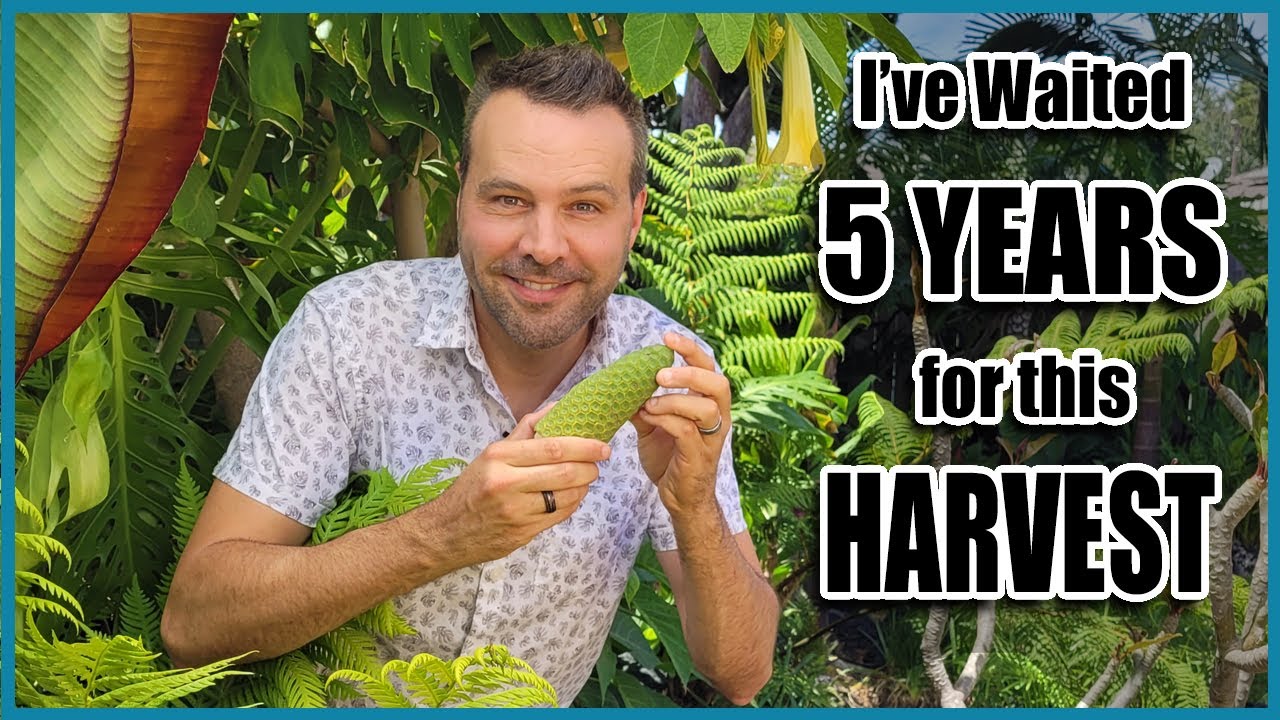
Monstera Deliciosa, also known as the Swiss Cheese Plant, is famous for its unique leaves. But, how often does this tropical plant bear fruit?
Monstera Deliciosa fruits once a year, typically in its natural habitat. This plant needs specific conditions to fruit regularly, including the right temperature and humidity. In a home environment, it can be challenging to replicate these conditions, making fruiting less predictable.
Understanding the factors that influence fruiting can help you care for your Monstera Deliciosa better. In this post, we’ll explore what you need to know about the fruiting cycle of this fascinating plant. Discover how to encourage your Monstera to bear fruit and enjoy its unique, delicious produce.
Introduction To Monstera Deliciosa
The Monstera Deliciosa is a popular houseplant known for its unique leaves. Its leaves have natural holes that give it a distinct look. But there’s more to this plant than just its appearance.
Plant Characteristics
Monstera Deliciosa is part of the Araceae family. It is an evergreen climbing plant with large, glossy leaves. These leaves can grow up to 3 feet long. The holes in the leaves are called fenestrations. They help the plant withstand strong winds and heavy rain.
- Height: Can reach up to 10-15 feet indoors
- Leaf size: Up to 3 feet long and 2 feet wide
- Growth rate: Fast, especially in warm and humid conditions
Origin And Habitat
Monstera Deliciosa is native to tropical forests of Central America. It thrives in warm, humid climates. In its natural habitat, the plant grows under the canopy of large trees. It uses its aerial roots to climb and reach sunlight.
| Region | Climate |
|---|---|
| Central America | Tropical |
Understanding the plant’s origin helps in caring for it. Providing a similar environment can promote healthy growth and fruiting.

Monstera Deliciosa Fruit
The Monstera Deliciosa fruit, often called the “fruit salad plant,” is a rare tropical treat. This unique fruit is not only delicious but also packed with nutrients. It is a fascinating addition to any plant lover’s collection.
Appearance And Taste
The Monstera Deliciosa fruit is long and green, resembling a corn cob. As it ripens, the outer layer falls away, revealing white, edible flesh. This flesh has a sweet taste, like a mix of pineapple and banana. The texture is creamy, making it a delightful snack.
Nutritional Benefits
Monstera Deliciosa fruit is a good source of vitamin C. This helps boost the immune system. It also contains potassium, which supports heart health. The fruit has high fiber content, aiding digestion. Enjoying this fruit can be both tasty and beneficial for your health.
Growth Conditions
Monstera Deliciosa, a tropical plant, is famous for its delicious fruit. Knowing the growth conditions helps ensure your plant thrives and fruits regularly. Let’s explore the optimal climate and soil and water requirements for Monstera Deliciosa.
Optimal Climate
Monstera Deliciosa loves a warm, humid environment. The ideal temperature range is between 68°F and 86°F (20°C – 30°C). This plant cannot tolerate frost, so indoor growth is best in cooler regions. Humidity levels should be around 60% or higher. Low humidity can stunt growth and reduce fruiting.
Soil And Water Requirements
Use a well-draining, nutrient-rich soil. A mix of peat, pine bark, and perlite works well. This combination ensures good drainage and retains enough moisture. Water the plant thoroughly when the top inch of soil feels dry. Overwatering can lead to root rot, which harms the plant.
| Condition | Details |
|---|---|
| Temperature | 68°F – 86°F (20°C – 30°C) |
| Humidity | 60% or higher |
| Soil | Peat, Pine Bark, Perlite mix |
| Watering | Water when top inch of soil is dry |
Maintaining these growth conditions ensures your Monstera Deliciosa stays healthy and produces fruit.

Flowering Cycle
The Monstera Deliciosa, also known as the Swiss Cheese Plant, is famous for its large, perforated leaves. But did you know it also produces unique flowers and fruits? Understanding the flowering cycle of this plant is crucial for those hoping to see it bloom and fruit.
When They Bloom
Monstera Deliciosa typically blooms once it matures. This usually happens when the plant is around three years old. The blooming period often occurs during the warmer months. In tropical environments, the plant may bloom year-round.
Factors Affecting Blooming
Several factors can influence the blooming of Monstera Deliciosa. Proper lighting is crucial. The plant needs bright, indirect light to thrive. Too much direct sunlight can scorch the leaves, while too little light can hinder blooming.
Temperature and humidity also play a role. Monstera Deliciosa prefers warm temperatures and high humidity levels. Consistent watering, but not overwatering, is essential. The soil should remain moist but not waterlogged. Using a well-draining potting mix helps maintain the right moisture balance.
Nutrient availability is another key factor. Regular feeding with a balanced fertilizer can encourage blooming. Repotting the plant every few years ensures it has enough space to grow and access to fresh nutrients.
Fruit Development
Monstera Deliciosa, also known as the Swiss cheese plant, is famous for its large, perforated leaves. But did you know this plant can also produce delicious fruit? Understanding the fruit development process of Monstera Deliciosa can be intriguing. Let’s dive into the key stages.
Pollination Process
The journey of Monstera Deliciosa fruit begins with pollination. These plants are typically pollinated by insects in their natural habitat. When grown indoors, hand pollination may be necessary. This involves transferring pollen from the male to the female flower parts. Proper pollination ensures fruit development starts on the right track.
Time From Flower To Fruit
Once pollination occurs, the fruit development phase begins. It can take several months for a Monstera Deliciosa fruit to mature. The time from flower to fruit usually ranges between 10 to 12 months. Patience is key during this period. You will notice the fruit gradually growing in size and changing color as it matures.
During these months, it is crucial to maintain consistent care. Ensure the plant receives adequate light, water, and nutrients. Healthy plant conditions directly impact the quality and taste of the fruit. Once fully ripened, the fruit’s unique, sweet flavor makes the wait worthwhile.
Annual Fruit Yield
Monstera Deliciosa, also known as the Swiss Cheese Plant, produces unique fruit. The annual fruit yield of this plant can vary. This section will explore the typical frequency of Monstera fruiting and how it varies by region.
Typical Frequency
Monstera Deliciosa usually fruits once a year. Each mature plant can bear one to three fruits. The fruiting time depends on the growing conditions. With ideal care, the plant can produce fruit consistently every year. Adequate sunlight, water, and nutrients are key to regular fruiting.
Variations By Region
The frequency of Monstera fruiting can vary by region. In tropical areas, the plant may fruit more often. Warm temperatures and high humidity favor fruit production. In cooler climates, the plant might fruit less frequently. Indoor-grown Monsteras can also produce fruit, but the yield might be lower. Optimal indoor conditions are crucial for fruiting. Proper light, temperature, and humidity levels should be maintained.
Maximizing Fruit Production
Maximizing fruit production in Monstera Deliciosa requires proper care and attention. This tropical plant can produce fruit, but it needs the right conditions. With the right steps, you can enjoy the unique and delicious Monstera fruit more often.
Pruning And Care Tips
Regular pruning helps the plant grow strong and healthy. Remove yellow or damaged leaves. This allows the plant to focus its energy on new growth. Use clean, sharp scissors to avoid infections.
Watering is crucial. Keep the soil moist, but not waterlogged. Overwatering can lead to root rot. Use well-draining soil to prevent excess water. Place the plant in bright, indirect sunlight. Too much direct sun can scorch the leaves.
Feed the Monstera with a balanced fertilizer every month. This provides essential nutrients for growth and fruit production. Support the plant with a moss pole. This helps it climb and strengthens its structure.
Common Challenges
One common challenge is pests. Watch for insects like spider mites and scale. Use insecticidal soap to treat infestations. Another issue is overwatering. Always check the soil before watering.
Temperature and humidity play a role. Keep the plant in a warm room. Ensure humidity levels are high. Low humidity can cause leaf damage. Use a humidifier if needed.
Sometimes, the plant may not flower. This can be due to insufficient light. Ensure it gets enough light to encourage blooming. Patience is key. The plant may take a few years to produce fruit. With proper care, your Monstera can thrive and produce delicious fruit.
Harvesting And Using The Fruit
Harvesting the Monstera Deliciosa fruit is a delightful experience for many plant enthusiasts. This tropical fruit is not only unique in its appearance but also in its taste. Knowing the right time to harvest and the best ways to use it can enhance your gardening journey.
Identifying Ripe Fruit
The Monstera Deliciosa fruit has a unique ripening process. It is important to identify when the fruit is ready for harvesting. Look for a change in the color of the fruit. A ripe Monstera fruit will start to turn a light green or yellow shade. The scales or hexagonal sections will also begin to lift away from the fruit, revealing the edible flesh inside. You should also notice a sweet aroma when the fruit is ripe.
To make it easier, here is a simple table to identify ripe Monstera Deliciosa fruit:
| Signs of Ripeness | Description |
|---|---|
| Color Change | Light green or yellow |
| Scale Lift | Hexagonal sections start lifting |
| Sweet Aroma | Noticeable sweet smell |
Culinary Uses
The Monstera Deliciosa fruit is versatile in the kitchen. Its taste resembles a mix of pineapple and banana. Here are some popular culinary uses:
- Fresh Consumption: Eat the fruit raw after peeling off the scales.
- Fruit Salads: Add it to your favorite fruit salad recipes.
- Smoothies: Blend it into smoothies for a tropical twist.
- Desserts: Use it in desserts like tarts or cakes.
Remember to consume the fruit in moderation. Overeating can lead to stomach discomfort.

Frequently Asked Questions
How Often Do Monstera Deliciosa Produce Fruit?
Monstera Deliciosa plants typically produce fruit once a year. The exact frequency can vary based on growing conditions. Proper care and optimal conditions are essential for regular fruiting.
What Conditions Are Needed For Monstera Fruiting?
Monstera Deliciosa needs bright, indirect light and high humidity to fruit. Consistent watering and well-draining soil are crucial. Fertilize regularly for best results.
How Long Does It Take For Monstera Fruit To Ripen?
Monstera Deliciosa fruit takes about 10-12 months to fully ripen. The fruit is ready when the scales start to fall off. Patience is key.
Can Monstera Fruit Be Eaten?
Yes, Monstera Deliciosa fruit is edible and tastes like a mix of pineapple and banana. However, only consume fully ripe fruit to avoid irritation.
Conclusion
Monstera Deliciosa fruiting depends on various factors. Patience is key for growth. Ensure proper care and conditions. Regular watering and light help. With time, you might see fruit. Enjoy the process and beauty. Happy gardening!
Leave a Reply