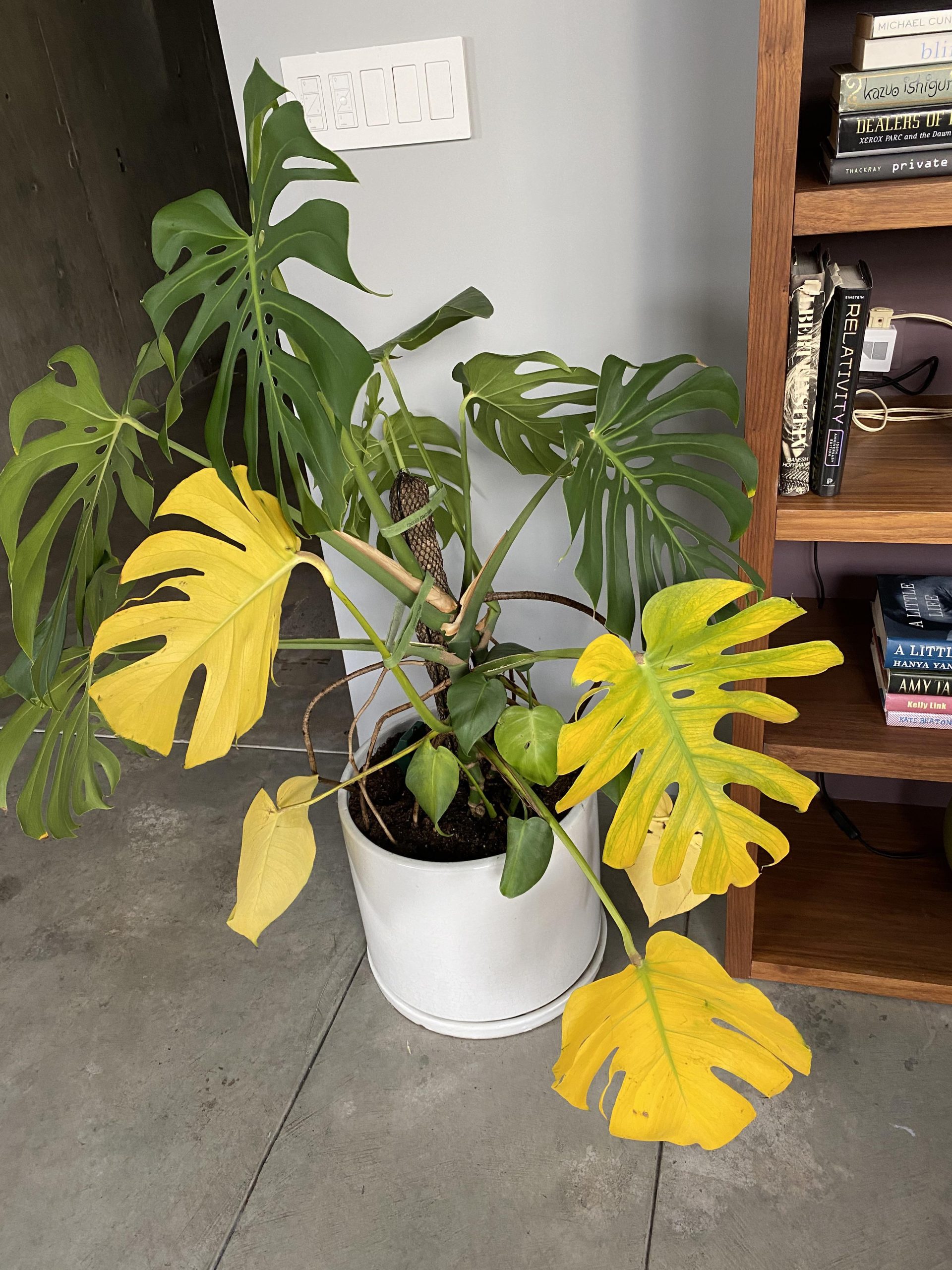
Monstera leaves turning yellow can be a cause for concern. This issue often signals that something is wrong with the plant’s environment or care.
Yellowing leaves on your Monstera can be frustrating. This beautiful plant, known for its large, split leaves, is usually a hardy choice for indoor gardening. Yet, even the most resilient plants can encounter problems. Yellow leaves may indicate various issues, such as improper watering, inadequate lighting, or nutrient deficiencies.
Understanding the possible reasons for this color change can help you take the right steps to restore your Monstera’s health. In this post, we’ll explore the common causes and offer practical solutions to keep your plant thriving. Stay with us to learn how to keep your Monstera looking its best.
Common Causes
Are your Monstera leaves turning yellow? This issue can be alarming for plant owners. The causes are often related to care practices. Let’s explore the common causes of yellowing Monstera leaves.
Overwatering
Overwatering is a frequent cause of yellow leaves. Too much water can lead to root rot. When roots can’t breathe, they fail to supply nutrients. This results in yellow leaves.
Signs of overwatering include:
- Yellowing leaves
- Mushy stems
- Foul smell from soil
To prevent overwatering, ensure proper drainage. Use pots with drainage holes. Allow the soil to dry between waterings.
Underwatering
Underwatering can also cause yellow leaves. When the plant doesn’t get enough water, it becomes stressed. This stress can lead to yellowing leaves.
Signs of underwatering include:
- Dry, crispy leaves
- Soil pulling away from pot edges
- Leaf drop
To avoid underwatering, water the Monstera when the top inch of soil is dry. Check the soil regularly to maintain the right moisture level.
Nutrient deficiency is another common cause. Monstera plants need various nutrients to thrive. Lack of these nutrients can cause yellow leaves.
Common nutrient deficiencies include:
- Nitrogen: Causes older leaves to turn yellow
- Magnesium: Leads to yellow spots between veins
- Iron: Causes new leaves to turn yellow
Fertilize your Monstera regularly with a balanced fertilizer. Follow the instructions on the fertilizer package. Over-fertilizing can harm the plant, so be careful.
Watering Issues
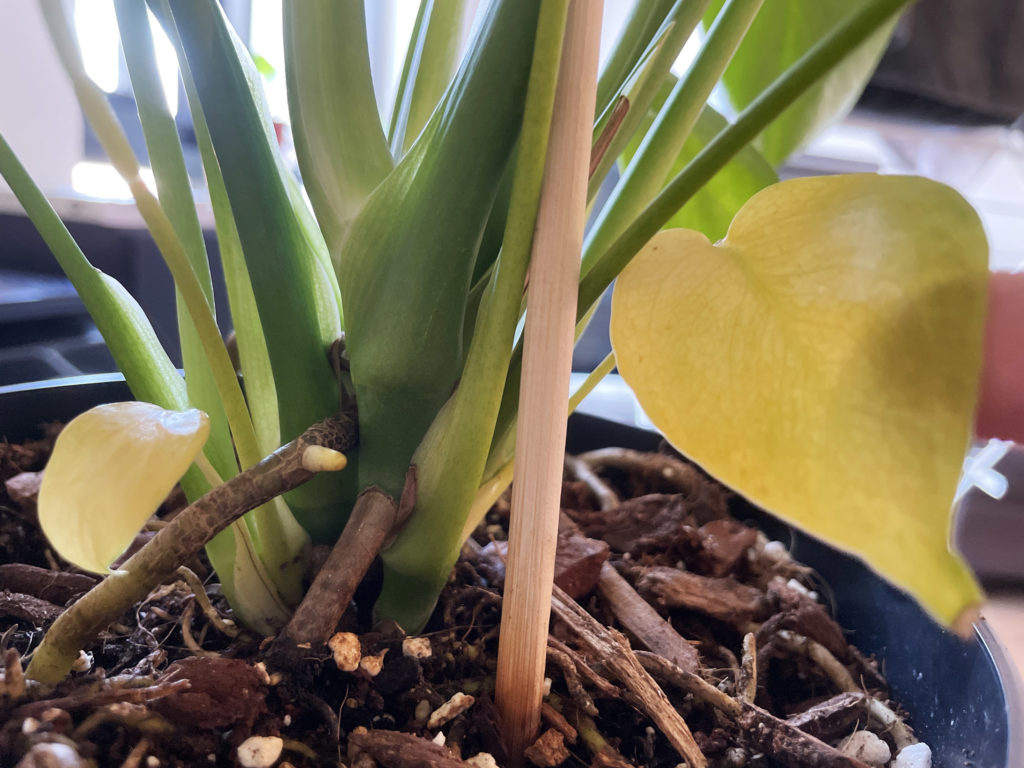
Monstera plants are popular for their stunning leaves. But, these leaves can turn yellow due to various reasons. One of the main causes is watering issues. Both overwatering and underwatering can lead to this problem. Let’s explore how to properly water your Monstera and recognize the signs of trouble.
Proper Watering Techniques
Proper watering is key to healthy Monstera leaves. Water the plant when the top inch of soil feels dry. Use a watering can with a narrow spout. This ensures even distribution. Always use room temperature water. This prevents shock to the plant’s roots.
Ensure the pot has drainage holes. This allows excess water to escape. Avoid letting the plant sit in water. This can lead to root rot. Stick to a watering schedule. This helps maintain consistency.
Signs Of Overwatering
Overwatering is a common mistake. It can cause yellow leaves. Look for these signs:
- Yellowing leaves, especially at the bottom
- Soft, mushy stems
- Soil stays wet for too long
- Presence of mold or a musty smell
If you see these signs, reduce watering. Check the soil before each watering. Let the soil dry out between waterings. This helps prevent further damage.
Signs Of Underwatering
Underwatering can also cause yellow leaves. Here’s what to watch for:
- Dry, brittle leaves
- Leaf edges turning brown
- Soil pulling away from the pot edges
- Leaves curling or wilting
If your Monstera shows these signs, increase watering. Ensure the soil is evenly moist. Avoid letting the plant dry out completely. Regularly check the soil moisture level. This helps keep your Monstera healthy.
Nutrient Deficiency
Monstera leaves can turn yellow due to nutrient deficiency. Nutrients are vital for plant health. They help in growth and development. Lack of nutrients affects the leaves first. This leads to yellowing of the leaves. Identifying the nutrient causing the issue is key. Let’s explore the signs and solutions.
Identifying Deficiencies
Yellowing leaves can signal a lack of specific nutrients. For example, nitrogen deficiency causes older leaves to yellow first. A lack of magnesium shows yellow patches between veins. Iron deficiency shows on new leaves. They turn yellow with green veins. Identifying these signs helps in addressing the issue.
Fertilizer Use
Fertilizers can help in providing missing nutrients. Choose a balanced fertilizer for your Monstera. Follow the instructions on the package. Over-fertilizing can harm the plant. Fertilize during the growing season. This is typically spring and summer. Avoid fertilizing in winter.
Soil Quality
Soil quality affects nutrient availability. Poor soil can lead to nutrient deficiencies. Use a well-draining potting mix. The mix should be rich in organic matter. Repot the Monstera every 1-2 years. This refreshes the soil. It ensures the plant gets enough nutrients.
Light Conditions
Monstera plants are popular for their large, glossy leaves. But many plant owners face the issue of yellowing leaves. One key factor that affects the health of a Monstera is light conditions. Understanding the right light levels can help keep your Monstera thriving.
Optimal Light Levels
Monsteras need bright, indirect light to grow well. Place your plant near a window with filtered light. East or north-facing windows are ideal. Too little or too much light can cause issues. Ensure your Monstera gets around 6-8 hours of indirect light daily.
Impact Of Low Light
Low light levels can cause yellow leaves. Monsteras in dim rooms struggle to produce enough energy. This leads to poor health and yellowing. You might also notice slower growth and smaller leaves. Consider using a grow light if natural light is scarce.
Impact Of Direct Sunlight
Direct sunlight can scorch Monstera leaves. This results in yellow or brown spots. Avoid placing your Monstera in direct sun, especially during peak hours. Use sheer curtains to diffuse intense sunlight. This helps protect the leaves from damage.
| Light Condition | Effect on Monstera |
|---|---|
| Bright, Indirect Light | Optimal growth, healthy green leaves |
| Low Light | Yellow leaves, slow growth |
| Direct Sunlight | Scorched leaves, yellow or brown spots |
Pest Infestation
Pest infestations can cause Monstera leaves to turn yellow. Tiny insects like spider mites or aphids damage the plant. Regular checks help spot these pests early.
Pest infestation is a common reason for Monstera leaves turning yellow. Pests can damage the plant, causing stress and discoloration. Identifying and treating the pests early can save your Monstera.Common Pests
Spider mites are tiny and hard to see. They suck sap from the leaves, causing yellow spots. Aphids are small insects that also feed on sap. They leave behind a sticky residue. Mealybugs appear as white, cotton-like masses. They weaken the plant by feeding on its sap. Scale insects are small, round, and often brown. They attach to the stems and leaves.Preventive Measures
Regularly inspect your Monstera for signs of pests. Keep the plant clean by wiping the leaves with a damp cloth. Ensure proper air circulation around the plant. Avoid overwatering, as pests thrive in moist environments. Use organic or chemical-free insecticides as a preventive measure.Treatment Options
Isolate the affected plant to prevent spreading. Use a mixture of water and mild soap to clean the leaves. Apply insecticidal soap or neem oil to the affected areas. Introduce natural predators like ladybugs to control the pest population. Repeat treatments weekly until the pests are gone. “`
Temperature And Humidity
Maintaining the right temperature and humidity is crucial for Monstera plants. Changes in these conditions can cause the leaves to turn yellow. Understanding the ideal environment for your Monstera ensures healthy, vibrant foliage.
Ideal Temperature Range
Monstera plants thrive in warm temperatures. The ideal range is between 65°F and 85°F (18°C to 29°C). Temperatures below 50°F (10°C) can stress the plant, leading to yellow leaves.
Avoid placing your Monstera near cold drafts or air conditioning units. Consistent warmth helps the plant maintain its lush green leaves.
Humidity Requirements
Monstera plants love high humidity. Aim for a humidity level of 60% to 80%. Low humidity can cause the leaves to dry out and turn yellow.
Consider using a humidifier or placing a tray of water near the plant. Misting the leaves can also help increase humidity.
Adapting To Seasonal Changes
Seasonal changes can affect your Monstera’s environment. In winter, indoor heating can lower humidity. In summer, high temperatures can dry out the air.
To help your plant adapt, monitor the indoor climate closely. Adjust the humidity and temperature to keep your Monstera happy.
Use a hygrometer to track humidity levels and make necessary adjustments.
Soil And Potting
Yellowing leaves on a Monstera plant can be a sign of several issues. Often, the root cause lies in the soil and potting practices. Proper soil and potting are crucial for the health of your Monstera. Understanding how to choose the right soil, practice proper potting, and repot when necessary can help prevent yellow leaves.
Choosing The Right Soil
Monstera plants need well-draining soil. Poor soil can lead to root rot. Use a mix with peat, pine bark, and perlite. This blend retains moisture while allowing excess water to drain. Avoid heavy soils that stay wet for too long.
Proper Potting Practices
Choose a pot with drainage holes. This helps excess water escape. When potting, ensure the roots are evenly spread. Do not bury the plant too deep. The base should be just below the soil surface. Water the plant lightly after potting. Let the soil settle around the roots.
Repotting Tips
Repot your Monstera every 1-2 years. Check the roots for signs of being root-bound. Choose a pot that is slightly larger than the current one. Remove the plant gently from its old pot. Shake off excess soil. Place it in the new pot with fresh soil. Water it and let it adjust to its new home.
Disease Control
Monstera leaves turning yellow can be a sign of disease. Understanding and controlling diseases is crucial for a healthy plant. This section will guide you through recognizing diseases, preventive care, and effective treatments.
Recognizing Diseases
Yellow leaves on a Monstera can indicate various diseases. It is important to spot the symptoms early. Common signs include:
- Yellowing of leaves
- Brown spots or edges
- Wilting or drooping
- Mold or fungus growth
Identifying these signs helps in taking timely action. Regularly inspecting your Monstera is key.
Preventive Care
Preventing diseases in Monstera plants involves several steps. Here are some effective preventive measures:
- Watering: Ensure proper watering, avoid over-watering.
- Humidity: Maintain adequate humidity levels.
- Soil: Use well-draining soil to prevent root rot.
- Air Circulation: Good air flow reduces fungal growth.
- Clean Tools: Sterilize tools before use to avoid contamination.
Following these steps helps in keeping your Monstera healthy and disease-free.
Effective Treatments
Treating diseases in Monstera requires specific actions. Here are some effective treatments:
- Pruning: Remove affected leaves to prevent disease spread.
- Fungicides: Apply fungicides for fungal infections.
- Insecticides: Use insecticides for pest-related diseases.
- Proper Watering: Adjust watering habits to prevent root rot.
- Isolation: Isolate the affected plant to prevent disease spread.
Applying these treatments can help restore your Monstera’s health.
:max_bytes(150000):strip_icc()/Why-Are-My-Monstera-Leaves-Turning-Yellow-b2cd94a10c184ae6a214790c893344f7.jpg)
Frequently Asked Questions
Why Do Monstera Leaves Turn Yellow?
Monstera leaves turn yellow due to overwatering, poor drainage, or lack of light. Check soil moisture and adjust watering.
How Can I Prevent Yellow Leaves On Monstera?
To prevent yellow leaves, ensure proper watering, provide adequate light, and maintain good drainage. Check for pests regularly.
Does Fertilizer Affect Monstera Leaf Color?
Yes, improper fertilization can cause yellow leaves. Use a balanced fertilizer and follow the recommended application rates.
Can Yellow Leaves On Monstera Be Saved?
Yellow leaves typically do not recover. Remove them to allow the plant to focus on healthy growth.
Conclusion
Yellow leaves on your Monstera indicate something is wrong. Check light, water, and nutrients. Address these issues promptly. Your plant will thrive with proper care. Happy gardening!
Leave a Reply